Best Beaches for Dolphin and Whale Watching
Explore the world's premier coastal destinations for spotting dolphins, whales, and marine mammals from shore or on guided boat tours along spectacular coastlines.
By BeachLoco Editorial Team
Why Beach-Based Marine Mammal Watching Is So Special
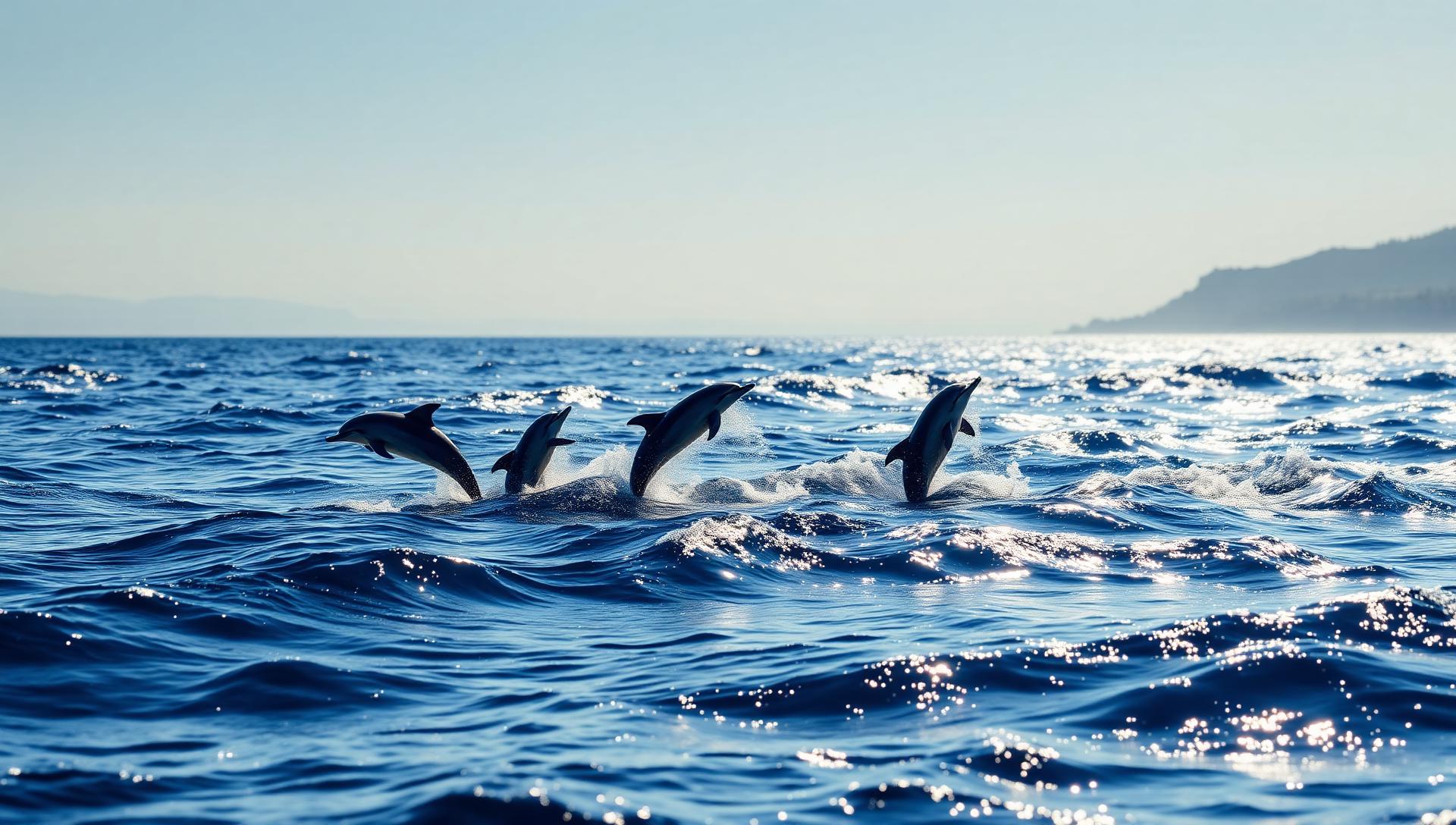
Few experiences match the raw emotion of watching a humpback whale breach against a sunset horizon or seeing a pod of bottlenose dolphins ride the bow wave of a passing boat. Marine mammal watching has become one of the world's most popular wildlife tourism activities, and for good reason — these encounters create profound, lasting memories that connect us to the ocean's most charismatic inhabitants. The best beaches for dolphin and whale watching combine predictable migration routes, sheltered viewing points, and responsible tour operators who prioritize animal welfare.
What makes beach-based watching particularly appealing is its accessibility. While dedicated whale watching cruises venture far offshore, many of the world's finest marine mammal encounters happen within sight of land — from elevated coastal headlands, sheltered bays, and beaches where dolphins regularly surf the waves alongside human visitors. Whether you prefer watching from a comfortable clifftop vantage point or joining a guided boat excursion, these destinations deliver remarkable encounters with the ocean's most intelligent residents.
Top Beaches for Dolphin and Whale Watching
Hermanus, Western Cape, South Africa
Consistently ranked among the world's top land-based whale watching destinations, Hermanus offers extraordinary southern right whale viewing from June through November. The town's dramatic cliff paths provide elevated vantage points where whales can be observed as close as 10 meters from shore, breaching, tail-slapping, and nursing calves in the sheltered waters of Walker Bay. The town even employs an official "whale crier" who alerts visitors to whale sightings throughout the season. Beyond whales, Hermanus's coastline supports resident populations of Cape fur seals, African penguins, and occasional orca sightings.
Kaikoura, South Island, New Zealand
Kaikoura's unique underwater canyon system, where deep oceanic trenches run close to shore, creates one of the planet's most reliable marine mammal viewing destinations. Resident sperm whales can be observed year-round, while humpback whales, blue whales, and orca pass through seasonally. Dusky dolphin pods numbering in the hundreds regularly perform acrobatic displays in the bay, and swim-with-dolphin experiences are available from responsible operators. The dramatic backdrop of the snow-capped Kaikoura Ranges adds grandeur to every encounter, making this a destination that pairs wildlife viewing with stunning coastal city exploration.
Monterey Bay, California, USA
The deep submarine canyon offshore creates a nutrient upwelling system that attracts an astonishing diversity of marine life to Monterey Bay year-round. Gray whales pass during their December-to-April migration, humpback and blue whales feed in summer months, and resident populations of bottlenose and Pacific white-sided dolphins are present throughout the year. The bay's protected status as a National Marine Sanctuary ensures high animal welfare standards among tour operators, and shore-based viewing from Lovers Point and Point Lobos State Reserve offers excellent land-based alternatives.
The Azores, Portugal
This remote Atlantic archipelago sits along major cetacean migration routes, making it one of Europe's premier whale and dolphin watching destinations. Over 25 species of cetaceans have been recorded in Azorean waters, including blue whales in spring, sperm whales year-round, and multiple dolphin species. Former whaling lookout towers on São Miguel and Pico islands now serve as whale spotting stations, directing boat tours to sightings with remarkable efficiency. The volcanic island landscapes and pristine ocean conditions create an otherworldly setting for marine encounters that complement world-class snorkeling opportunities.
Byron Bay, New South Wales, Australia
Australia's easternmost point provides a natural grandstand for the annual humpback whale migration between June and November. The Cape Byron lighthouse trail offers elevated viewing where whales can be spotted without binoculars, often breaching just a few hundred meters from shore. Bottlenose dolphins are year-round residents, frequently spotted surfing the waves at The Pass and Wategos Beach. The relaxed coastal town atmosphere and excellent dining scene make Byron Bay ideal for combining wildlife watching with a broader beach vacation.
Best Time of Year
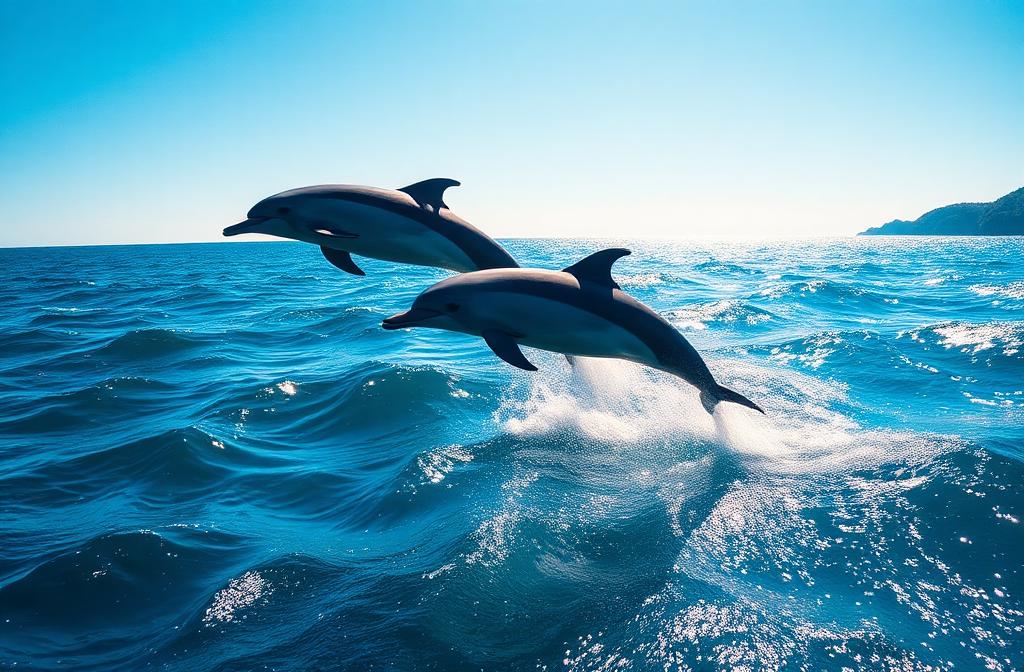
Marine mammal watching seasons vary dramatically by hemisphere and species. In the Northern Hemisphere, summer months (June through September) bring feeding whales to nutrient-rich waters, while winter months see gray whale migrations along the Pacific coast. Southern Hemisphere destinations like Hermanus and Byron Bay peak during the austral winter (June through November) when breeding whales move to warmer waters.
Dolphins are generally less seasonal than whales, with resident populations viewable year-round at most destinations. However, larger aggregations often coincide with seasonal fish runs. For the most comprehensive whale watching, plan trips during peak migration windows and consider visiting multiple vantage points. Our beach travel planning resources can help you align travel dates with optimal viewing seasons.
Tips for First-Time Visitors
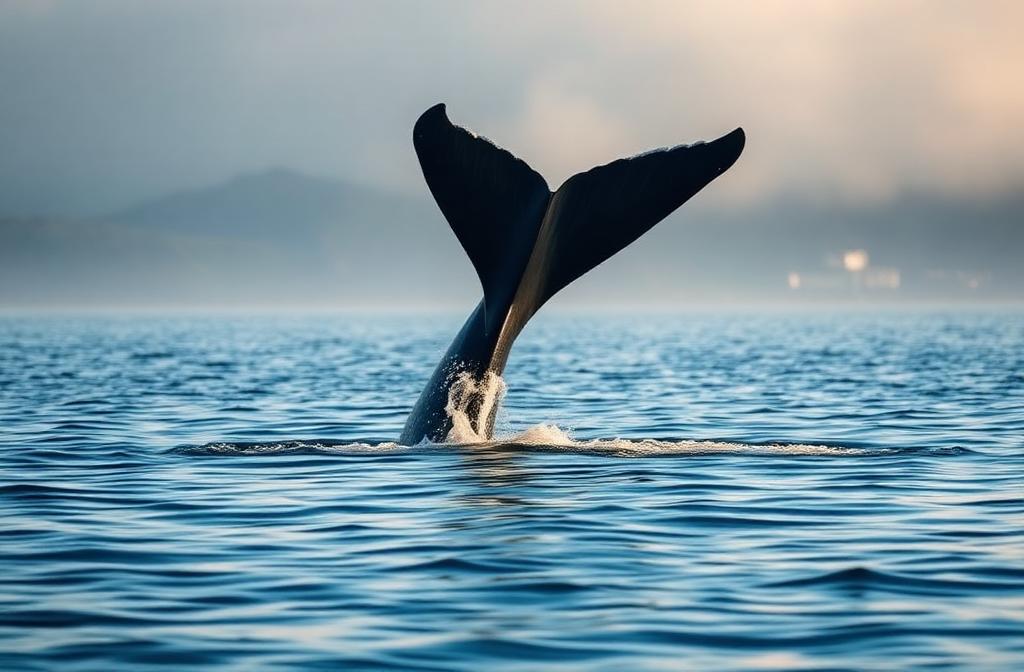
Choose tour operators certified by recognized marine wildlife organizations, which enforce strict approach distance guidelines and time limits near animals. Responsible operators will never chase, corner, or separate animals from their groups. Look for companies that contribute to marine research through photo-identification programs or citizen science data collection.
For shore-based watching, bring quality binoculars (8x42 or 10x42 magnification) and practice patience. Morning hours typically offer calmer seas and better visibility, though whale activity can occur at any time. Position yourself at elevated vantage points with the sun behind you to reduce glare and improve visibility of spouts and surface activity.
Motion sickness is common on whale watching boats, particularly in open ocean conditions. Take preventive medication 30 minutes before departure, choose a seat near the center of the vessel where motion is minimized, and keep your eyes on the horizon between sightings.
Nearby Attractions and Destinations
The world's best whale watching destinations invariably offer rich broader travel experiences. Kaikoura combines marine encounters with exceptional sea kayaking along dramatic coastlines where seals and seabirds accompany paddlers. The Azores offer volcanic crater lakes, thermal hot springs, and some of the Atlantic's finest diving. Monterey Bay connects to California's iconic Big Sur coastline, offering world-class hiking and photography opportunities along one of America's most scenic drives.
Discover More Coastal Adventures
Marine mammal watching is just one of many ways to experience the ocean's extraordinary wildlife. From the vibrant coral reefs explored in our beginner scuba diving guide to the tranquil beauty of sunset sailing experiences, the world's coastlines offer endless opportunities to connect with marine life. Explore our complete collection of beach activity guides to plan your next unforgettable seaside adventure.