Best Beaches for Kite Surfing
Ride the wind at the world's premier kite surfing destinations, from the trade-wind beaches of the Caribbean to the legendary spots of Brazil and Spain.
By BeachLoco Editorial
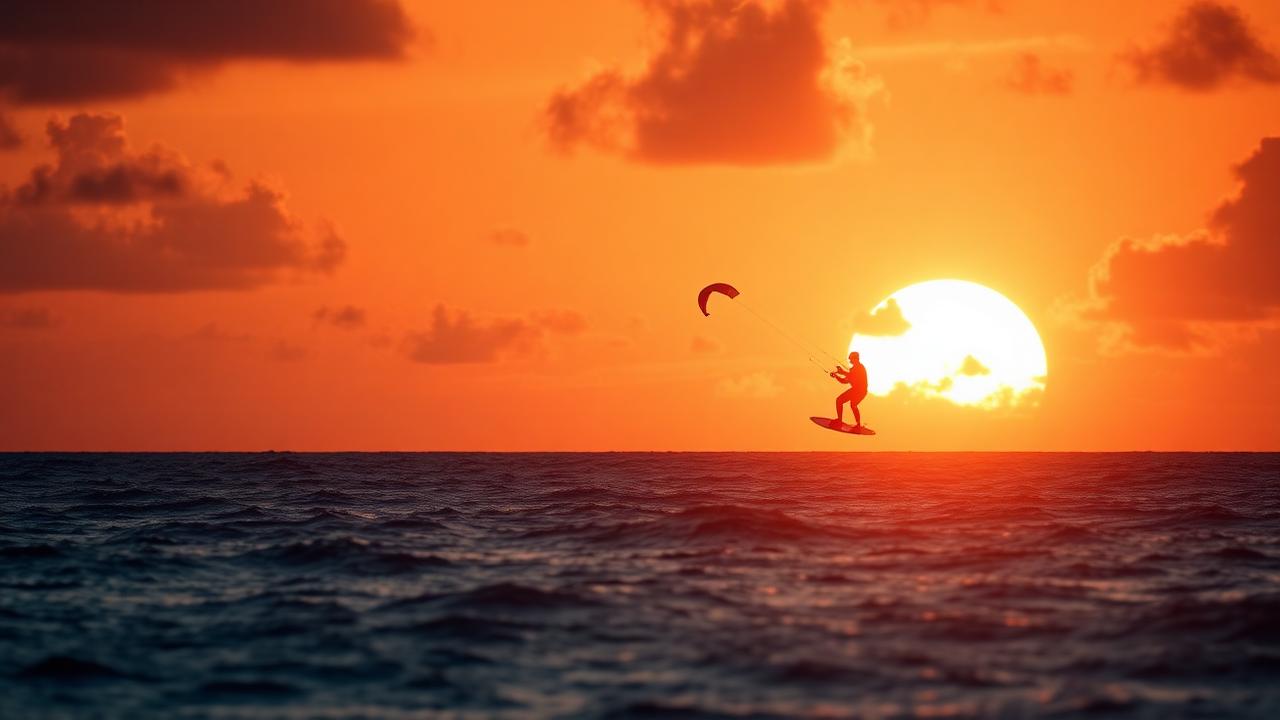
Kite surfing fuses the raw power of wind with the fluid dynamics of wave riding, creating one of the most visually spectacular and physically demanding beach sports on Earth. Riders harness massive inflatable kites to propel themselves across the water surface, launching into aerial tricks that can reach heights of 15 meters or more. While the learning curve is steeper than most water sports, modern equipment and professional instruction have made kite surfing accessible to determined beginners at dedicated training beaches worldwide.
What Makes a Great Kite Surfing Beach
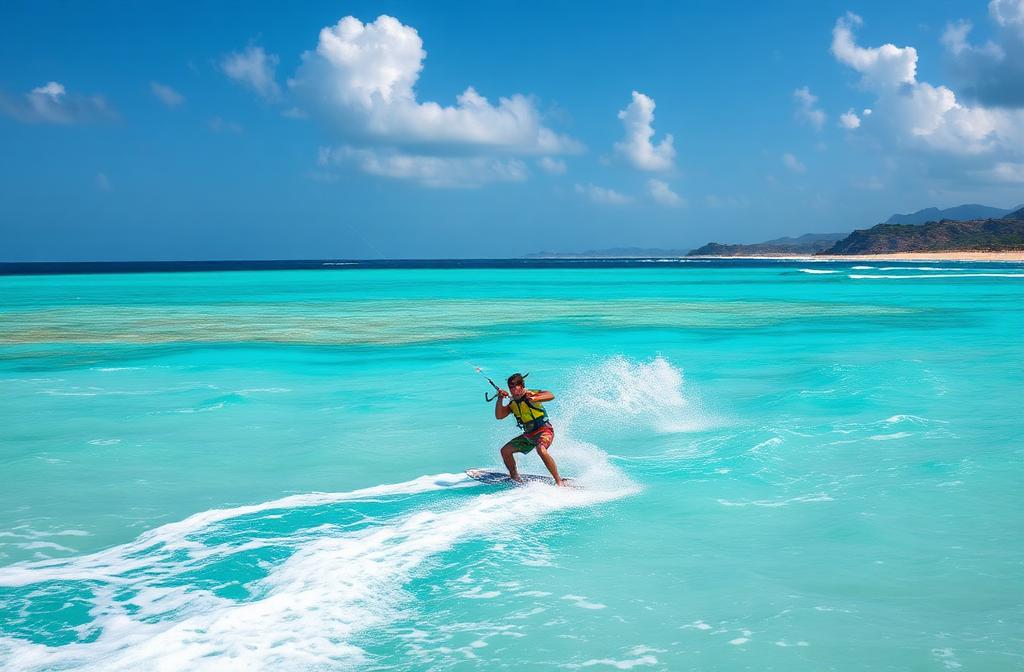
The ideal kite surfing destination requires consistent wind (15-25 knots), flat or moderately choppy water, wide sandy beaches for safe launching and landing, and sufficient space without obstacles. Cross-shore or cross-onshore winds are preferred, as they allow riders to maintain position relative to the beach while riding parallel to the shoreline.
Water depth matters too — waist-deep water extending well offshore provides a safety margin for beginners, who can simply stand up after falls. Shallow lagoons with sandy bottoms, like those found in Dakhla, Morocco, or the Outer Banks of North Carolina, represent ideal learning environments.
World's Best Kite Surfing Beaches
Tarifa, Spain
Europe's kite surfing capital sits at the continent's southernmost point, where Atlantic and Mediterranean winds converge to create some of the most reliable conditions on Earth. The Levante wind blows consistently from the east, reaching 25-40 knots, while the Poniente offers gentler westerly conditions ideal for learning.
Cabarete, Dominican Republic
This Caribbean beach town has become a global kite surfing hub thanks to its thermal trade winds that clock in like clockwork each afternoon. The reef-protected bay provides flat water inside and waves outside, catering to beginners and experts simultaneously. International competitions regularly take place here.
Jericoacoara, Brazil
Brazil's northeast coast receives powerful, consistent trade winds from July through January. Jericoacoara's wide, flat lagoons provide perfect practice grounds, while the open ocean delivers challenging wave riding for advanced kiters. The town's bohemian atmosphere and stunning sand dune landscapes add to the appeal.
Dakhla, Morocco
This Saharan lagoon offers arguably the world's most consistent kite surfing conditions. The shallow, flat-water lagoon extends for kilometers, providing unlimited space with waist-deep water that makes falls completely safe. Wind reliability exceeds 90% during peak season (April-October).

When to Go
Trade-wind destinations (Caribbean, Brazil) peak during winter and spring months. European destinations like Tarifa and Greece deliver best conditions June through September. Moroccan and Egyptian sites offer year-round winds with peak reliability in summer. Always research specific wind statistics before booking — sites like Windguru provide detailed historical data for every major kite spot.
Getting Started
Budget three to five days of professional instruction (approximately $300-$600 total) to learn kite surfing fundamentals. Begin with a kite control lesson on the beach before entering the water. Most schools provide all equipment during lessons, but once independent, gear costs range from $1,500-$3,000 for a complete setup.
If kite surfing's learning curve feels intimidating, consider starting with windsurfing or surfing to build board skills before adding kite control.
Nearby Attractions
Tarifa sits at the gateway to Morocco, with day trips to Tangier available. Cabarete offers surfing, paddleboarding, and canyoning in the Dominican highlands. Jericoacoara's sand dunes provide sandboarding opportunities between kite sessions.
Explore more wind-powered adventures in our windsurfing guide or browse all beach activities.