Best Hidden Gem Fishing Beaches You've Never Heard Of
Escape the crowds and discover under-the-radar fishing beaches where the action is hot and the competition is low.
By BeachLoco Editorial Team
Every angler knows the feeling: you arrive at a legendary fishing spot only to find shoulder-to-shoulder crowds, tangled lines, and boats jockeying for position. The truth is, some of the best fishing in America happens at beaches most people have never heard of. These hidden gem fishing beaches deliver exceptional catches, uncrowded shorelines, and the kind of solitude that makes a fishing trip feel like a genuine escape.
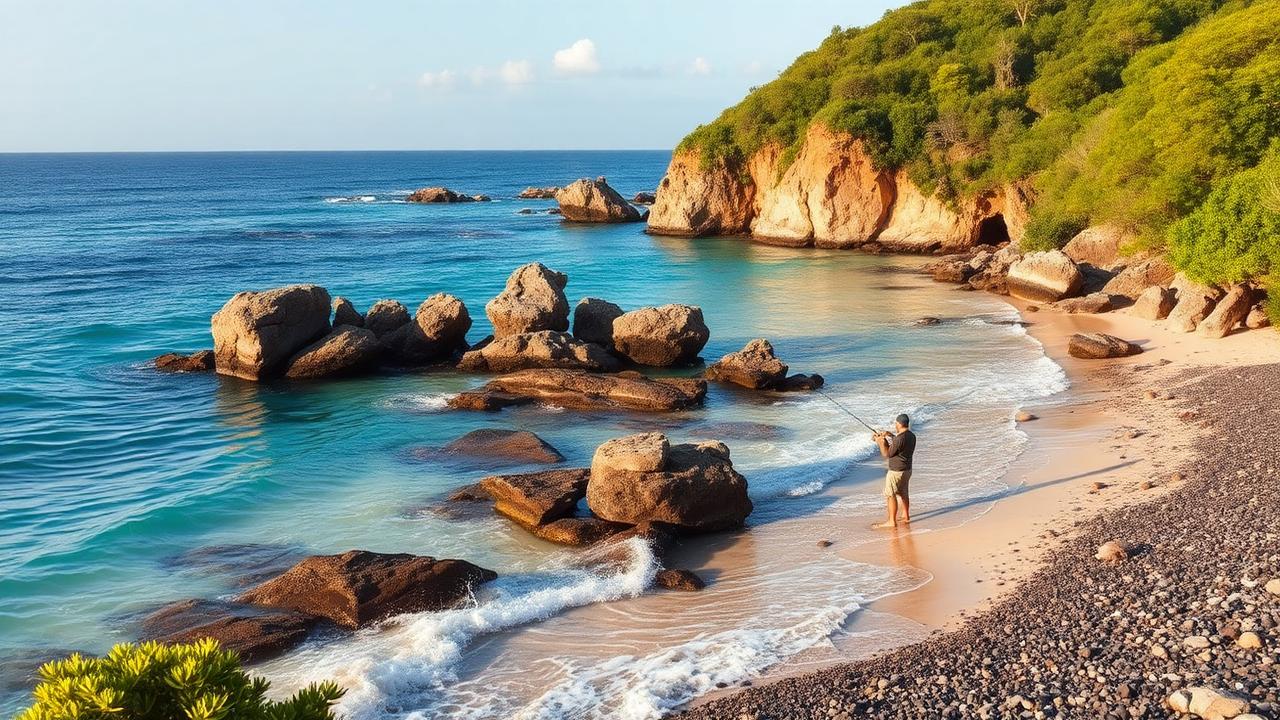
Whether you chase redfish on remote Gulf flats, cast for stripers along forgotten Atlantic stretches, or work a quiet Pacific cove for halibut, these overlooked destinations reward anglers who venture beyond the obvious. We researched local reports, charter captain recommendations, and state fisheries data to compile this list of the best hidden gem fishing beaches in America.
Dauphin Island, Alabama
Best for: Inshore redfish, speckled trout, and flounder
Sitting at the mouth of Mobile Bay, Dauphin Island rarely appears on mainstream travel lists — but local anglers know it as one of the Gulf's most productive inshore fisheries. The island's west end offers miles of undeveloped beach where wade fishermen regularly land bull redfish during fall runs. The grass flats on the bay side hold speckled trout year-round, and the DI Bridge pilings are a flounder magnet. Unlike neighboring Gulf Shores, you'll rarely compete for casting space here.
Cedar Key, Florida
Best for: Redfish, sea trout, and tarpon on light tackle
Tucked along Florida's Big Bend coast, Cedar Key feels decades removed from the state's developed beach towns. The surrounding shallow flats and oyster bars create a nursery ecosystem that attracts redfish, sea trout, and seasonal tarpon. Kayak anglers especially thrive here, paddling into backcountry creeks that powerboats can't reach. The lack of beachfront resorts means fewer visitors and more fish — a tradeoff serious anglers happily accept.
Cape San Blas, Florida
Best for: Surf fishing for pompano, whiting, and sharks
This narrow peninsula on Florida's Forgotten Coast juts into the Gulf like a natural fishing pier. The steep drop-off close to shore brings pompano, whiting, and Spanish mackerel within easy casting range. During summer, black-tip sharks cruise the surf line, and anglers fishing cut bait regularly hook into 4-foot-plus specimens. Cape San Blas remains one of the least developed stretches of Florida coastline, making it ideal for anglers who want beach camping and fishing in the same trip. Explore more along Florida's Forgotten Coast.
Padre Island National Seashore, Texas
Best for: Surf fishing for redfish, black drum, and jack crevalle
Most visitors to South Texas head to South Padre Island's developed strip. But the National Seashore — 60 miles of undeveloped barrier island — offers some of the most productive surf fishing on the entire Gulf Coast. Four-wheel-drive access means you can find completely empty beach within minutes. The first and second sandbars hold redfish, black drum, and whiting, while deeper guts attract jack crevalle and the occasional tarpon during warm months.
Assateague Island, Maryland/Virginia
Best for: Surf fishing for striped bass, bluefish, and red drum
Famous for its wild horses, Assateague Island is criminally underrated as a fishing destination. The fall striper run brings 30-inch-plus fish into the surf, and bluefish blitzes turn the shoreline into a feeding frenzy. The island's over-sand vehicle zone allows anglers to set up on remote stretches with rod holders, sand spikes, and zero competition. Spring and fall red drum migrations add another target species that most Mid-Atlantic surf anglers overlook.
Grand Isle, Louisiana
Best for: Speckled trout, redfish, and offshore access
Louisiana's only inhabited barrier island packs an outsized punch for its small size. The jetties at Grand Isle State Park produce speckled trout, redfish, sheepshead, and flounder throughout the year. Oil platforms visible from shore create artificial reef habitat that attracts cobia, king mackerel, and red snapper within short boat runs. Despite hosting the annual Grand Isle Tarpon Rodeo, the island sees a fraction of the tourist traffic of comparable Gulf destinations.
Ocracoke Island, North Carolina
Best for: Red drum, false albacore, and flounder
Accessible only by ferry, Ocracoke filters out casual beachgoers and rewards committed anglers. The island's south-facing beaches catch schools of red drum during the legendary fall run, when fish over 40 inches are common. False albacore — the hardest-fighting fish pound-for-pound in the Atlantic — stage off the point from October through December. The ferry-only access keeps pressure low and catches high.
Surfside Beach, Texas
Best for: Surf fishing for bull redfish and shark
Just south of Freeport, Surfside Beach sits on a stretch of Texas coast that most out-of-state anglers skip entirely. That's a mistake. The beach's proximity to the Freeport ship channel creates current convergences that concentrate baitfish and predators. Bull redfish over 40 inches are caught regularly from the surf during fall, and shark anglers deploy kayak baits for bull sharks that patrol the second bar. Drive-on beach access makes it easy to set up camp and fish through a tide change.
Boca Grande, Florida
Best for: Tarpon — the 'Silver King' capital of the world
While Boca Grande Pass is famous among hardcore tarpon anglers, the surrounding beaches remain surprisingly quiet. Wade fishing the shallow Gulf-side beaches produces snook, trout, and pompano with minimal competition. The island's old-Florida character — no traffic lights, no chain restaurants — preserves a fishing village atmosphere that has largely disappeared elsewhere in the state.
Sapelo Island, Georgia
Best for: Redfish, flounder, and sheepshead in pristine estuaries
Sapelo Island is accessible only by state-run ferry and remains one of the most ecologically intact barrier islands on the East Coast. The surrounding creeks and marsh systems hold trophy redfish and flounder, and the island's limited visitor capacity ensures you'll fish in near-total solitude. This is as close to untouched fishing as you'll find east of the Mississippi.
How to Find Your Own Hidden Gem Fishing Beach
The best hidden fishing spots share common traits: limited road access, no major resort development, and proximity to productive habitat like grass flats, oyster bars, jetties, or channel edges. State fisheries reports and local bait shop intel are your best starting points. Look for areas where access requires a ferry, a 4WD, or a short hike — the extra effort filters out casual visitors and leaves more fish for you.
Travel Tips for Remote Fishing Beaches
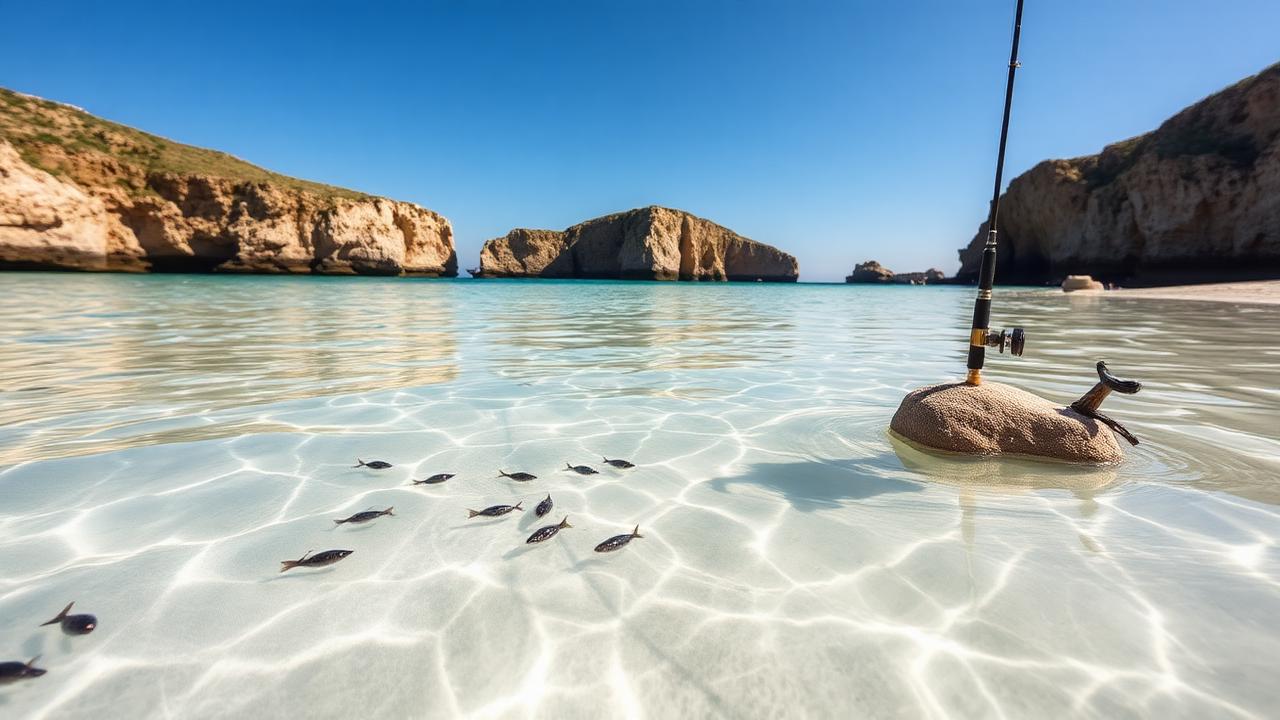
Remote fishing beaches demand self-sufficiency. Pack everything you need for the day, including water, sun protection, and a first-aid kit. Check tide charts before committing to a walk-in spot, as rising tides can cut off access on barrier islands. A quality sand spike or rod holder is essential for surf fishing, and circle hooks improve catch-and-release survival rates for redfish and other game fish. For the best fishing beaches, planning ahead makes all the difference.
Frequently Asked Questions
What makes a fishing beach a 'hidden gem'?
Hidden gem fishing beaches are productive fishing spots that receive significantly less pressure than well-known destinations. They typically feature limited development, restricted access (ferry, 4WD, or hike-in), and healthy fish populations sustained by low angling pressure.
Do I need special gear for surf fishing at remote beaches?
A 10- to 12-foot surf rod, a spinning reel spooled with 20-pound braid, sand spikes, and a variety of terminal tackle (circle hooks, pyramid sinkers, fish-finder rigs) cover most surf fishing scenarios. For wade fishing, a 7-foot medium-heavy rod with a 3000-series reel works well.
Are these beaches safe for families?
Most hidden gem beaches are safe but lack lifeguards and amenities. Supervise children closely near the water, bring all supplies, and check local conditions before visiting. Many of these spots double as excellent family beach destinations outside of peak fishing hours.
When is the best time to fish at hidden gem beaches?
Fall (September–November) is prime season at most of these beaches, coinciding with bull redfish runs, striper migrations, and cooler weather. Spring offers excellent inshore fishing with fewer crowds than summer.
Do I need a fishing license at these beaches?
Yes. Every state requires a saltwater fishing license. Many offer short-term tourist licenses available online. National seashores and state parks may have additional permit requirements.