Best Beaches for Snorkeling in the Caribbean — Easy Access Reefs & Calm Waters
From Turks and Caicos' pristine reef systems to Bonaire's shore-diving paradise, discover the Caribbean's most spectacular snorkeling beaches with conditions, marine life, and island-by-island tips.
By BeachLoco Editorial Team
The Caribbean Sea is a snorkeler's dream, offering warm turquoise waters, vibrant coral reefs, and an astonishing diversity of tropical marine life spread across dozens of island nations. From the legendary shore diving of Bonaire to the pristine barrier reef of Belize, the Caribbean provides accessible, year-round snorkeling experiences that cater to every skill level. The combination of calm conditions, excellent visibility, and rich biodiversity makes this region one of the world's premier underwater exploration destinations.
Bonaire: The Shore Snorkeling Capital
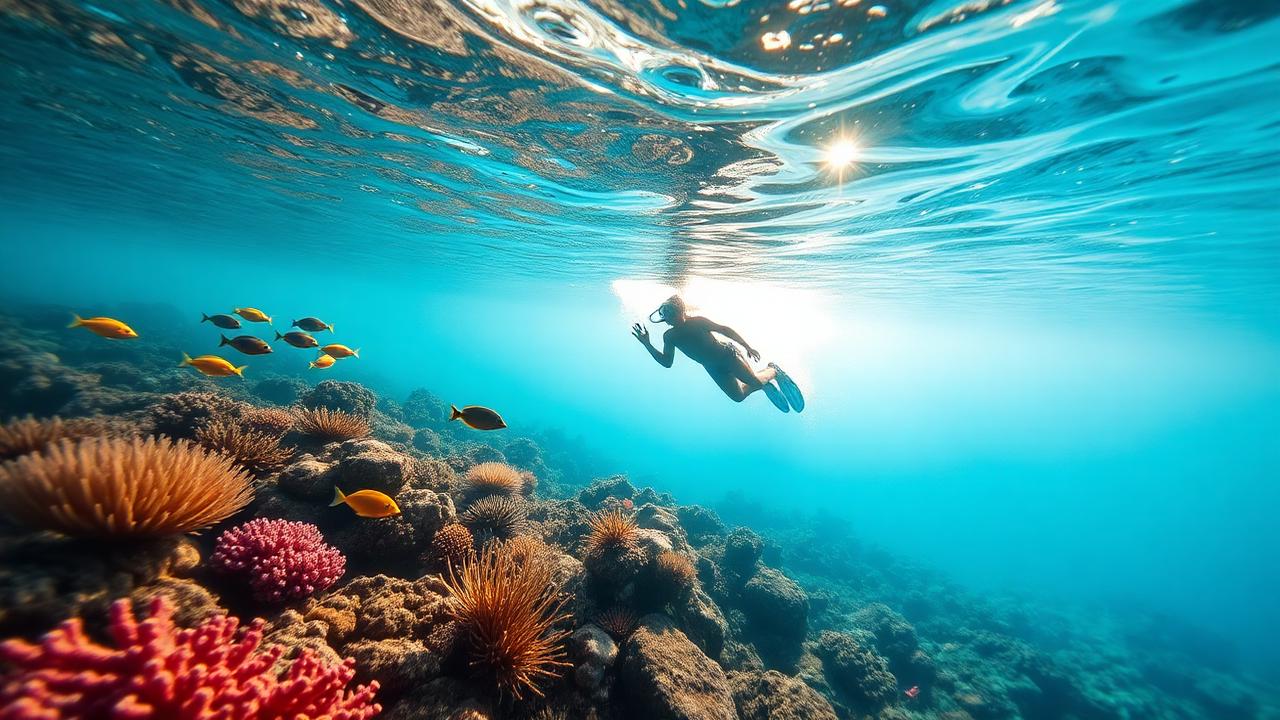
Bonaire, a small Dutch Caribbean island off the coast of Venezuela, has earned its reputation as the shore diving and snorkeling capital of the Caribbean. The entire coastline is a protected marine park, and the results of decades of conservation are immediately apparent the moment you slip beneath the surface. Unlike many Caribbean destinations where you need a boat to reach quality reefs, Bonaire's coral starts just steps from the beach.
The island features over 80 marked dive and snorkel sites, each accessible from shore with clearly numbered yellow stones along the roadside. 1000 Steps Beach, despite its intimidating name (there are actually only about 70 steps), offers one of the most spectacular reef walls in the Caribbean. The drop-off begins in shallow water and plunges dramatically, with massive brain corals, sea fans, and sponges creating a vertical garden patrolled by hawksbill turtles and spotted eagle rays.
Klein Bonaire, the uninhabited islet just off the main island's coast, is accessible by water taxi and offers some of the clearest water in the Caribbean. No Name Beach on Klein Bonaire consistently delivers visibility exceeding 30 meters, with healthy elkhorn coral gardens that have become increasingly rare elsewhere in the region. The island charges a modest marine park fee that directly funds reef protection.
Turks and Caicos: Grace Bay and Beyond
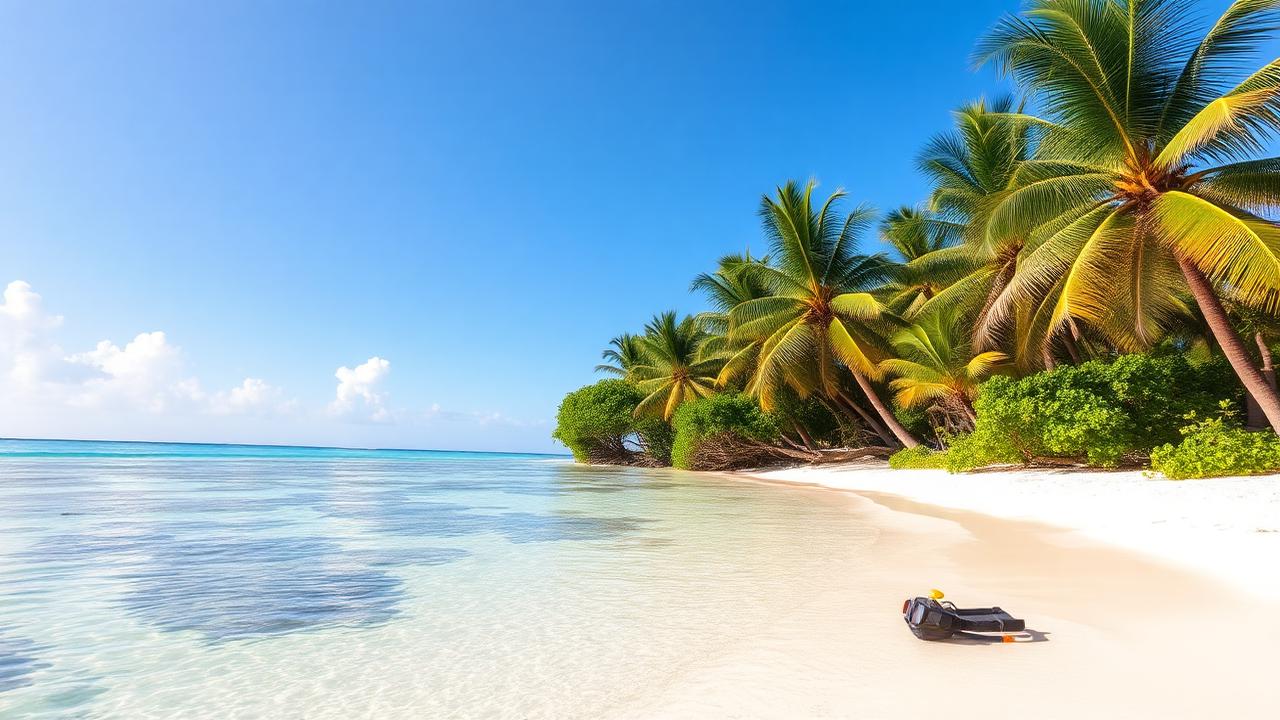
Turks and Caicos, a British Overseas Territory southeast of the Bahamas, combines world-class beaches with exceptional snorkeling opportunities. Grace Bay Beach on Providenciales consistently ranks among the world's best beaches, and the snorkeling along its barrier reef—located about a kilometer offshore—is equally impressive.
Smith's Reef, accessible directly from the shore near Turtle Cove, is the most popular snorkeling site on Providenciales. The reef system here is remarkably diverse for its shallow depth, with large stands of elkhorn coral, brain coral, and pillar coral providing habitat for French angelfish, blue tang, queen triggerfish, and juvenile barracuda. The calm, shallow waters make it an ideal location for families with children.
For a more adventurous experience, the wall diving and snorkeling off Grand Turk Island offers encounters with larger marine life. The Columbus Passage, a deep-water channel between Grand Turk and Salt Cay, funnels nutrients that attract humpback whales during their winter migration from January through April. While snorkelers won't typically encounter the whales directly, the nutrient-rich waters support an exceptionally vibrant reef ecosystem along the island's western shore.
Cayman Islands: Stingray City and Coral Gardens
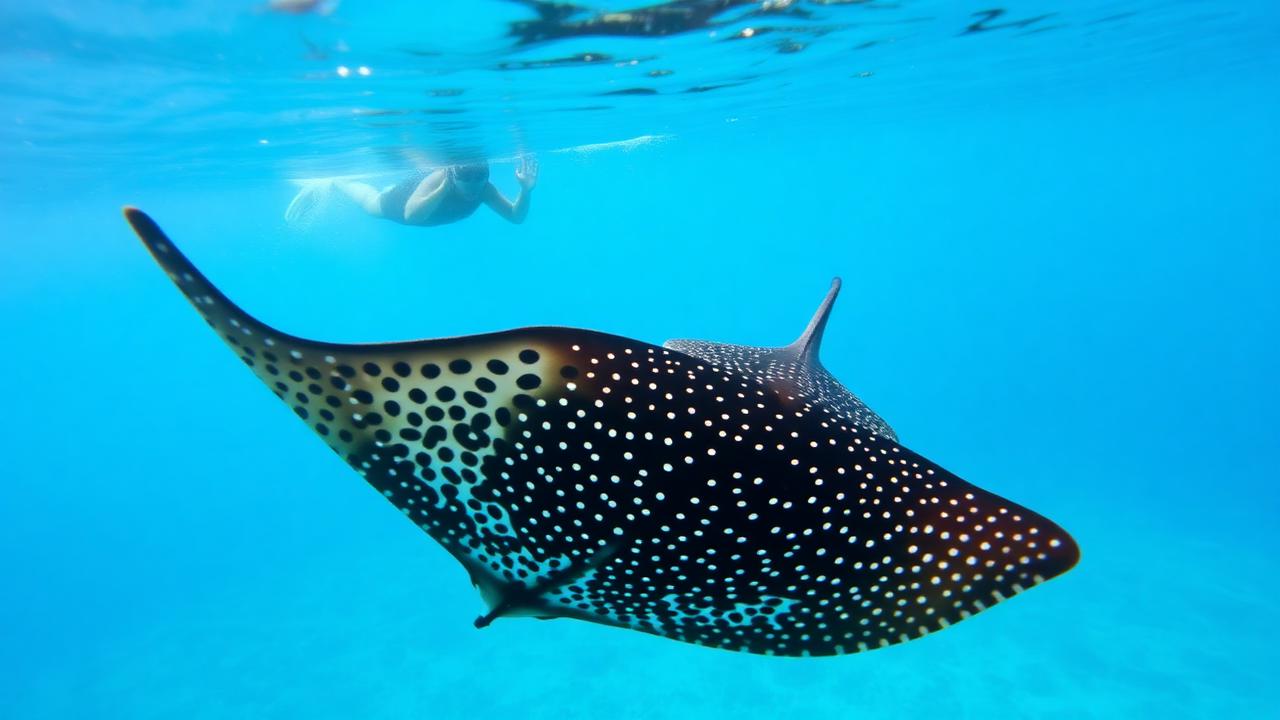
The Cayman Islands offer a unique blend of curated underwater experiences and wild reef exploration. The most famous is Stingray City, a shallow sandbar in Grand Cayman's North Sound where southern stingrays have gathered for decades. Snorkelers can stand in waist-deep water while these graceful creatures glide around them, an experience that remains thrilling despite its popularity.
Beyond Stingray City, Grand Cayman's Seven Mile Beach offers convenient shore snorkeling, particularly at Cemetery Beach where the reef begins in just three feet of water. The coral here is predominantly hard coral species—masive star coral and grooved brain coral—that provide a sturdy habitat for parrotfish, sergeant majors, and the occasional nurse shark.
Little Cayman, the smallest of the three islands, is home to Bloody Bay Wall, widely considered one of the most dramatic underwater landscapes in the Caribbean. While the wall itself plunges to extreme depths, the reef crest is accessible to snorkelers and features pristine coral formations rarely seen elsewhere. The island's tiny population and strict marine protections have preserved an underwater environment that recalls the Caribbean of decades past.
Belize Barrier Reef: A UNESCO Treasure
Belize's Barrier Reef, the second-largest in the world after Australia's Great Barrier Reef, is a UNESCO World Heritage Site that stretches 300 kilometers along the country's coastline. The reef protects a string of cayes—small, sandy islands—that serve as bases for snorkeling excursions into some of the healthiest coral ecosystems in the Western Hemisphere.
Hol Chan Marine Reserve, located off the southern tip of Ambergris Caye, is the most popular snorkeling destination in Belize. The reserve encompasses a natural channel cut through the reef that concentrates marine life in a relatively small area. Nurse sharks, green moray eels, large grouper, and schools of horse-eye jacks are commonly spotted. Adjacent Shark Ray Alley offers close encounters with nurse sharks and southern stingrays in shallow, sandy-bottomed water.
Tobacco Caye and South Water Caye, further south along the reef, offer a more rustic and less crowded alternative. These tiny islands sit directly on the reef crest, meaning snorkelers can access world-class coral simply by walking off the beach. The marine reserve surrounding these cayes protects some of the most biodiverse reef in the Caribbean, with over 200 species of fish and 60 species of coral documented within a small area.
Practical Tips for Caribbean Snorkeling
The Caribbean offers year-round snorkeling, but conditions vary by season. The dry season from December to April generally provides the best visibility and calmest conditions, though this coincides with peak tourist season and higher prices. The shoulder months of May and November often deliver excellent snorkeling conditions with fewer crowds and lower accommodation costs.
Water temperatures throughout the Caribbean range from 25 to 29 degrees Celsius, warm enough for comfortable snorkeling without a wetsuit for most people. A thin rash guard is recommended primarily for sun protection rather than warmth. Reef-safe sunscreen is increasingly required by law across Caribbean nations, and many marine parks enforce strict no-touch policies to protect coral.
Current conditions vary significantly between sites. Bonaire's western shore is typically calm and current-free, making it ideal for independent snorkeling. Belize's outer atolls and Turks and Caicos' wall sites can experience stronger currents that require more experience. Always check local conditions and consider hiring a guide for unfamiliar sites.
The Caribbean's snorkeling destinations represent some of the most accessible and rewarding underwater experiences available anywhere. Whether you choose the self-guided shore snorkeling of Bonaire, the curated encounters of the Cayman Islands, the pristine reefs of Turks and Caicos, or the vast barrier reef system of Belize, you'll discover a tropical underwater world of extraordinary beauty and diversity that keeps snorkelers returning season after season.
Book Your Beach Getaway
Find the best deals on flights, hotels, and car rentals for your perfect beach vacation.