Best Beaches for Surfing in Thailand — Your Complete Wave Guide
From Phuket's monsoon swells to Khao Lak's Andaman barrels, discover Thailand's best surfing beaches with seasonal conditions, local culture, and travel tips.
By BeachLoco Editorial Team
Thailand isn't the first country most surfers think of — and that's precisely what makes it special. While the kingdom is celebrated for its turquoise lagoons, temple-studded coastlines, and world-class diving, a growing community of wave riders has quietly built a surf scene along the Andaman Sea coast that rewards those willing to time their visit right.
Thailand's surf season runs counter to most travel calendars — the southwest monsoon (May through October) pushes Indian Ocean swells into the Andaman coast, transforming placid bays into legitimate surf breaks. Here's your complete BeachLoco guide to Thailand's best surfing beaches.
Who Is This Guide For?
This guide is designed for:
- Beginner surfers who want warm water, affordable lessons, and forgiving beach breaks
- Intermediate surfers exploring Southeast Asia who want to add Thailand to their surf itinerary
- Surf-curious travelers already planning a Thailand trip and looking to catch their first waves
- Budget-conscious wave riders seeking world-class value — $15 lessons, $8 board rentals, and $5 pad thai after a session
🏄♂️ Best Surfing Beaches in Thailand
⭐ 1. Kata Beach, Phuket — Thailand's Surf Capital
Kata Beach is the undisputed center of Thai surfing. This crescent-shaped bay on Phuket's southwest coast catches monsoon swells consistently from May through October, producing clean 2–5 foot waves that work for beginners and intermediates alike.
Why it's great:
- Sandy bottom, forgiving waves — perfect for learning
- Multiple surf schools with certified instructors
- Consistent swell during monsoon season
- Vibrant après-surf scene with beachfront restaurants
Best spots: Kata Beach main break, Kata Noi (smaller, less crowded), Kata Reef (intermediate when swell is bigger)
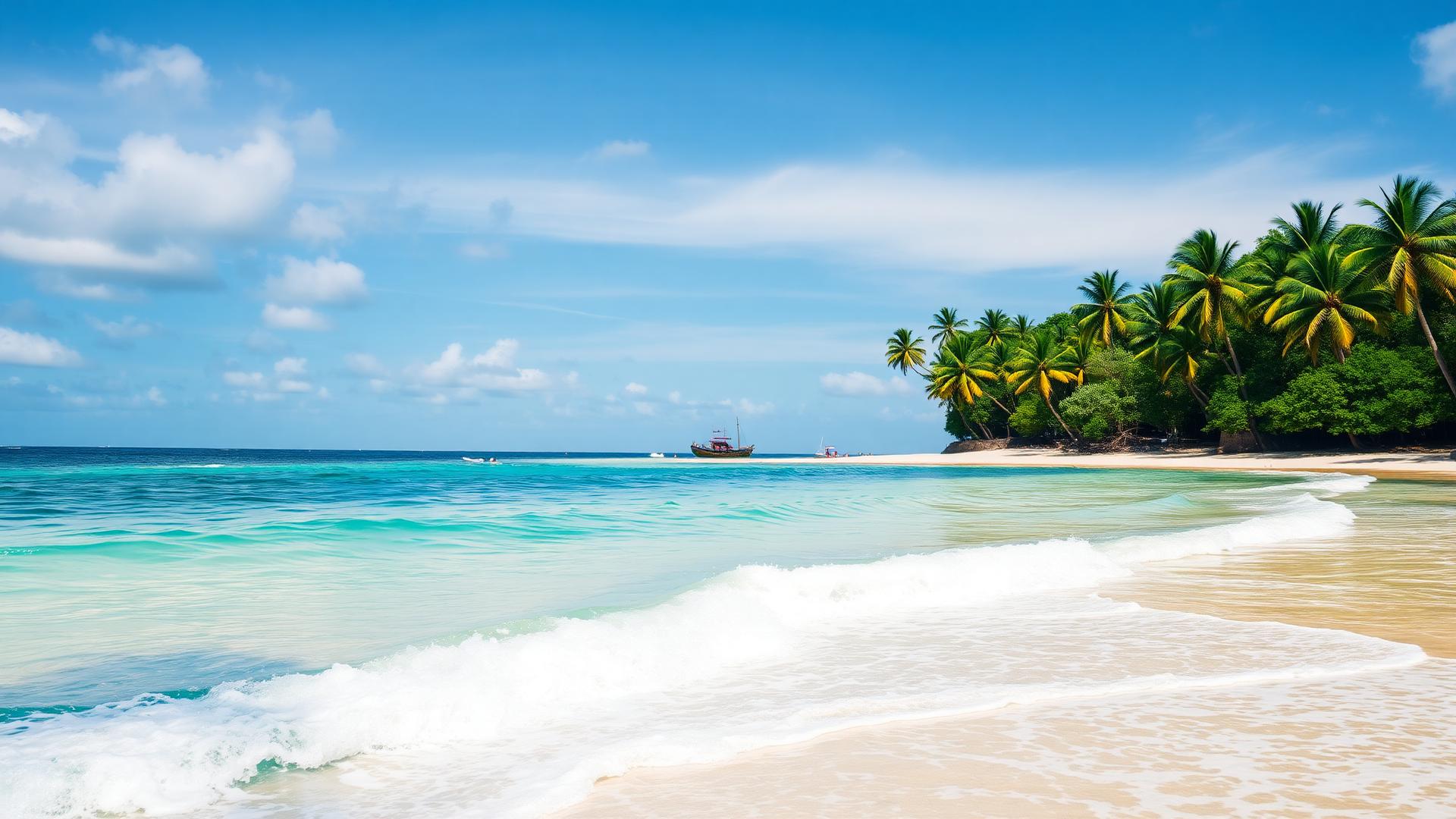
⭐ 2. Kalim Beach, Phuket — The Reef Break
Just north of Patong, Kalim Beach offers Thailand's most challenging wave — a reef break that produces fast, hollow rights when the swell pushes above 4 feet. This is where Phuket's experienced surfers congregate.
Why it's great:
- Powerful reef break with hollow sections
- Less crowded than Kata
- Rewards intermediate-to-advanced surfers
Skill Level: Intermediate → Advanced
⭐ 3. Surin Beach, Phuket — The Locals' Pick
Surin Beach picks up the same monsoon swells as Kata but with fewer crowds and a more local atmosphere. The beach break here produces fun, punchy waves that work on most tides.
Highlights:
- Consistent beach break with good shape
- Strong local surf community
- Upscale dining options nearby
⭐ 4. Khao Lak — The Andaman Discovery
About 90 minutes north of Phuket, Khao Lak's coastline receives clean, uncrowded swells that most tourists never see. Multiple beach breaks stretch along this less-developed coast, offering empty lineups and raw Andaman beauty.
Why surfers love it:
- Uncrowded waves — often empty lineups
- Multiple breaks along a long coastline
- More affordable than Phuket
- Gateway to Similan Islands for post-surf diving
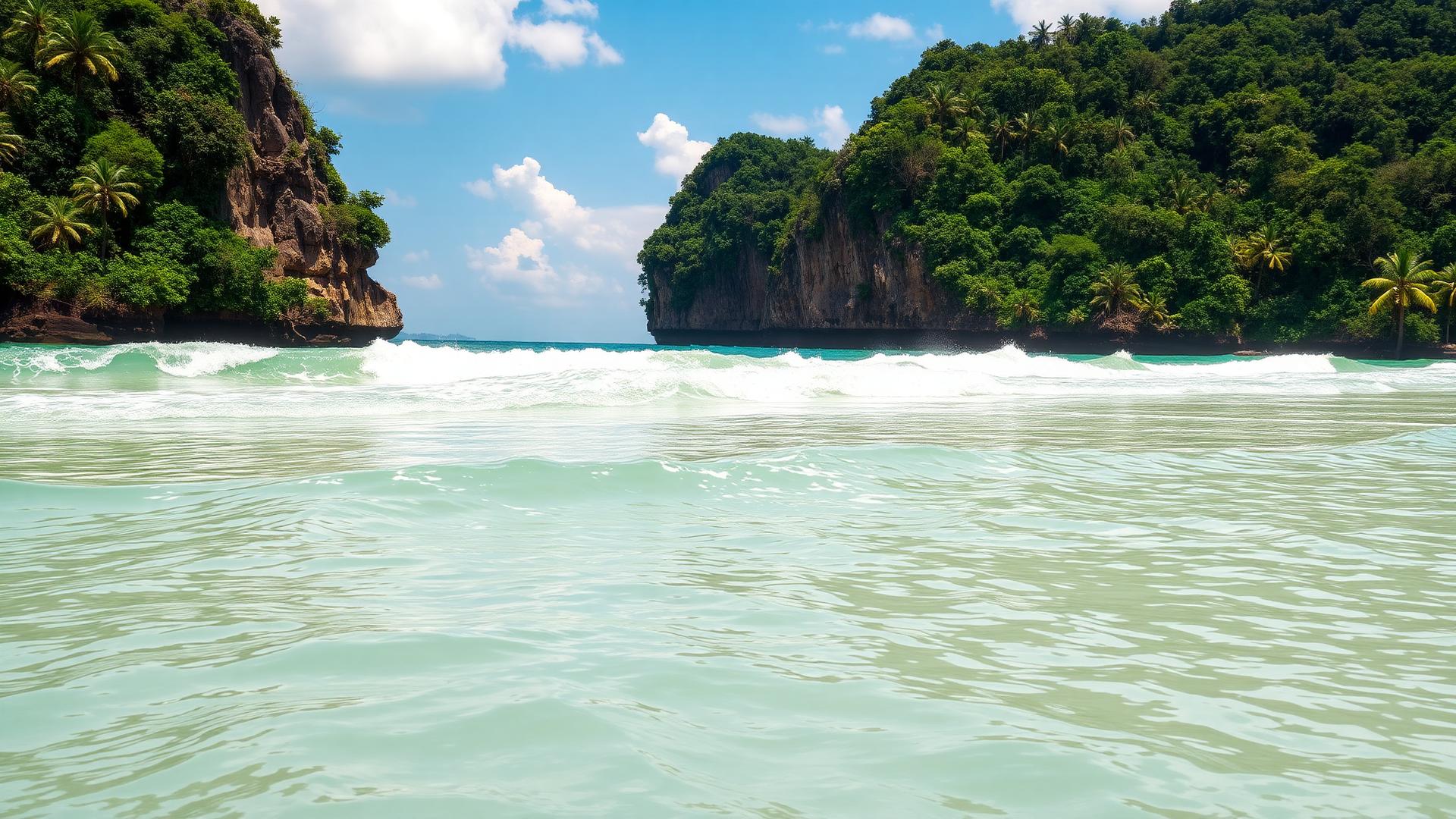
⭐ 5. Bang Tao Beach, Phuket — The Long Paddle
One of Phuket's longest beaches, Bang Tao offers multiple peaks spread along its 6-kilometer stretch. Sandbars shift regularly, creating new breaks after each swell cycle.
Best for: Longboarding, beginners seeking space, finding your own peak
🌊 Seasonal Surfing Conditions
Thailand's surf season is entirely monsoon-driven:
| Season | Months | Conditions |
|---|---|---|
| Peak Surf | June–September | Consistent 3–6 ft swells, warm water, afternoon offshore winds |
| Shoulder | May, October | Building/fading swells, less consistent, fewer crowds |
| Flat | November–April | Calm seas, no surf — peak tourist/diving season |
🤙 Local Surf Culture
Thailand's surf scene is young but passionate. The Phuket Boardriders Club organizes competitions and beach cleanups. Most breaks have a welcoming, non-localized vibe — a stark contrast to more established surf destinations. Thai surf instructors are patient, affordable (lessons start around $15–20 for 90 minutes), and genuinely stoked to share waves with visitors.
✈️ How to Get There
Fly into Phuket International Airport (HKT), which receives direct flights from Bangkok, Singapore, Kuala Lumpur, and many Asian and European cities. From the airport, Kata Beach is about 45 minutes south by taxi. For Khao Lak, hire a driver or arrange a shuttle from the airport — the journey takes about 90 minutes north.
🏨 Where to Stay & Eat
Budget: Surf hostels near Kata Beach start at $10–15/night with board storage. Khao Lak guesthouses run $15–25/night.
Mid-range: Boutique hotels along Kata and Surin beaches offer $40–80/night with pools and beach access.
Dining: Street food pad thai ($1–2), seafood restaurants ($5–15 per dish), and beachfront bars serving Chang and fresh coconuts. Post-surf massages run $8–12 for a full hour.
⚠️ Surf Safety in Thailand
- Red flags: Take warning flags seriously — monsoon swells generate strong rip currents
- Reef awareness: Kalim and some sections of Kata have shallow reef — wear booties
- Jellyfish: Box jellyfish are occasionally present — check local advisories
- Equipment: Rent soft-top boards for learning; bring reef-safe sunscreen