Cook Islands Travel Guide: Rarotonga, Aitutaki & the Remote Pacific
The Cook Islands offer the South Pacific's most intimate beach experience — from Rarotonga's reef-ringed shores to Aitutaki's legendary lagoon.
By BeachLoco Editorial
The Cook Islands exist in a category of their own. Fifteen islands scattered across two million square kilometers of South Pacific ocean, with a combined population smaller than a London suburb. This is the Pacific distilled to its essence: volcanic peaks wrapped in jungle, coral atolls barely rising above the waterline, and lagoons so luminous they seem to generate their own light. If Fiji is the Pacific for families and Bora Bora is the Pacific for honeymooners, the Cook Islands are the Pacific for travelers who value authenticity over infrastructure.
Self-governing in free association with New Zealand, the Cooks carry a distinct cultural identity — Polynesian at their core, with a New Zealand practicality that keeps things running smoothly without ever feeling over-developed. There are no international hotel chains, no traffic lights, and no pretension. What there is: some of the clearest water in the world, a lagoon (Aitutaki) that routinely tops global "best of" lists, and a pace of life so relaxed it recalibrates your internal clock within hours of arrival.
Who This Is Best For
Couples seeking an intimate, uncrowded alternative to Fiji or French Polynesia. Snorkelers wanting warm, crystal-clear lagoon water teeming with tropical fish. Cultural travelers drawn to authentic Polynesian communities, traditional dance, and Sunday hymn singing. Digital detox seekers — the outer islands have limited connectivity by design. Repeat Pacific visitors who've done Fiji and Bora Bora and want something less packaged.
Rarotonga: The Volcanic Heart
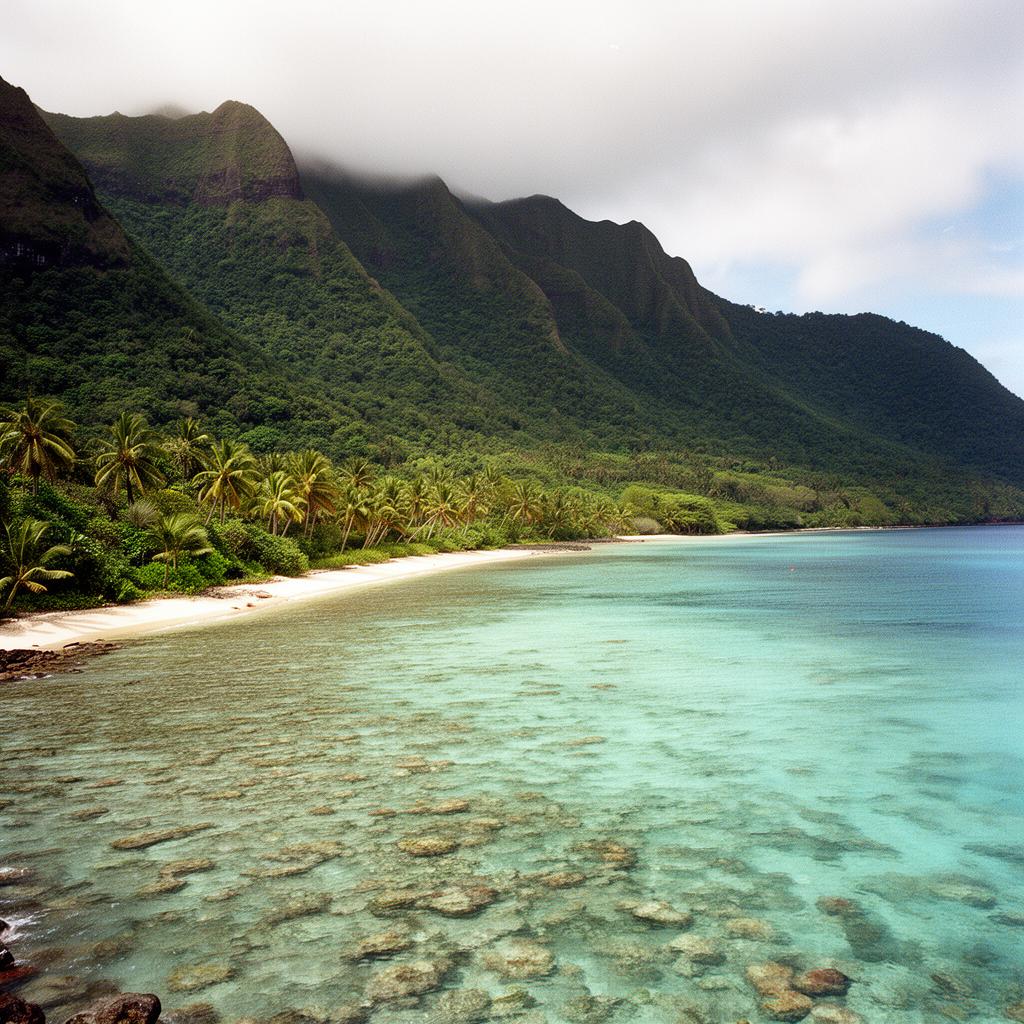
Rarotonga is the main island and arrival point — a compact volcanic cone wrapped in a fringing reef that creates a continuous lagoon around nearly the entire coastline. You can drive the 32-kilometer ring road in about 45 minutes, but the island rewards a slower pace. Muri Beach, on the southeast coast, is the signature swimming spot: a wide, shallow lagoon dotted with small motu (islets) that you can wade or kayak to at low tide.
The interior is as compelling as the coast. The Cross-Island Track — a moderately challenging hike through dense jungle to the base of Te Rua Manga (The Needle), a 413-meter volcanic spire — offers panoramic views of the reef and lagoon from the island's mountainous spine. The contrast between the lush, almost impenetrable interior and the bright, open lagoon shoreline gives Rarotonga a dimension that flat atoll destinations lack.
Saturday morning at Punanga Nui Market is the island's social and culinary hub — fresh tropical fruit, ika mata (raw fish in coconut cream), handmade pareos, and ukulele music. Sunday is for church; the Cook Islands' hymn singing tradition is extraordinary, and visitors are warmly welcomed to services where four-part harmonies fill coral-block churches across the island.
Aitutaki: The World's Most Beautiful Lagoon
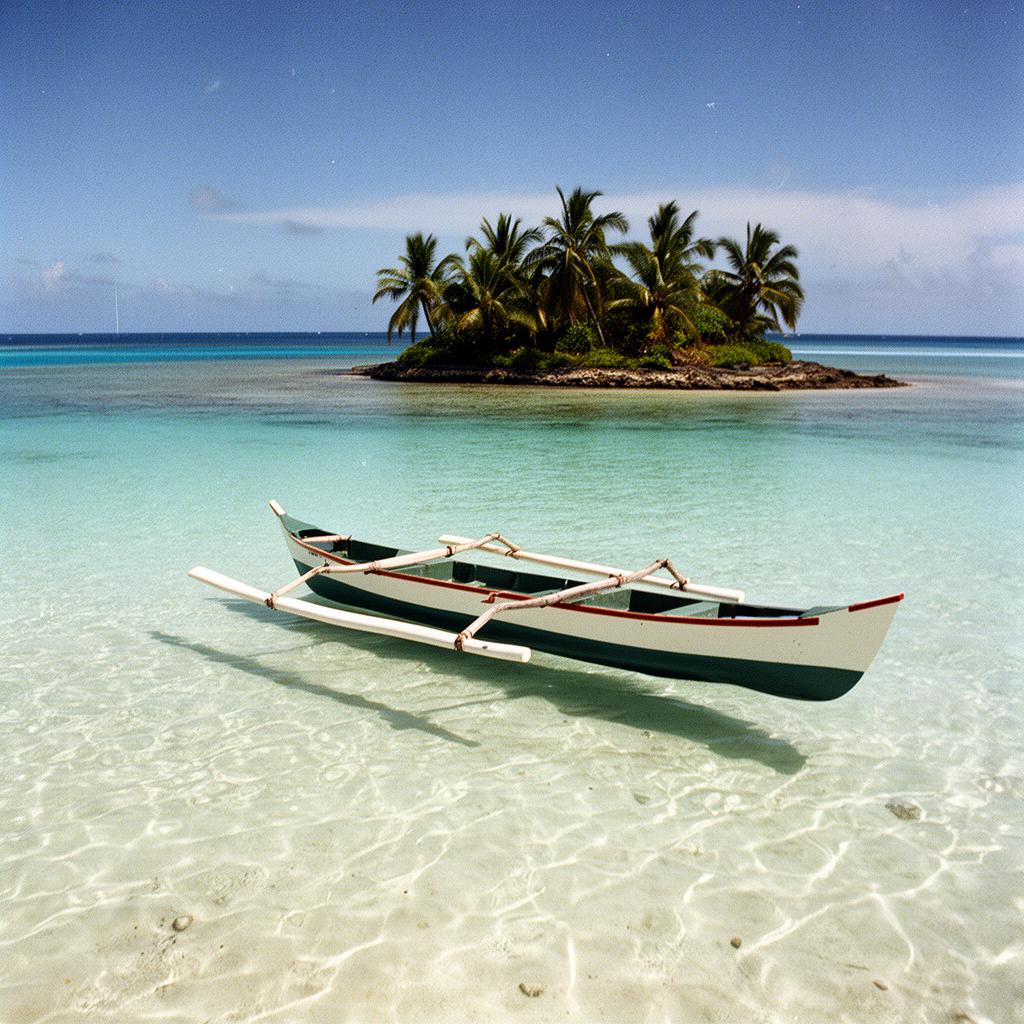
Aitutaki's lagoon is the reason most travelers come to the Cook Islands, and it delivers on every promise. A triangular reef encloses a vast, shallow lagoon dotted with 15 motu — small, palm-studded islets with beaches so white and water so clear that the scene looks computer-generated. One Foot Island (Tapuaetai), accessible only by boat, is the lagoon's crown jewel: a tiny sandbar where the post office will stamp your passport with a footprint-shaped seal.
The lagoon cruise is the essential Aitutaki experience — a full day spent island-hopping by boat, snorkeling in the lagoon's warm, fish-filled waters, and picnicking on deserted motu. Giant trevally and Napoleon wrasse patrol the deeper channels, while the shallows host parrotfish, butterflyfish, and the occasional green sea turtle. The water's clarity is staggering — you can see your shadow on the sand in three meters of water.
Aitutaki is small and quiet, with a permanent population of around 1,800. There are no resorts over five rooms, no nightclubs, and no chain restaurants. Dinner is often a "Island Night" at your guesthouse: a traditional umu feast (earth oven cooking) followed by energetic Polynesian dance performances. This is the Pacific at its most authentic — luxury defined by natural beauty rather than thread count.
The Outer Islands
Beyond Rarotonga and Aitutaki, the Cook Islands dissolve into one of the world's least-visited destination networks. Atiu, "the island of birds," is a raised coral atoll with caves, coffee plantations, and virtually no tourism infrastructure — visitors stay in family-run guesthouses and explore on foot. Mangaia, the oldest island in the Pacific (18 million years), offers dramatic makatea (raised coral) cliffs and caves but requires genuine adventurousness.
The Northern Group — Manihiki, Penrhyn, Suwarrow — are among the most remote inhabited places on Earth. Suwarrow, a national park atoll, is accessible only by yacht and remains uninhabited except for a single park ranger during sailing season. These aren't destinations for casual tourists, but for travelers who define paradise as genuine isolation, they represent the ultimate hidden gem.
Best Time to Visit
April to November is the dry season — warm (22–26°C), less humid, and the best lagoon conditions. July to September is peak season with the driest weather and humpback whale sightings around Rarotonga. December to March is hotter (28–30°C) and wetter, with cyclone risk, but also the quietest and cheapest period. Water temperatures stay between 24–28°C year-round, making the lagoons swimmable in any month.
Where to Stay
Muri Beach (Rarotonga) for the best lagoon swimming and the widest selection of accommodation. Aroa Beach or Titikaveka for quieter, more secluded alternatives on Rarotonga's south coast. Aitutaki — any lagoon-facing property will deliver exceptional views; Aitutaki Lagoon Private Island Resort offers the most luxurious option. For budget travelers, Rarotonga's backpacker lodges and self-catering villas offer genuine value.
Travel Tips
Air New Zealand flies direct from Auckland (3.5 hours) and Los Angeles (seasonal). The Rarotonga–Aitutaki flight takes 45 minutes and should be booked well ahead — there are limited daily seats. Rent a scooter on Rarotonga (no car needed). Bring cash — ATMs exist but credit cards aren't universally accepted, especially on Aitutaki. The Cook Islands use the New Zealand dollar. Reef shoes are essential for lagoon walking. Don't miss an Island Night cultural performance — and if you're there on a Sunday, attend a church service for the most beautiful choral singing in the wider Pacific.
Discover more hidden gem beaches and remote island destinations.