Fishing Charters in Myrtle Beach — Offshore & Inshore Trips
Book fishing charters along the Grand Strand for Gulf Stream action, nearshore trolling, and inshore creek fishing.
By BeachLoco Editorial Team
Overview
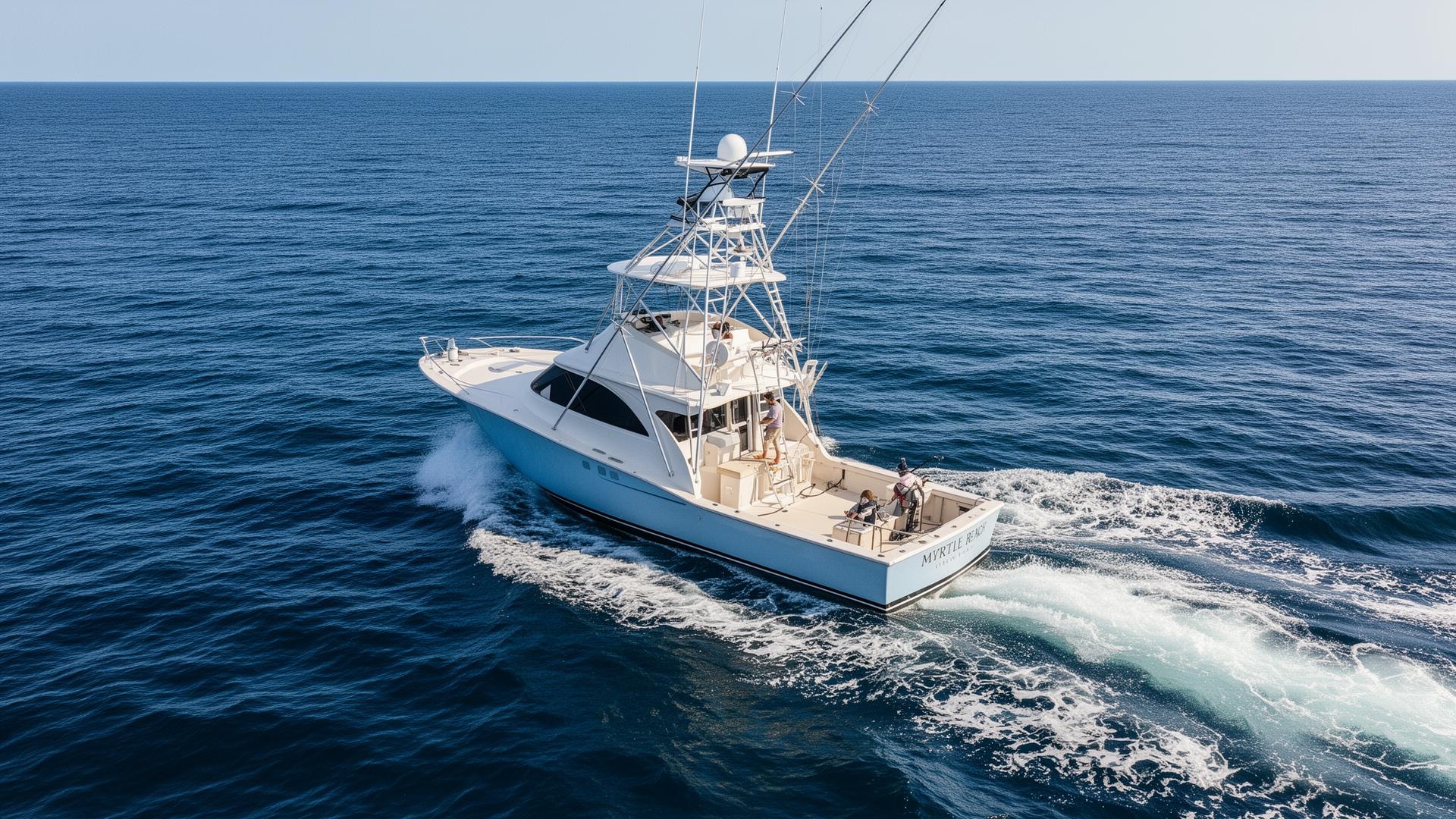
Myrtle Beach offers some of the most accessible and productive fishing charter experiences on the Atlantic coast, with a fleet that caters to everyone from first-time anglers to seasoned tournament competitors. The Grand Strand's position along the South Carolina coast provides access to diverse fishing grounds — from the nearshore reefs and wrecks within sight of the beach to the deep waters of the Gulf Stream 50 to 60 miles offshore. The charter industry here combines Southern hospitality with serious fishing expertise.
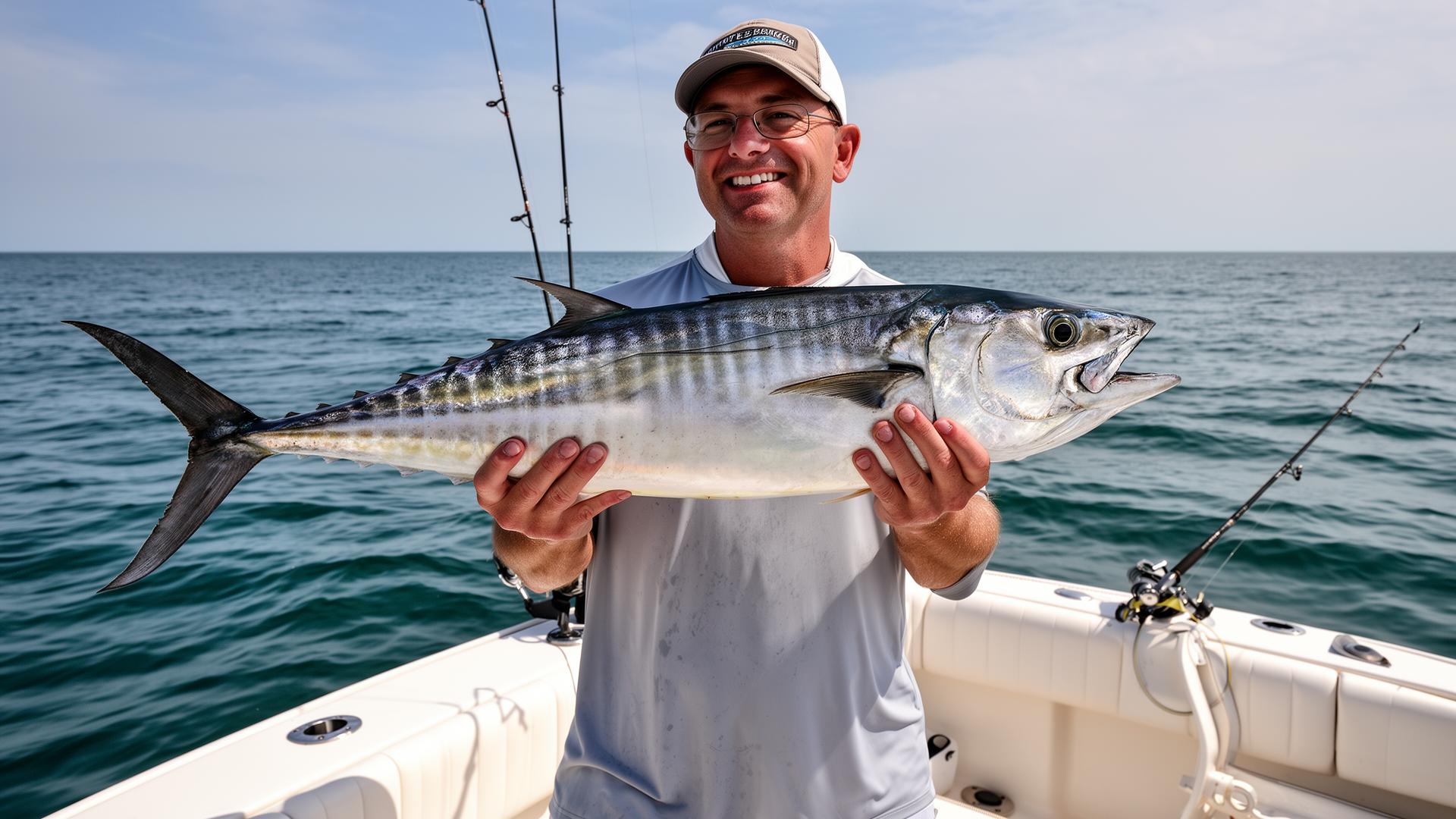
The waters off Myrtle Beach benefit from the convergence of warm Gulf Stream currents and cooler nearshore waters, creating productive feeding zones that support a remarkable variety of game fish. Whether you are looking for a family-friendly half-day trip catching sea bass and flounder or a hardcore offshore run targeting yellowfin tuna and blue marlin, the Myrtle Beach charter fleet has you covered.
Why Myrtle Beach Fishing Charters Are Popular
Myrtle Beach's fishing charter scene thrives on accessibility and value. Compared to South Florida or Northeast destinations, charter rates here are notably more affordable while the fishing quality remains excellent. This value proposition makes Myrtle Beach particularly attractive for families wanting to introduce children to fishing and for groups looking to add an on-the-water experience to their beach vacation without a massive financial commitment.
The charter fleet operates primarily out of Little River, Murrells Inlet, and Georgetown — three distinct ports that each offer different advantages. Little River, near the North Carolina border, provides quick access to productive nearshore reefs and the famous "Horseshoe" area. Murrells Inlet, the self-proclaimed Seafood Capital of South Carolina, offers the most picturesque setting with its marsh-lined channel. Georgetown, at the southern end of the Grand Strand, accesses unique inshore fisheries in Winyah Bay and the Santee River delta.
The variety of fishing styles available from Myrtle Beach is genuinely impressive. Inshore fishing in the tidal creeks and marshes produces flounder, red drum, and speckled trout. Nearshore trips target king mackerel, Spanish mackerel, cobia, and sharks. Offshore ventures reach the Gulf Stream for dolphin, tuna, wahoo, and billfish. Bottom fishing on the many natural and artificial reefs produces grouper, snapper, and triggerfish in impressive quantities.
What Makes Myrtle Beach Fishing Unique
The artificial reef program off the Grand Strand is one of the most extensive on the East Coast, with hundreds of deployed structures creating a network of fish-attracting habitat from nearshore waters out to the continental shelf. These reefs — built from everything from decommissioned ships to concrete rubble — concentrate fish in predictable locations that experienced captains know intimately. The result is consistently productive fishing even during periods when natural structure might be less active.
The inshore fishery in the vast marsh systems behind the barrier islands deserves special recognition. The tidal creeks from Little River to Georgetown harbor populations of red drum, flounder, and speckled trout that provide world-class light-tackle sight-fishing opportunities. Fall red drum fishing, when schools of bull reds gather in the inlets, is a particularly exciting experience — these are powerful fish of 20 to 40 pounds that test both tackle and angler in strong tidal currents.
King mackerel fishing is another Myrtle Beach specialty. The annual king mackerel migration brings these fast, aggressive fish within range of nearshore boats from spring through fall, and the numerous fishing tournaments targeting kings create an exciting competitive atmosphere at the docks. The Grand Strand's king mackerel tournaments are legendary on the tournament circuit and attract top anglers from across the Southeast.
Best Time to Visit
Spring (April-June) brings warming waters and increasing activity across all fisheries. King mackerel arrive in April, cobia appear in May, and the offshore dolphin bite kicks into gear by June. Inshore fishing for flounder and red drum improves steadily through spring as water temperatures rise. This is an excellent time for variety, as the transition between winter and summer patterns means multiple species are available simultaneously.
Summer (July-September) is peak season for offshore fishing, with Gulf Stream trips producing dolphin, yellowfin tuna, wahoo, and occasional billfish. Nearshore king mackerel fishing remains strong, and the shark fishing can be exceptional, with large bull sharks, spinner sharks, and blacktip sharks prowling the nearshore waters. Evening trips for Spanish mackerel and bluefish offer affordable fun for families.
Fall (October-November) is considered by many local captains to be the best overall fishing period. The fall bait migration concentrates game fish along the beaches, producing incredible action for king mackerel, false albacore, and bluefish from shore-visible distances. Bull red drum fishing in the inlets reaches its peak, and offshore trips benefit from cooperative weather and actively feeding fish. For more Atlantic coast fishing, see our guides to Miami Beach charters and Key West charters.
Nearby Beaches and Attractions
The Grand Strand offers 60 miles of sandy beach, providing ample room for non-fishing days. North Myrtle Beach and Cherry Grove offer a quieter beach experience, while the central Myrtle Beach boardwalk area provides entertainment, dining, and attractions. Huntington Beach State Park to the south offers pristine natural beach with excellent shelling and bird watching.
Brookgreen Gardens, a world-class sculpture garden and nature preserve near Murrells Inlet, provides a cultured counterpoint to the beach and fishing. The former rice plantation features remarkable outdoor sculpture, formal gardens, and a Lowcountry zoo. It is one of the most impressive cultural attractions on the East Coast and makes an excellent non-fishing day activity. Browse our best beaches in Myrtle Beach guide for shoreline recommendations.
Georgetown, at the southern end of the Grand Strand, offers one of the best-preserved historic waterfronts in South Carolina. The Front Street district features antique shops, galleries, and restaurants in restored 18th-century buildings. Georgetown is also the gateway to the ACE Basin, one of the largest undeveloped estuaries on the East Coast, offering kayaking, bird watching, and eco-tours through pristine marsh environments.
Where to Stay
For anglers focused on offshore fishing, staying near Little River puts you closest to the largest concentration of charter boats and the quickest access to deep water. Several comfortable hotels and rental properties in the Cherry Grove area combine beach access with proximity to the Little River fleet. The restaurants along the Little River waterfront are excellent for post-fishing seafood dinners.
Murrells Inlet makes an ideal base for anglers who want to combine fishing with the Grand Strand's best dining scene. The Marshwalk district offers waterfront dining at a dozen restaurants, and the inlet's charter fleet specializes in both inshore and nearshore trips. Several vacation rental properties along the inlet provide dock access for private boats. For lodging options, see our luxury resorts in Myrtle Beach guide.
Central Myrtle Beach offers the most accommodation options and entertainment for families combining fishing with a broader beach vacation. The Market Common district provides an upscale neighborhood with excellent restaurants and shops. From central locations, both Little River and Murrells Inlet are within 30 minutes, making either fleet accessible for day trips.
Local Tips
The headboat (party boat) fleet operating from Little River and Murrells Inlet offers an excellent budget alternative to private charters. These large vessels carry 30 to 60 passengers on half-day and full-day trips to nearshore reefs, providing all tackle and bait. The catch rates for sea bass, triggerfish, and vermillion snapper are often impressive, and the social atmosphere makes these trips particularly fun for groups and families.
If you are targeting king mackerel, ask your captain about slow-trolling live bait versus high-speed trolling with artificial lures. Both techniques are effective, but live-bait fishing tends to produce larger fish while artificial trolling covers more water. The best captains are proficient in both methods and will adjust strategy based on conditions and fish behavior.
Bring layered clothing even in summer, as early morning boat rides can be surprisingly cool and the wind on the water drops temperatures significantly. A light waterproof jacket is essential year-round, as afternoon rain showers are common during summer months. Waterproof bags for electronics and personal items are strongly recommended.
Several fish markets and restaurants in Murrells Inlet will clean and prepare your catch for a small fee. Having your fresh-caught fish filleted at the dock and then prepared at a nearby restaurant is one of the great pleasures of a Myrtle Beach fishing trip. Ask your captain for recommendations — they typically have established relationships with the best local fish houses.