How to Photograph Beaches Like a Pro: Camera Settings & Composition Tips
Capture stunning beach photos with our expert guide to camera settings, lighting, composition, and editing techniques. Turn your beach vacation into a professional portfolio.
By BeachLoco Editorial Team
Beach photography offers endless creative opportunities—golden hour light, dramatic waves, vibrant sunsets, and tropical landscapes. Whether you're using a smartphone or professional camera, mastering a few key techniques transforms ordinary vacation snapshots into gallery-worthy images that capture the magic of coastal destinations.
Best Times for Beach Photography
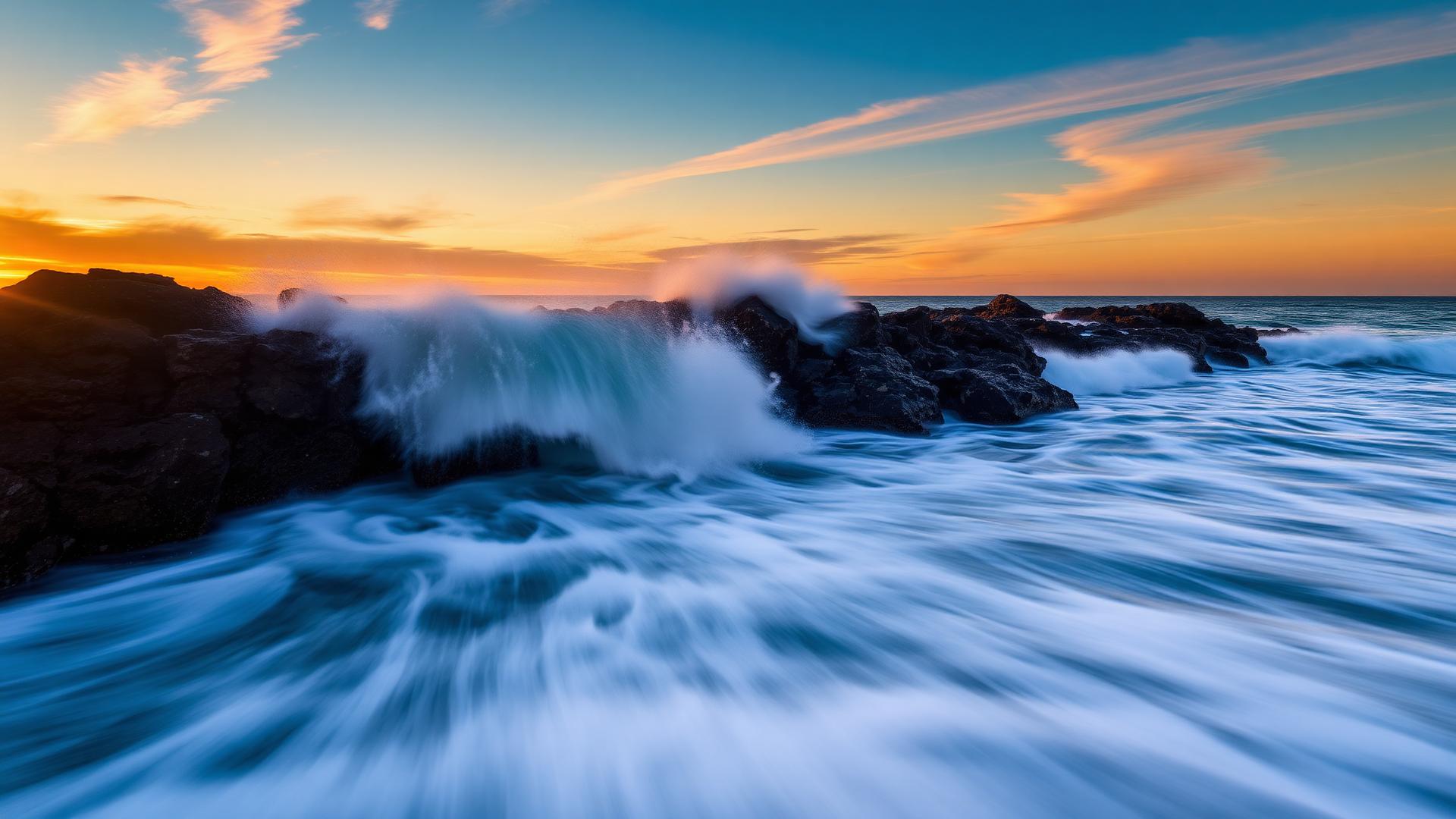
The golden hour—the first hour after sunrise and last hour before sunset—provides the most flattering light for beach photography. Soft, warm light creates long shadows, rich colors, and dimensional depth impossible to achieve during midday. In destinations like Santorini or Maldives, sunrise often offers emptier beaches and mirror-like water conditions.
Blue hour, the twilight period just before sunrise and after sunset, produces ethereal, moody images with deep blue skies. This timing works beautifully for long exposures of waves and coastal cityscapes. Avoid harsh midday sun (10 AM - 3 PM) when possible—shadows become unflattering, colors wash out, and contrast becomes extreme.
Essential Camera Settings
For bright beach conditions, start with these baseline settings: ISO 100-200 for clean images, aperture f/8-f/11 for sharp landscape focus, and shutter speed 1/250 or faster to freeze action. Beach light is intense—underexpose slightly (use exposure compensation -0.3 to -0.7) to preserve highlight detail in bright sand and water.
Use your camera's histogram to check exposure. The graph should show data across the full range without clipping at either end. Shoot in RAW format rather than JPEG to maximize editing flexibility—you can recover blown highlights and adjust white balance without quality loss.
Composition Techniques
The rule of thirds creates balanced, dynamic compositions. Position the horizon on the upper or lower third line, not in the center. Place points of interest—rocks, people, boats—at intersection points. Leading lines like shorelines, piers, or wave patterns draw viewers' eyes through your image.
Incorporate foreground elements for depth and scale. Shells, driftwood, rocks, or beach grasses in the foreground create layers and make viewers feel present in the scene. The pristine beaches of Seychelles offer incredible foreground opportunities with unique granite boulders and lush vegetation.
Working with Water
Fast shutter speeds (1/500 - 1/1000) freeze crashing waves and water splashes, creating dramatic action shots. Slow shutter speeds (1-5 seconds) blur water into smooth, misty flows—use a tripod and neutral density filter for daytime long exposures. Experiment with shutter speeds between 1/15 and 1/60 for partially frozen motion with some blur.
Polarizing filters are essential for beach photography. They reduce glare from water and wet sand, deepen blue skies, and reveal underwater details in shallow water. Rotate the filter while looking through your viewfinder to find the sweet spot—the effect is strongest at 90 degrees to the sun.
Capturing Sunsets and Sunrises
Arrive early to scout locations and set up. The best light often appears 20-30 minutes before/after the sun touches the horizon. Shoot bracketed exposures (multiple shots at different exposures) to ensure you capture the full dynamic range—you can blend these later or choose the best single exposure.
Include silhouettes for dramatic effect. Position subjects between your camera and the sun, meter for the bright sky, and let the foreground go dark. Palm trees, people, boats, or rock formations make compelling silhouettes. Coastal destinations like Key West are famous for spectacular sunset locations. For more Florida photography tips, check out our guide on Best Florida Beaches for Photography.
Smartphone Photography Tips
Modern smartphones produce excellent beach photos when used correctly. Clean your lens frequently—sand, spray, and sunscreen smudges ruin sharpness. Use your phone's HDR mode for high-contrast scenes, but turn it off for creative control over highlights and shadows.
Tap to focus and set exposure separately. After tapping to focus, slide your finger up/down to adjust exposure compensation. Lock exposure (AE/AF lock) before recomposing your shot. Use third-party camera apps like Halide or ProCamera for manual control over ISO, shutter speed, and focus.
Dealing with Beach Challenges
Protect your gear from sand and salt spray. Use UV filters on lenses for protection (not filtration), and change lenses in sheltered areas away from wind. Keep equipment in sealed bags with silica gel packets. After beach shooting, wipe gear with a slightly damp cloth to remove salt residue—never let salt sit on equipment overnight. This is especially important when photographing along the Gulf Coast, where fine sand can easily get into equipment.
Bring plenty of memory cards and batteries. Cold temperatures drain batteries faster, and hot beach conditions can also reduce battery life. Store spare batteries in an insulated case. Back up photos daily to cloud storage or a portable hard drive—don't risk losing irreplaceable vacation memories from places like Clearwater Beach or Destin.
Post-Processing for Impact
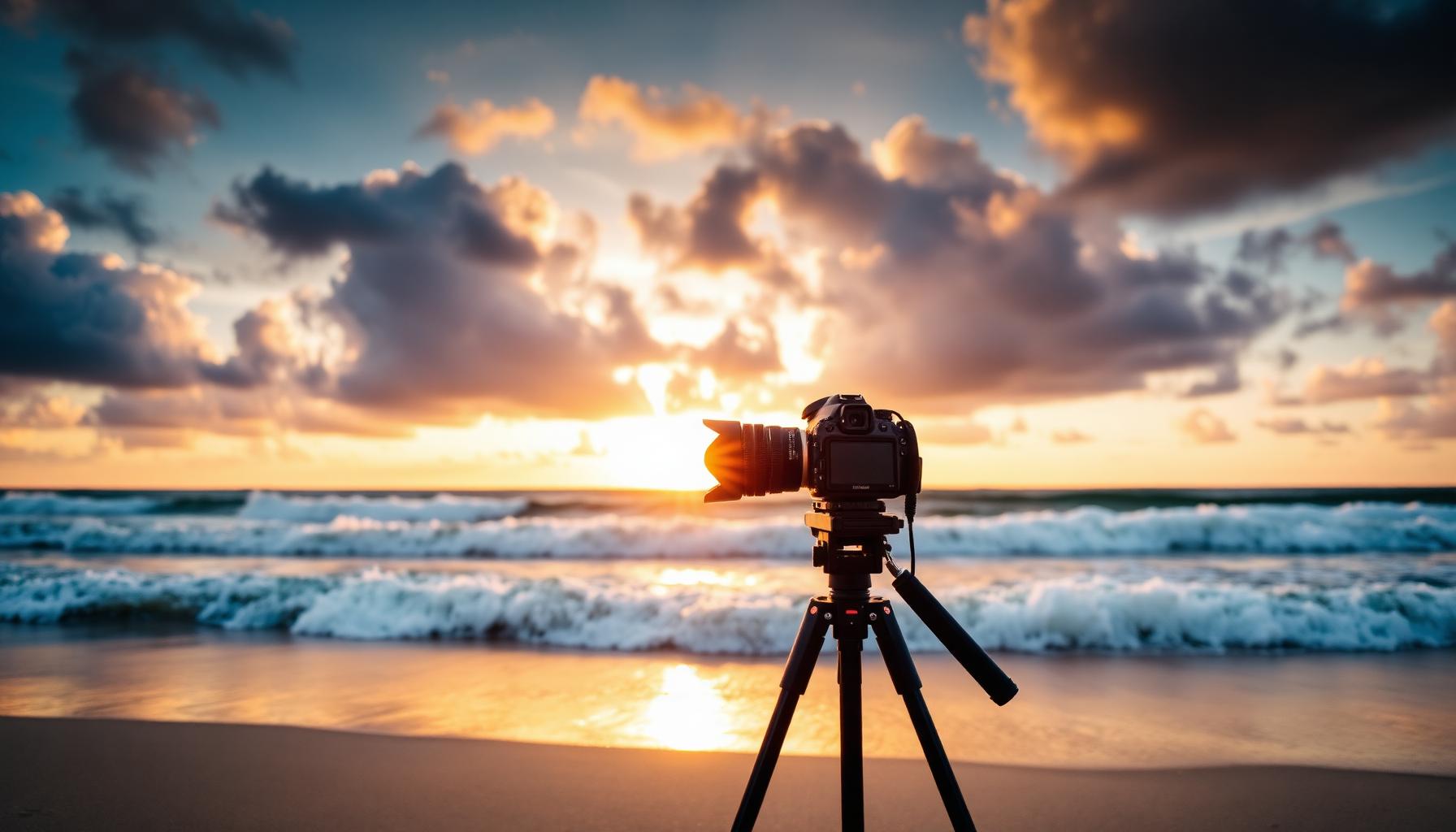
Basic adjustments dramatically improve beach photos. Increase vibrancy and saturation moderately to restore colors dulled by hazy beach atmosphere. Boost contrast and clarity for punchier images, but avoid overdoing it—maintain natural tones. Adjust white balance to remove blue or yellow color casts.
Use graduated filters in editing software to balance bright skies with darker foregrounds. Selective adjustments let you enhance specific areas—brighten eyes in portraits, deepen blue in water, or add warmth to sand. Apps like Lightroom Mobile, Snapseed, or VSCO offer powerful editing on phones.
Great beach photography combines technical skill with creative vision. Practice these techniques at stunning locations from Bali to the Bahamas, and you'll return from vacation with a portfolio you're proud to share. For gear recommendations and camera protection tips, check our Beach Packing Lists guide.