Hurricane Season Beach Vacations: Safe Destinations & Smart Planning
Plan safe beach vacations during hurricane season (June-November) at destinations outside hurricane zones, plus expert tips for weather monitoring and flexible booking.
By BeachLoco Editorial Team
Hurricane season (officially June 1 - November 30 in the Atlantic) doesn't eliminate beach vacation possibilities—it requires smarter destination selection and flexible planning. While Caribbean and Gulf Coast face storm risks, numerous world-class beaches remain safe, offering excellent weather and often better value during this shoulder season.
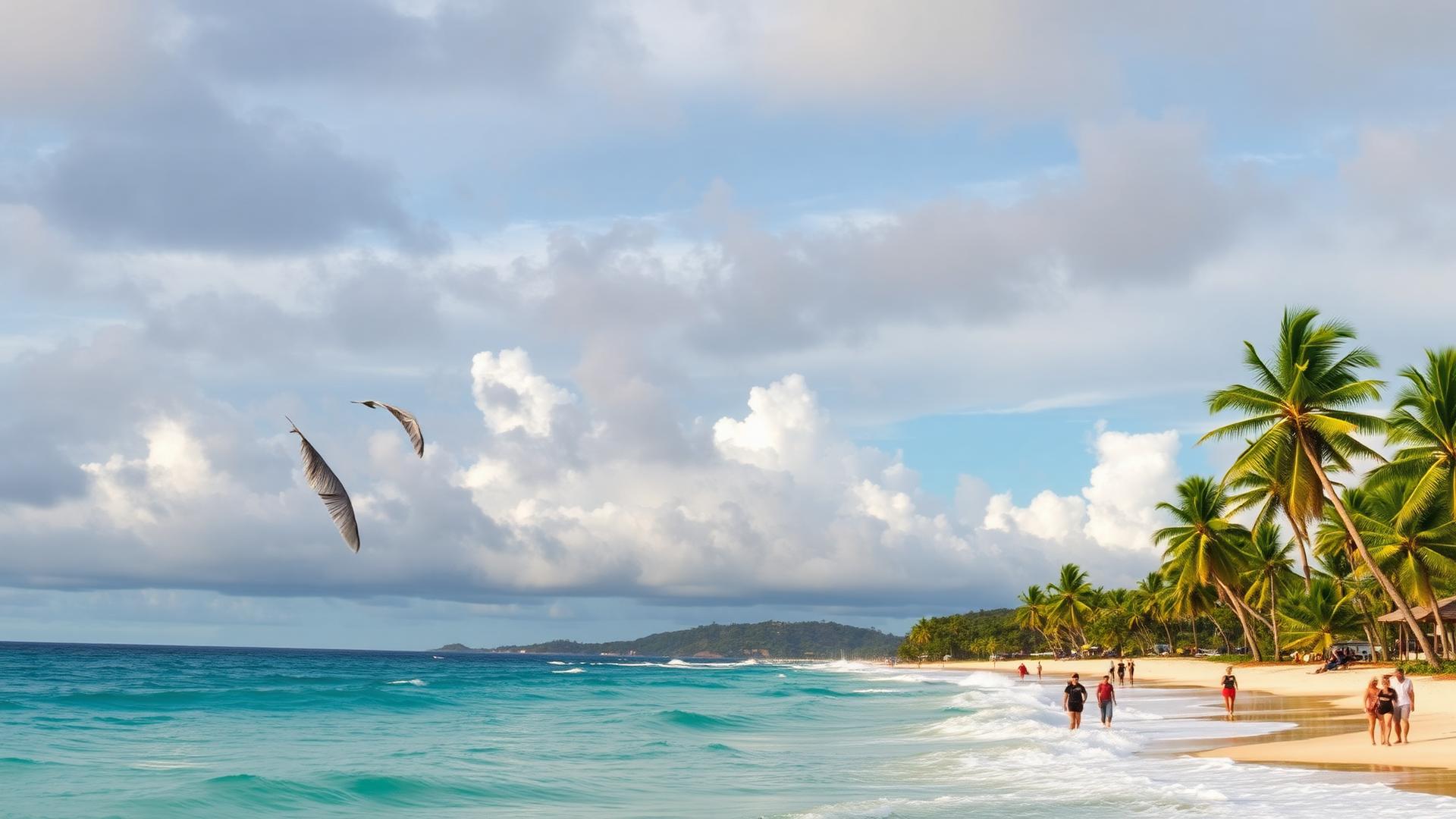
Destinations Outside Hurricane Zones
Aruba, Bonaire, and Curaçao—the ABC Islands—sit south of the hurricane belt, experiencing virtually no hurricane activity. These Dutch Caribbean islands offer consistent sunshine, warm temperatures, and calm seas year-round. Summer brings slightly higher temperatures (mid-80s) but also lower prices and smaller crowds than winter high season.
Brazil's northeast coast including destinations like Jericoacoara, Natal, and Porto de Galinhas lies too far south for Atlantic hurricanes. June-December represents dry season with warm weather, excellent wind for kitesurfing, and significantly lower costs than winter. Uruguay's coastal resorts like Punta del Este offer sophisticated beach experiences without hurricane concerns.
Pacific Coast Safety
Eastern Pacific hurricanes rarely affect coastal destinations. Los Cabos, Puerto Vallarta, and Mazatlán experience minimal hurricane impacts—tropical storms occasionally bring rain but serious hurricanes are rare. Summer brings warmer, more humid conditions but also dramatic savings (40-60% off winter rates).
Costa Rica's Pacific coast faces minimal hurricane threats. While summer brings afternoon rain showers (green season or "emerald season"), mornings typically feature sunshine perfect for beaches and activities. Wildlife viewing actually improves during rainy season with baby animals and nesting sea turtles.
Atlantic and Caribbean Smart Choices
Statistically, early June and late November present minimal hurricane risks—storms rarely form before mid-June or after mid-November. Barbados and Trinidad & Tobago sit at the southern edge of the hurricane belt, experiencing fewer direct hits than northern Caribbean islands.
Bermuda lies far north, with hurricane season peaking later (September-October) than Caribbean. Early summer (June-July) and late fall (November) offer excellent weather with minimal storm risks. Temperatures remain comfortable and water stays warm from summer heat.
Alternative Continents and Hemispheres
Mediterranean destinations experience peak summer June-August with hot, dry weather and calm seas—no hurricane concerns whatsoever. Greek islands, Croatian coast, Spanish costas, and Turkish Riviera deliver stunning beaches without weather anxiety.
Southeast Asia experiences different monsoon patterns. Thailand's Andaman coast (Phuket, Krabi, Phi Phi) has rainy season May-October, but Gulf coast (Koh Samui, Koh Phangan) enjoys great weather June-September. Bali has dry season May-October, perfectly aligned with Atlantic hurricane season.
Monitoring and Planning Strategies
Track tropical weather 5-7 days before departure using National Hurricane Center (nhc.noaa.gov), Weather Underground, or Windy.com. Modern forecasting provides 3-5 day advance warning for threatening storms. Many travelers successfully vacation during hurricane season by monitoring weather and being prepared for plan changes.
Book flexible cancellation accommodations and flights. Pay slightly more for refundable rates or travel insurance covering weather-related cancellations. Many hotels offer hurricane guarantees allowing cancellation or rescheduling if storms threaten. Airlines typically waive change fees for flights affected by hurricanes—monitor airline policies as storms develop.
Travel Insurance Considerations
Purchase "Cancel For Any Reason" (CFAR) travel insurance if worried about hurricanes. Standard policies only cover cancellations due to direct impacts—if you cancel because a storm might form, standard insurance won't reimburse. CFAR costs 40-60% more but provides 50-75% reimbursement for any cancellation reason.
Buy insurance immediately after booking—pre-existing condition exclusions and named storm exclusions kick in once storms are named. Insurance purchased before tropical depressions receive names provides full coverage. Consider policies covering trip interruption, not just cancellation—if storms strike mid-vacation, trip interruption coverage reimburses unused portions and additional costs returning home.
On-the-Ground Storm Preparation
If staying during tropical storm or hurricane warnings, move to interior rooms away from windows, maintain charged devices and batteries, stock water and non-perishable food, keep important documents in waterproof containers, and follow hotel staff instructions. Hotels in hurricane-prone regions have detailed protocols and experience managing storms.
Don't underestimate storms—respect evacuation orders and hurricane warnings. No vacation is worth risking safety. Most hurricanes provide adequate warning for safe departure. Airlines add extra flights and waive change fees before storms—rebook quickly as flights fill fast.
Silver Linings of Hurricane Season Travel
Dramatic savings make hurricane season attractive. Hotels, flights, and packages cost 30-70% less than winter high season. Properties offering $600+ winter rates drop to $200-300 in summer. Empty beaches and uncrowded attractions enhance experiences—popular restaurants take walk-ins, excursions have space, and beaches feel private.
Weather isn't constant rain and doom. Many days feature beautiful sunshine identical to winter weather. Brief afternoon showers are common but don't ruin days. Waters are warmest June-November after months of summer heating. Destinations like Turks & Caicos or Exumas offer 85-88°F water temperatures—warmer than winter's 78-80°F.
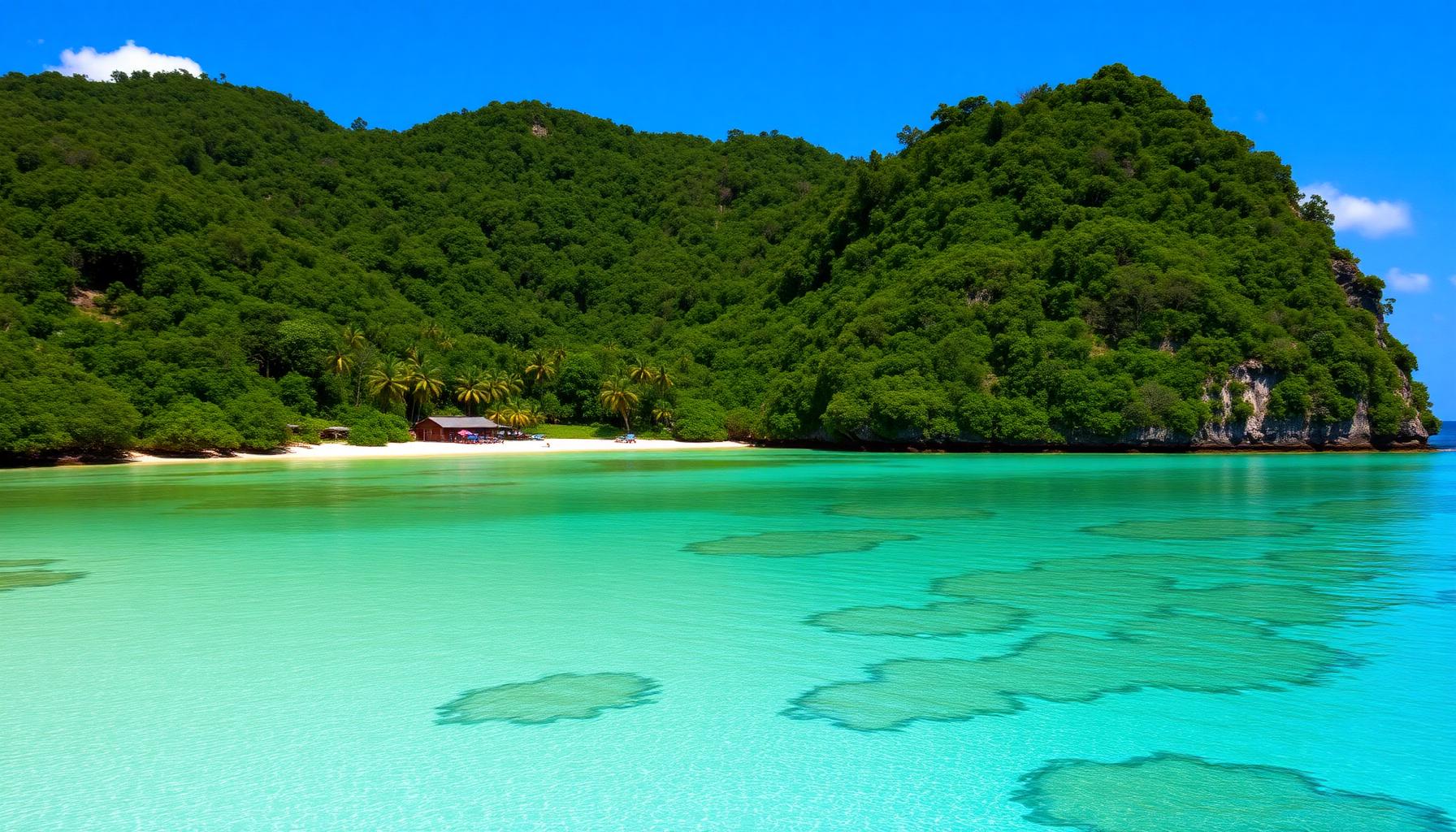
Best Hurricane Season Value Destinations
ABC Islands combine hurricane safety with excellent value. Summer rates drop significantly while weather remains consistently excellent. Aruba delivers sunshine, beaches, dining, and activities at 40% off winter prices without weather concerns.
Mediterranean destinations peak in summer—book early for July-August but find availability and good rates in June and September. Greek islands, Croatian coast, and Portuguese Algarve offer spectacular beaches without hurricane worries at any price point.
Pacific Mexico provides excellent summer value. Puerto Vallarta and Cabo slash rates despite beautiful weather and minimal storm risks. Humidity increases but ocean breezes moderate heat. Lower crowds mean better service, easier restaurant reservations, and uncrowded beaches.
Hurricane season doesn't eliminate beach vacations—it requires destination awareness and flexible planning. With proper preparation, monitoring, and smart destination choices, you can enjoy incredible beaches at substantial savings during summer and fall. For more seasonal planning strategies, explore our complete Seasonal Beach Guides. For budget-conscious travelers, check our Budget Beach Travel tips.