Outer Banks Travel Guide
Plan your Outer Banks adventure with this complete guide to OBX beaches, fishing, lighthouses, and driving routes along North Carolina's barrier islands.
By BeachLoco Editorial
Introduction
The Outer Banks — known locally as OBX — is a 200-mile ribbon of barrier islands off the coast of North Carolina. This is where the Wright Brothers first flew, where Blackbeard met his end, and where wild horses still roam free along untouched beaches. It's also one of the East Coast's most rewarding beach destinations, offering a rare combination of natural beauty, history, and genuine remoteness.
Unlike the crowded resort beaches further south, the Outer Banks rewards travelers who appreciate wide-open space, world-class fishing, and the kind of laid-back atmosphere that's increasingly hard to find along the Atlantic seaboard.
The Best OBX Beaches
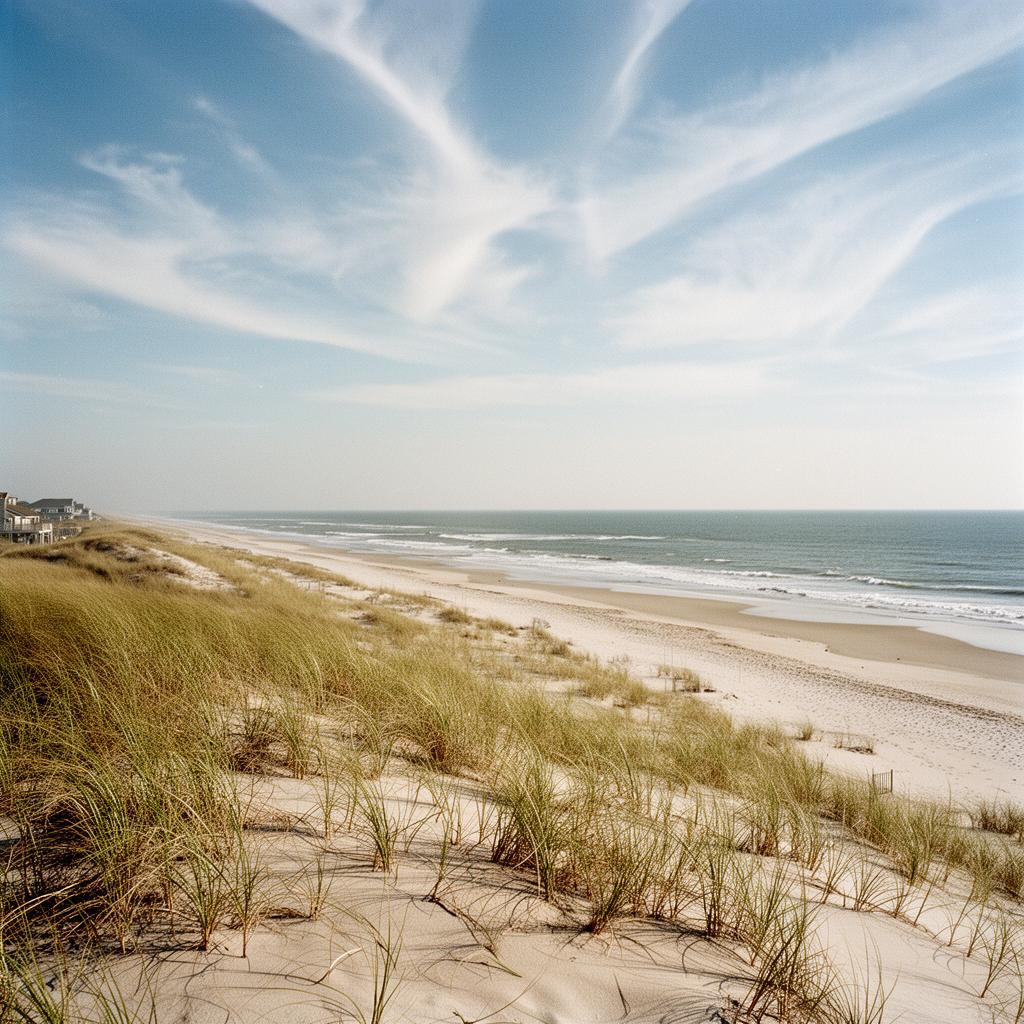
Cape Hatteras National Seashore is the crown jewel — 70 miles of protected beach with no high-rises, no boardwalks, and no crowds. The beaches here are wild and windswept, perfect for long walks, surf fishing, and watching storms roll in from the Atlantic.
Nags Head is the most accessible beach town, with a classic pier, reliable surf breaks, and easy access from the main highway. Jockey's Ridge State Park, home to the tallest living sand dune on the East Coast, sits just behind the beach.
Corolla at the northern end of the Outer Banks is famous for its wild Mustang horses. Four-wheel-drive access beyond the paved road leads to some of the most remote beaches on the entire East Coast.
Ocracoke Island, accessible only by ferry, offers the ultimate escape — a small village, a beautiful lighthouse, and miles of undeveloped beach. Explore all Outer Banks beaches to plan your itinerary.
Best for: Solitude, wild horses, surf fishing, lighthouse visits
Fishing on the Outer Banks
OBX is one of the premier fishing destinations on the Atlantic coast. The convergence of the Gulf Stream and the Labrador Current creates rich waters teeming with game fish.
Surf fishing is an Outer Banks tradition — red drum, bluefish, and flounder are caught right from the beach, especially during fall runs. Pier fishing at Jennette's Pier in Nags Head and Avalon Pier in Kill Devil Hills offers easy access for families and beginners.
Offshore charters departing from Oregon Inlet and Hatteras Village target blue marlin, yellowfin tuna, mahi-mahi, and wahoo from May through October. The Gulf Stream runs closer to shore here than almost anywhere else on the East Coast.
Historic Lighthouses
The Outer Banks is home to some of America's most iconic lighthouses, each marking the treacherous shoals that earned this coast the nickname "Graveyard of the Atlantic."
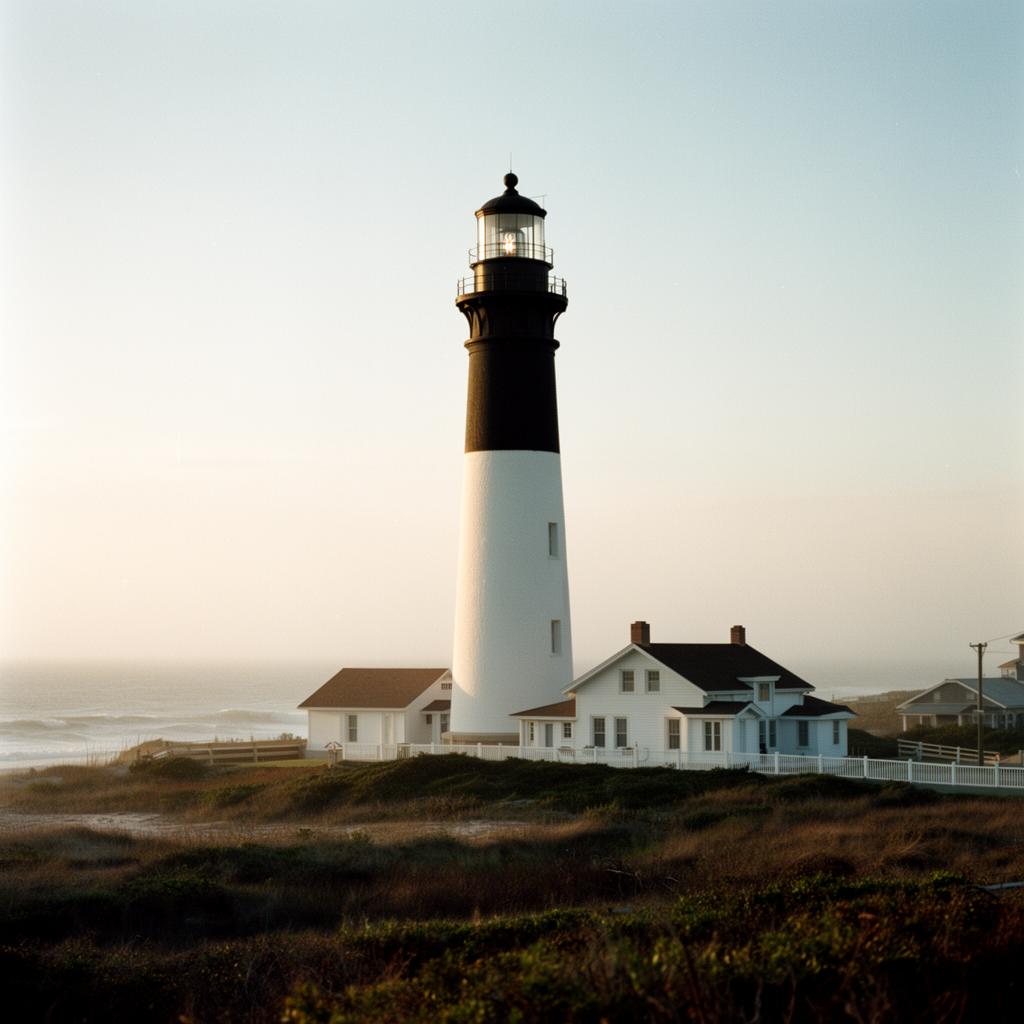
Cape Hatteras Lighthouse is the tallest brick lighthouse in North America at 198 feet. Climbing its 257 steps rewards visitors with panoramic views of the barrier islands. Bodie Island Lighthouse near Nags Head and Currituck Beach Lighthouse in Corolla are also open for climbing seasonally.
Ocracoke Lighthouse, the oldest operating lighthouse in North Carolina, adds historic charm to any visit to Ocracoke Island.
Driving the Outer Banks
NC Highway 12 is the lifeline of the Outer Banks, running the length of the barrier islands from Corolla to Ocracoke. The drive itself is part of the experience — ocean views, sound-side marshes, and small villages punctuate the route.
Key stops along the drive include the Wright Brothers National Memorial in Kill Devil Hills, Pea Island National Wildlife Refuge for birding, and the ferry crossing from Hatteras to Ocracoke (free, scenic, and approximately 60 minutes).
A four-wheel-drive vehicle is essential for accessing beaches north of Corolla and at Cape Point in Buxton.
Best Time to Visit
Summer (June–August) brings the warmest water and the biggest crowds, particularly in Nags Head and Kill Devil Hills. This is the best time for swimming, but expect higher accommodation prices.
Fall (September–November) is many locals' favorite season — and the Outer Banks is a highlight of our Best Beaches on the East Coast guide. It's also a season — warm air, fewer visitors, excellent surf fishing, and dramatic skies. Spring (April–May) offers wildflowers and mild temperatures before the summer rush.
Winter is quiet and windswept, ideal for storm-watching and off-season solitude, though many restaurants and shops close for the season.
Where to Stay
Vacation rental houses are the OBX standard — large oceanfront homes accommodate families and groups. Duck and Southern Shores are upscale and quiet. Kill Devil Hills and Nags Head offer the most dining and entertainment options. Hatteras Village and Ocracoke are best for fishing-focused trips and total relaxation.
Book well in advance for summer stays — popular weeks fill months ahead. Browse US Coastal destinations for more trip planning.
Frequently Asked Questions
Do I need a 4x4 on the Outer Banks?
A 4x4 is only necessary for driving on the beach or accessing the wild horse area north of Corolla. Standard vehicles are fine for all paved roads.
How do I get to Ocracoke Island?
Ocracoke is accessible by free ferry from Hatteras Village (no reservation needed) or by toll ferry from Cedar Island or Swan Quarter on the mainland (reservations recommended).
What is the best time for surf fishing on the Outer Banks?
Fall (October–November) is peak surf fishing season, with large red drum running along the beaches of Cape Hatteras National Seashore.