Solo Beach Travel Safety Guide: Complete Tips for First-Time Solo Travelers
Everything you need to know about staying safe while traveling alone to beach destinations, from pre-trip planning to on-the-ground precautions.
By Beach Explorer Team
Planning a Safe Solo Beach Trip
Traveling solo to beach destinations is one of the most rewarding experiences you can have, but it requires thoughtful preparation. This comprehensive guide covers everything from choosing your destination to handling unexpected situations, ensuring your solo beach adventure is memorable for all the right reasons.
Before You Go: Essential Pre-Trip Planning
Research Your Destination Thoroughly
Start by reading recent travel advisories and reviews from solo travelers. Government travel websites provide safety ratings, while travel forums and blogs offer ground-level insights. Pay attention to comments about walking at night, beach safety, and areas to avoid.
Check the political stability, crime statistics, and any cultural considerations that might affect solo travelers. Look for destinations with established tourism infrastructure—this typically means better emergency services and English-speaking assistance when needed.
Share Your Itinerary
Create a detailed itinerary including accommodation addresses, planned activities, and contact information. Share this with at least two trusted people at home. Set up regular check-in times—a simple "all good" text each evening provides peace of mind for everyone.
Use location sharing on your phone with a trusted contact. Apps like WhatsApp, Google Maps, and Find My allow real-time location sharing that can be crucial in emergencies.
Travel Insurance Is Non-Negotiable
Purchase comprehensive travel insurance that covers medical emergencies, evacuation, trip cancellation, and theft. Read the policy carefully—some exclude water sports or activities like jet skiing. Keep digital and physical copies of your policy number and emergency contact information.
For beach destinations, ensure your policy covers water-related activities and any adventure sports you might try, like surfing or snorkeling.
Choosing Safe Beach Destinations
When selecting a destination as a solo traveler, prioritize:
- Tourism infrastructure: Well-developed destinations have better emergency services, reliable transportation, and staff accustomed to helping international visitors
- Walkability: Being able to walk to beaches, restaurants, and accommodations reduces vulnerability
- Communication: Destinations where English is spoken or your language skills are sufficient for emergencies
- Reputation: Consistent positive reports from other solo travelers
- Connectivity: Reliable mobile data and WiFi for staying in touch and using maps
Recommended Safe Beach Destinations for Solo Travelers
Europe: The Algarve, Portugal consistently ranks among the safest destinations for solo travelers, with excellent infrastructure, English widely spoken, and a welcoming locals. Barcelona, Spain offers walkable beaches, world-class public transport, and a vibrant solo traveler scene. The Greek Islands provide island-hopping adventures with reliable ferry systems and friendly, tourism-oriented communities.
Asia-Pacific: Bali, Indonesia has one of the world's largest solo traveler communities, with countless cafes, yoga studios, and co-working spaces designed for independent visitors. Sydney, Australia offers English-speaking ease, stunning beaches like Bondi and Manly, and exceptional public safety standards.
Americas: Tulum, Mexico has become a hub for solo travelers seeking beach-meets-wellness experiences, with a strong backpacker infrastructure. Tamarindo, Costa Rica is known for its safety record, surf culture, and eco-tourism focus. For a more luxurious solo escape, Turks & Caicos offers pristine beaches with very low crime rates and excellent resort infrastructure.
Accommodation Safety for Solo Travelers
Choosing Where to Stay
Read recent reviews, specifically looking for comments from solo travelers. Note mentions of neighborhood safety, front desk availability, and secure room features. Hostels with female-only dorms, hotels with 24-hour reception, and guesthouses with good security reviews are all solid choices.
Book accommodations in central, well-traveled areas rather than isolated locations. Being near restaurants, shops, and other tourists means more people around and shorter walks after dark.
Room Security Basics
Upon arrival, test all locks and check that windows secure properly. Use the secondary lock (chain or deadbolt) whenever you're in the room. If your door doesn't have a secondary lock, a portable door lock or rubber door wedge provides extra security.
Use the room safe for valuables and documents. If there's no safe, keep important items with you or hidden in your luggage. Never leave valuables visible in your room when housekeeping will be entering.
Beach Safety When Traveling Alone
General Beach Precautions
Choose beaches with lifeguards and other visitors rather than isolated stretches. Swim during daylight hours and observe local warnings about currents and conditions. If you're unsure about water safety, ask lifeguards or local surf schools about the day's conditions.
Never swim alone in unfamiliar waters, especially if there's any current. Even confident swimmers can get into trouble with unexpected conditions. If you want to swim and you're alone, stay in shallow water near other beachgoers.
Managing Valuables at the Beach
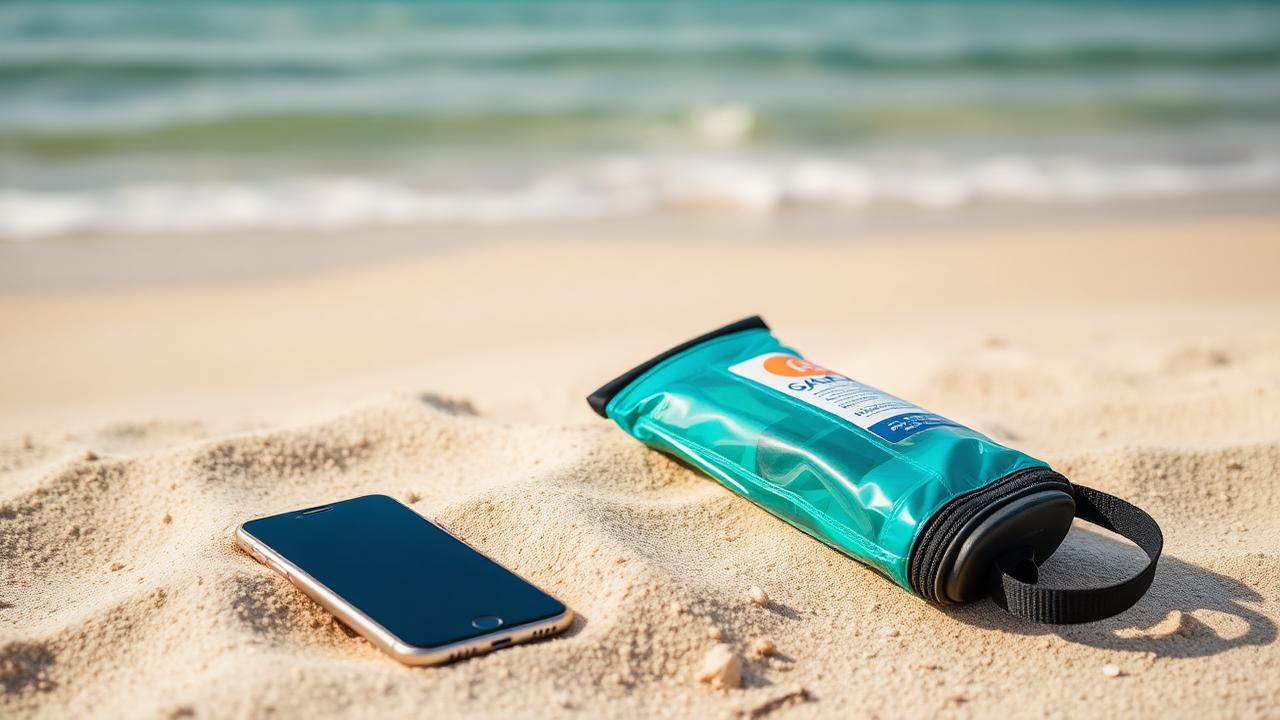
Bring only what you need. Leave expensive jewelry and unnecessary cards at your accommodation. Use a waterproof pouch for your phone and a small amount of cash. Some travelers bring a beach safe—a portable lockbox that can be secured to a beach chair or buried in sand.
When swimming, keep your belongings visible from the water. Take turns watching belongings if you've connected with other travelers. Many beach destinations have locker facilities available for rent.
Sun and Heat Safety
Solo travelers sometimes lose track of time on the beach. Set phone alarms to remind yourself to reapply sunscreen, drink water, and take shade breaks. Dehydration and heat exhaustion impair judgment—exactly what you don't want when traveling alone.
Nightlife Safety for Solo Beach Travelers
If you enjoy beach town nightlife, take extra precautions. Stick to well-lit, populated areas. Tell someone at your accommodation where you're going. Keep your phone charged and have a backup plan for getting home if your ride falls through.
Watch your drinks being poured and keep them in sight. Drink moderately—you need your wits about you more when traveling solo. Use ride-sharing apps rather than unmarked taxis, and always verify the car and driver match the app before getting in.
Technology and Apps for Solo Travel Safety
Essential Apps to Download
- Offline maps: Google Maps and Maps.me work offline when you download the region in advance
- Translation: Google Translate can work offline for text and includes camera translation for signs
- Location sharing: WhatsApp, Find My, or Life360 for real-time location sharing with trusted contacts
- Ride-sharing: Local apps like Grab (Asia), Uber, or Lyft for safe transportation
- Emergency information: Save local emergency numbers and your embassy's contact information
Staying Connected
Ensure you have reliable mobile data—either an international plan, local SIM card, or eSIM. WiFi-only is risky because you may need maps or ride-sharing apps exactly when you don't have WiFi access. Having working data is a safety essential, not a luxury.
What to Do If Something Goes Wrong
Lost or Stolen Documents
Keep digital copies of your passport, travel insurance, and credit cards in secure cloud storage. If your passport is lost or stolen, contact your embassy immediately. Having copies dramatically speeds up the replacement process.
Medical Emergencies
Know the local emergency number before you need it. Most beach destinations have clinics accustomed to treating tourists. Your travel insurance should have a 24-hour helpline that can direct you to approved medical facilities and handle payment authorization.
Trust Your Instincts
If a situation feels wrong, leave. Your instincts evolved to protect you. It's always better to be rude or overcautious than to override your gut feeling and end up in a bad situation. No photo, experience, or social obligation is worth compromising your safety.
Building Confidence as a Solo Traveler
Start with destinations that have strong tourism infrastructure and work your way up to more adventurous locations as your confidence grows. Each successful trip builds skills and judgment that make the next trip easier. The vast majority of solo beach trips are wonderful experiences—with proper preparation, yours will be too.