Toddler Beach Vacation Survival Guide: Making It Work with Little Ones
Beach vacations with toddlers can be magical or meltdown-filled. Our expert guide ensures success with timing, gear, activities, and realistic expectations.
By BeachLoco Editorial Team
Beach vacations with toddlers (ages 1-3) require different strategies than adult beach trips. Toddlers operate on their own schedules, have limited attention spans, sunburn easily, and test boundaries constantly. However, with proper planning and realistic expectations, toddler beach trips create beautiful memories and successful experiences for families discovering destinations like Clearwater Beach or Hilton Head.
Choosing Toddler-Friendly Destinations
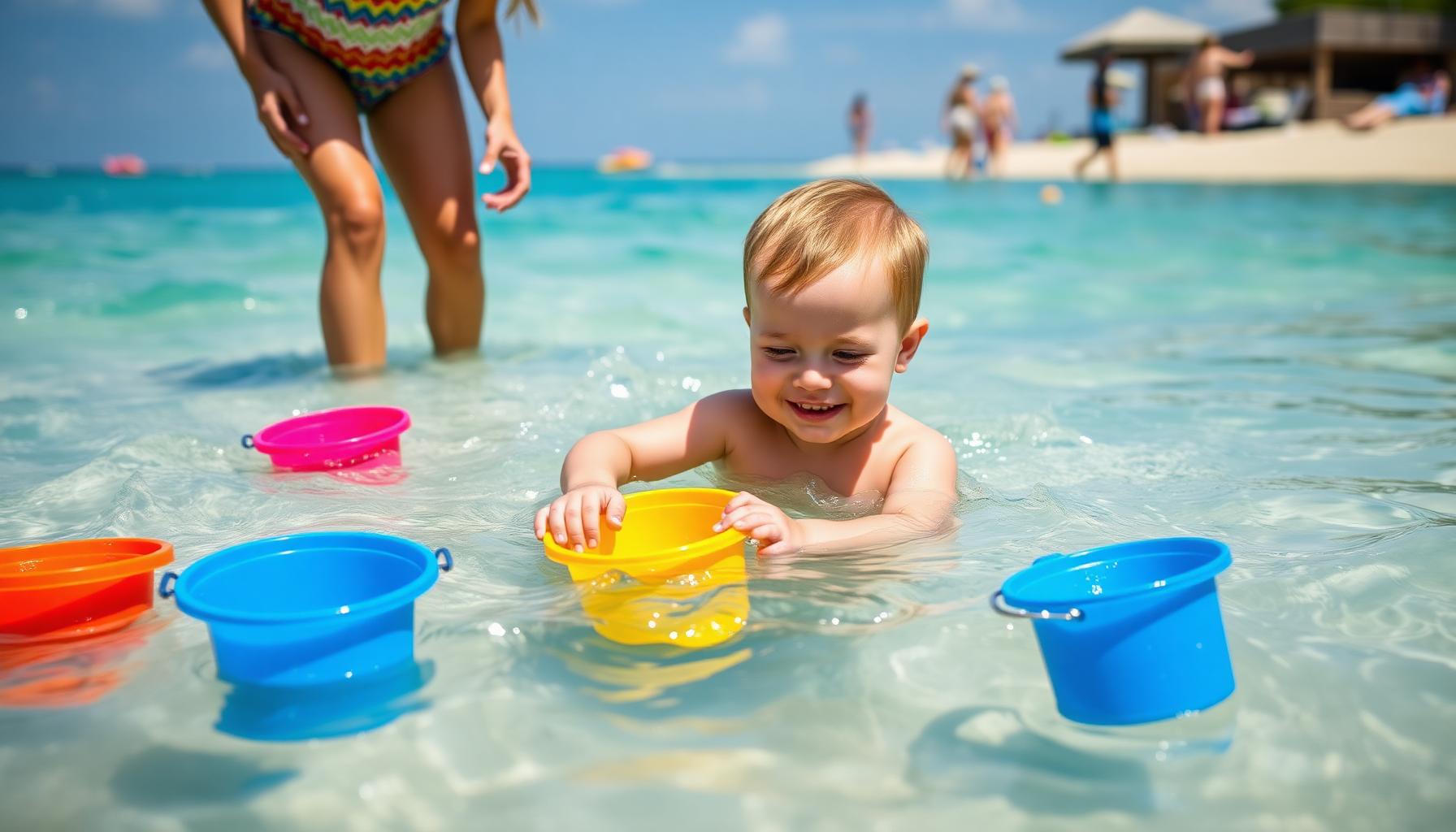
Calm, shallow water matters most for toddlers. Avoid destinations with strong waves, steep drop-offs, or dangerous currents. Gulf Coast beaches—Destin, Sanibel Island, Gulf Shores—offer gentle waves and gradual depth perfect for little ones. Outer Banks soundside beaches provide calm, shallow waters safer than oceanfront.
Short travel times prevent toddler meltdowns. Destinations within 2-3 hour flights or comfortable driving distance work best. Overnight flights sound appealing but often backfire—overtired toddlers arrive cranky and disrupt the first vacation days. Red-eye flights work for babies who sleep; toddlers typically don't.
Choose accommodations with kitchens and laundry. Toddlers eat frequently and messily—kitchens enable snacks, familiar meals, and bottle/sippy cup cleaning. Laundry handles the constant outfit changes from sand, spills, and accidents. Vacation rentals or suite hotels provide space for toddlers to move and parents to breathe.
Timing and Schedule Management
Respect toddler sleep schedules—seriously. Plan beach time around naps rather than forcing toddlers to abandon routines. Early morning beach sessions (7-10 AM) and late afternoon returns (4-7 PM) work well, protecting from peak sun hours and accommodating midday naps. Exhausted, overtired toddlers make everyone miserable.
Lower expectations dramatically. You won't spend six hours at the beach daily. Toddlers tire quickly, get overstimulated, and need breaks. Plan 2-3 hour beach sessions with pool time, indoor breaks, and flexible backup plans. Some days toddlers refuse the beach entirely—have alternative activities ready.
Essential Gear and Sun Protection
UV-protective beach tents or pop-up shelters are non-negotiable. Toddlers can't sit in direct sun for extended periods—provide constant shade. Choose tents with UV 50+ protection, good ventilation, and enough space for diaper changes and nursing. Anchor them properly—toddlers pulling on unstable tents causes injuries.
Mineral sunscreen (zinc oxide or titanium dioxide) protects sensitive toddler skin without harmful chemicals. Apply generously and frequently—every 90 minutes minimum. Use stick sunscreen for faces—easier than cream on wriggly toddlers. Sun hats with chin straps stay on better than regular hats. UV-protective swimwear simplifies protection—long-sleeve rash guards and swim leggings reduce sunscreen needs.
Bring puddle jumpers or Coast Guard-approved life jackets even in shallow water. Toddlers move quickly and unpredictably—constant vigilance is exhausting. Proper flotation provides safety backup during momentary distractions. Bright colors (orange, yellow) keep toddlers visible in crowded beach environments.
Beach Activities for Toddlers
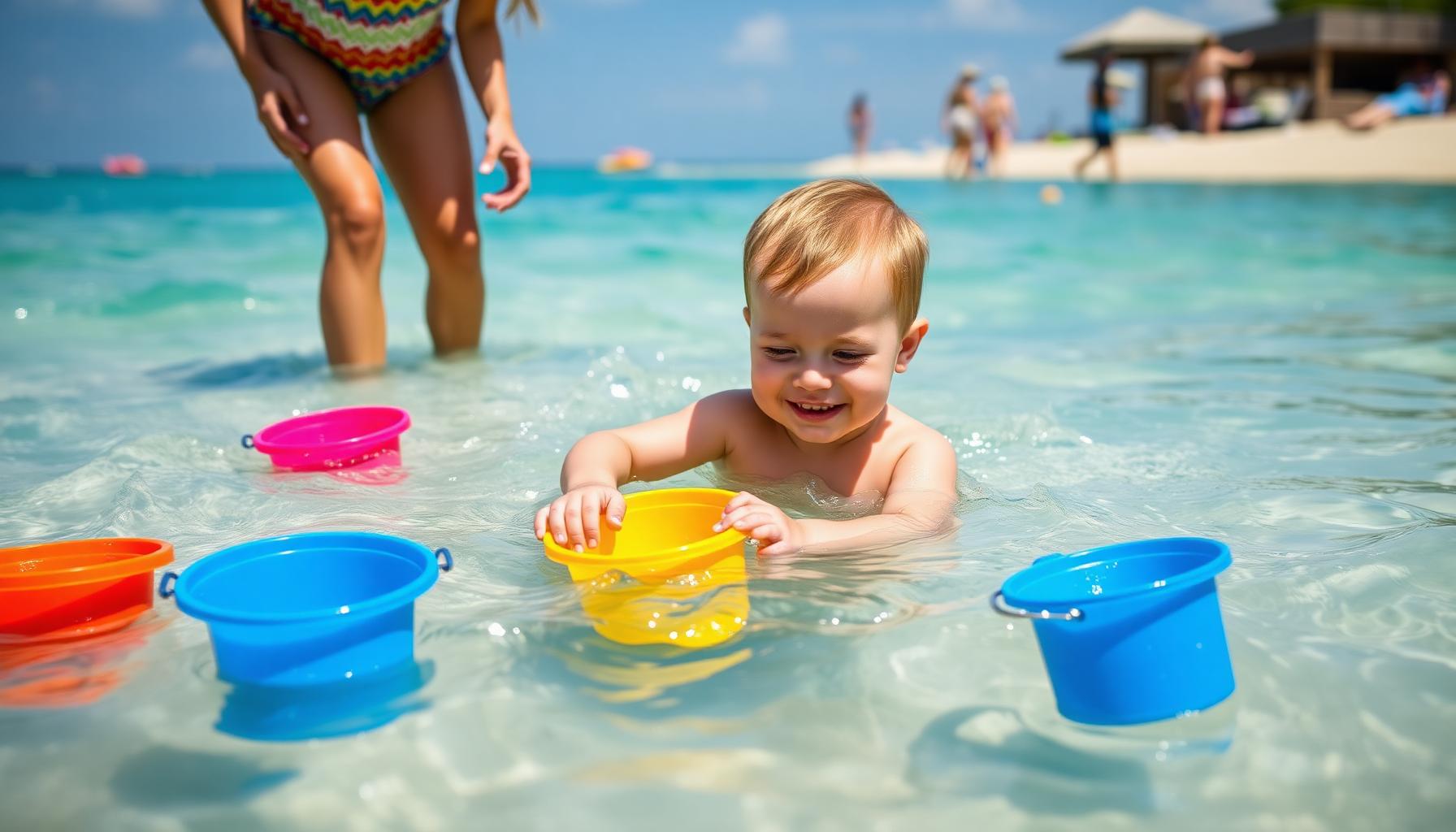
Simple toys work best—buckets, shovels, molds, and cups provide hours of entertainment. Toddlers mostly enjoy filling containers with sand and water repeatedly. Skip expensive beach toys—cheap sets from beach shops work perfectly and you won't cry leaving them behind. Bring toys from home for familiarity—favorite trucks, dolls, or balls transition toddlers to new environments.
Water play dominates toddler beach time. Fill shallow tide pools or dig small "pools" in sand for contained water play. Bring small watering cans and funnels—toddlers love pouring endlessly. Supervise constantly—even shallow water poses drowning risks for toddlers who can fall face-first and panic.
Beach walks and exploration engage curious toddlers. Collect shells, observe birds, feel different textures, watch waves. Toddlers notice details adults miss—celebrate their curiosity. These interactions create learning opportunities and precious memories. Take photos—toddler beach fascination is adorable and fleeting.
Food, Snacks, and Hydration
Constant snacks prevent toddler meltdowns. Pack more than you think necessary—beach activity burns energy. Familiar favorites (crackers, cheese, fruit pouches) provide comfort in new environments. Cooler bags keep snacks fresh and safe. Avoid sugary treats that spike energy then crash.
Hydration matters critically—toddlers dehydrate quickly in sun and heat. Offer water constantly, not just when they ask. Sippy cups prevent spills and sand contamination. Freeze water bottles overnight for ice-cold drinks later. Watch for dehydration signs: dry lips, decreased urination, lethargy. Seek shade and hydrate immediately if suspected.
Meltdown Prevention and Management
Recognize overstimulation signs before complete meltdowns. Whining, clinginess, unusual quiet, or defiance often signal overstimulation, overheat, or exhaustion. Respond immediately—move to shade, offer water and snacks, or return to accommodations. Pushing past these signals guarantees meltdowns benefiting no one.
Bring comfort items. Favorite stuffed animals, blankets, or pacifiers provide security in unfamiliar environments. Bedtime routines help toddlers sleep in new places—bring sound machines, nightlights, or special books. Maintaining familiar rituals amid novelty reduces anxiety.
Safety Protocols
Establish strict water rules. Toddlers must hold hands near water, never enter water without adult presence, and understand "stop" commands. Practice at home before beach trips. Write your phone number on toddlers' arms with waterproof marker—if separated, anyone can return them quickly.
Constant supervision means never turning your back. Toddlers drown silently in seconds. Designate one adult as "toddler watcher" at all times—no phone scrolling, chatting, or distractions during shifts. Rotate responsibility every 15-20 minutes to maintain alertness. Never rely on older siblings to supervise toddlers in water.
Realistic Expectations
Accept that toddler beach vacations don't resemble pre-kid beach trips. You won't lounge reading books, nap peacefully, or enjoy leisurely beach days. Toddler vacations are active work—fun, rewarding, memory-making work, but work nonetheless. Partners should trade off giving each other breaks.
Not every day will be perfect. Some days toddlers hate the sand, fear waves, or refuse to leave the hotel. That's normal—toddlers are unpredictable. Have backup plans: hotel pools, nearby aquariums, indoor play spaces. Consider these adaptations success rather than failure—you're meeting your toddler's needs.
Toddler beach vacations require patience, flexibility, and realistic expectations but create irreplaceable family memories. Those chunky legs running toward waves, delighted squeals at splashing water, and sand-covered grins make every challenge worthwhile. For recommended family-friendly destinations, check our complete Family Beach Travel Guide. For toddler gear packing essentials, see our Family Beach Packing Guide.