The Ultimate Beach Safety Guide: Essential Tips for Families
Learn essential beach safety tips to protect your family while enjoying the sun, sand, and surf. From riptides to sunburn prevention, we cover everything you need to know.
By BeachLoco Editorial Team
A day at the beach ranks among life's great pleasures, but the ocean demands respect. Understanding how to read water conditions, recognize hazards, and respond to emergencies transforms a family beach trip from a source of anxiety into genuine relaxation. This guide covers everything you need to know about staying safe at the beach — from rip currents and marine life encounters to sun protection and basic water rescue awareness — so you can focus on making memories rather than worrying about what might go wrong.
Why Beach Safety Matters More Than You Think

The ocean is not a swimming pool. Conditions change constantly — tides shift, currents develop, and what looked like gentle surf an hour ago can become challenging in minutes. According to the United States Lifesaving Association, rip currents account for more than 80 percent of ocean rescues performed by beach lifeguards each year. Most of these incidents involve swimmers who simply did not know how to identify or escape a rip current.
The good news is that the vast majority of beach hazards are preventable with basic knowledge and awareness. Understanding a few key principles about ocean dynamics, sun exposure, and marine life dramatically reduces risk while allowing you to enjoy the water with confidence.
Understanding Rip Currents
Rip currents are narrow channels of fast-moving water that flow from shore back out to sea. They can occur at any beach with breaking waves, including the seemingly calm shores of the Gulf Coast. Identifying a rip current from shore is the first and most important safety skill every beachgoer should develop.
Look for a channel of churning, choppy water between areas of calmer surf. Rip currents often appear as a visible gap in the breaking waves, sometimes with foam or debris being carried seaward. The water in a rip current may appear slightly different in color — often darker or muddier — than the surrounding surf.
If caught in a rip current, the critical response is to remain calm and avoid swimming directly against the current. Instead, swim parallel to shore until you are out of the current's pull, then angle back toward the beach. Rip currents are typically narrow, so swimming 50 to 100 feet parallel to shore is usually sufficient to escape their pull. If you cannot escape, float or tread water until the current weakens, then swim diagonally toward shore.
Sun Protection Essentials
Sunburn remains the most common beach injury, and its consequences extend far beyond temporary discomfort. Cumulative sun exposure is the leading cause of skin cancer, making proper sun protection not just a comfort issue but a genuine health priority. Beach environments intensify UV exposure because sand and water reflect sunlight, effectively doubling your dose.
Apply broad-spectrum sunscreen with SPF 30 or higher at least 20 minutes before sun exposure, and reapply every two hours — more frequently after swimming or heavy sweating. Pay attention to commonly missed areas including the tops of feet, ears, back of the neck, and the part in your hair. For children, consider UV-protective clothing and rash guards, which provide consistent protection without the need for constant reapplication.
Schedule beach time strategically. The sun's UV rays are strongest between 10 AM and 4 PM. Early morning and late afternoon sessions offer beautiful light, more comfortable temperatures, and significantly reduced UV exposure. If spending a full day at the beach, use a quality beach umbrella or tent for shade breaks.
Marine Life Awareness
Most marine life encounters are harmless and even magical — spotting dolphins, sea turtles, or schools of colorful fish adds wonder to any beach day. However, a few species require awareness and simple precautions to avoid painful encounters.
Jellyfish are the most common concern at beaches along the Atlantic and Gulf coasts. The shuffle-walk technique — dragging your feet through the sand rather than stepping — helps avoid stepping on stingrays in shallow water. If stung by a jellyfish, rinse the area with vinegar or saltwater (not fresh water, which can activate undischarged stinging cells) and seek medical attention if symptoms are severe.
At destinations like Key West and Cancún, where coral reefs are close to shore, avoid touching or standing on coral. Beyond the environmental damage, coral cuts are prone to infection and heal slowly. Reef-safe sunscreen is required at many of these destinations to protect the ecosystems that make them special.
Water Safety for Families
Children require direct, constant supervision near the ocean — not from a beach chair 50 feet away, but within arm's reach for young children and within close visual contact for older ones. Designate a specific adult as the water watcher during any beach session, and rotate this responsibility to prevent fatigue and distraction.
Teach children to swim between the flags at lifeguarded beaches, and explain the flag warning system: green means calm conditions, yellow indicates moderate hazards, red signals high hazards, and double red flags mean the water is closed. Purple flags indicate dangerous marine life in the area.
Inflatable toys and floats can be deceptive safety hazards. Offshore winds can carry floats away from shore faster than a child can swim back, and the false sense of security they provide can lead children into deeper water than they can handle. Use Coast Guard-approved life jackets for children who are not strong swimmers.
Beach Weather and Wave Awareness
Check local surf reports and weather forecasts before heading to the beach. Conditions can change rapidly, especially during Florida's afternoon thunderstorm season from June through September. Lightning is a serious and underestimated beach hazard — if you can hear thunder, you are within striking distance and should leave the beach immediately.
Understanding wave patterns helps you choose appropriate swimming areas. Shore break waves that crash directly onto the sand can cause neck and spinal injuries, particularly for body surfers. Spilling waves that gradually break across a distance are generally safer for recreational swimming. Beaches along the Gulf Coast, such as Panama City Beach and Destin, typically feature gentler wave conditions than Atlantic-facing beaches.
Essential Beach Safety Gear
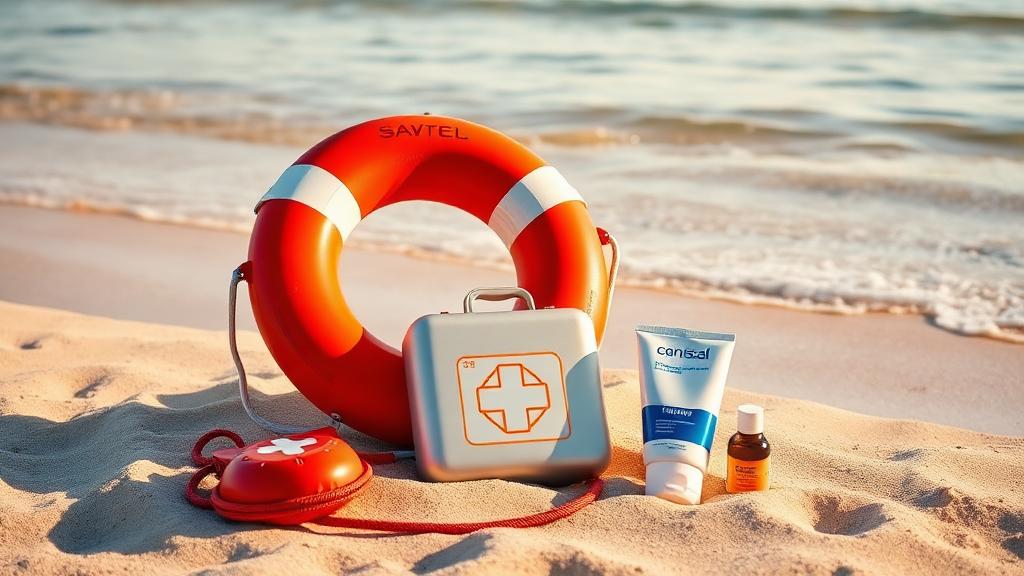
Packing the right gear makes beach safety effortless. A basic beach safety kit should include reef-safe sunscreen, a first-aid kit with bandages and antiseptic, bottled water to prevent dehydration, water shoes for rocky or shell-covered beaches, and a whistle that children can use to signal for help.
A quality beach umbrella or pop-up tent provides essential shade breaks, reducing heat exhaustion risk and cumulative sun exposure. Polarized sunglasses help you read water conditions by cutting surface glare, making it easier to spot rip currents, sandbars, and marine life from shore.

Local Tips
Always swim at lifeguarded beaches when possible, and introduce yourself to the on-duty lifeguard when you arrive. They can provide current information about water conditions, hazards, and the safest swimming areas specific to that beach on that day.
Stay hydrated — dehydration sneaks up quickly in the sun and salt air, and it impairs judgment and physical ability, both of which matter in the water. Alternate water with other beverages, and eat regular snacks to maintain energy levels.
Learn basic CPR before your trip. The American Red Cross and American Heart Association both offer certification courses, and many beaches are far enough from emergency services that bystander response in the first minutes of an emergency can make a life-saving difference.