The World's Best Seafood Buffets & All-You-Can-Eat Coastal Feasts
From Asia's legendary seafood markets to Europe's harbor feasts and island buffets in the tropics — these are the top places on Earth to indulge in oceanside seafood banquets.
By BeachLoco Editorial
The world's great seafood buffets and all-you-can-eat coastal feasts represent a particular kind of culinary indulgence — one where abundance meets quality, where the ocean's bounty is displayed in stunning variety, and where the only limit on your meal is your own appetite. From Las Vegas mega-buffets sourcing directly from Pacific fleets to beachside spreads in Southeast Asia where the day's catch is grilled to order, these dining experiences celebrate the sea's generosity in the most immediate, satisfying way possible.
Why Seafood Buffets Endure
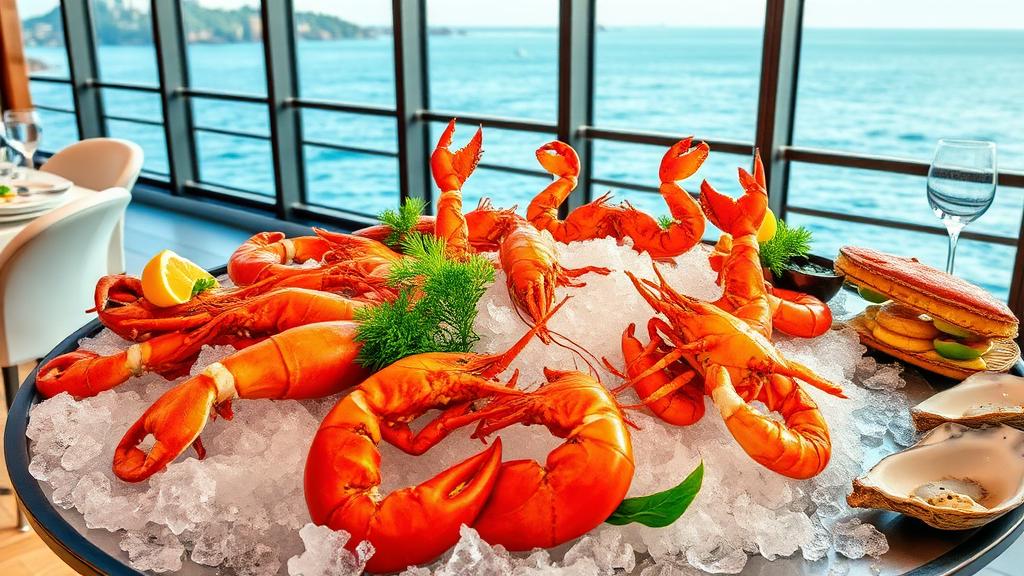
In an era of tasting menus and chef-driven omakase counters, the seafood buffet might seem like a relic. But the best examples of the format have evolved far beyond the steam-table stereotypes. Today's premier seafood buffets feature live cooking stations where chefs prepare dishes to order, raw bars with freshly shucked oysters and sashimi-grade fish, whole roasted fish and crustaceans displayed with theatrical grandeur, and dessert spreads that rival standalone patisseries. The format's strength — variety and abundance — has been elevated by culinary ambition and sourcing standards that would impress any restaurant critic.
The appeal is also democratic. A seafood buffet lets you try lobster, king crab, oysters, sushi, and grilled fish in a single sitting — a range that would cost hundreds of dollars ordered à la carte at comparable quality levels. For travelers exploring coastal destinations, a well-chosen seafood buffet provides a comprehensive introduction to local marine cuisine without the commitment of multiple restaurant visits.
North American Seafood Feasts
The Bacchanal Buffet at Caesars Palace, Las Vegas has redefined the American buffet concept. The seafood section alone rivals many standalone restaurants, with Alaskan king crab legs, Gulf shrimp, East Coast oysters, and sushi stations manned by trained sushi chefs. The quality-to-price ratio — while not inexpensive — represents genuine value when you consider the breadth of premium seafood available.
Maine Lobster Bakes along the New England coast represent a different buffet tradition — outdoor communal feasts where whole lobsters, clams, mussels, corn, and potatoes are steam-cooked in seaweed over hot stones. The format hasn't changed in centuries because it doesn't need to: the combination of fresh-caught lobster, salt air, and the ritual of cracking shells at a picnic table captures the essence of coastal New England dining.
Gulf Coast Seafood Festivals across the southern United States offer seasonal all-you-can-eat experiences centered on regional specialties. The National Shrimp Festival in Gulf Shores and similar events along the Gulf Coast provide festival-style seafood abundance — fresh Gulf shrimp, oysters, crawfish boils, and regional preparations that showcase the culinary diversity of America's southern coastline.
Pacific Northwest Dungeness Crab Feasts celebrate the region's iconic crustacean through seasonal all-you-can-eat events at waterfront restaurants from Seattle to San Francisco. During peak Dungeness season (November–June), these feasts feature freshly steamed crab alongside Pacific oysters, clam chowder, and sourdough bread. The casual, communal format — newspaper-covered tables, wooden mallets, melted butter — emphasizes the experience over formality.
International Seafood Buffets
Bangkok's Riverside Seafood Buffets represent perhaps the world's best value in all-you-can-eat seafood dining. Hotels and restaurants along the Chao Phraya River offer stunning spreads featuring grilled prawns, steamed blue crab, oysters, sashimi, and dozens of Thai seafood preparations — all for prices that would barely cover a single appetizer at comparable Western restaurants. The quality at top venues rivals any Asian seafood destination.
Tokyo's Hotel Seafood Buffets bring Japanese precision to the buffet format. Properties like the InterContinental and ANA hotels offer seafood buffets where the sushi station alone features nigiri that would satisfy at a dedicated sushi restaurant. The Japanese approach to freshness — sourced from Tsukiji's successor market, Toyosu — ensures quality standards that most Western buffets cannot match.
Mediterranean Seafood Spreads in coastal cities from Lisbon to Istanbul take a different approach, emphasizing grilled and simply prepared whole fish, mezze-style small plates of marinated octopus and sardines, and the stunning variety of the Mediterranean's fishing traditions. The setting — often waterfront terraces overlooking fishing harbors — adds a visual and atmospheric dimension that enhances every bite.
Southeast Asian Night Markets in destinations like Jimbaran Bay (Bali), Kota Kinabalu (Malaysian Borneo), and various Thai beach towns offer the most atmospheric seafood feast experience in the world. Choose your seafood from ice-filled displays, have it grilled over coconut husks or wood charcoal, and eat at tables set directly on the beach or along the waterfront. The freshness, the prices, and the setting create an experience that no enclosed restaurant can replicate.
What Separates Great from Good
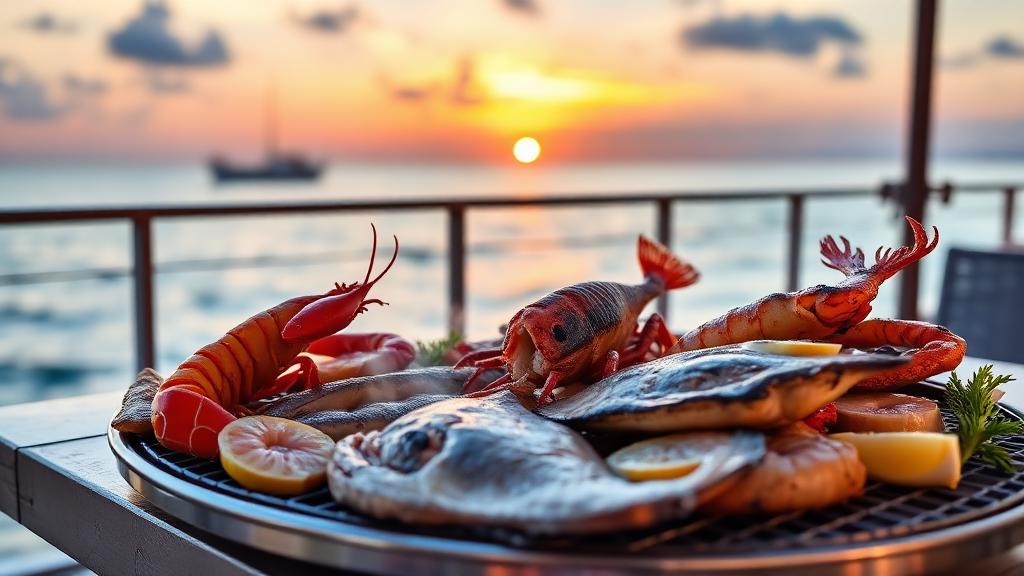
The difference between a great seafood buffet and a mediocre one comes down to three factors: freshness, preparation, and replenishment speed. Great buffets source directly from local fishermen or premium suppliers, maintaining cold-chain integrity that preserves the delicate flavors of fresh seafood. Preparation stations feature skilled cooks rather than heat lamps — the best buffets cook to order at live stations where you can watch your dish being prepared. And replenishment is constant — empty trays are replaced within minutes, ensuring that the 7 PM diner gets the same quality as the 5:30 PM early bird.
Best Time to Visit
Seafood buffet quality is seasonal at destinations that source locally. Visit New England for lobster bakes from June through September. Hit the Gulf Coast for shrimp and oyster festivals in fall and winter. Southeast Asian seafood buffets peak during dry season (November–April) when fishing conditions and tourist infrastructure are optimal. Las Vegas and major hotel buffets maintain consistent quality year-round, though off-peak travel periods often offer promotional pricing.
Local Tips
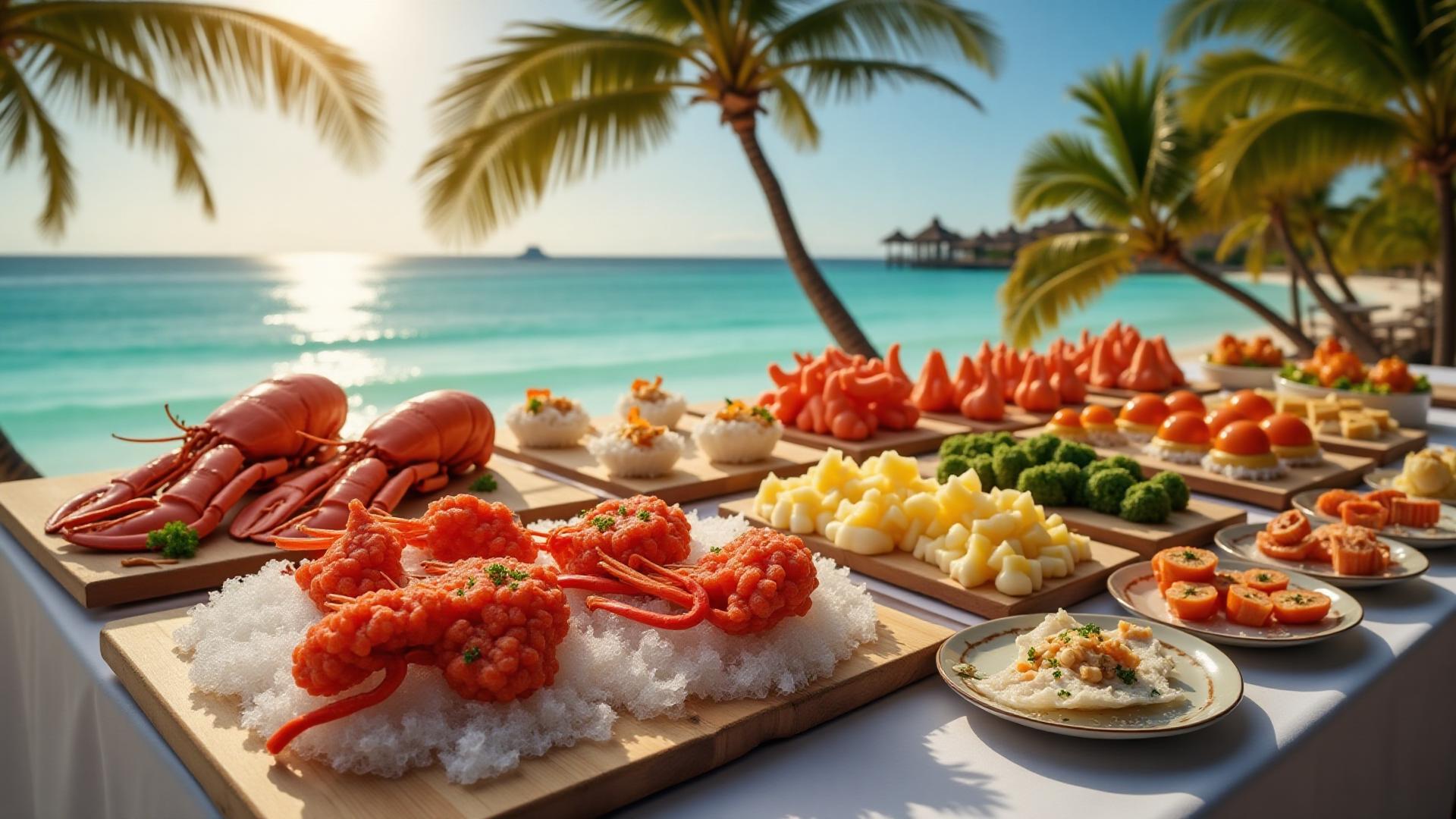
At any seafood buffet, start with the highest-value items — king crab, lobster, oysters, and sashimi — before filling up on lower-cost items like fried fish or pasta. Arrive early for the freshest selection and shortest lines at live cooking stations. Pace yourself; the best buffet strategy is multiple small plates rather than one overloaded trip. At Gulf Coast and Destin-area seafood restaurants, ask about all-you-can-eat specials that many waterfront establishments offer on specific nights — these curated events often provide better quality than permanent buffet operations.
The world's best seafood buffets and coastal feasts celebrate a fundamental truth: the ocean's bounty, served fresh and in abundance, creates a dining experience that no single-plate restaurant can replicate. From Maine lobster bakes to Bangkok riverside spreads, these feasts remind us that sometimes the most memorable meals are the ones where there's simply, gloriously, more than enough.