Best Alaska Cruise Port Shore Excursions
From glacier hikes in Juneau to wildlife encounters in Ketchikan, discover the most unforgettable shore excursions available at Alaska cruise ports.
By BeachLoco Editorial Team
An Alaska cruise is fundamentally different from any tropical cruise experience. Instead of white sand beaches and turquoise water, you are greeted by towering glaciers, dense temperate rainforests, snow-capped mountain ranges, and some of the most abundant wildlife on the planet. The shore excursions available at Alaska's cruise ports are not just activities—they are once-in-a-lifetime adventures that connect you with one of the last truly wild places on Earth. From helicopter rides to ancient ice fields to intimate encounters with humpback whales, the excursion options in Alaska are as dramatic and varied as the landscape itself.
What makes Alaska shore excursions so compelling is the sheer scale of the natural environment. At every port—Juneau, Ketchikan, Skagway, Sitka, and others—you are stepping off a modern cruise ship and into landscapes that have remained essentially unchanged for millennia. Bald eagles circle overhead, bears fish for salmon in rushing rivers, and glaciers the size of small cities groan and crack as they slowly advance toward the sea. The key to an unforgettable Alaska cruise is choosing the right excursions at each port, and this guide will help you do exactly that. If you are comparing cruise destinations, our guide to Caribbean cruise port beaches covers the opposite end of the spectrum—tropical warmth and sandy shores.
Juneau: Mendenhall Glacier and Whale Watching
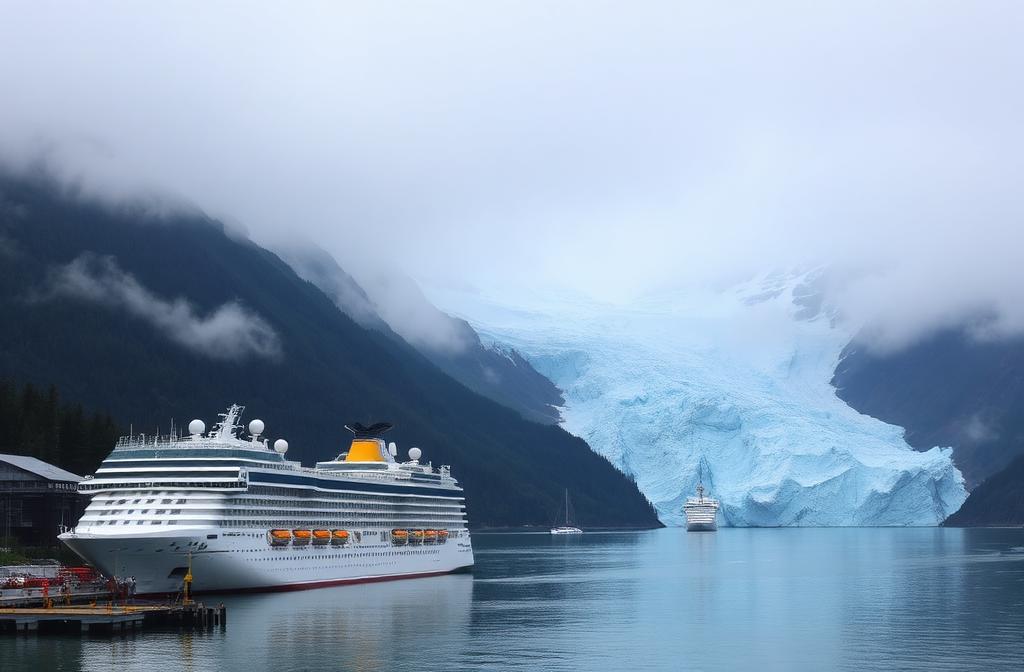
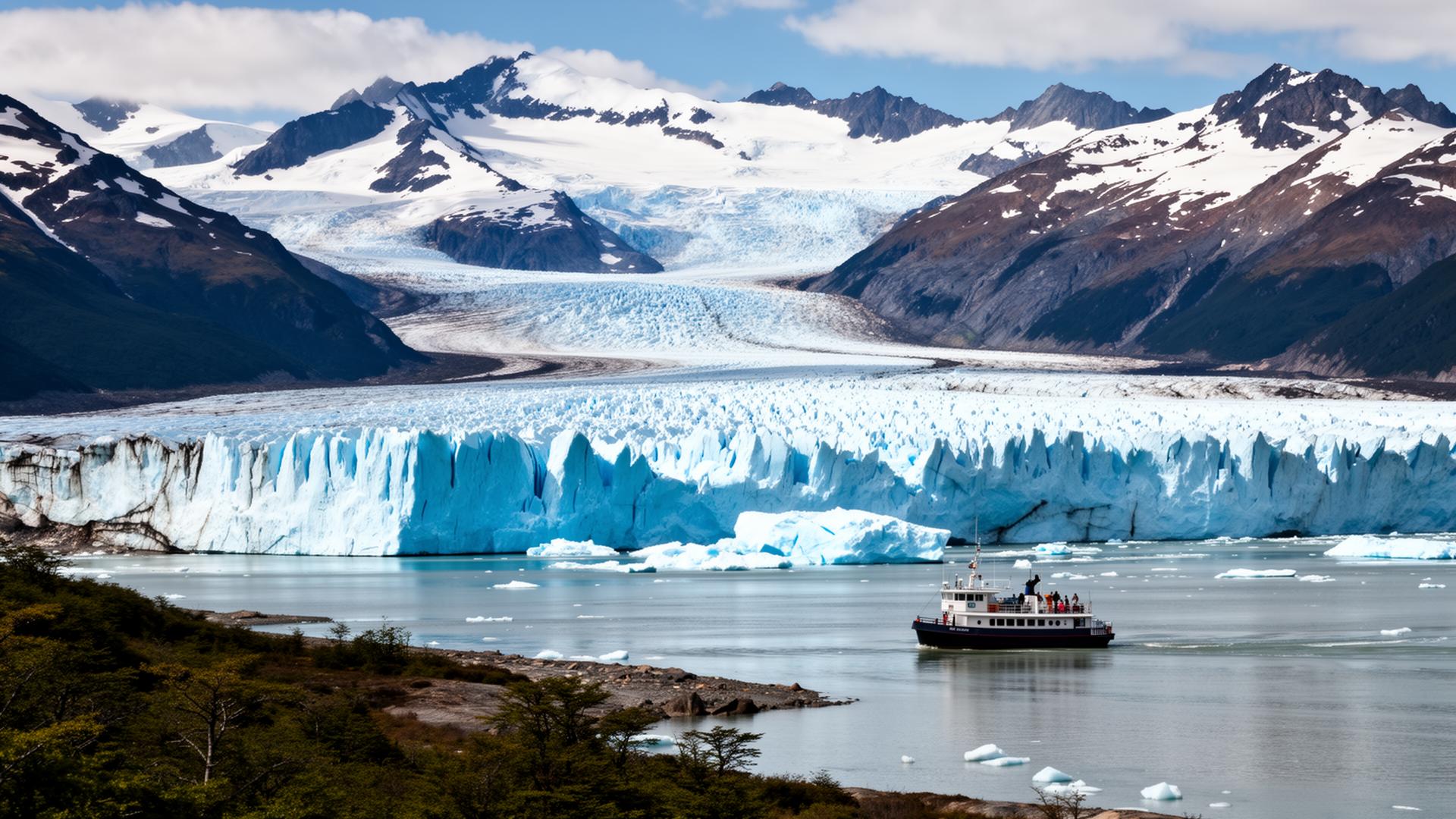
Juneau, the capital of Alaska accessible only by air or sea, is the gateway to some of the state's most iconic natural attractions. The Mendenhall Glacier, located just twelve miles from the cruise port, is a massive river of ice that flows from the Juneau Icefield—a 1,500-square-mile expanse of interconnected glaciers. The visitor center at Mendenhall provides sweeping views of the glacier's face, and several trails of varying difficulty lead to viewpoints where you can hear the ice cracking and see icebergs calving into Mendenhall Lake.
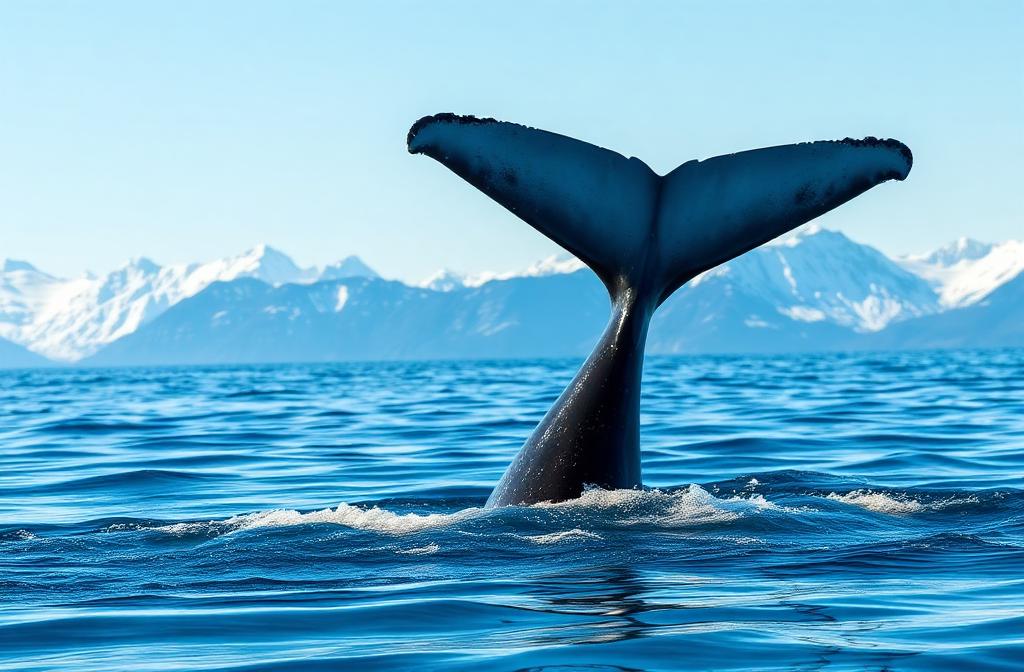
For a more immersive experience, book a helicopter glacier trek excursion. These tours fly you over the icefield and land on the glacier itself, where you strap on crampons and walk across the ancient ice with a trained guide. The blue crevasses, ice caves, and frozen waterfalls are otherworldly—there is simply nothing comparable elsewhere in the cruise world. Whale watching is another must-do in Juneau, as the waters of the Inside Passage are home to large populations of humpback whales, orcas, and Steller sea lions. Most whale watching tours guarantee sightings, and the experience of seeing a forty-ton humpback breach just yards from your boat is genuinely awe-inspiring.
Ketchikan: Misty Fjords and Totem Poles
Ketchikan, known as the Salmon Capital of the World and the gateway to the Misty Fjords National Monument, offers a fascinating blend of natural beauty and indigenous culture. The Misty Fjords excursion—available by floatplane or boat—takes you deep into a landscape of sheer granite cliffs rising thousands of feet from mirror-calm waters, cascading waterfalls, and dense old-growth forest. On clear days, the reflections in the fjord waters create a surreal, mirror-image effect that photographers live for.
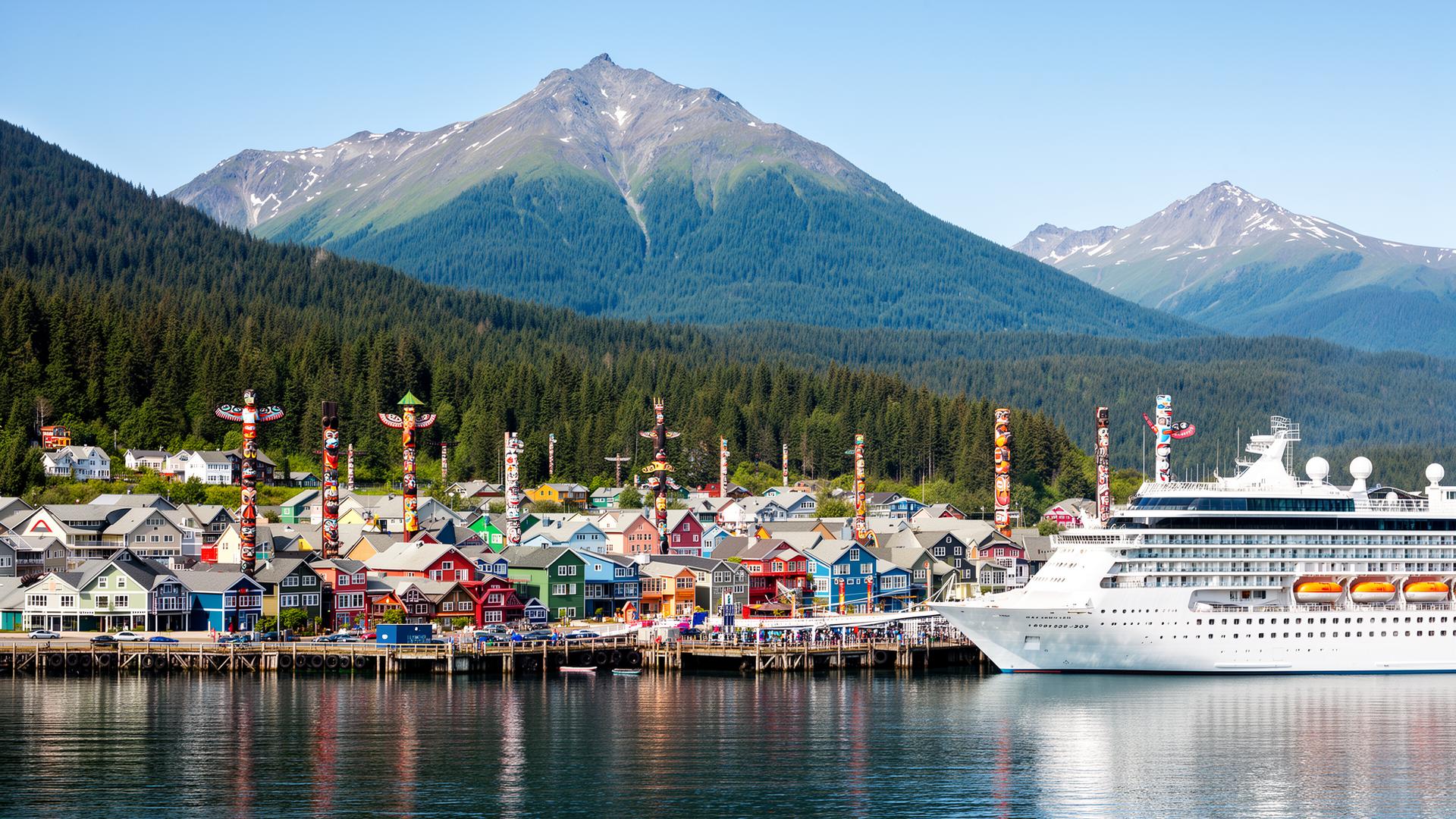
Back in town, Ketchikan is home to the world's largest collection of standing totem poles, carved by the Tlingit and Haida peoples whose culture has thrived in this region for thousands of years. The Totem Heritage Center and Saxman Village offer guided tours that explain the stories, symbols, and artistic traditions embedded in these magnificent carvings. For adventure seekers, Ketchikan offers excellent zip-lining through the rainforest canopy, bear-viewing excursions to remote salmon streams, and some of the best sport fishing in Alaska. The town itself is charming, with colorful buildings perched on stilts above Ketchikan Creek, where you can watch salmon fight their way upstream during spawning season.
Skagway: White Pass Railroad and Yukon Exploration
Skagway is a living museum of the Klondike Gold Rush, and its most famous excursion—the White Pass and Yukon Route Railroad—follows the same route that thousands of prospectors traveled in 1898 on their way to the Yukon gold fields. The narrow-gauge railway climbs nearly 3,000 feet in just twenty miles, winding through tunnels, crossing trestle bridges, and offering panoramic views of waterfalls, gorges, and snow-covered peaks that will leave you speechless.
The train ride takes about three hours round-trip and is consistently rated as one of the top shore excursions in all of Alaska cruising. For those wanting to extend the adventure, combination tours pair the train ride with a bus excursion into the Yukon Territory of Canada, where you can visit the town of Carcross, explore Emerald Lake with its impossibly green water, and experience the vast, empty beauty of the Canadian north. Skagway itself is worth exploring on foot—the six-block downtown has been restored to its Gold Rush-era appearance, with boardwalks, saloons, and shops that transport you back to the frontier days of the late 1800s.
Sitka: Russian Heritage and Wildlife
Sitka, the former capital of Russian America, offers a unique cultural dimension that sets it apart from other Alaska cruise ports. The onion-domed St. Michael's Cathedral, the Russian Bishop's House, and the Sitka National Historical Park all speak to the island's rich Russian colonial history. The historical park is particularly noteworthy, combining a beautiful totem pole trail through coastal rainforest with a museum that documents the complex interactions between Russian colonists and the indigenous Tlingit people.
Beyond its cultural attractions, Sitka is a premier wildlife destination. The Alaska Raptor Center rehabilitates injured bald eagles and other birds of prey, and visitors can observe these magnificent birds up close in outdoor flight enclosures. Whale watching excursions from Sitka are outstanding, with humpback whales, sea otters, and harbor seals commonly spotted in the surrounding waters. For outdoor enthusiasts, kayaking in Sitka Sound offers a peaceful way to explore the coastline, paddle past small islands, and potentially encounter marine wildlife in their natural habitat. Sitka proves that Alaska is not just about glaciers—it is also about culture, history, and wildlife in extraordinary settings.
Glacier Bay: Nature's Grand Spectacle
Glacier Bay is not a traditional port stop—your ship sails directly into the bay and spends the day cruising past some of the most spectacular glacial scenery on Earth. Sixteen tidewater glaciers flow into the bay, and watching massive chunks of ice calve from a glacier face and crash into the water below is one of the most thrilling sights in all of nature. Park rangers from the National Park Service board the ship to provide narration and answer questions, adding an educational dimension to the visual spectacle.
During the Glacier Bay transit, keep your binoculars handy. Mountain goats cling to impossibly steep cliffsides, brown bears forage along the shoreline, and humpback whales surface throughout the bay. Margerie Glacier, at the head of the bay, is the most active and dramatically photographed tidewater glacier, with its 250-foot ice face producing frequent and thunderous calving events. No shore excursion is needed for Glacier Bay—the experience happens right from your ship's deck—but it is arguably the single most memorable day of any Alaska cruise and should be savored from the first glacier sighting to the last.
Icy Strait Point: Bear Viewing and the ZipRider
Icy Strait Point, located near the small Tlingit village of Hoonah on Chichagof Island, is a newer port that has quickly earned a reputation for exceptional wildlife encounters. The island has one of the highest concentrations of brown bears in Alaska, and guided bear-viewing excursions take you to remote observation platforms where you can watch these magnificent animals fishing, foraging, and interacting in their natural environment. Unlike some bear-viewing experiences that require bush plane flights, the bears at Icy Strait Point are accessible by vehicle and short hike from the port.
The ZipRider, one of the world's longest and highest zip lines, launches from a mountainside above the port and sends riders soaring over the rainforest canopy at speeds of up to sixty miles per hour. The views during the ride—mountains, ocean, forest, and your cruise ship far below—are absolutely breathtaking. Icy Strait Point also offers whale watching, kayaking, fishing, and cultural tours of the Tlingit community. For a more relaxed port day, the restored 1930s-era cannery building houses shops, restaurants, and a museum that tells the story of the region's salmon industry. If you are looking for adventure beyond the sea, our Bahamas cruise guide and Mediterranean cruise guide cover the beach-focused side of cruising.
Tips for Booking Alaska Shore Excursions
Alaska shore excursions are the most expensive in the cruise industry, with popular options like helicopter glacier treks running several hundred dollars per person. Book early—ideally as soon as your cruise booking is confirmed—because the best excursions sell out months in advance, particularly during peak season from late June through August. Consider booking directly with local operators rather than through the cruise line, as you can often find better prices and smaller group sizes. However, be aware that if you book independently and your excursion runs late, the ship will not wait for you.
Pack layers for Alaska port days, as weather can change rapidly and temperatures vary significantly between sunny and shaded areas. Waterproof jackets and sturdy hiking shoes are essential, even for less strenuous excursions. Bring binoculars for wildlife spotting, and ensure your camera is fully charged—you will take more photos in Alaska than you ever imagined. Most importantly, be present and absorb the magnitude of what you are experiencing. Alaska's glaciers are retreating, its ecosystems are changing, and witnessing this landscape in its current form is a privilege that future generations may not share.