Best Mediterranean Cruise Port Beaches
From the volcanic shores of Santorini to the golden sands of Barcelona, discover the most beautiful beaches you can visit during a Mediterranean cruise.
By BeachLoco Editorial Team
A Mediterranean cruise offers something no other cruise region can match: the chance to combine world-class beaches with thousands of years of history, art, and cuisine—all in a single voyage. While the Caribbean is famous for turquoise water and white sand, the Mediterranean delivers a completely different coastal experience. Here, beaches are framed by ancient ruins, clifftop villages, olive groves, and vineyards. The water ranges from deep sapphire blue to luminous turquoise, and each port of call offers a distinct cultural flavor that transforms a simple beach day into an immersive travel experience.
What surprises many first-time Mediterranean cruisers is just how accessible great beaches are from major cruise ports. While some ports are better known for their museums and cathedrals, nearly every stop on a Mediterranean itinerary has at least one stunning beach within easy reach. The key is knowing where to go and how to get there, because port time in the Mediterranean is often shorter than in the Caribbean, and navigating European public transit adds a layer of logistics. This guide covers the best beaches at the most popular Mediterranean cruise ports, giving you a head start on planning the perfect beach days during your voyage. If you are comparing this to Caribbean cruise port beaches, the Mediterranean offers a more culturally rich but equally beautiful coastal experience.
Santorini: Kamari and Red Beach
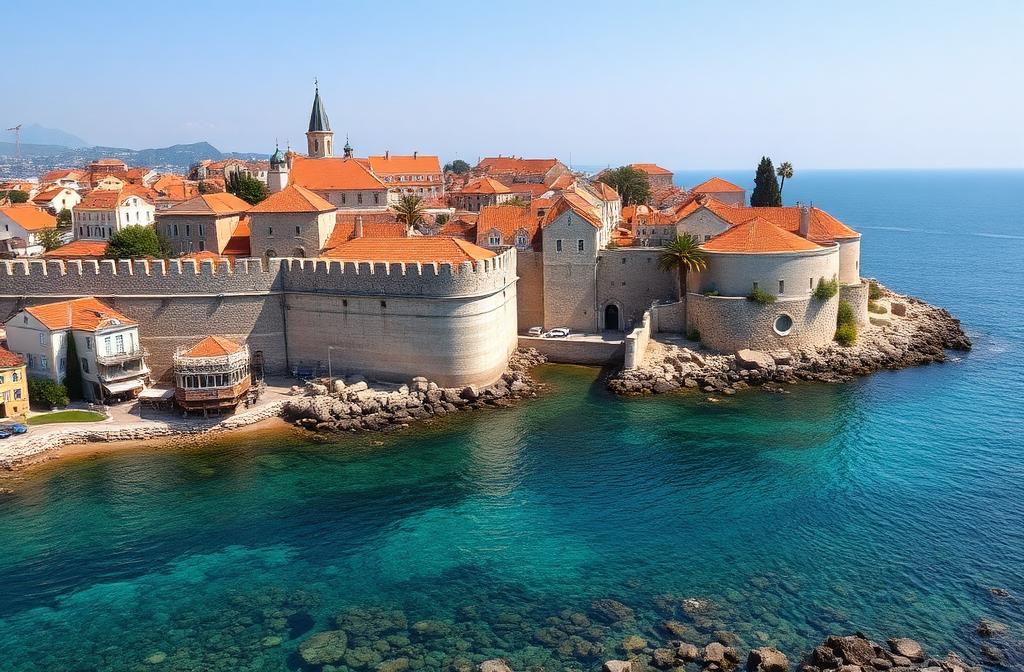
Santorini is arguably the most visually dramatic cruise port in the entire Mediterranean. The island's volcanic caldera, ringed by white-washed villages perched on sheer cliffs, creates a setting that feels almost otherworldly. While Santorini is best known for its sunset views from Oia and its blue-domed churches, the island also offers several remarkable beaches—each one colored by the island's volcanic geology. Kamari Beach, on the island's southeastern coast, is the most popular and accessible beach for cruise visitors. Its distinctive black volcanic sand creates a striking contrast with the deep blue Aegean water, and the beach is well-organized with lounge chairs, umbrellas, tavernas, and water sports facilities.
Red Beach, located near the ancient site of Akrotiri, is another must-visit. Named for the towering red volcanic cliffs that surround it, this small cove is visually spectacular—though the access path involves a short hike over uneven terrain. The beach itself is compact, with coarse red and black pebbles rather than sand, and the swimming is excellent in the clear, deep water. Reaching these beaches from the cruise tender port in Fira requires a taxi or local bus, both of which are affordable and efficient. Santorini's beaches are unlike anything else in the Mediterranean, and the volcanic setting makes for unforgettable photographs.
Barcelona: Barceloneta Beach
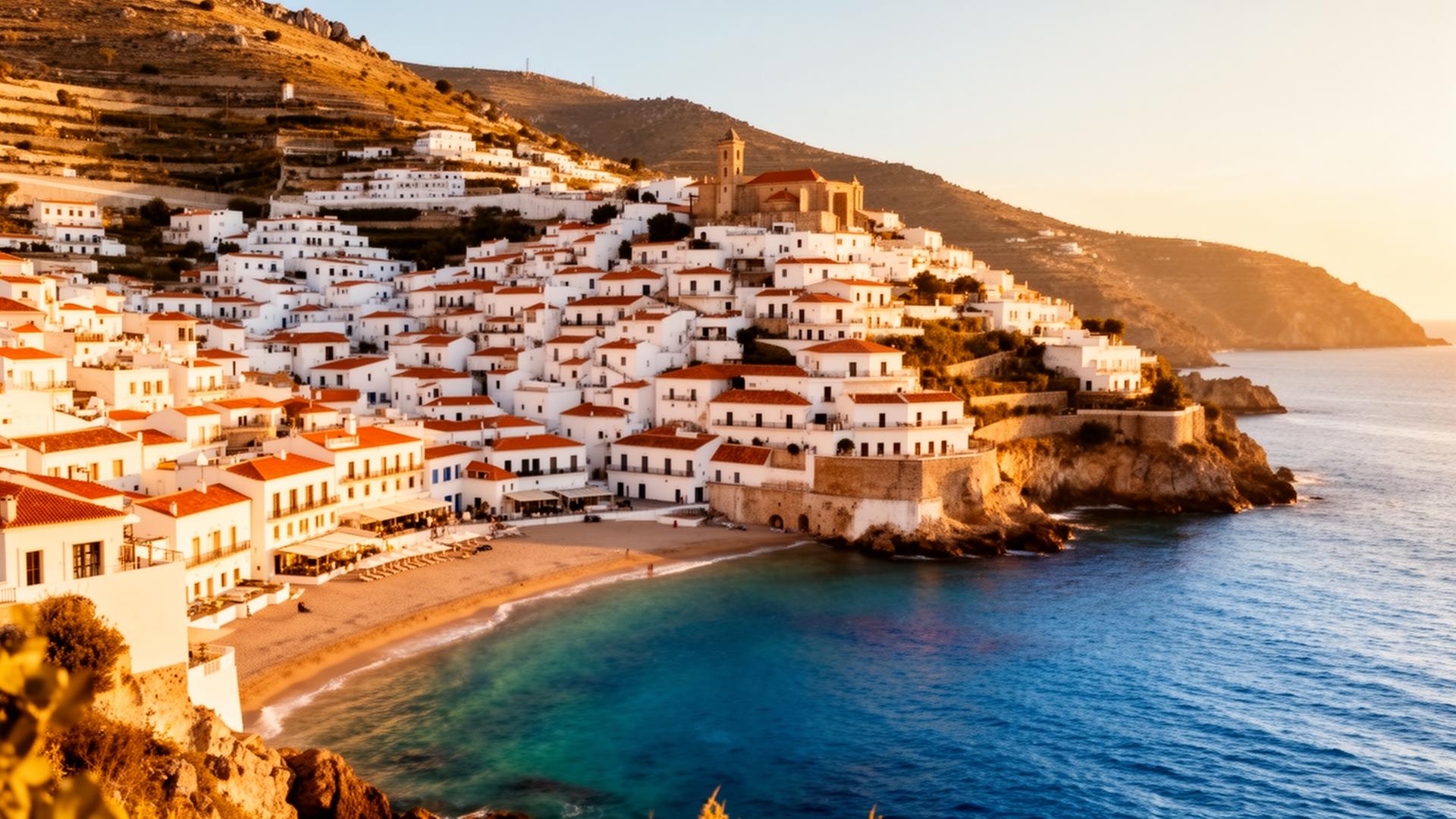
Barcelona is one of the busiest cruise ports in the Mediterranean, and its urban beach scene is a major draw for cruisers looking to combine city exploration with seaside relaxation. Barceloneta Beach, the city's most famous stretch of sand, runs for over a kilometer along the waterfront and is backed by a lively promenade filled with restaurants, bars, and shops. The sand is golden and well-maintained, the water is clean and swimmable, and the people-watching is world-class.
Getting to Barceloneta from the cruise terminal is straightforward—a taxi takes about fifteen minutes, or you can walk along the scenic waterfront promenade. The beach has a distinctly Mediterranean vibe, with locals and tourists mixing freely, beach volleyball games in progress, and the sound of Spanish guitar drifting from nearby chiringuitos. For a quieter experience, walk further northeast to Bogatell Beach or Mar Bella, which are less crowded and equally attractive. Barcelona proves that great beach destinations do not need to be remote or exotic—sometimes the best beach is right in the heart of a vibrant city.
Dubrovnik: Banje Beach
Dubrovnik, the Pearl of the Adriatic, is primarily known for its stunning medieval Old Town—a UNESCO World Heritage Site that draws millions of visitors each year. But just beyond the ancient city walls lies Banje Beach, a beautiful pebble beach with crystal-clear water and jaw-dropping views of the Old Town fortifications. The contrast of turquoise water against centuries-old stone walls creates a scene that is uniquely Dubrovnik and impossible to replicate anywhere else in the Mediterranean.
Banje Beach is divided into a free public section and a premium beach club area with comfortable loungers, cocktail service, and a stylish restaurant. Both sections offer the same spectacular views and water quality. The beach is just a five-minute walk from the Old Town's Ploče Gate, making it incredibly easy to combine sightseeing and swimming in a single port visit. The water is deep and refreshingly cool, and the clarity is remarkable—you can see the rocky bottom clearly even in ten feet of water. For a more secluded option, take a short ferry to nearby Lokrum Island, where rocky swimming spots and a botanical garden await.
Mykonos: Paradise and Super Paradise Beaches
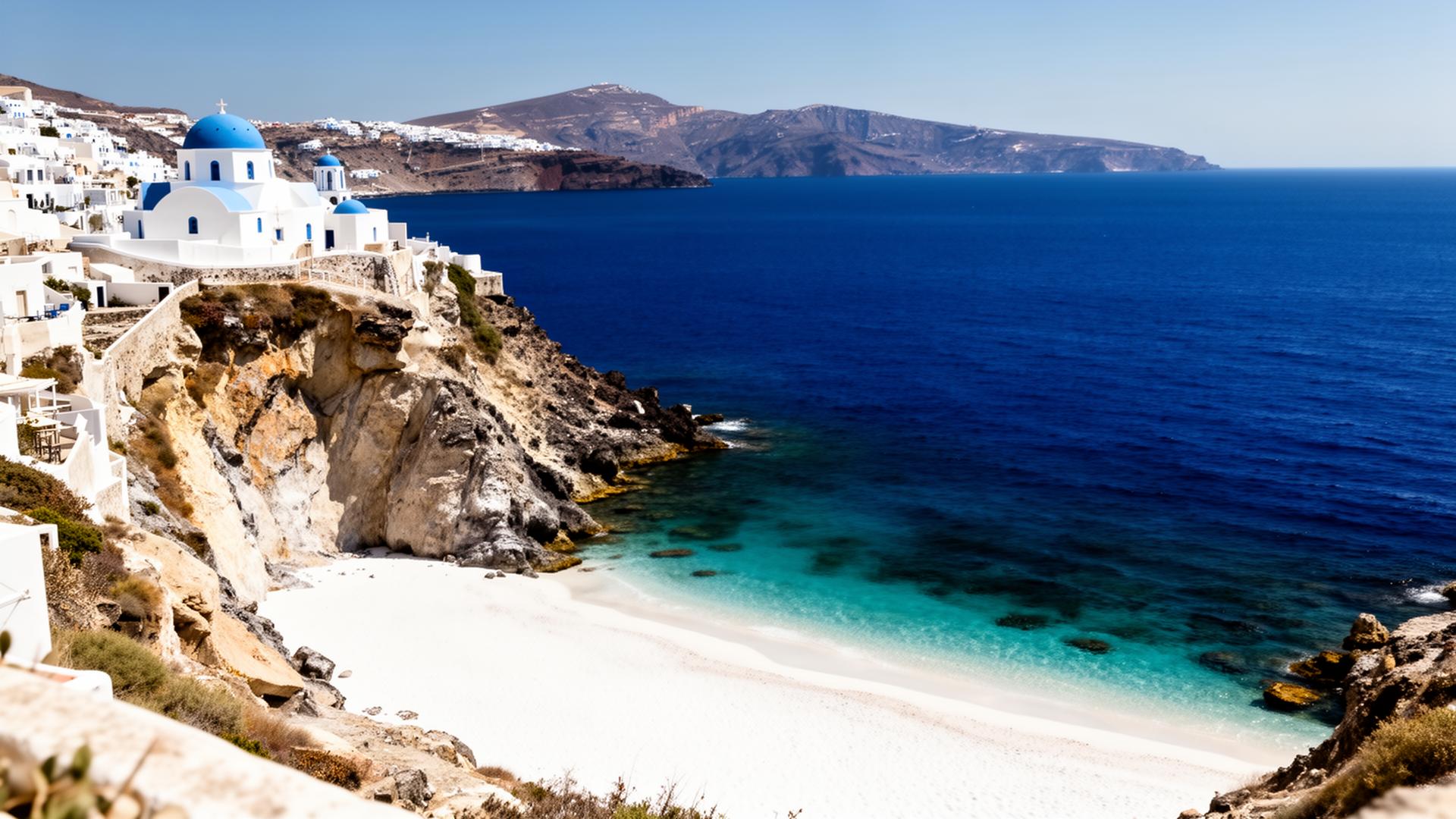
Mykonos has earned its reputation as the party capital of the Greek Islands, and its beaches reflect that energy. Paradise Beach, located on the island's southern coast, is a legendary stretch of golden sand where world-famous DJs spin from afternoon until dawn and beach bars keep the cocktails flowing. The atmosphere is electric, the crowd is international, and the beach itself—despite the party reputation—is genuinely beautiful, with soft sand and clear, calm water protected from the northern winds.
Super Paradise Beach, just around the headland, offers a similar vibe with slightly more space and a slightly more upscale feel. Both beaches are accessible by bus or water taxi from the Old Port, where cruise tenders typically drop passengers. For cruisers seeking a quieter beach experience, Agios Stefanos Beach on the northern coast is a peaceful alternative with a traditional taverna, calm water, and views of the neighboring island of Delos. Mykonos proves that Mediterranean beaches can be as lively or as serene as you want them to be—it all depends on which cove you choose.
Amalfi Coast: Positano and Maiori
The Amalfi Coast, accessible from cruise ports in Naples or Salerno, is home to some of the most photographed coastline in Europe. Positano's Marina Grande beach is the iconic image of the Amalfi Coast—a small crescent of gray pebbles backed by pastel-colored buildings that tumble down the cliffsides. The water here is deep blue and remarkably clean, and the overall setting is so picturesque it borders on surreal. Beach chairs and umbrellas are available for rent, and several beachfront restaurants serve fresh seafood and local wine.
Maiori, further along the coast, offers a longer and wider beach with a more relaxed atmosphere and significantly lower prices. The sand here is finer, the water is shallow and warm, and the small town behind the beach has excellent bakeries, gelato shops, and family-run trattorias. Reaching the Amalfi Coast from Naples involves a scenic drive along winding coastal roads—book a private transfer or take the SITA bus for an affordable option. The journey is part of the experience, with hairpin turns revealing breathtaking views at every corner. For travelers who appreciate romantic coastal destinations, the Amalfi Coast is unmatched.
Mallorca: Palma Beach and Cala Mondragó
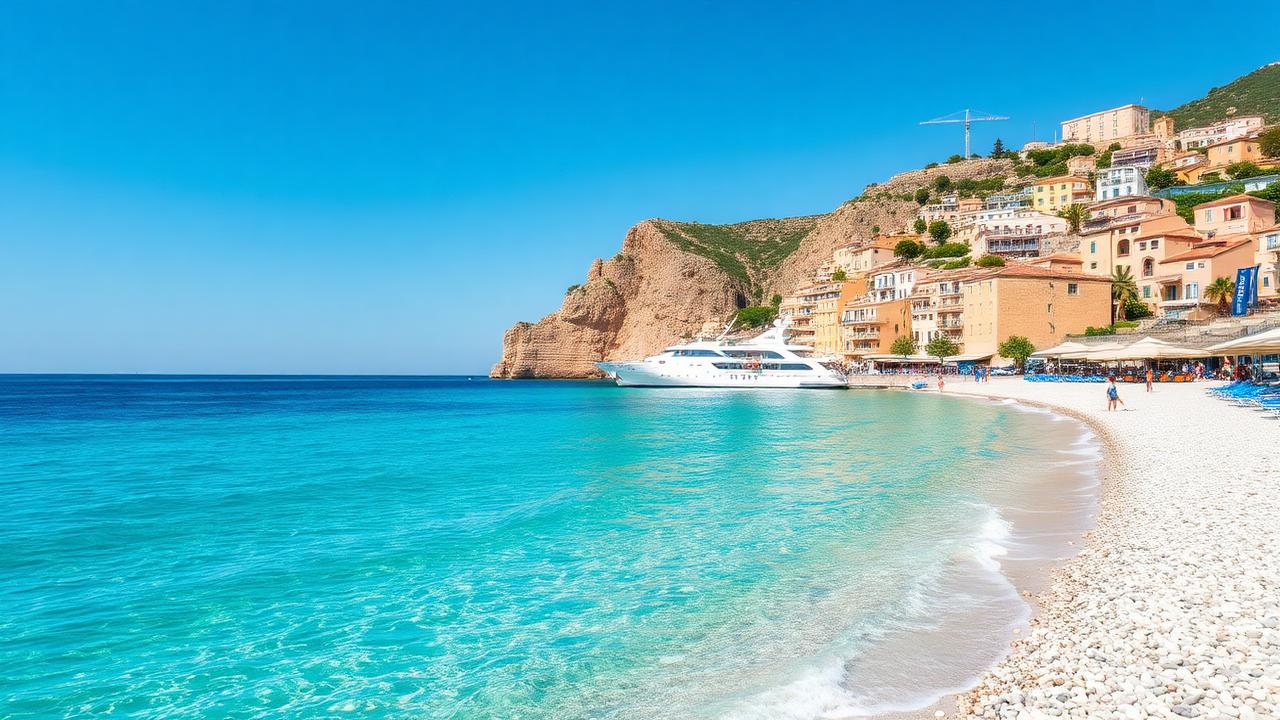
Mallorca, the largest of Spain's Balearic Islands, is a frequent port of call for Western Mediterranean cruises. Palma Beach, also known as Playa de Palma, is a long, wide stretch of fine golden sand that runs for several kilometers east of the capital city. The beach is well-organized with excellent facilities, including showers, changing rooms, lifeguards, and a paved promenade lined with restaurants and bars. The water is shallow and calm, making it ideal for swimming and families.
For a more dramatic natural setting, venture to Cala Mondragó in the southeast of the island. This protected natural area features two connected coves with white sand, pine-fringed cliffs, and water so clear it looks like a swimming pool carved from rock. The drive from Palma takes about an hour, so it is best suited for ports with longer stop times. Mallorca's combination of urban convenience and natural beauty makes it one of the most versatile beach destinations in the Mediterranean. If you enjoy family-friendly beach destinations, Mallorca's gentle waters and excellent infrastructure deliver beautifully.
Tips for Mediterranean Cruise Port Beach Days
Mediterranean ports often have shorter stop times than Caribbean ports—sometimes just six or seven hours—so planning is essential. Research your beach destination before the ship docks, pre-book taxis or transfers if possible, and leave the ship promptly when it clears customs. European beaches often charge for lounge chairs and umbrellas, so carry euros in cash. Many Mediterranean beaches are pebble rather than sand, so pack reef shoes or water sandals for comfort.
Sun protection is important in the Mediterranean summer, when temperatures regularly exceed 90°F and the sun is intense. Bring a hat, sunglasses, and plenty of reef-safe sunscreen. Public transit in Mediterranean port cities is generally efficient and affordable, and local buses can take you to beaches that taxis would charge significantly more to reach. For comparing experiences across cruise regions, our guides to Bahamas cruise port beaches and Alaska cruise shore excursions offer useful context.