Best Beaches in Cancún
From the Hotel Zone to Isla Mujeres, discover Cancún's most beautiful Caribbean beaches and hidden coves.
By BeachLoco Editorial Team
Cancún's beaches define the destination. Stretching along a narrow barrier island shaped like the number seven, the Hotel Zone places some of the Caribbean's most spectacular coastline within steps of world-class resorts, restaurants, and nightlife. But not all Cancún beaches are created equal — the calm turquoise lagoon side differs dramatically from the powerful surf of the open Caribbean, and knowing which beaches to visit for which experience separates a great trip from an extraordinary one.
Why Cancún's Beaches Stand Out
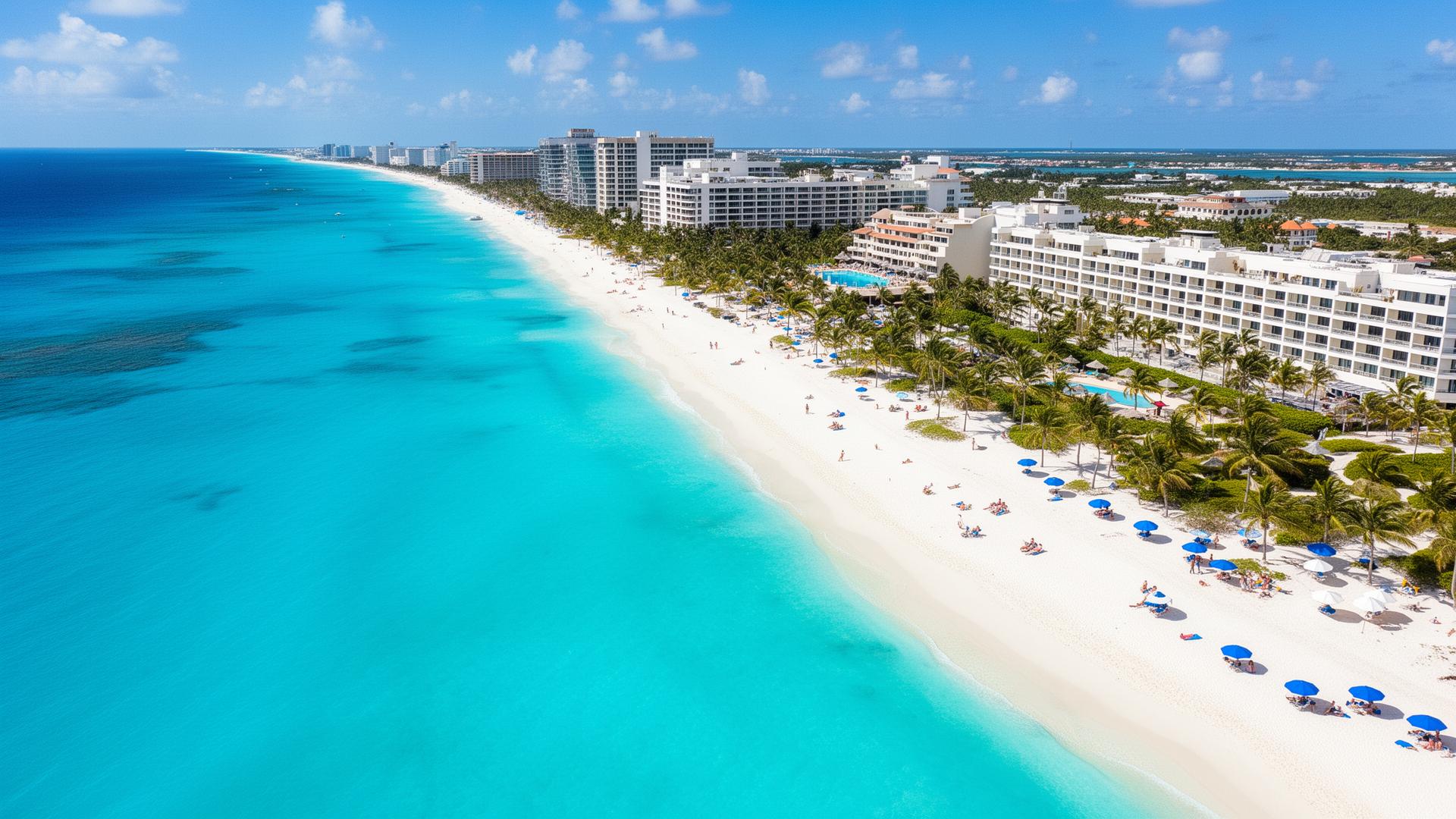
The sand in Cancún is made of crushed coral and limestone rather than quartz, which gives it a distinctive bright white color and a remarkable quality — it stays cool under your feet even in the midday tropical sun. This geological detail, unique to the Yucatán Peninsula, means you can walk barefoot across the beach at high noon without discomfort, something that cannot be said for many other beach destinations.
The water color is equally distinctive. The Caribbean Sea off Cancún ranges from pale aquamarine in the shallows to deep sapphire further out, with clarity that allows you to see fish and sea grass from the surface without any equipment. The combination of white sand and clear Caribbean water creates the kind of color palette that looks digitally enhanced in photographs but is simply what this coastline looks like in person.
Top Beaches to Visit
Playa Delfines sits at the southern end of the Hotel Zone and consistently ranks as the most beautiful public beach in Cancún. The beach is wide, uncrowded compared to resort-fronted stretches, and offers the iconic view of the turquoise Caribbean with the Cancún skyline in the distance. The famous Cancún sign sits here, making it a popular photo spot, but the beach is large enough that crowds never feel overwhelming.
Playa Forum, located in the heart of the Hotel Zone near the nightclub district, attracts a younger, more energetic crowd. The beach offers water sports rentals, beachfront bars, and easy access to the entertainment zone. The water here is on the open Caribbean side, so expect more wave action than the lagoon-facing beaches.
Playa Norte on nearby Isla Mujeres, accessible by a short ferry ride, offers what many consider the finest swimming beach in the entire Cancún region. The water is absurdly calm, impossibly clear, and shallow enough to wade out hundreds of feet from shore. A day trip to Isla Mujeres is worth the effort for this beach alone.
For families seeking calmer conditions on the mainland, the beaches along the northern arm of the Hotel Zone face Bahía de Mujeres rather than the open Caribbean. Playa Linda and Playa Langosta offer gentler surf, shallower water, and easier conditions for young swimmers.
Best Time to Visit
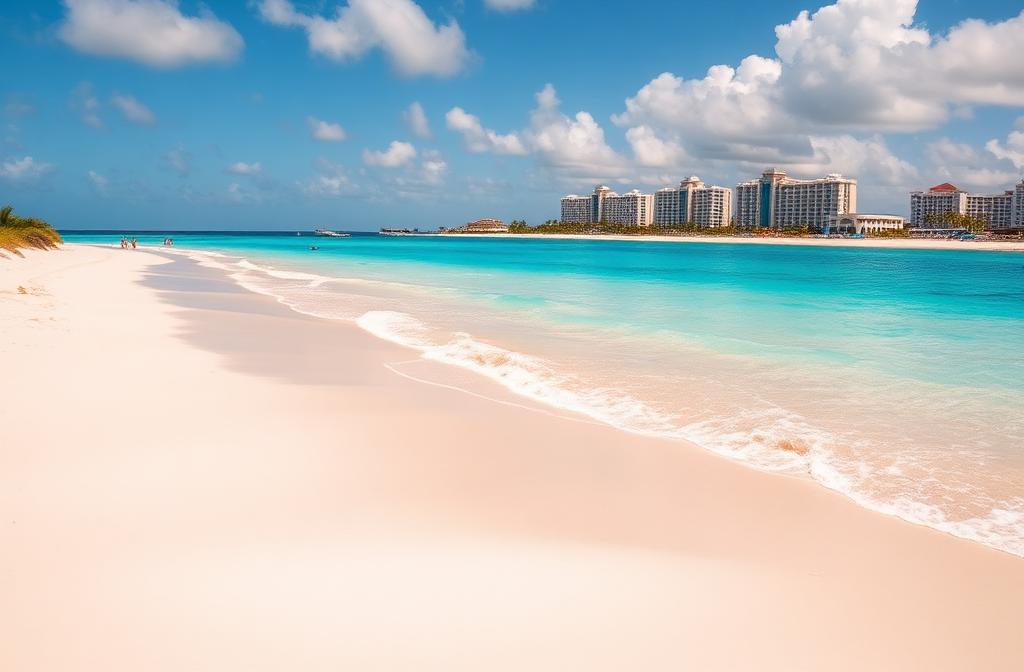
The ideal window for Cancún beaches runs from December through April, when rainfall is minimal, humidity is lower, and temperatures hover in the comfortable low 80s. This coincides with peak tourist season, so expect higher hotel rates and busier beaches during these months.
The shoulder months of May and November offer an excellent compromise — warm weather, lower prices, and thinner crowds. The summer months bring higher humidity and afternoon rain showers, but mornings are typically clear and the rainfall usually passes within an hour. Hurricane season officially runs from June through November, with September and October carrying the highest storm risk.
Nearby Attractions
Cancún serves as a gateway to some of the most remarkable natural and archaeological sites in Mexico. The ancient Mayan ruins of Chichén Itzá and Tulum make for unforgettable day trips, with Tulum's clifftop ruins overlooking the Caribbean providing one of the most photographed scenes in all of Mexico.
The cenotes — natural sinkholes filled with crystal-clear freshwater — dot the Yucatán landscape and offer a completely different kind of swimming experience. Cenote Ik Kil and Gran Cenote near Tulum are among the most popular, but dozens of lesser-known cenotes provide more private experiences.
For underwater exploration, the Cancún Underwater Museum (MUSA) features over 500 sculptures submerged in the Caribbean, accessible by snorkeling or diving. The nearby reef systems also offer world-class diving and snorkeling in Fort Lauderdale without the museum's artistic additions.
Where to Stay
The Hotel Zone concentrates Cancún's resort properties along a 14-mile strip, with location along the strip determining your beach experience. The northern section offers calmer waters and is generally more family-oriented. The central section provides the most dining and nightlife options. The southern section, near Playa Delfines, tends to be quieter and more spacious.
Downtown Cancún offers significantly lower accommodation prices and a more authentic Mexican experience, though you will need transportation to reach the Hotel Zone beaches. Many visitors find that splitting their stay between a downtown hotel and a resort provides the best of both worlds.
Local Tips
All beaches in Mexico are public by law, meaning you can access any stretch of coastline regardless of which resort fronts it. Some resort properties make access difficult, but legal right-of-way paths exist at regular intervals along the Hotel Zone.
The red flag system at Cancún beaches should be taken seriously — the Caribbean side can develop dangerous rip currents and strong undertow, particularly during weather changes. Swim only at flagged and monitored beach sections, and respect the warning system.
Bring pesos for beach vendors and small purchases, as the exchange rates offered by beachside vendors for dollars are typically unfavorable. For fishing charters and organized tours, booking through your hotel or a reputable agency generally provides better value and reliability than negotiating with beach-based solicitors.
Book Your Beach Getaway
Find the best deals on flights, hotels, and car rentals for your perfect beach vacation.