Best Beaches in Cabo San Lucas
From Medano Beach to Lover's Beach at Land's End, discover Cabo's most stunning Pacific and Sea of Cortez shores.
By BeachLoco Editorial Team
Overview
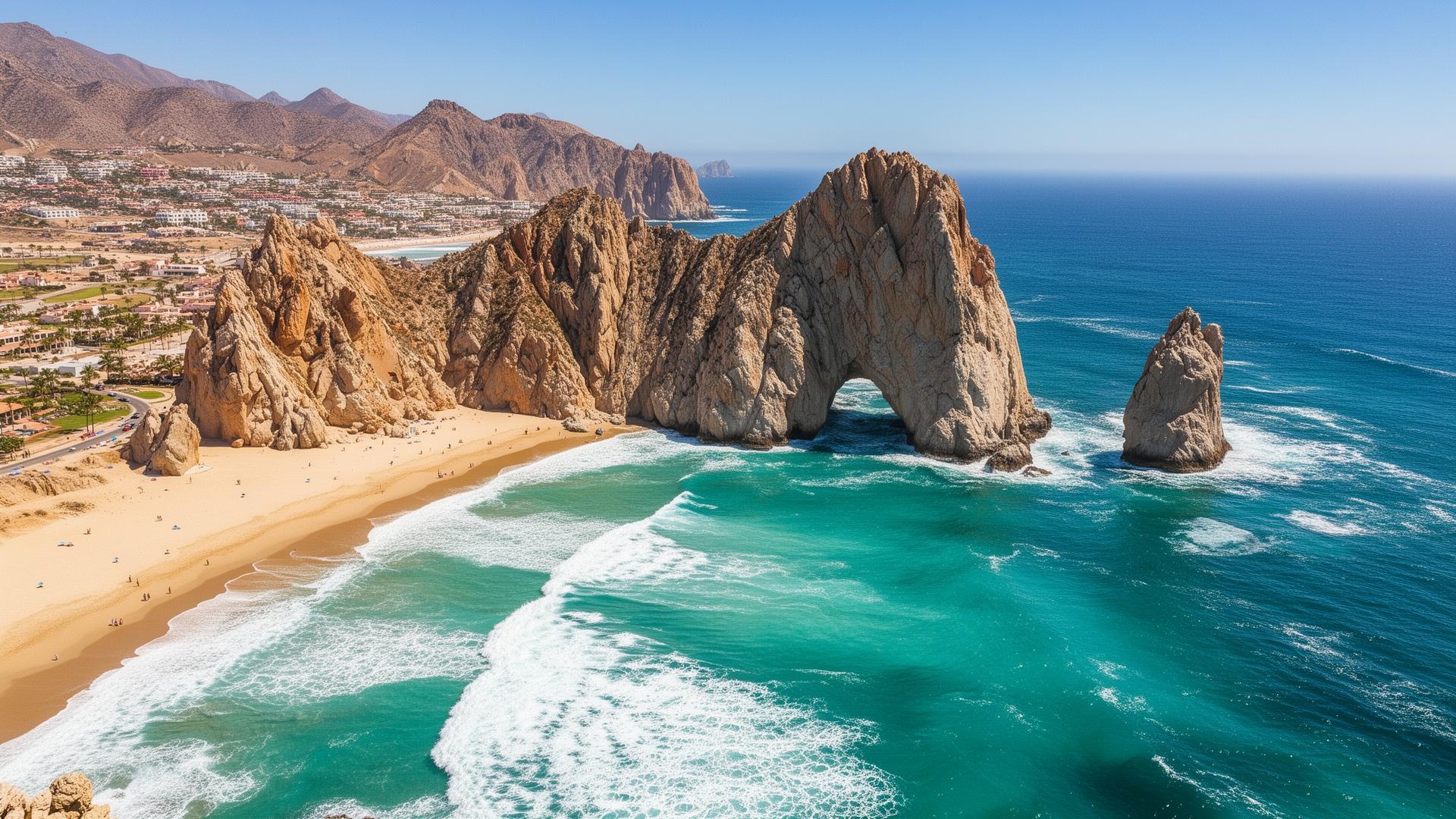
Cabo San Lucas sits at the dramatic tip of the Baja California Peninsula, where desert landscapes plunge into the sea and some of the most spectacular beaches in the Americas await discovery. The beaches of Cabo and the surrounding Los Cabos corridor offer a striking diversity that few destinations can match — from the iconic rock arch at Land's End framing turquoise waters to serene Sea of Cortez coves where snorkeling reveals vibrant marine life, to wild Pacific shores where powerful waves crash against golden sand. This is a coastline of dramatic contrasts.
What makes Cabo's beaches truly exceptional is the convergence of two distinct bodies of water, each creating fundamentally different shoreline experiences. The Sea of Cortez delivers calm, warm, crystal-clear waters ideal for swimming and snorkeling, while the Pacific side produces powerful surf, dramatic rock formations, and sunsets that have become legendary among travelers worldwide. Understanding this geographic duality is key to choosing the perfect Cabo beach experience.
Why Cabo's Beaches Are Popular
The visual drama of Cabo's coastline is unmatched in Mexico. The desert mountains of the Sierra de la Laguna range descend directly to the shore, creating a landscape where towering cacti frame ocean views and dramatic rock formations emerge from the surf. This desert-meets-ocean aesthetic produces a beach experience that feels exotic and otherworldly compared to tropical or temperate coastal destinations. The golden and amber sand tones, unusual rock formations, and stark desert vegetation behind the beach create a visual palette unique to Baja California.
The year-round sunshine that Cabo enjoys — averaging over 300 sunny days annually — makes it one of the most reliable beach destinations in the hemisphere. While other beach destinations contend with rainy seasons that can disrupt vacation plans, Cabo's arid climate ensures that beach days are almost always available. The air temperature hovers between 75°F and 95°F throughout the year, creating comfortable conditions for beach enjoyment in every season.
The infrastructure supporting beach tourism in Cabo has developed to world-class standards while maintaining the destination's essential character. Beachfront resorts along the Tourist Corridor provide direct sand access with full amenities, water sport operators offer everything from kayaking to parasailing, and the restaurant scene along the marina and San José del Cabo delivers exceptional dining that complements the beach experience. This combination of natural beauty and developed infrastructure makes Cabo accessible to every type of beach traveler.
What Makes These Beaches Unique
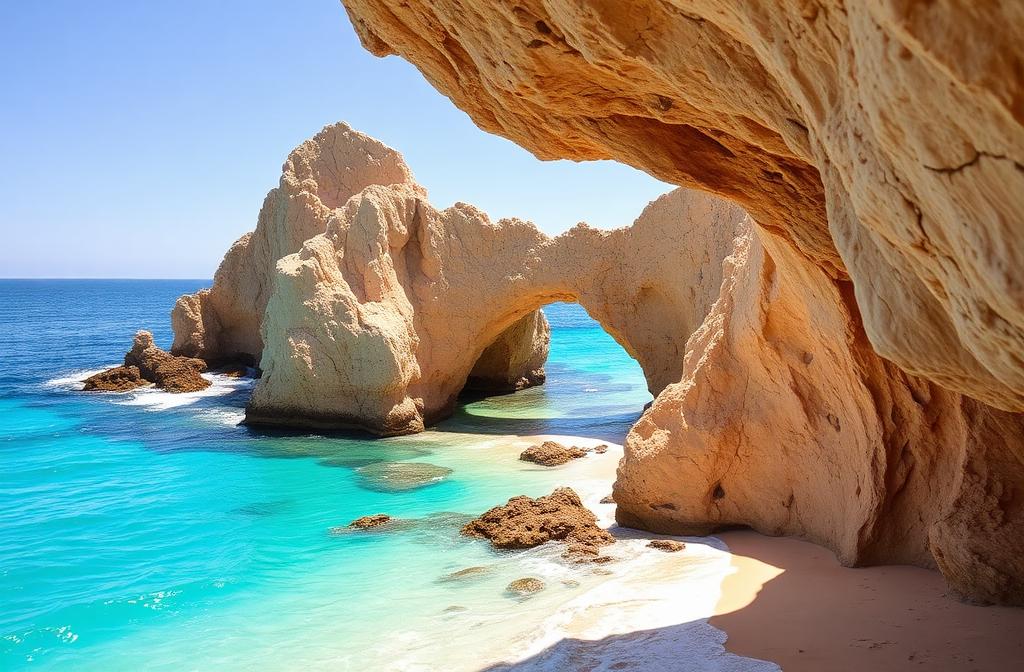
Playa del Amor — Lover's Beach — occupies one of the most extraordinary settings of any beach on earth. Accessible only by water taxi, this small stretch of sand sits at the very tip of the Baja Peninsula, nestled between the famous Arch of Cabo San Lucas and towering rock formations. On one side, calm Sea of Cortez waters lap gently at the shore; on the other, the Pacific side (known as Divorce Beach) churns with powerful waves. The juxtaposition is visually stunning and the location feels almost mythical in its beauty.
Chileno Bay stands out as Cabo's premier swimming and snorkeling beach. The protected marine sanctuary creates conditions where crystal-clear water reveals vibrant reef life directly from shore — no boat required. King angelfish, Moorish idols, and the distinctive Mexican hogfish are among the colorful species that make Chileno Bay a natural aquarium. The beach itself is beautiful — a crescent of golden sand backed by desert hillsides — and the marine sanctuary designation limits boat traffic, maintaining the tranquil atmosphere. For detailed underwater exploration tips, see our snorkeling in Cabo guide.
Playa Palmilla, on the Sea of Cortez side of the corridor, offers what many consider the finest swimmable beach in Los Cabos. The protected bay features calm, clear water, excellent swimming conditions, and a setting that balances natural beauty with convenient access. The historic fishing village atmosphere — still evident in the pangas pulled up on the sand — adds authentic character that resort beaches cannot replicate.
Best Time to Visit
October through May represents the optimal beach season, with warm, sunny weather and comfortable water temperatures. The winter months (December through March) bring the most pleasant air temperatures — warm days in the low 80s with cool, comfortable evenings — and the driest conditions. This period coincides with whale watching season, when humpback and gray whales are visible from the beaches, adding a spectacular natural element to the beach experience.
Summer (June through September) brings the warmest water temperatures and the best conditions for water sports, but also higher humidity and the possibility of tropical weather systems. The Pacific side produces larger swells during summer, attracting surfers to breaks like Zippers and The Rock near San José del Cabo. The Sea of Cortez side remains calm and swimmable throughout summer, making it the reliable choice for beach days during the warmer months.
The shoulder months of May and October offer an excellent combination of good weather, reduced crowds, and lower resort rates. The ocean is warm, the days are sunny, and the destination operates at a more relaxed pace than during peak winter season. These months are particularly appealing for travelers who want to enjoy Cabo's beaches without the crowds that descend during American holidays and spring break.
Nearby Attractions
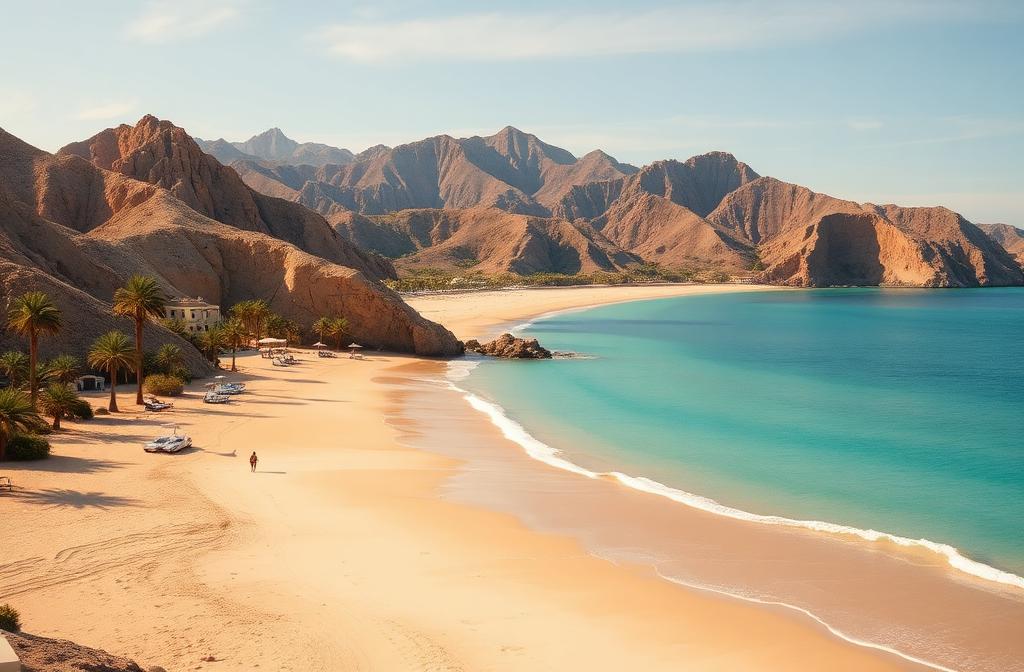
The Arch of Cabo San Lucas (El Arco) is the region's most iconic landmark, a natural rock formation where the Pacific Ocean meets the Sea of Cortez. Water taxis from the marina provide close-up views and beach access to Lover's Beach at the arch's base. During low tide, it is possible to walk between the Pacific and Sea of Cortez sides, experiencing both bodies of water within a few steps of each other.
San José del Cabo's art district provides a cultural complement to beach activities. The Thursday evening gallery walks showcase the work of local and international artists in charming colonial-era buildings. The town square, anchored by the 18th-century Misión San José del Cabo, offers excellent restaurants, craft shops, and a weekly organic market that reflects the growing farm-to-table movement in Los Cabos.
Cabo Pulmo National Marine Park, about 60 miles northeast, offers the best snorkeling and diving in the region within a protected reef system that has made a remarkable recovery from overfishing. The park's massive schools of fish — particularly the famous jack 'tornado' — create underwater spectacles that have earned global recognition. A day trip to Cabo Pulmo combines world-class marine encounters with the scenic drive through the East Cape landscape. See our luxury resorts in Cabo for accommodation inspiration.
Where to Stay
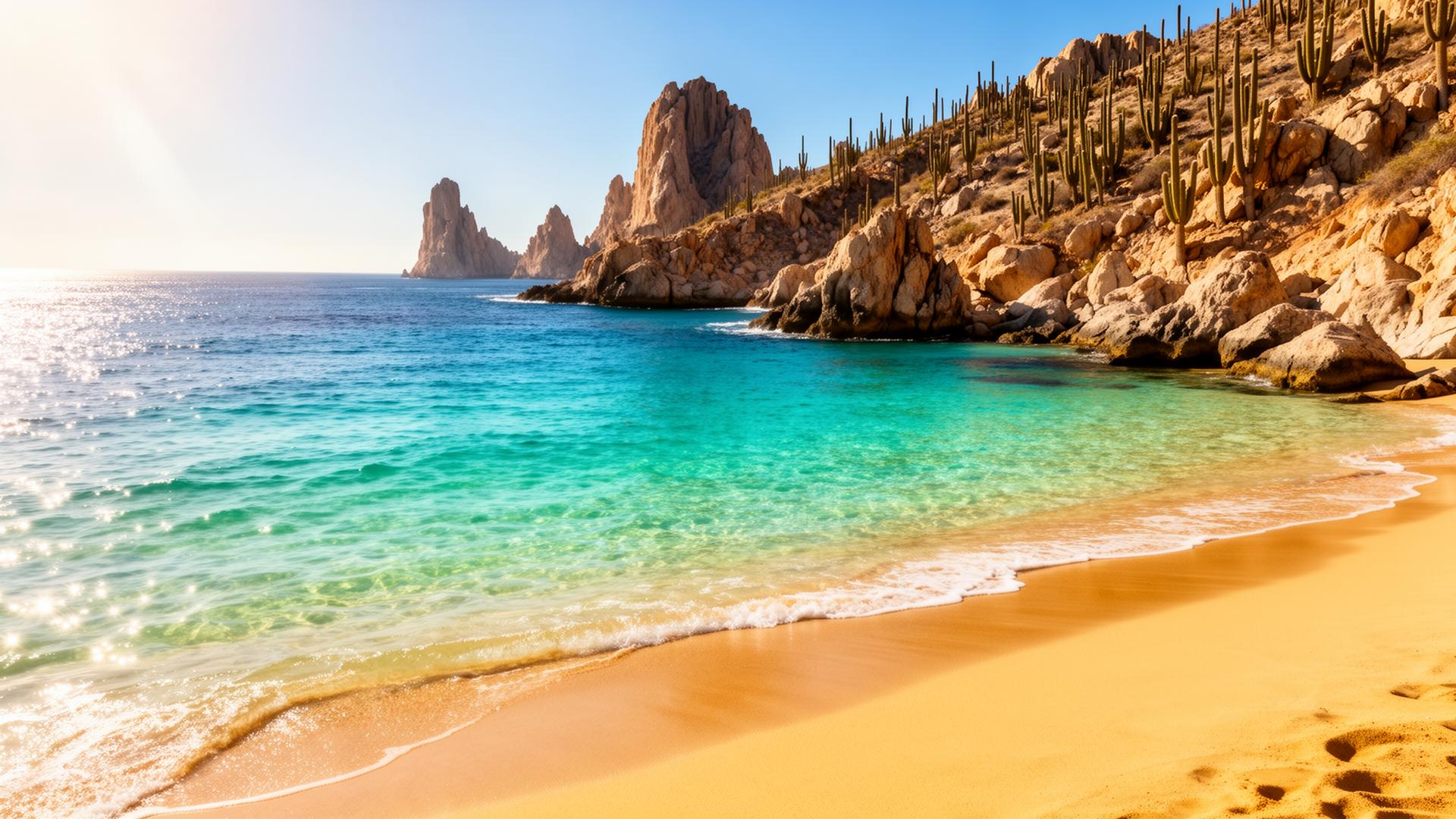
The Tourist Corridor between Cabo San Lucas and San José del Cabo hosts the highest concentration of beachfront resorts, with properties ranging from all-inclusive mega-resorts to intimate boutique hotels. This stretch provides direct access to the best swimming beaches — Chileno Bay, Santa Maria Bay, and Palmilla — and most properties offer beach service including cabanas, umbrellas, and food and beverage delivery to the sand.
Cabo San Lucas town provides a more vibrant, social base with easy access to the marina, restaurants, and nightlife. Medano Beach — the only safe swimming beach within the town itself — is lined with beach clubs and restaurants that create a lively daytime scene. Staying in town puts you closest to the water taxi services that access Lover's Beach and the Arch area.
San José del Cabo offers a quieter, more culturally oriented alternative with boutique hotels in the historic center and luxury resorts along the eastern beach. The town's authentic Mexican character, excellent restaurant scene, and proximity to surf breaks make it appealing to travelers who want depth alongside their beach experience. The emerging hotel scene in the nearby East Cape area provides the most remote, off-grid beach experiences in the Cabo region.
Local Tips
Pay close attention to beach safety flags and posted warnings. Several of Cabo's most beautiful beaches — including Divorce Beach, Solmar Beach, and much of the Pacific coastline — have extremely dangerous swimming conditions with powerful undertows and shore break. These beaches are spectacular for walking, photography, and sunset watching, but entering the water can be life-threatening. Swim only at designated safe beaches.
Water taxis from the Cabo San Lucas marina are the most enjoyable way to reach Lover's Beach and view the Arch. Negotiate your return pickup time before departing, and arrive early in the morning for the most peaceful beach experience and the best snorkeling conditions on the Sea of Cortez side. The area becomes progressively busier as tour boats arrive throughout the morning.
Bring reef-safe sunscreen, as the intense Baja sun combined with reflected light off the water creates significant UV exposure. The desert climate means low humidity, which can mask the intensity of the sun — many visitors underestimate the exposure and burn badly on their first day. Apply generously and reapply frequently, and consider wearing a rash guard or UV-protective shirt for extended water activities.
For the most memorable sunset experience, head to Sunset Beach or the rooftop bar at one of the marina-area hotels. The Pacific-facing beaches receive the full sunset display, with the Baja desert mountains creating dramatic silhouettes against the color-saturated sky. The nightly sunset spectacle is one of Cabo's great free entertainment experiences and has become a daily ritual for visitors and residents alike.