Snorkeling in Cabo San Lucas — Sea of Cortez Adventures
Discover Cabo's best snorkeling spots in the Sea of Cortez, from Chileno Bay to Santa Maria Beach.
By BeachLoco Editorial Team
Overview
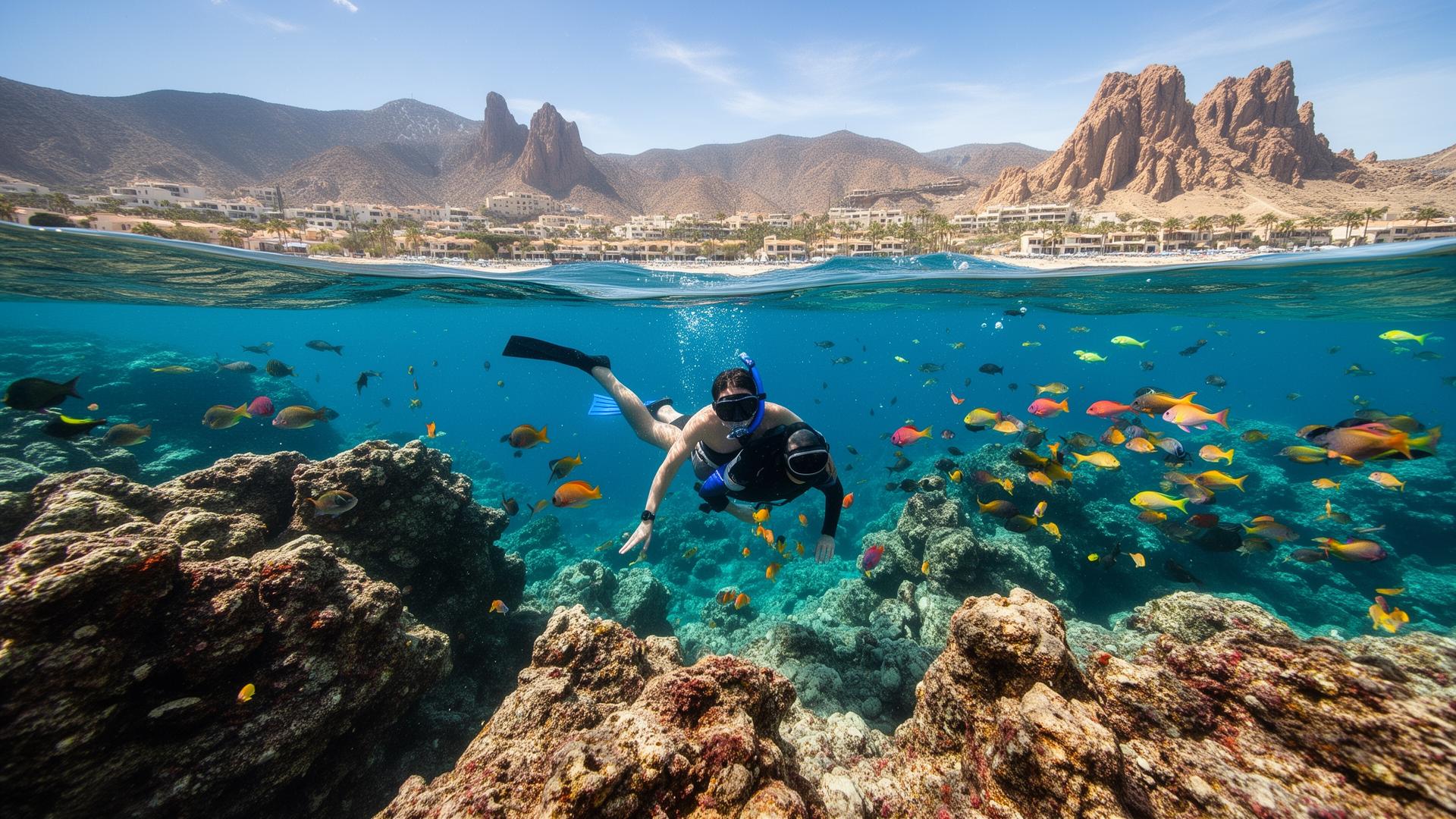
Los Cabos offers a snorkeling experience unlike anywhere else in the Americas — a place where the warm Pacific Ocean meets the nutrient-rich Sea of Cortez, creating underwater environments of extraordinary diversity and beauty. Jacques Cousteau called the Sea of Cortez "the world's aquarium," and snorkelers exploring the waters around Cabo San Lucas quickly understand why. From the iconic rock arch at Land's End to the protected marine parks along the corridor, the snorkeling here reveals a marine world that is both accessible and genuinely remarkable.
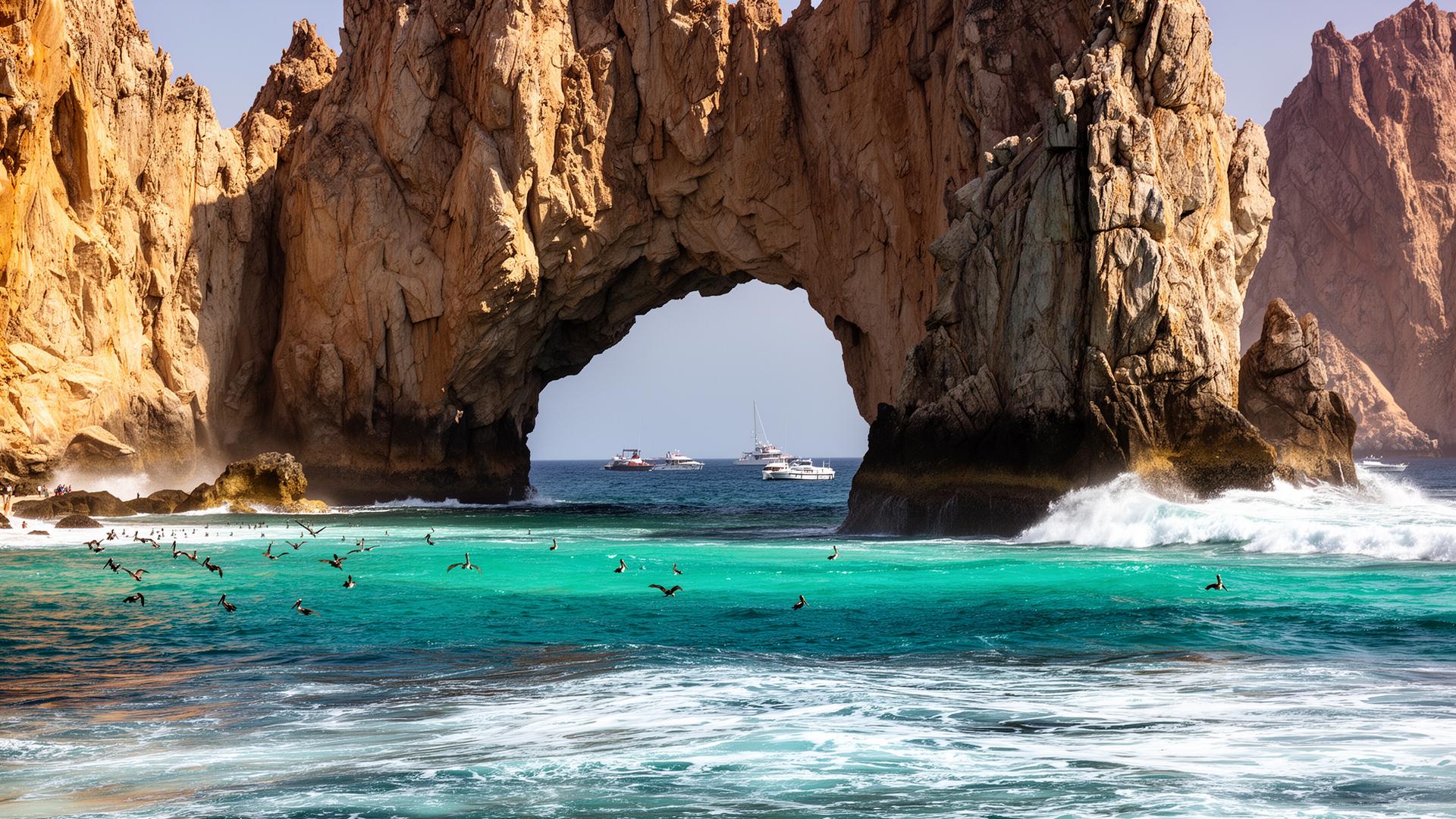
What distinguishes Cabo snorkeling from other popular destinations is the dramatic contrast between two distinct marine ecosystems. The Pacific side features cooler waters with kelp forests, sea lions, and marine species typically associated with California waters. The Sea of Cortez side offers warmer, calmer conditions with tropical fish, coral formations, and the extraordinary biodiversity that supports over 900 fish species — more than any other sea of comparable size on earth.
Why Cabo Is Popular for Snorkeling
The geographic convergence at Land's End — where the Pacific and the Sea of Cortez literally collide — creates unique oceanographic conditions that concentrate marine life in accessible areas. Nutrient upwellings from deep submarine canyons bring cold, food-rich water to the surface, supporting a food chain that begins with plankton blooms and culminates in whale sharks, manta rays, and massive schools of pelagic fish. This biological productivity means snorkelers encounter not just reef fish but also larger marine species that are rarely seen at other snorkeling destinations.
Cabo's warm, clear waters provide comfortable snorkeling conditions for most of the year. Water temperatures in the Sea of Cortez range from 70°F in winter to 85°F in summer, with visibility typically between 30 and 60 feet. The protected bays along the corridor — particularly Chileno Bay and Santa Maria Bay — offer calm conditions even when the open ocean is rough, ensuring that productive snorkeling sites are available in virtually any weather.
The snorkeling tour infrastructure in Cabo is well-developed, with operators offering everything from budget-friendly group boat trips to private yacht excursions with gourmet lunches and dedicated naturalist guides. Glass-bottom boat tours provide an alternative for those who prefer to observe marine life without entering the water, and many operators combine snorkeling with other activities like whale watching (seasonal), beach hopping, and visits to the famous Arch.
What Makes Cabo Snorkeling Unique
Chileno Bay is widely regarded as the finest shore-entry snorkeling site in Cabo, and for good reason. The protected marine sanctuary harbors a reef system of remarkable health and diversity, with hard corals, sea fans, and sponge gardens supporting dense populations of tropical fish. King angelfish, Moorish idols, Mexican hogfish, and Cortez rainbow wrasse are among the signature species — many found nowhere else in the world. The bay's designation as a protected area limits boat traffic and fishing, creating an underwater sanctuary that thrives on conservation.
The sea lion colony at Los Islotes (accessible from La Paz, about two hours from Cabo) offers one of the most extraordinary marine encounters available to snorkelers anywhere. These playful California sea lions swim, twist, and interact with snorkelers in their natural habitat, displaying a curiosity and playfulness that creates genuinely magical moments. The experience of having a sea lion pup swim up to your mask, blow bubbles at you, and then dart away in a spiral of agility is unforgettable.
Cabo Pulmo National Marine Park, located about 60 miles northeast of Cabo San Lucas, represents one of the greatest conservation success stories in the marine world. After decades of overfishing, the local community agreed to establish a no-take marine park in 1995. The result has been a stunning recovery — fish biomass has increased by over 460 percent, and the reef now supports massive schools of jack, snapper, and grouper in densities that marine biologists describe as extraordinary. Snorkeling at Cabo Pulmo is like visiting an ocean from a different era.
Best Time to Visit
The prime snorkeling season runs from May through November, when water temperatures are warmest and visibility is typically best. June through September provides the most comfortable water temperatures for extended sessions without a wetsuit, and the calm conditions in the protected bays are near-perfect for snorkeling. Marine life is at its most active during these warmer months, with more species visible and feeding behavior that creates dynamic underwater scenes.
Whale shark season (October through February) adds an extraordinary dimension to the Cabo snorkeling calendar. These gentle giants — the largest fish in the ocean — congregate in the Sea of Cortez to feed on plankton, and swimming alongside them is a bucket-list experience. The encounters are closely regulated to protect the animals, but the experience of floating beside a 30-foot whale shark in crystal-clear water is profoundly moving.
Winter months (December through March) bring whale watching opportunities that complement the snorkeling experience. Humpback whales migrate to the warm waters of Cabo to breed and calve, and their breaching, tail-slapping displays are visible from shore and boat alike. Water temperatures drop to the low 70s during winter, making a thin wetsuit or rash guard advisable for extended snorkeling. For more Pacific snorkeling options, see our Miami Beach snorkeling and Florida snorkeling guides.
Nearby Beaches and Attractions
Playa del Amor (Lover's Beach) at Land's End provides the most iconic Cabo beach experience, accessible only by water taxi from the marina. The beach sits dramatically between the Pacific and the Sea of Cortez, and while the Pacific side (Divorce Beach) is too dangerous for swimming, the Sea of Cortez side offers protected waters with excellent snorkeling along the rocky formations. The rock arch itself, visible from the beach, is one of the most photographed natural landmarks in Mexico. Browse our best beaches in Cabo guide.
Santa Maria Bay, located along the Tourist Corridor between Cabo San Lucas and San José del Cabo, offers another excellent protected snorkeling site. The horseshoe-shaped bay features a sandy beach backed by dramatic desert hills, and the reef along the bay's rocky edges hosts diverse marine life. The combination of beautiful beach setting and quality snorkeling makes Santa Maria an ideal half-day destination.
San José del Cabo's estuary — the Estero San José — provides a completely different ecological experience. This freshwater marsh where the desert meets the sea supports over 200 bird species and serves as one of the most important wildlife habitats in Baja California Sur. Guided nature walks through the estuary offer bird watching, botanical education, and insight into the unique desert-ocean ecosystem that defines the Cabo region.
Where to Stay
The Tourist Corridor between Cabo San Lucas and San José del Cabo places you closest to the best snorkeling sites, with many resorts offering direct beach access to Chileno Bay or Santa Maria Bay. Properties in this area range from all-inclusive mega-resorts to boutique hotels, and several offer complimentary snorkeling equipment and guided reef tours. The corridor's elevated position provides stunning views of the Sea of Cortez from most properties.
Cabo San Lucas itself provides the most convenient access to snorkeling tour operators and water taxi services to Land's End and Lover's Beach. The marina area serves as the departure point for most organized excursions, and staying nearby eliminates early morning transportation logistics. The town's restaurant and nightlife scene also provides the best evening entertainment options. See our luxury resorts in Cabo for premium recommendations.
San José del Cabo offers a quieter, more culturally oriented base for snorkeling-focused visitors. While slightly farther from the main snorkeling sites, the town's authentic Mexican character, excellent restaurant scene, and gallery district provide a richer overall vacation experience. Several operators offer pickup from San José hotels, making the logistics manageable. The town's boutique hotel scene has blossomed in recent years, with stylish properties set in the restored colonial center.
Local Tips
Bring or rent a snorkel vest for buoyancy — the Sea of Cortez has less salinity than the Caribbean, meaning you float slightly less naturally. A snorkel vest allows you to relax on the surface without constant kicking, extending your snorkeling sessions and reducing fatigue. Most rental shops in Cabo offer vests alongside standard mask-snorkel-fin packages.
The best snorkeling conditions occur in the morning before afternoon winds kick up. Plan to be in the water by 9 or 10 AM for optimal visibility and calm conditions. This is particularly important at open-water sites like Santa Maria Bay, where afternoon winds can create chop that reduces visibility and makes surface swimming uncomfortable.
If you plan to visit Cabo Pulmo, allow a full day for the excursion. The drive takes about 90 minutes each way over partially unpaved roads, but the snorkeling experience justifies the effort. Book with an operator who provides guided interpretation — having a marine biologist or naturalist point out species and explain the reef's recovery story transforms a good snorkeling session into an educational adventure.
Respect the marine environment by maintaining appropriate distance from all wildlife, particularly sea turtles and whale sharks. While the temptation to touch or closely approach these animals is strong, maintaining a respectful distance ensures both your safety and the animals' welfare. The clearest, most memorable encounters often happen when you stay still and let curious marine life come to you.