Snorkeling in Miami Beach — Reefs, Wrecks & Marine Life
Explore Miami Beach's underwater world with guided snorkeling tours to nearby reefs, shipwrecks, and marine sanctuaries.
By BeachLoco Editorial Team
Overview
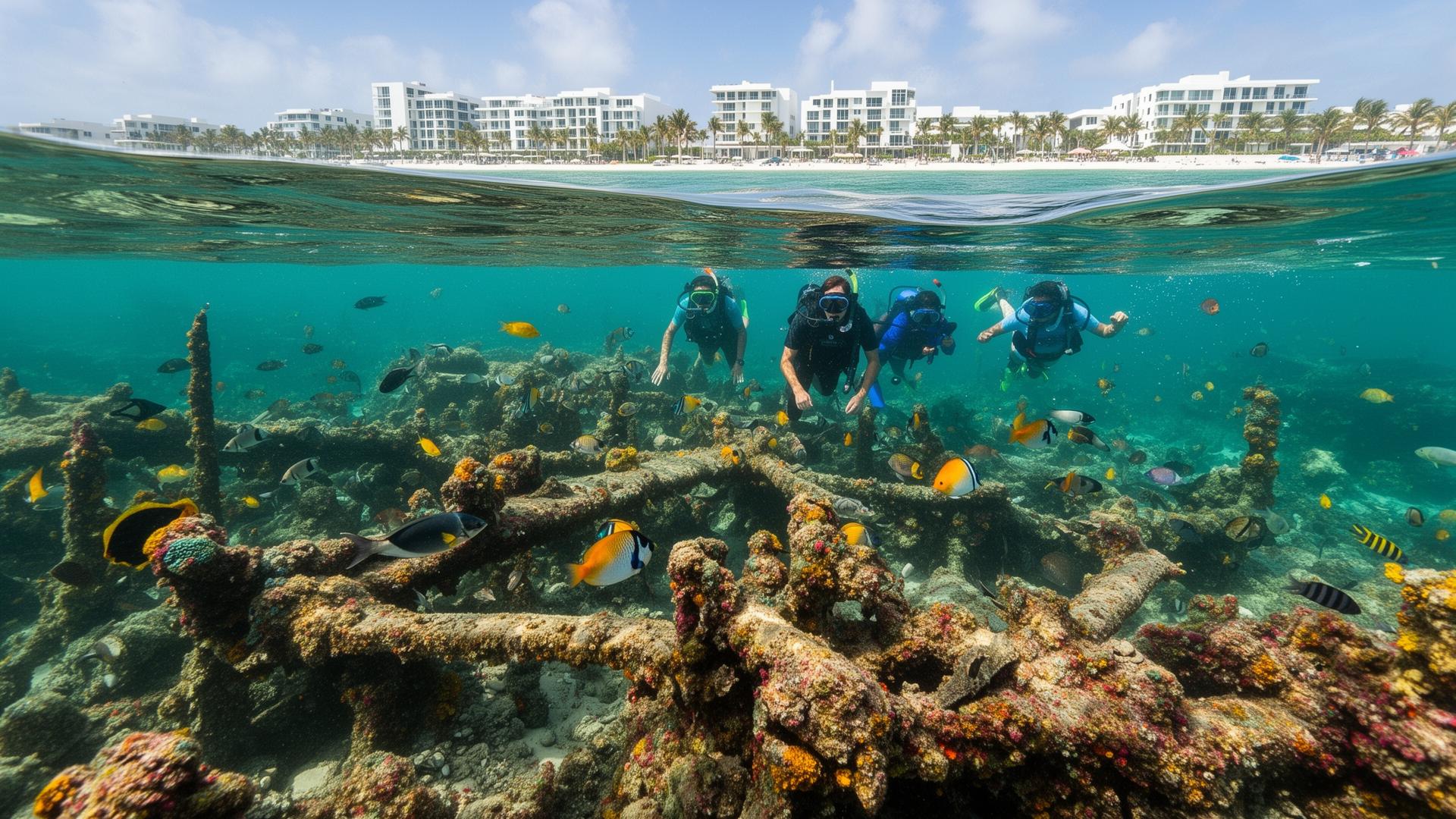
Miami Beach's snorkeling scene offers a surprisingly rich underwater world that many visitors overlook in favor of the destination's legendary beaches, nightlife, and cultural attractions. Beneath the turquoise Atlantic waters that frame this iconic barrier island, vibrant reef systems, artificial structures, and diverse marine habitats support an array of tropical fish, sea turtles, and marine life that create genuinely rewarding snorkeling experiences. From shore-entry sites accessible within walking distance of South Beach hotels to boat-accessed reef systems teeming with Caribbean species, Miami Beach delivers underwater adventures that complement its world-famous above-water attractions.
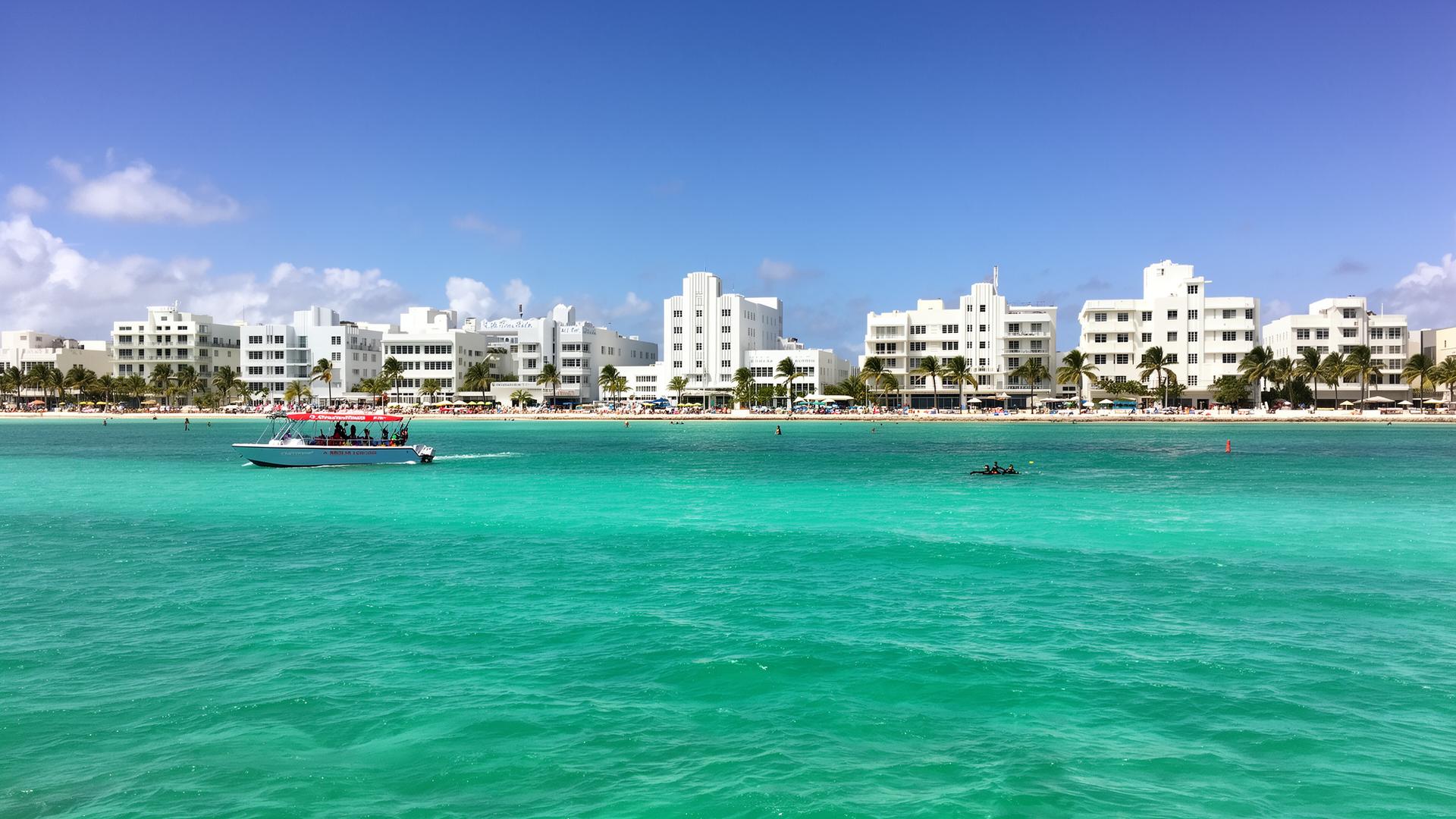
What makes Miami Beach snorkeling particularly appealing is the combination of warm, clear water with the convenience of a major urban destination. You can snorkel over vibrant coral formations in the morning, enjoy a world-class lunch on Lincoln Road at noon, and explore the Art Deco district by afternoon — a versatility that dedicated snorkeling destinations simply cannot match.
Why Miami Beach Is Popular for Snorkeling
The Gulf Stream's proximity to Miami Beach brings warm, clear water from the Caribbean close to shore, maintaining water temperatures between 72°F and 86°F throughout the year. This constant supply of warm, nutrient-bearing current supports healthy reef ecosystems that many visitors are surprised to find so close to a major metropolitan area. Visibility regularly exceeds 30 feet on calm days, and the warm water allows comfortable snorkeling in every season — a significant advantage over destinations with distinct off-seasons.
The reef systems off Miami Beach benefit from extensive protection under Florida's reef management programs. The shallow nearshore reefs, lying in 10 to 25 feet of water, host communities of hard and soft corals that provide habitat for hundreds of fish species. Parrotfish, angelfish, wrasses, grunts, and sergeant majors are common sightings, while larger species like nurse sharks, southern stingrays, and sea turtles make regular appearances that thrill snorkelers.
The snorkeling infrastructure in Miami Beach is well-developed and accessible. Multiple operators run daily reef trips from various departure points along the beach and from nearby marinas. Equipment rental is available at beach concessions and dive shops throughout the island, and many hotels include snorkeling gear in their water sports amenities. For first-time snorkelers, the warm water, gentle currents, and professional guides create an ideal learning environment.
What Makes Miami Beach Snorkeling Unique
The artificial reef program off Miami-Dade County has created one of the most extensive networks of underwater structures on the Atlantic coast. Decommissioned ships, concrete modules, and purpose-built reef structures have been deployed at various depths, creating fish-attracting habitat that supplements the natural reef. These artificial reefs have matured over decades, developing rich communities of coral, sponge, and marine life that are indistinguishable from natural reef to the casual observer.
The wreck snorkeling opportunities near Miami Beach add a dimension of adventure that pure reef destinations lack. Several deliberately scuttled vessels lie in water shallow enough for snorkeling access during calm conditions, their rusting hulls encrusted with coral and teeming with fish. The experience of hovering over a sunken ship, peering through portholes at schools of fish sheltering in the interior, combines marine ecology with maritime mystery.
The unique urban-meets-ocean character of Miami Beach snorkeling creates juxtapositions that are genuinely remarkable. Floating over a vibrant reef while the Miami skyline rises in the background, watching sea turtles glide past while cruise ships traverse the nearby shipping channel, or surfacing from a coral garden to see Art Deco towers lining the shore — these contrasts between natural wonder and human creation are exclusive to this destination.
Best Time to Visit
Summer months (June through September) provide the optimal snorkeling conditions, with the warmest water temperatures, best visibility, and calmest seas. The Atlantic is at its most placid during summer, with long stretches of light winds and flat water that maximize access to reef sites and visibility underwater. Marine life activity peaks during summer, with more species visible and active feeding behavior that creates dynamic underwater scenes.
Spring (March through May) offers a compelling combination of improving water conditions and lower tourist density. Water temperatures climb from the low 70s to the upper 70s, visibility improves steadily, and the reef awakens from winter dormancy with new growth and spawning activity. This period provides excellent snorkeling with fewer boats on the water and more personal space at popular reef sites.
Winter snorkeling (November through February) remains viable with water temperatures in the low 70s — comfortable with a thin wetsuit or quality rash guard. While cold front passages can temporarily reduce visibility, the calm periods between systems often produce exceptional clarity. Winter brings unique wildlife sightings, including manatees that occasionally appear in the warmer inshore waters. For more Florida underwater experiences, see our Florida snorkeling guide and Key West snorkeling.
Nearby Beaches and Attractions
Biscayne National Park, accessible by boat from the mainland side of Miami Beach, protects one of the most pristine marine environments in Florida. The park's coral reefs, sea grass beds, and mangrove shorelines support extraordinary biodiversity, and the snorkeling on the park's shallow reefs is among the best in the state. The clear, protected waters within the park provide excellent conditions for beginners and experienced snorkelers alike.
Key Biscayne, accessible via the Rickenbacker Causeway, offers excellent beach snorkeling at Bear Cut, where rocks and reef structure attract fish in accessible shallow water. Bill Baggs Cape Florida State Park at the island's southern tip provides a beautiful natural beach with the historic Cape Florida Lighthouse as a backdrop. The short drive from Miami Beach makes Key Biscayne an easy day trip that combines snorkeling with beach relaxation and historical exploration.
South Pointe Park at the southern tip of Miami Beach offers beachside activities and spectacular views of Government Cut, where cruise ships, cargo vessels, and marine life pass in close proximity to shore. The jetty rocks attract fish and create a basic shore-snorkeling opportunity, and the park's beaches are excellent for swimming and sunbathing. Check our best beaches in Miami Beach guide for complete beach recommendations.
Where to Stay
South Beach provides the most convenient access to snorkeling operators and equipment rental, with several tour companies departing from the beach or nearby marina facilities. The vibrant neighborhood ensures excellent dining, nightlife, and cultural activities for non-snorkeling hours, making South Beach ideal for visitors who want to combine underwater exploration with Miami Beach's legendary above-water attractions.
Mid-Beach (24th through 63rd Streets) offers a quieter base with excellent beach access and proximity to some of the best nearshore snorkeling spots. The calmer atmosphere and wider beaches in this area provide a more relaxed snorkeling departure experience, and the upscale hotels here often include water sports equipment and guided reef trips among their guest amenities.
For dedicated snorkelers who want to maximize water time, accommodations near Haulover Beach in North Miami Beach provide access to some of the best nearshore reef sites in the area. The less touristy atmosphere and proximity to boat launch facilities make this area attractive for independent snorkelers who prefer to reach reef sites by kayak or personal watercraft. Browse our luxury resorts guide for premium stays.
Local Tips
Morning snorkeling sessions consistently produce the best conditions. Winds are typically lightest before 10 AM, overnight calm allows suspended particles to settle improving visibility, and marine life is most active during the morning feeding period. Plan to be in the water by 8 or 9 AM for optimal conditions, particularly at nearshore reef sites where afternoon boat traffic can reduce visibility.
Reef-safe sunscreen is essential and increasingly required at organized snorkeling sites. Florida has implemented restrictions on sunscreen chemicals that damage coral reefs, and responsible snorkelers should use mineral-based sunscreens with zinc oxide or titanium dioxide. Apply 30 minutes before entering the water for maximum effectiveness, and reapply after extended sessions.
For the best shore-entry snorkeling without a boat, South Beach's Third Street and the jetty at South Pointe offer accessible entry points where rocks and structure attract fish close to the beach. These sites are free, require no advance planning, and can produce surprising encounters with tropical species. Bring your own gear or rent from nearby beach concessions.
Consider a glass-bottom boat tour as a complement to active snorkeling. These tours visit the same reef sites but allow you to observe the underwater world from a dry, comfortable vantage point. They are particularly valuable for identifying specific reef features and fish species before getting in the water, making your subsequent snorkeling sessions more informed and rewarding.