Best Snorkeling Spots in Florida
Discover Florida's most spectacular underwater worlds, from the crystalline waters of the Keys to the natural springs of the interior.
By BeachLoco Editorial
Florida's 1,350-mile coastline harbors an extraordinary variety of snorkeling environments, from the coral-rich reefs of the Keys to the crystal-clear springs of the interior and the surprising underwater worlds along the Gulf and Atlantic coasts. Whether you're floating over a vibrant reef teeming with tropical fish, exploring a freshwater spring where manatees gather, or discovering marine life around an artificial reef, the Sunshine State delivers snorkeling experiences that rival destinations requiring a passport.
Why Florida Is a Snorkeling Paradise
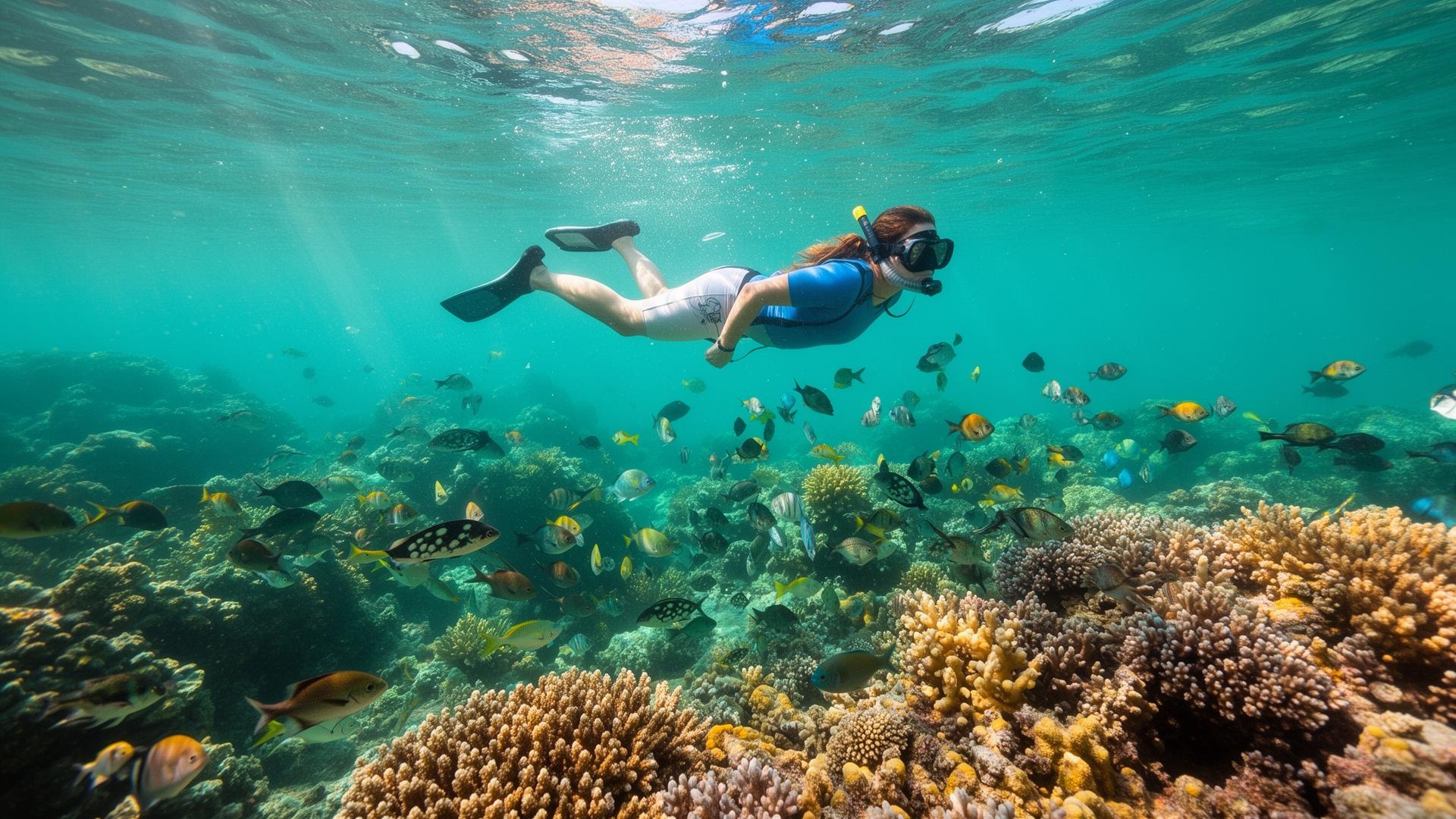
Florida's unique geography creates snorkeling conditions found nowhere else in the continental United States. The state's position between the warm Gulf of Mexico and the Gulf Stream–influenced Atlantic means water temperatures stay snorkel-friendly from March through November in most areas, and year-round in the Keys. The Florida Reef Tract — the third-largest barrier reef system in the world — stretches 360 miles from the Dry Tortugas to Martin County, providing an almost unbroken chain of snorkeling opportunities.
Beyond the reefs, Florida's freshwater springs offer a completely different snorkeling experience. Over 700 natural springs pump millions of gallons of crystal-clear, 72°F water daily, creating windows into underwater river systems where visibility can exceed 100 feet and the resident wildlife includes manatees, turtles, and schools of mullet gliding through ancient limestone channels.
Top Saltwater Snorkeling Spots
John Pennekamp Coral Reef State Park in Key Largo is the crown jewel of Florida snorkeling. As the first undersea park in the United States, it protects a stunning section of the Florida Reef Tract where shallow coral gardens support angelfish, parrotfish, barracuda, nurse sharks, and sea turtles. The park offers boat-based snorkeling tours to popular sites like the Christ of the Abyss statue, as well as shore-entry options at Cannon Beach and Far Beach.
Bahia Honda State Park in the Lower Keys features one of the most photogenic beaches in Florida and excellent snorkeling right from shore. The old Bahia Honda Bridge pilings create an artificial reef structure that attracts a concentration of marine life disproportionate to the site's small size. Loggerhead Key's nearby Dry Tortugas offers arguably the most pristine snorkeling in Florida — 70 miles from the nearest road, the water clarity and marine life density here are extraordinary.
Blue Heron Bridge in Riviera Beach has earned international recognition as one of the world's best shore-entry dive and snorkel sites. The shallow waters (3–15 feet) beneath the bridge harbor seahorses, octopuses, frogfish, and an improbable concentration of rare marine species. Snorkeling here at high tide provides the best visibility and marine life activity.
Destin and the Emerald Coast might not be the first place you associate with snorkeling, but the jetties at East Pass and the nearshore artificial reefs offer surprisingly productive snorkeling in the Gulf's famously clear emerald water. The Destin area provides a different snorkeling experience than the Keys — fewer coral species but excellent fish aggregations around structure, plus the bonus of stunning white sand and turquoise water.
Top Freshwater Snorkeling Spots
Crystal River and Three Sisters Springs offer the unique opportunity to snorkel with wild manatees during their winter gathering season (November–March). Hundreds of West Indian manatees congregate in the warm spring waters, and regulated snorkeling tours allow respectful, close-range encounters with these gentle giants. It's one of the few places in the world where you can legally swim alongside manatees in their natural habitat.
Ichetucknee Springs State Park features a spring-fed river with visibility so clear that floating down its length feels like flying over an aquarium. The 72°F water is refreshing year-round, and the river supports populations of bass, bream, and occasional river otters. The gentle current means you can snorkel downstream without much effort — nature provides the propulsion.
Rainbow Springs State Park near Dunnellon protects one of Florida's largest springs, where the headspring area offers exceptional snorkeling in brilliant blue water. The spring basin's sandy bottom and limestone formations create a unique underwater landscape quite different from the state's saltwater environments.
What Makes Florida Snorkeling Unique
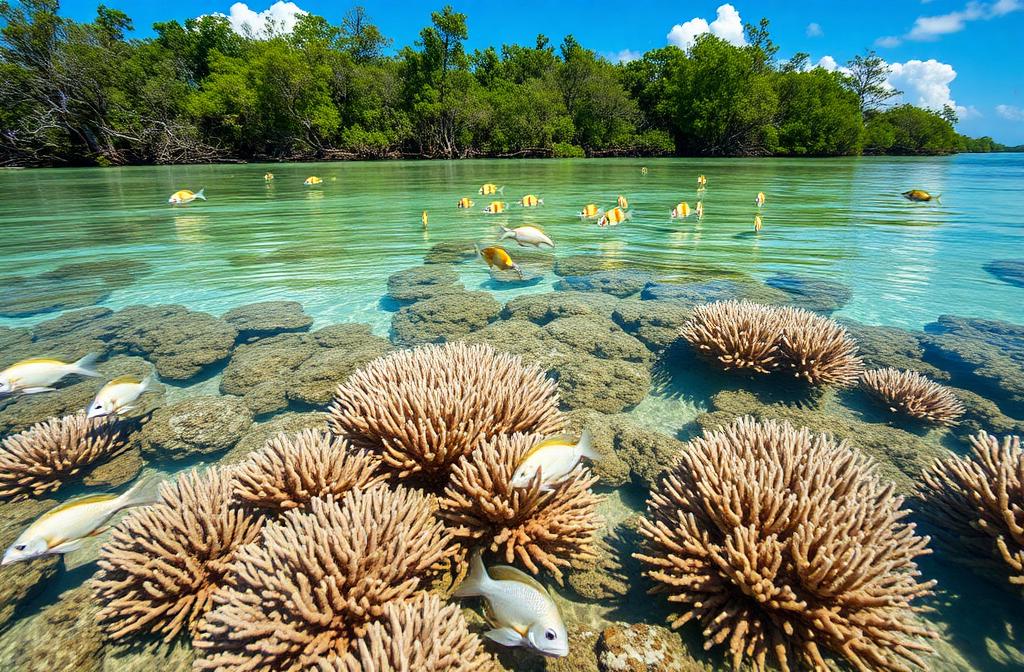
The diversity of environments is Florida's greatest snorkeling advantage. In a single trip, you can snorkel a coral reef in the Keys in the morning, explore a spring-fed river in the afternoon, and finish with a sunset snorkel along a Gulf Coast jetty — three completely different underwater ecosystems within one state. This variety makes Florida an ideal destination for snorkelers at every skill level, from first-timers seeking calm, shallow water to experienced explorers looking for challenging drift snorkels.
Best Time to Visit
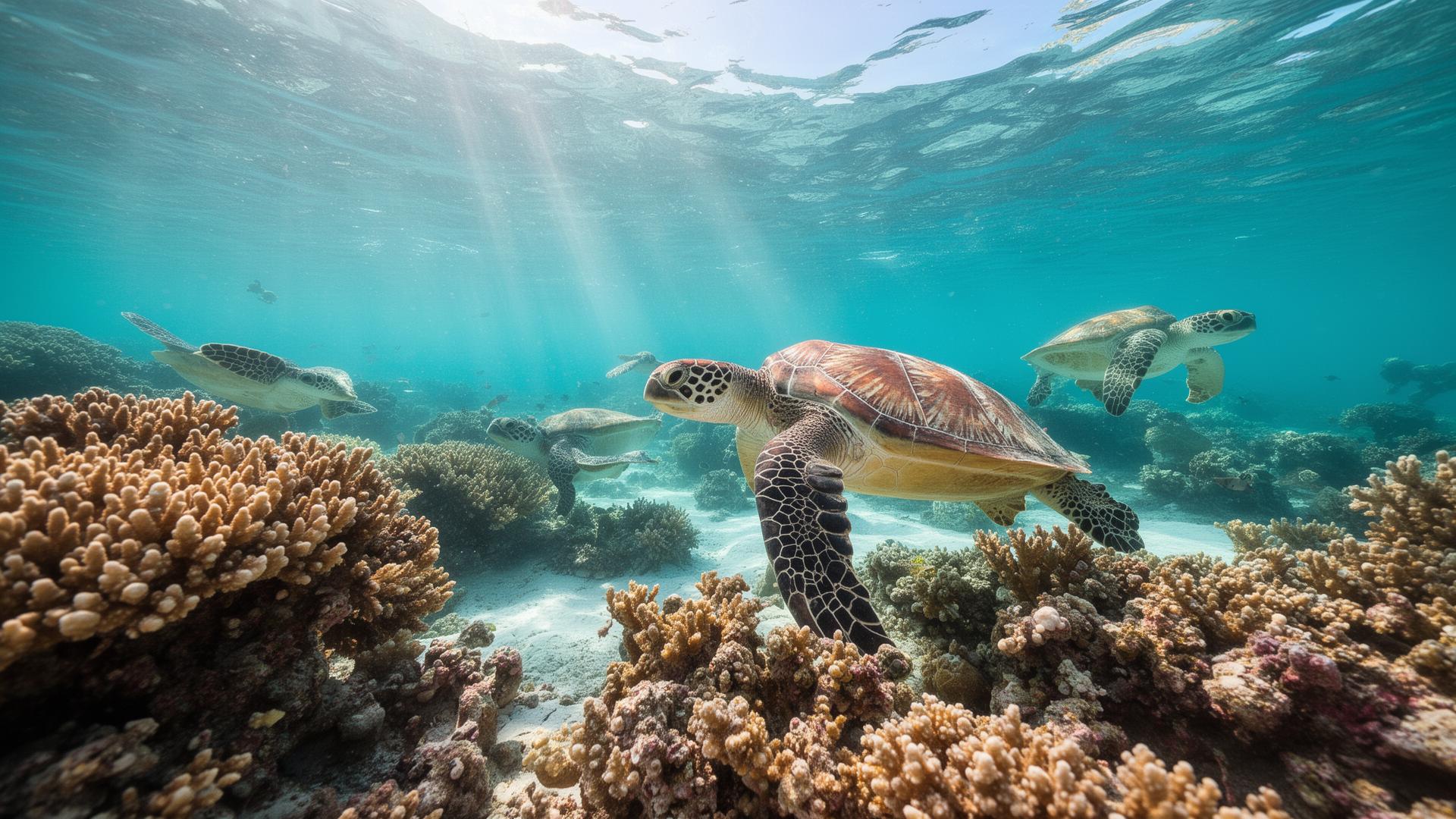
The Keys offer year-round snorkeling with water temperatures ranging from 70°F in winter to 86°F in summer. The winter months actually provide some of the best reef snorkeling visibility, as cooler temperatures reduce algae growth. Gulf Coast snorkeling peaks from May through September when water clarity and temperature are optimal. Spring snorkeling (March–May) offers a balanced window with comfortable conditions and lighter crowds.
For manatee snorkeling at Crystal River, the season runs November through March, with peak numbers typically in January and February. Advance booking is essential during peak manatee season, as tour capacity is limited to protect the animals.
Essential Gear and Safety
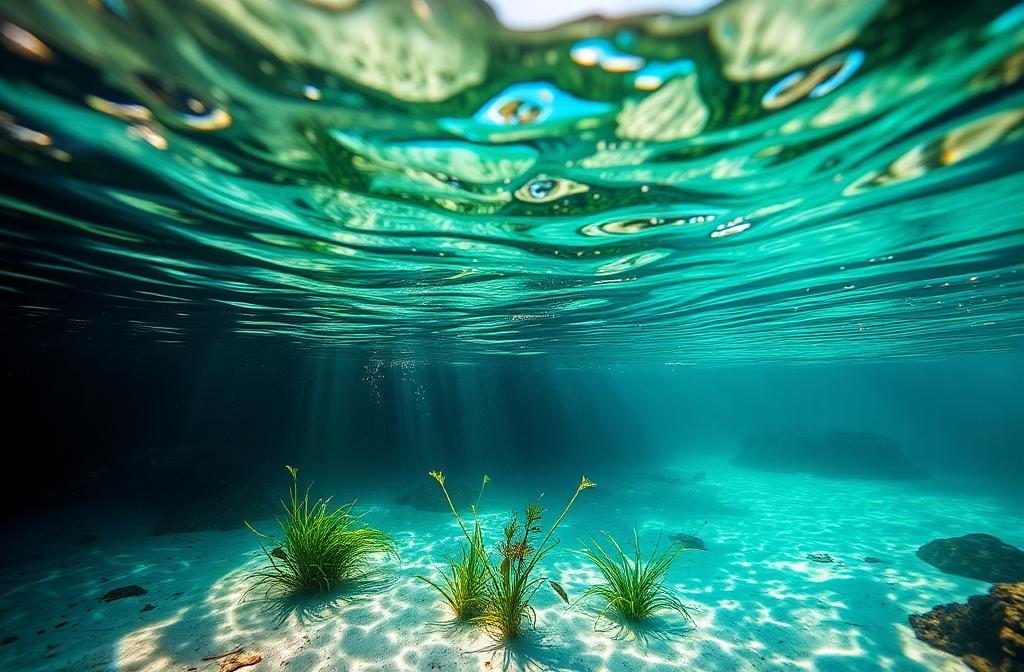
Florida snorkeling requires basic gear: a well-fitting mask, snorkel, and fins. A complete snorkeling packing checklist should include reef-safe sunscreen (required at many Florida snorkeling sites), a rash guard for sun protection, and water shoes for rocky entries. In the Keys, a snorkeling vest provides added buoyancy and visibility for boat traffic awareness.
Be aware of marine life interactions: respect manatee approach guidelines (let them come to you), maintain distance from sea turtles and nurse sharks, and never touch or stand on coral. Florida's beach safety guidelines apply to snorkeling as well — check currents, inform someone of your plans, and never snorkel alone.
Where to Stay
For Keys snorkeling, Key Largo and Islamorada put you closest to the best reef sites with numerous dive shops offering daily snorkeling trips. The Key West area serves as a base for Dry Tortugas day trips and local reef snorkeling. For freshwater spring snorkeling, Crystal River and Dunnellon offer accommodations ranging from riverfront cabins to comfortable hotels, all within minutes of the springs.
Local Tips
At Blue Heron Bridge, plan your snorkel around high tide — check tide charts and arrive 30 minutes before high for the best conditions. In the Keys, morning boat trips consistently offer better visibility than afternoon sessions, as afternoon winds can chop the surface and reduce underwater clarity. For spring snorkeling, weekday visits dramatically reduce crowds at popular sites like Three Sisters Springs and Ichetucknee.
Florida's snorkeling spots represent an embarrassment of underwater riches — world-class reef systems, unique freshwater springs, and an accessible coastline that puts extraordinary marine encounters within reach of anyone willing to slip on a mask and look beneath the surface.