Snorkeling in Destin — Best Spots & Tour Guide
Explore Destin's best snorkeling spots including jetties, artificial reefs, and guided snorkel tours in the emerald Gulf waters.
By BeachLoco Editorial Team
Overview
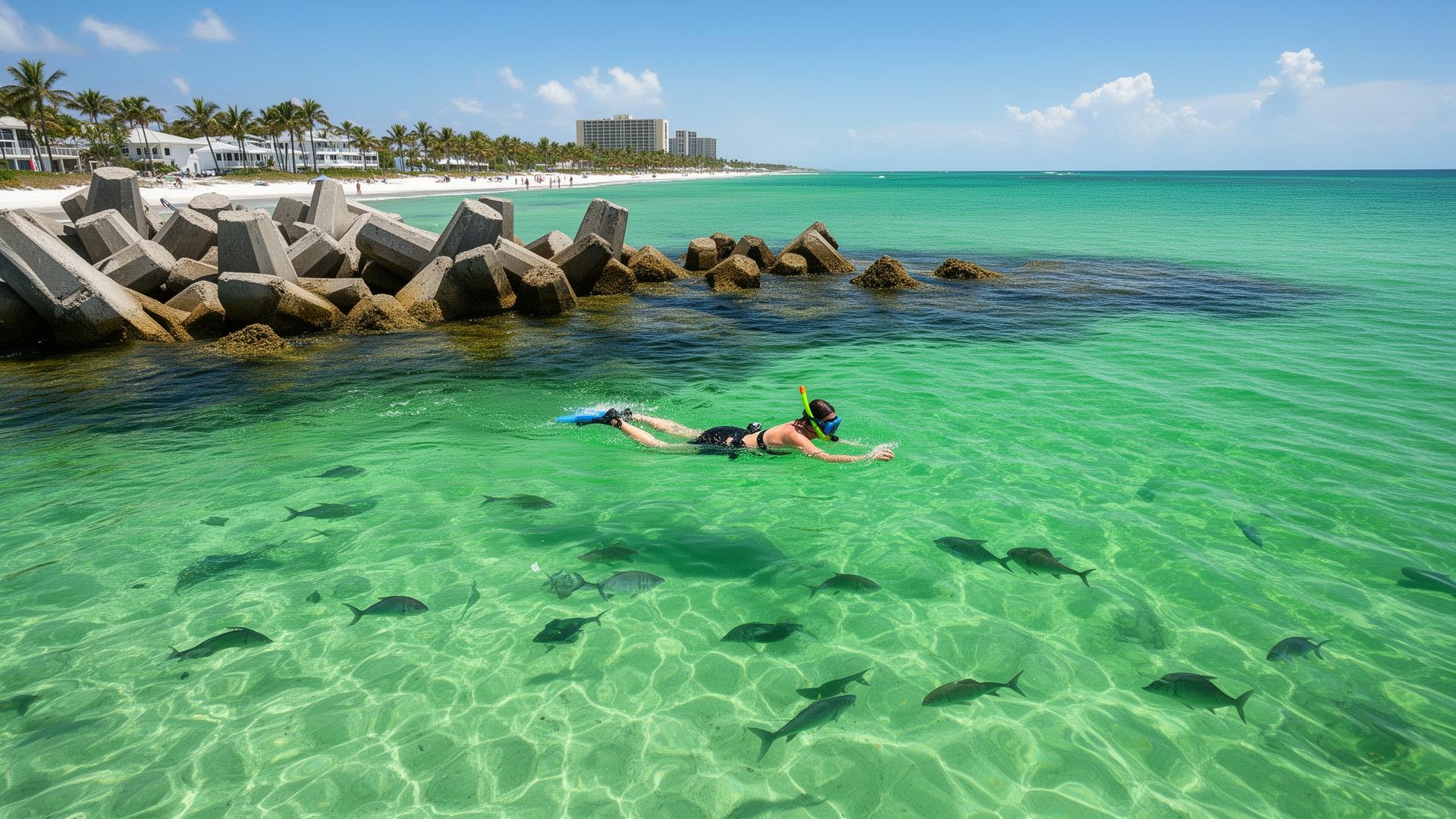
The emerald waters of Destin hide a vibrant underwater world that rivals destinations many times more famous for snorkeling. Florida's Emerald Coast earned its name from the stunning green-blue hues created by the pure quartz sand bottom reflecting sunlight through crystal-clear Gulf waters, and beneath that beautiful surface lies a surprisingly rich marine ecosystem. From natural limestone reef formations to artificial structures teeming with tropical fish, Destin offers snorkeling experiences that delight beginners and impress seasoned underwater explorers alike.
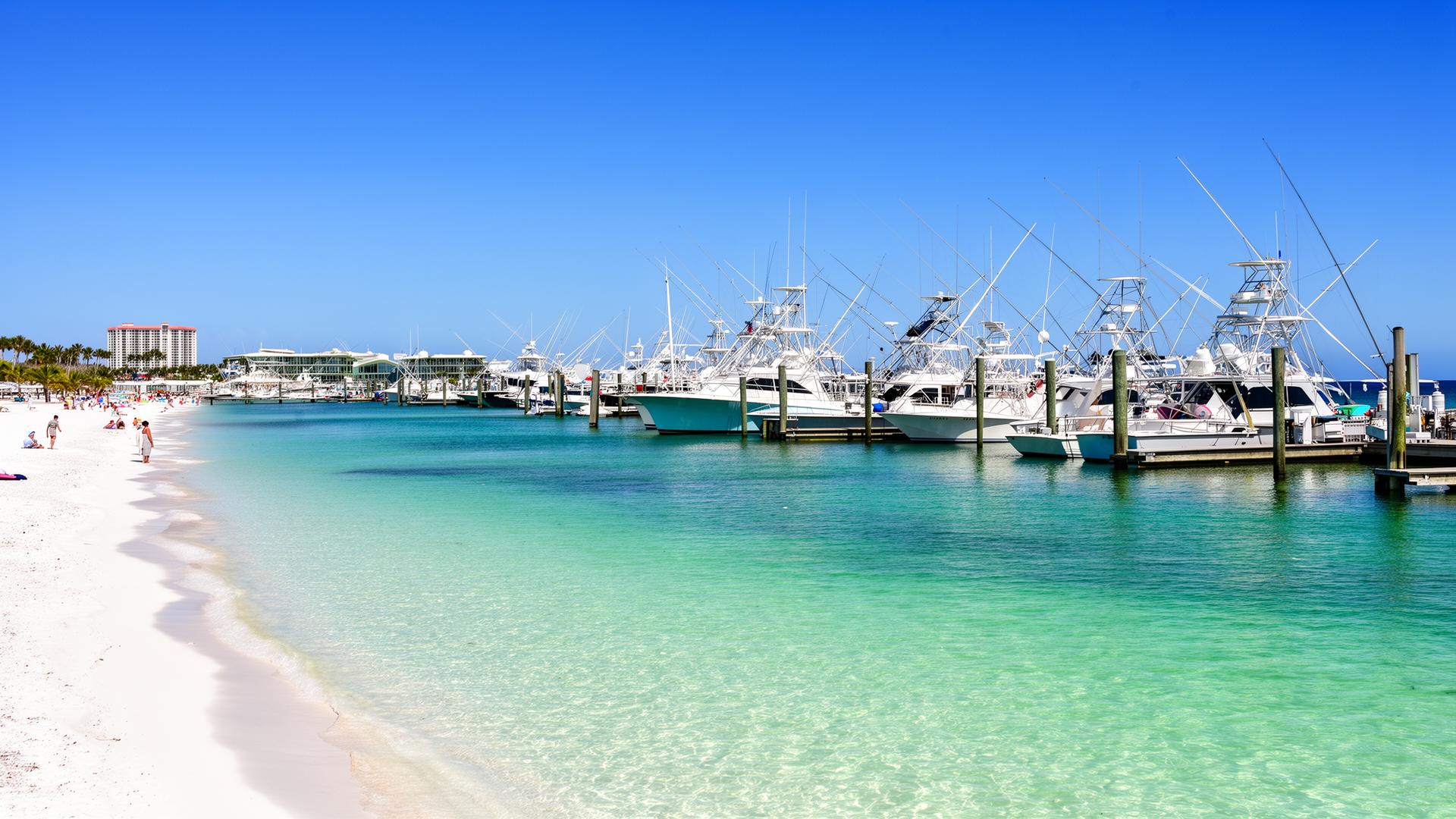
What makes Destin snorkeling special is the unexpected quality of the marine life in Gulf of Mexico waters that many visitors assume are barren compared to Caribbean or Atlantic destinations. The truth is that the natural and artificial reef systems off the Emerald Coast support diverse communities of tropical fish, sea turtles, rays, and invertebrates that create genuinely rewarding snorkeling encounters — often in waters where you can stand up if you need to rest.
Why Destin Is Popular for Snorkeling
The water clarity that defines the Emerald Coast creates exceptional snorkeling visibility. On calm days, visibility can exceed 30 to 50 feet, revealing the sandy bottom, reef structures, and marine life in stunning detail. The clarity is produced by the quartz sand that dominates the seabed — unlike the organic sediments found in many coastal areas, quartz particles are heavy and settle quickly after disturbance, meaning the water clears rapidly even after wave action or boat traffic.
The warm Gulf waters provide comfortable snorkeling conditions for an extended season, with water temperatures reaching swimsuit-comfortable levels by April and remaining warm through October. Summer temperatures climb to 84°F or higher, allowing extended sessions without wetsuit discomfort. This long season gives visitors considerable flexibility in planning snorkeling activities, and the gentle Gulf waves create manageable surface conditions for snorkelers of all experience levels.
Destin's location along one of the most popular beach vacation corridors in the Southeast means excellent supporting infrastructure for snorkeling activities. Equipment rental shops, guided tour operators, and snorkeling-focused excursion boats are abundant and competitively priced. Many operators combine snorkeling with dolphin watching, sunset cruises, or island hopping, creating multi-activity outings that appeal to groups with diverse interests.
What Makes Destin Snorkeling Unique
The East Pass jetties — massive rock structures flanking the inlet where Choctawhatchee Bay meets the Gulf — provide Destin's most accessible and rewarding snorkeling site. The rocks create a complex underwater habitat where crevices, ledges, and overhangs shelter an extraordinary variety of marine life. Tropicals like angelfish, butterflyfish, and sergeant majors school among the rocks, while larger species including sheepshead, flounder, and the occasional octopus occupy the deeper pockets. The current flowing through the pass brings nutrients that support this concentrated ecosystem.
The artificial reef program administered by Okaloosa County has created a network of underwater structures that significantly expands the available snorkeling territory. These deployed reefs — ranging from concrete modules to decommissioned vessels — sit at various depths from 15 to 60 feet, with the shallower structures accessible to confident snorkelers. GPS coordinates for these sites are publicly available, and reaching them by kayak, paddleboard, or small boat opens up snorkeling opportunities that most visitors never discover.
Norriego Point, a sandy spit extending into the Destin harbor, provides unique snorkeling conditions where harbor waters meet the Gulf. The shallow areas around the point host sea grass beds that attract sea turtles, rays, and juvenile fish, and the clear water over the sandy bottom creates excellent conditions for underwater observation and photography. The walkable access from the parking area makes this site particularly convenient for families with children.
Best Time to Visit
The prime snorkeling season runs from late May through September, when water temperatures are warmest and visibility tends to peak. June offers perhaps the best overall conditions — warm water, typically calm seas, and the beginning of summer marine activity that brings more species to the reefs. Early morning sessions (before 10 AM) consistently provide the best visibility, as overnight calm allows suspended particles to settle and the morning light creates optimal underwater viewing conditions.
Fall snorkeling (September through October) offers a special combination of warm water, reduced crowds, and increased marine activity. The annual bait migration brings schools of small fish close to shore, which in turn attracts predators and creates dynamic snorkeling encounters. Water temperatures remain comfortable into November with a thin rash guard, and the autumn calm between weather systems can produce spectacular visibility.
Spring (April through May) marks the transition into snorkeling season, with water temperatures climbing from the upper 60s into the mid-70s. While a wetsuit or thick rash guard is advisable during spring, the marine life is awakening from winter dormancy and the reefs are particularly vibrant with new growth and spawning activity. Spring also brings fewer visitors than summer, meaning less competition for the best snorkeling sites. For more Emerald Coast underwater adventures, see our secret snorkeling spots guide and Florida's best snorkeling.
Nearby Beaches and Attractions
Henderson Beach State Park provides both excellent shore-entry snorkeling and one of the most beautiful natural beach settings on the Emerald Coast. The rocky formations at the park's boundaries create micro-reef habitats accessible from shore, while the pristine sand beach between offers classic Gulf swimming. The park's nature trails through coastal dune ecosystem add a land-based complement to underwater exploration.
Crab Island, the famous sandbar in Choctawhatchee Bay, offers a different underwater viewing experience. The shallow, clear water over the sandbar reveals starfish, small rays, hermit crabs, and schools of minnows, making it an excellent introduction to marine observation for children and first-time snorkelers. The waist-deep water and sandy bottom create a controlled environment where comfort comes naturally. Browse our things to do in Destin for more area activities.
The Gulfarium Marine Adventure Park, one of the oldest marine parks in Florida, provides educational context for the species you encounter while snorkeling. The facility's rehabilitated sea turtles, tropical fish exhibits, and dolphin encounters help visitors identify and understand the marine life of the Emerald Coast, making subsequent snorkeling sessions more meaningful and rewarding.
Where to Stay
Crystal Beach on Destin's eastern end provides quiet beachfront accommodation with excellent proximity to several snorkeling sites. The residential character of this area means less boat traffic over the nearshore reefs, and many vacation rentals include kayaks or paddleboards that are invaluable for reaching reef sites that are too far from shore for comfortable swimming.
The Destin harbor area offers convenient access to snorkeling tour operators and equipment rental shops. Staying near the harbor allows you to easily book last-minute excursions based on weather and sea conditions, and the waterfront restaurants provide perfect post-snorkeling dining. Several hotels in the harbor vicinity offer snorkeling packages that combine accommodation with guided reef excursions.
For a premium snorkeling-focused stay, Henderson Park Inn adjacent to Henderson Beach State Park provides adults-only beachfront accommodation with direct access to some of the best shore-entry snorkeling in the area. The inn's complimentary beach equipment typically includes snorkel gear, and the intimate atmosphere creates a peaceful retreat between underwater adventures. See our luxury resorts in Destin guide for more upscale options.
Local Tips
Check the Okaloosa County artificial reef program website before your trip for GPS coordinates and structure descriptions. Many of the most productive snorkeling reefs are small structures that require precise navigation to locate. Plotting coordinates on a waterproof chart or GPS app before heading out saves valuable water time and ensures you find the best sites.
Invest in a quality mask with tempered glass lenses and a comfortable silicone skirt. Rental equipment is adequate for casual exploration, but a well-fitting personal mask dramatically improves the snorkeling experience by eliminating leaks, reducing fogging, and providing clearer optics. The investment is modest and pays dividends across every snorkeling session.
The jetties at East Pass are best snorkeled during incoming tides, when cleaner Gulf water flows into the pass and brings marine life closer to the rocks. Outgoing tides can carry bay water — which tends to be murkier — past the jetties, reducing visibility significantly. Check tide charts before planning a jetty snorkeling session, and time your visit for the first two hours of an incoming tide for the best conditions.
Bring a mesh bag for collecting any trash you encounter underwater. The nearshore reefs accumulate fishing line, plastic debris, and other refuse that threatens marine life. Removing trash during your snorkeling sessions is both an environmental contribution and a personally satisfying practice that leaves the underwater environment better than you found it.