Florida's Best Snorkeling Beaches for Beginners: Where to Start Your Underwater Adventure
Discover Florida's most beginner-friendly snorkeling beaches—no certification required. From the crystal-clear waters of the Florida Keys to hidden Palm Beach gems, find your perfect spot to start exploring underwater.
By Florida Beach Life
Not ready for scuba diving? No problem. These Florida beaches offer incredible underwater experiences with nothing more than a mask, snorkel, and sense of adventure.
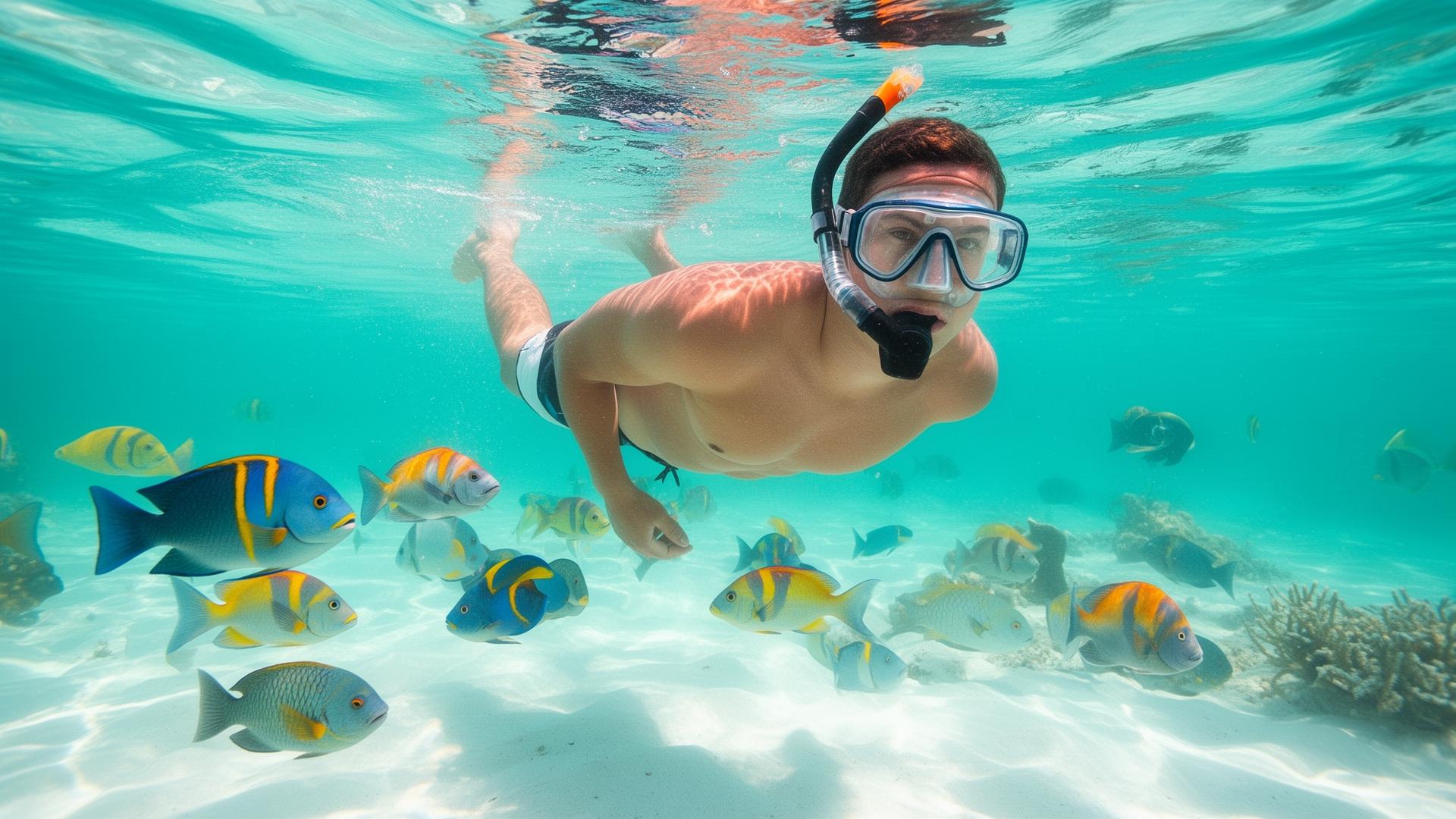
Scuba diving might be the ultimate underwater experience, but it requires certification, expensive equipment, and a significant time commitment. Snorkeling, on the other hand, is the perfect gateway to Florida’s underwater world—no certification needed, minimal equipment required, and accessible to almost anyone who can swim.
Whether you’re testing the waters before pursuing scuba certification or simply prefer the freedom of floating on the surface, Florida offers some of the best snorkeling conditions in North America. Here’s where to start.
What Makes a Beach “Beginner-Friendly” for Snorkeling?
Before we dive into locations, let’s understand what makes a snorkeling spot ideal for first-timers:
- Calm, protected waters — No strong currents or waves to fight against
- Shore access — No boat required; walk right in from the beach
- Shallow depth — 5-15 feet is perfect for snorkeling
- Good visibility — Clear water so you can see the marine life
- Abundant marine life — Enough fish and coral to make it exciting
- Nearby facilities — Restrooms, gear rentals, lifeguards when possible
Essential Snorkeling Gear for Beginners
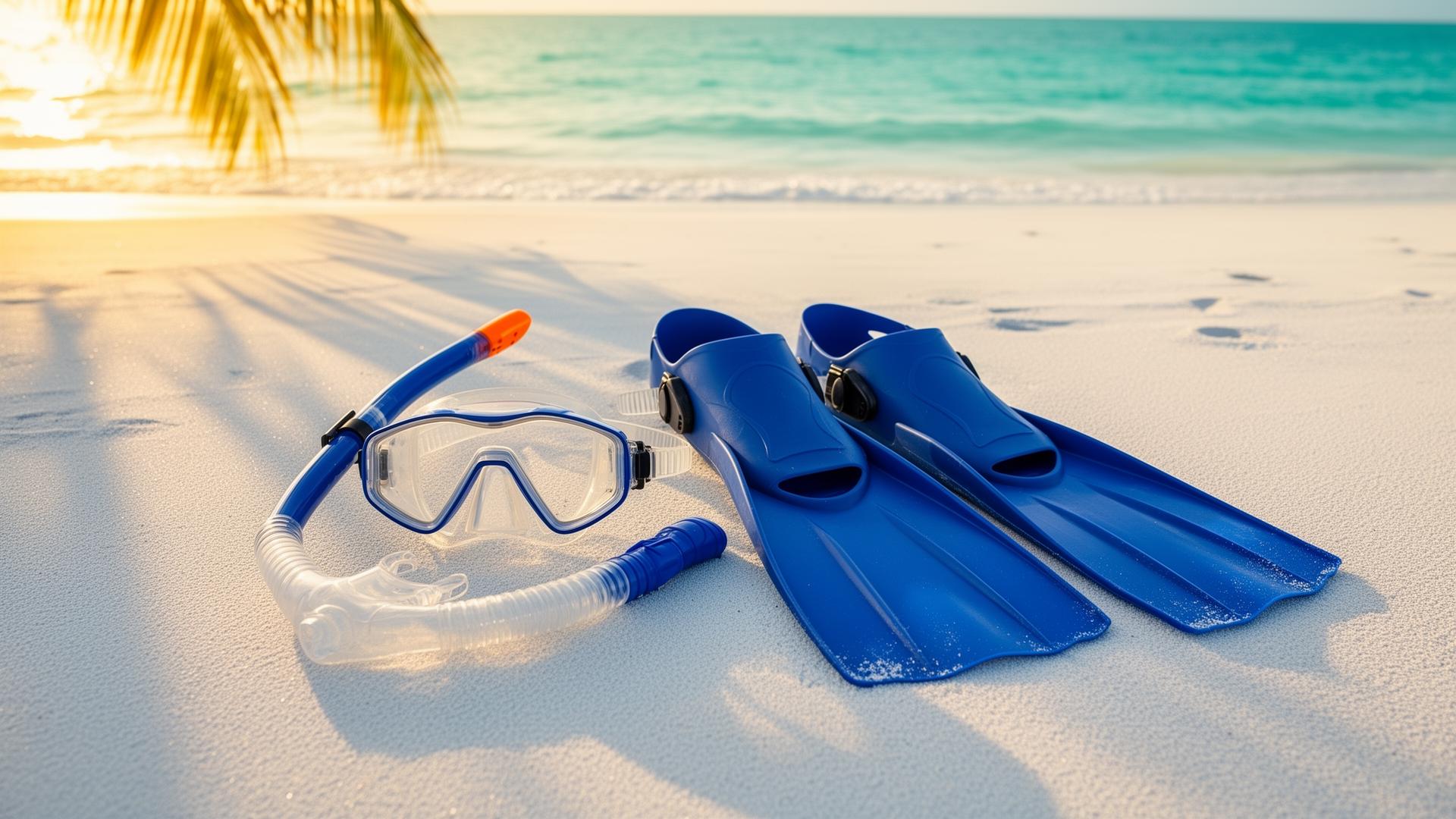
You don’t need much to get started:
The Basics (Required)
- Mask — Most important piece; must fit your face without leaking
- Snorkel — Dry-top snorkels prevent water from entering
- Fins — Not essential but make swimming much easier
Optional But Helpful
- Rash guard or wetsuit — Protects from sun and jellyfish
- Flotation device — Snorkel vest for extra confidence
- Underwater camera — Capture the memories
- Reef-safe sunscreen — Protect yourself AND the reef
Pro Tip: Most beach rental shops offer complete snorkel sets for $15-25/day. Try renting first to see if you enjoy it before investing in your own gear.
Florida’s 6 Best Beginner-Friendly Snorkeling Beaches
1. John Pennekamp Coral Reef State Park — Key Largo
Why It’s Perfect for Beginners: America’s first undersea park offers guided snorkel tours to shallow reef areas with expert supervision.
The Experience:
- Depth: 10-25 feet on most snorkel tours
- Visibility: 40-60 feet typical
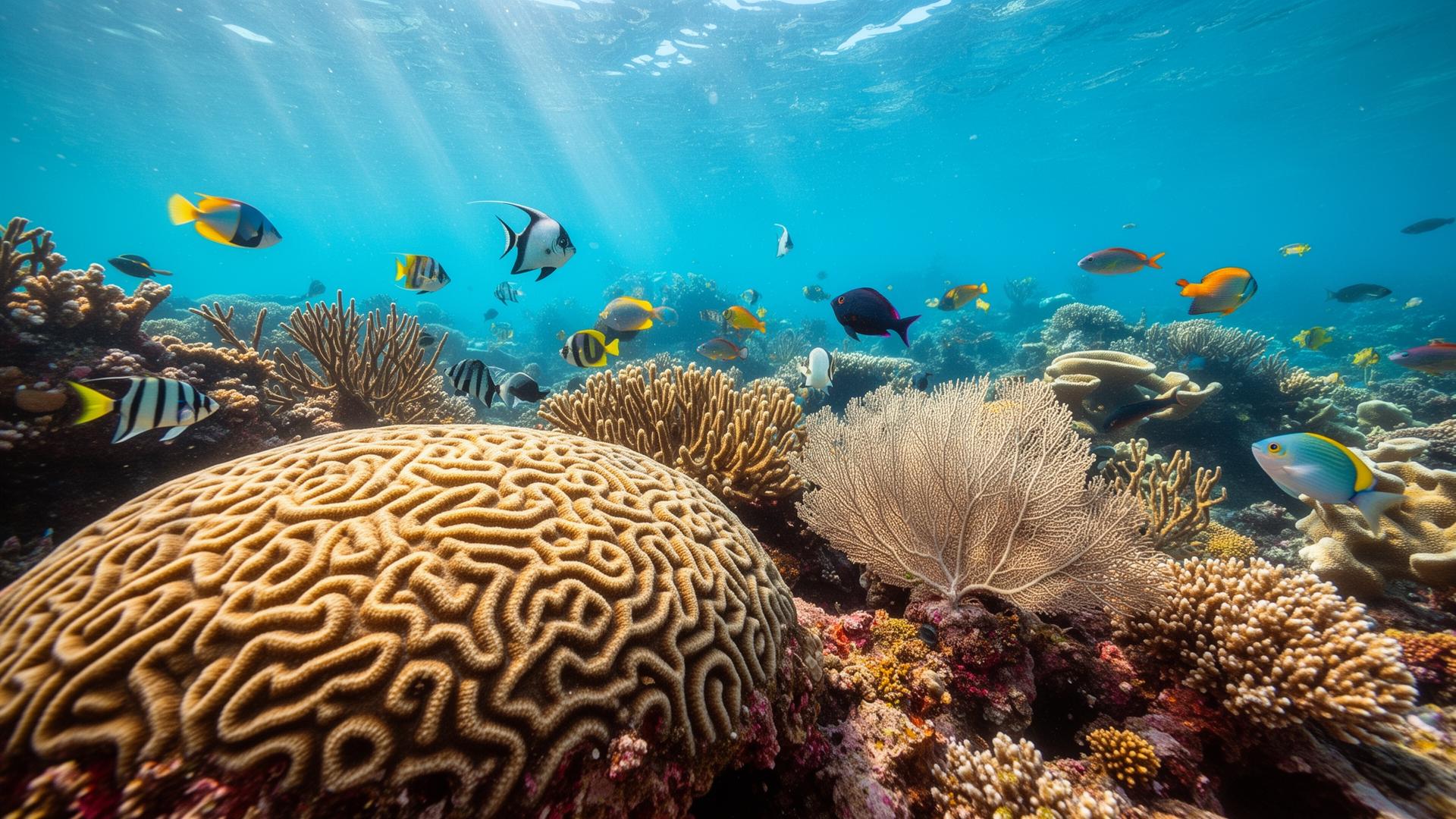
- What You’ll See: Elkhorn coral, brain coral, parrotfish, angelfish, barracuda, sea fans
- Tour Options: 2.5-hour catamaran tours to shallow reef sites
Beginner Tips:
- Book the “Shallow Reef” or “Snorkel Tour” (not the advanced sites)
- Tours include equipment and instruction
- Cannon Beach offers shore snorkeling alternative
Getting There: Located in Key Largo, about 60 miles south of Miami.
📍 Cost: Park entry $8/vehicle + snorkel tour $39-50/person
2. Bahia Honda State Park — Big Pine Key
Why It’s Perfect for Beginners: Consistently ranked among America’s best beaches, Bahia Honda offers calm, clear water perfect for nervous first-timers.
The Experience:
- Depth: 3-10 feet near shore
- Visibility: 20-40 feet
- What You’ll See: Juvenile fish, sea urchins, starfish, small reef fish, occasional nurse sharks
- Access: Walk right in from Sandspur Beach
Beginner Tips:
- Snorkel the Sandspur Beach side for calmer water
- Early morning offers best visibility
- Gear rentals available at the park concession
Getting There: Located on Big Pine Key, about 35 miles north of Key West.
📍 Cost: Park entry $8/vehicle; gear rental ~$15-20
3. Blue Heron Bridge — Riviera Beach
Why It’s Perfect for Beginners: Shore-entry diving mecca that’s equally incredible for snorkeling, with remarkably calm conditions.
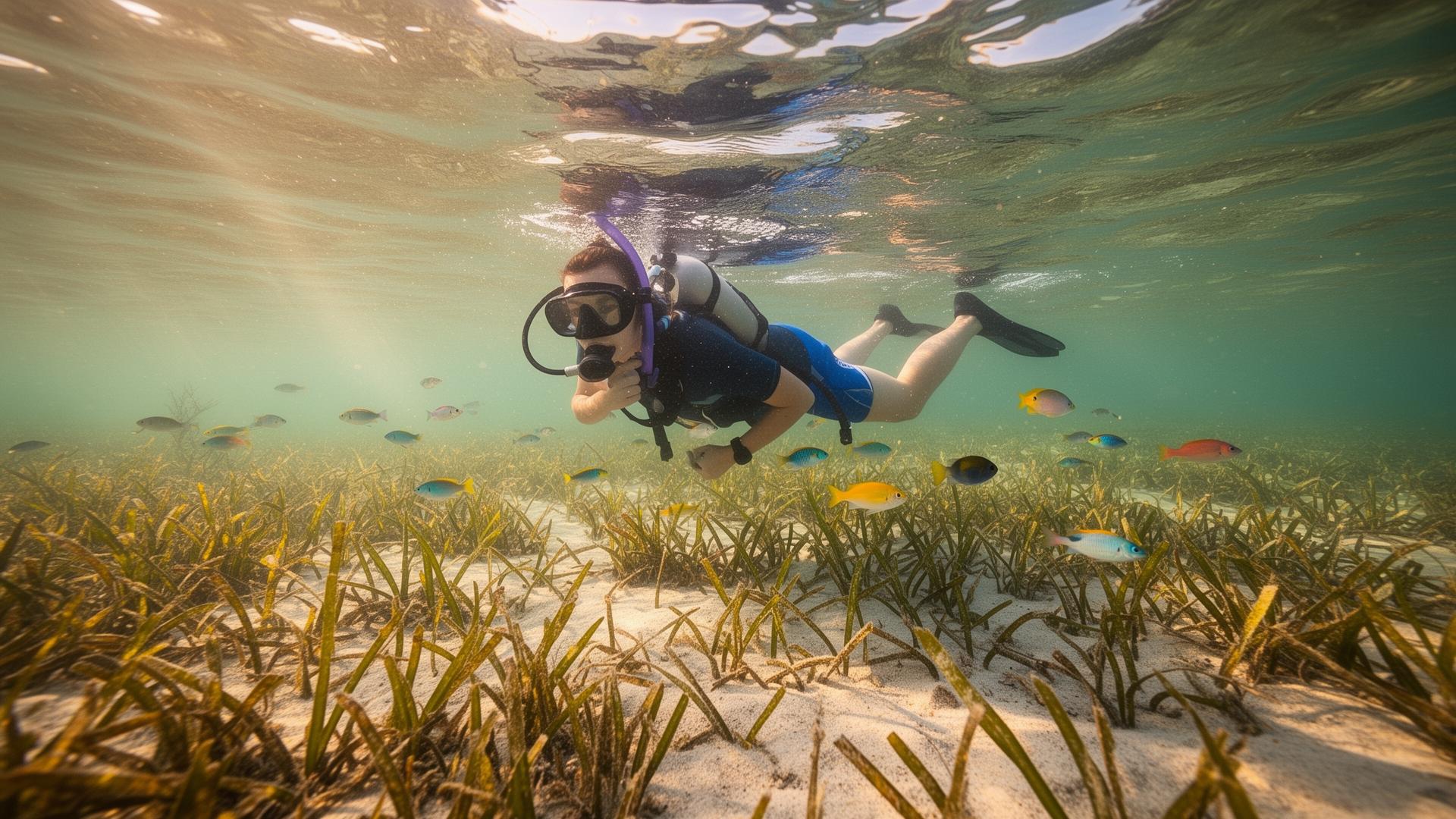
The Experience:
- Depth: 6-15 feet in snorkeling area
- Visibility: 15-40 feet depending on conditions
- What You’ll See: Seahorses, octopus, rays, tropical fish, manatees (winter)
- Access: Phil Foster Park beach, walk-in entry
Beginner Tips:
- Snorkel during high tide for best visibility and calm conditions
- Stay in the sandy lagoon area (avoid the channel)
- Free parking with $7 weekend fee
Getting There: Phil Foster Park in Riviera Beach, Palm Beach County.
📍 Cost: Free (except weekend parking)
4. Red Reef Park — Boca Raton
Why It’s Perfect for Beginners: A natural reef sits just 50 yards offshore, making this one of the most accessible reef snorkeling experiences on the Atlantic coast.
The Experience:
- Depth: 4-12 feet on the reef
- Visibility: 15-30 feet
- What You’ll See: Parrotfish, sergeant majors, grunts, occasional sea turtles
- Access: Walk-in from beach, short swim to reef
Beginner Tips:
- Reef is visible as darker water just offshore
- Combine with visit to Gumbo Limbo Nature Center next door
- Arrive early for parking (lots fill by 10am weekends)
Getting There: North end of Boca Raton beach.
📍 Cost: $18/vehicle weekdays, $25/vehicle weekends
5. Coral Cove Park — Jupiter/Tequesta
Why It’s Perfect for Beginners: Protected coquina rock formations create natural “pools” with calm water and abundant fish—like a natural aquarium.
The Experience:
- Depth: 3-8 feet in the rock pools
- Visibility: Variable, 10-25 feet
- What You’ll See: Tropical fish, sea urchins, small rays, juvenile reef fish
- Access: Rocky shore entry (water shoes recommended)
Beginner Tips:
- Explore the tidal pools at low tide first
- Bring water shoes—the rocks can be sharp
- Less crowded than South Florida beaches
Getting There: Located between Jupiter and Tequesta on A1A.
📍 Cost: Free parking (limited spots)
6. Destin Jetties & Artificial Reefs — Destin
Why It’s Perfect for Beginners: The calm, emerald Gulf waters offer warm temperatures and excellent visibility without the currents of the Atlantic.
The Experience:
- Depth: 10-20 feet on jetties and nearshore reefs
- Visibility: 20-50 feet (often better than Atlantic)
- What You’ll See: Redfish, snapper, sea turtles, rays, tropical fish
- Access: Jetty snorkeling from East Pass; boat tours to artificial reefs
Beginner Tips:
- Consider a guided snorkel tour for artificial reef sites
- Gulf side generally calmer than Atlantic
- Best visibility June-August
Getting There: Destin on Florida’s Emerald Coast.
📍 Cost: Free (jetties); $40-60 (guided snorkel tours)
Best Time to Snorkel in Florida
Water Temperature by Season
| Season | Water Temp | Conditions |
|---|---|---|
| Winter (Dec-Feb) | 65-72°F | Cooler but excellent visibility |
| Spring (Mar-May) | 72-80°F | Ideal conditions, less crowded |
| Summer (Jun-Aug) | 82-88°F | Warmest water, occasional afternoon storms |
| Fall (Sep-Nov) | 78-84°F | Great temps, hurricane season caution |
Daily Timing Tips
- Morning (before 10am): Best visibility, calmest water, fewer people
- High Tide: Deeper water, better fish activity, safer over shallow reefs
- Avoid: Afternoon winds (common in Florida) which chop up the water
Snorkeling Safety Tips for Beginners
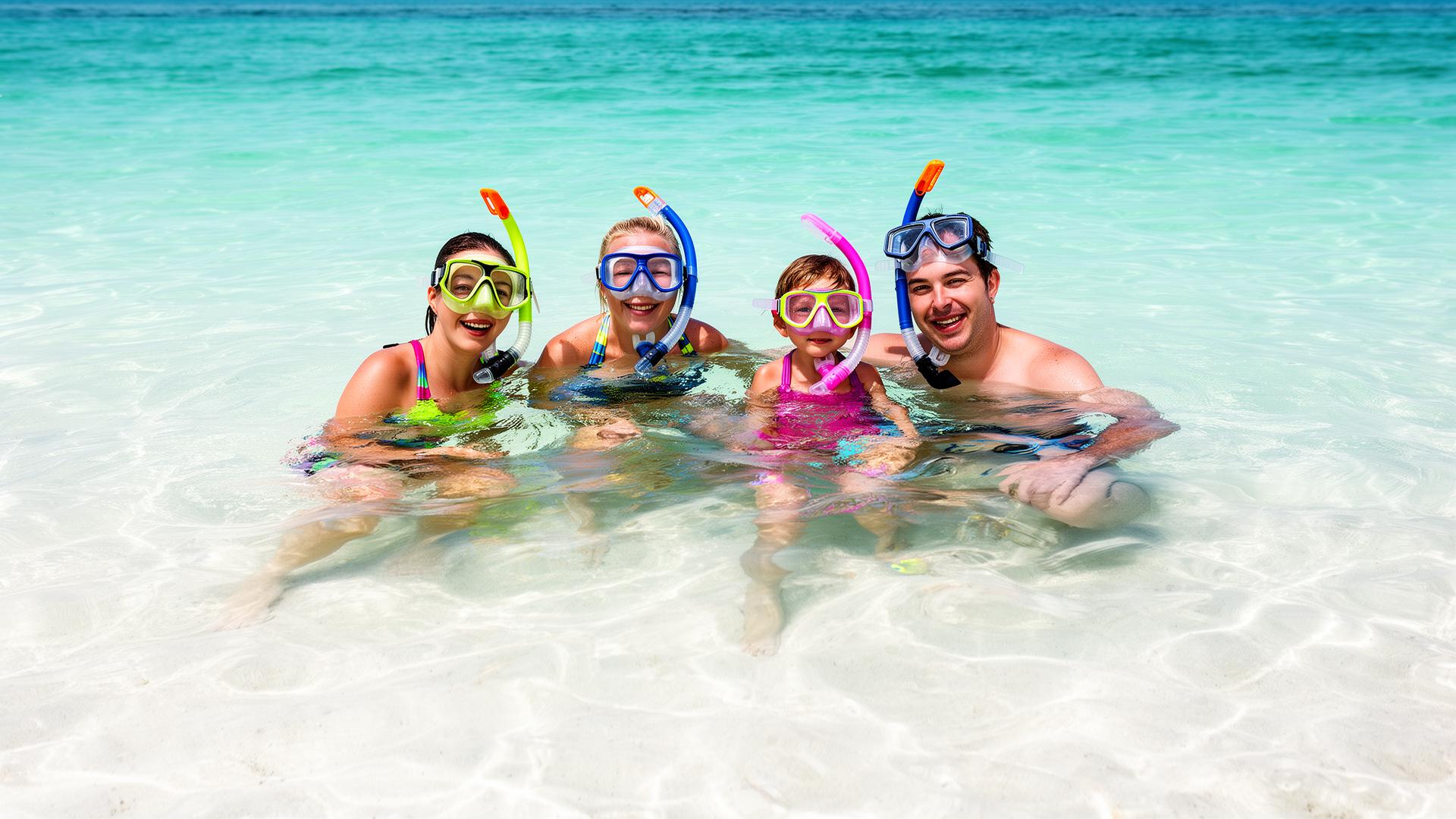
Before You Go In
- Check conditions — Avoid snorkeling in rough seas or strong currents
- Tell someone — Let someone know where you’re snorkeling and when you’ll return
- Know your limits — If you’re not a strong swimmer, wear a flotation device
- Apply reef-safe sunscreen — Regular sunscreen damages coral reefs
In the Water
- Never touch marine life — Look but don’t touch (for their safety and yours)
- Stay horizontal — Kicking downward stirs up sand and can damage coral
- Clear your mask — If water gets in, lift your head, pull mask away, and let it drain
- Clear your snorkel — Sharp exhale clears water from the tube
- Swim with a buddy — Never snorkel alone
Watch Out For
- Jellyfish — Check local conditions; bring vinegar for stings
- Fire coral — Looks like orange/brown fuzzy rock; don’t touch
- Sea urchins — Black spiny creatures in rocky areas; avoid stepping on them
- Strong currents — If caught, swim parallel to shore, not against the current
Snorkeling Gear Tips: Rent vs. Buy
When to Rent
- First-time snorkelers testing the waters
- Occasional snorkelers (1-2 times per year)
- Traveling light without checked luggage
When to Buy
- You snorkel 3+ times per year
- Rental masks never fit your face properly
- You want consistent, quality equipment
Budget Recommendations
Budget Set ($40-80): Good for beginners
- U.S. Divers Cozumel set, Cressi starter kits
Mid-Range Set ($100-200): Better quality, longer lasting
- Aqua Lung, ScubaPro, Mares
Premium Set ($200+): Professional quality
- Atomic Aquatics, Tusa hyperdry
From Snorkeling to Scuba: Your Next Steps
Love snorkeling? Ready for more? Here’s how to progress:
Signs You’re Ready for Scuba
- You find yourself wanting to dive deeper
- You’re comfortable in the water for extended periods
- You want to see the deeper reef structures
- Snorkeling leaves you wanting “more time down there”
Next Steps
- Try a Discover Scuba course — Pool introduction + shallow dive (no certification)
- Get certified — PADI Open Water takes 3-4 days
- Start diving — Many snorkel spots (Blue Heron Bridge, John Pennekamp) are also beginner dive sites
Plan Your Florida Snorkeling Trip
Combine Multiple Spots
- Florida Keys Trip: John Pennekamp → Bahia Honda → Key West (3-5 days)
- Palm Beach Day: Blue Heron Bridge morning → Red Reef Park afternoon
- Panhandle Escape: Destin snorkeling + beach relaxation
More Snorkeling Guides
- Sea Turtle Snorkeling Guide: Where to Swim with Florida’s Gentle Giants
- Beginner Scuba Diving Beaches in Florida: Where to Learn and Get Certified
- Best Snorkeling Beaches in the Caribbean 2026
Final Thoughts
Florida’s underwater world is waiting for you—and you don’t need scuba certification to experience it. Whether you choose the famous reefs of the Florida Keys, the hidden gems of the Palm Beach coast, or the emerald waters of the Gulf, these beginner-friendly spots offer incredible marine encounters with minimal barriers to entry.
Grab a mask, find your beach, and start exploring.
The underwater world awaits—no certification required.
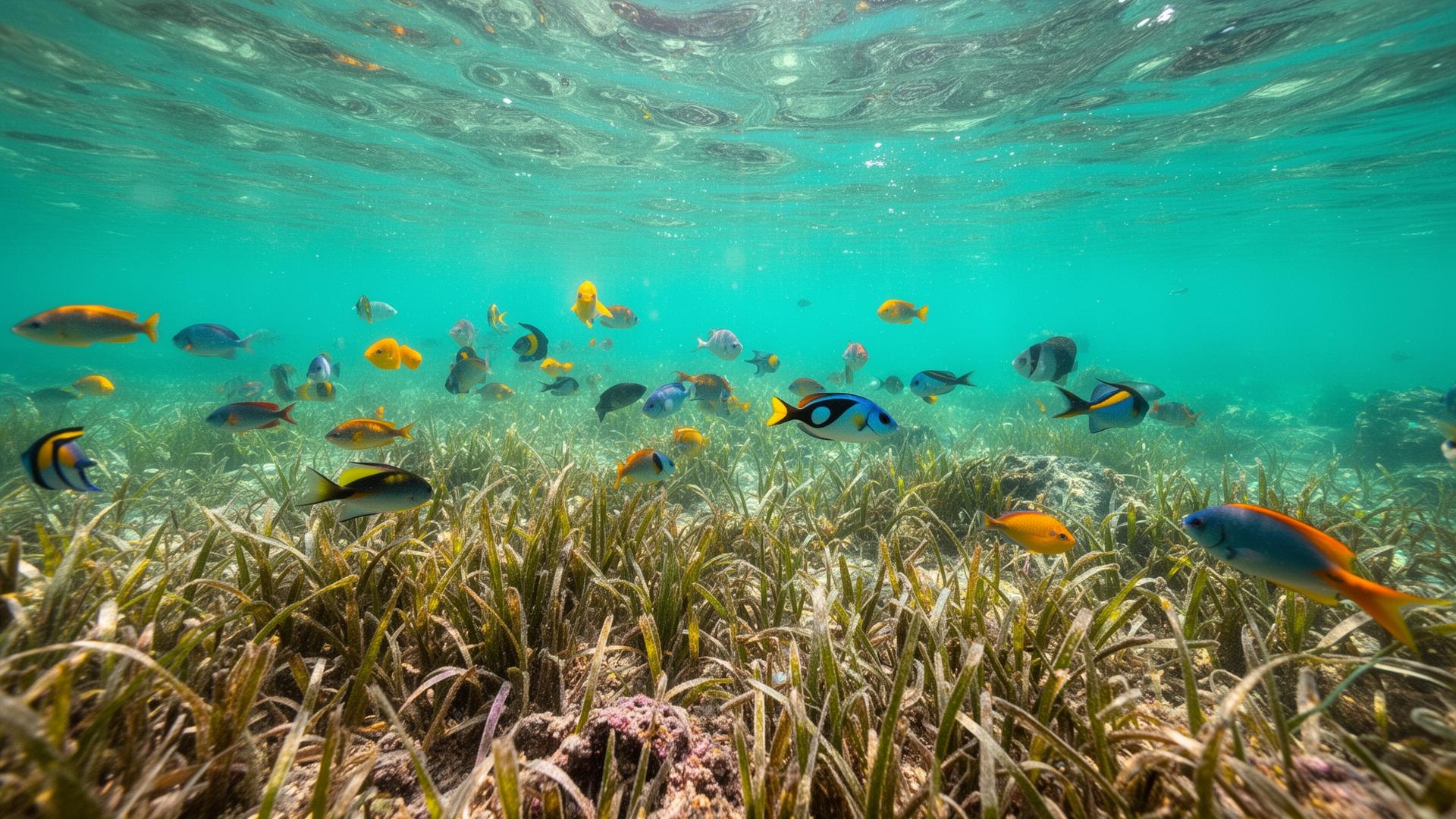
Plan Your Snorkeling Adventure
Ready to explore Florida's underwater world? Start with the calm, crystal-clear waters of Destin or head to the reefs near Key West. For gear advice before your trip, read our snorkeling gear buying guide. And don't miss our best snorkeling beaches ranking for more incredible spots.