The Ultimate Snorkeling Gear Buying Guide: Best Equipment for Every Budget
From budget-friendly starter sets to premium gear, discover the best snorkeling masks, snorkels, and fins for your underwater adventures. Expert recommendations for beginners and experienced snorkelers alike.
By Florida Beach Explorer
*Tired of rental gear that leaks, fogs up, or just doesn't fit right? Investing in your own snorkeling equipment transforms every underwater adventure—and it's more affordable than you might think.*
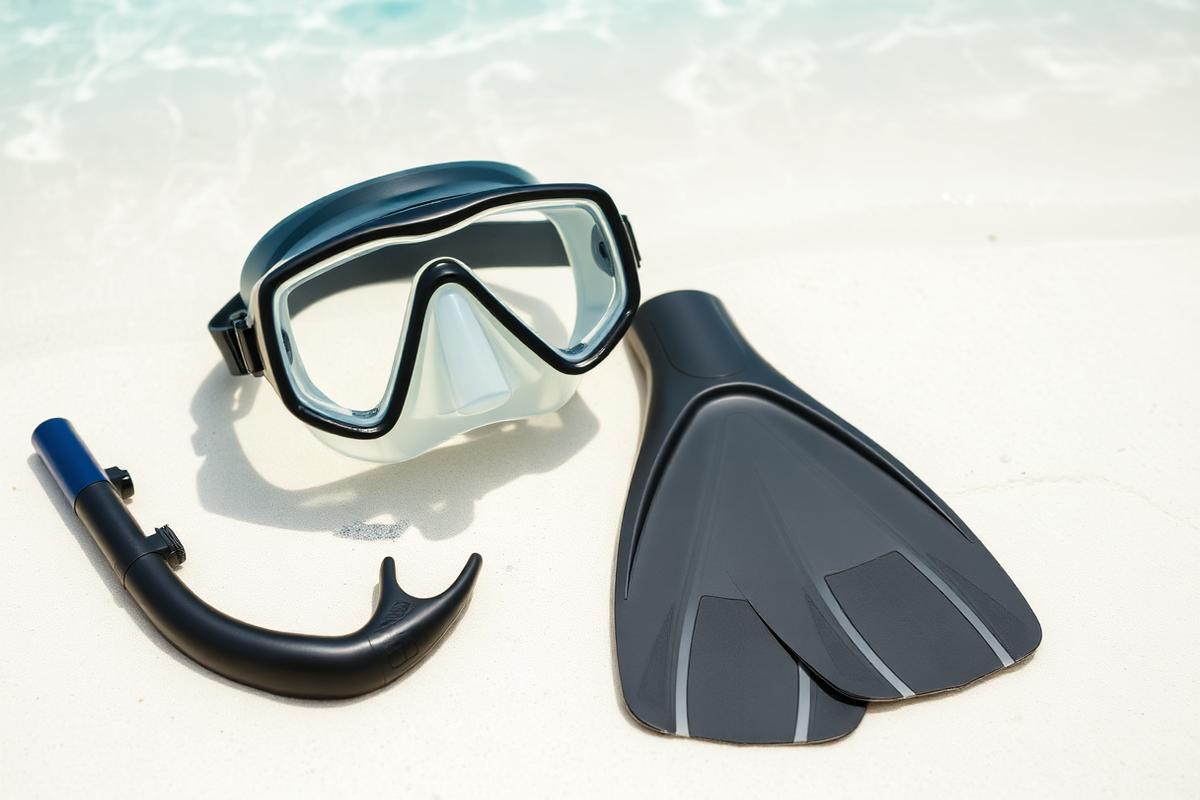
Owning your own snorkeling gear means a perfect fit every time,
no more guessing what condition the rental equipment is in, and the freedom to explore whenever the mood strikes. Whether you're planning Florida Keys getaways or Caribbean island hopping, the right gear makes all the difference.
This comprehensive buying guide breaks down everything you need to know about masks, snorkels, and fins—with specific product recommendations at every budget level.
---
The Essential Trio: Mask, Snorkel, Fins
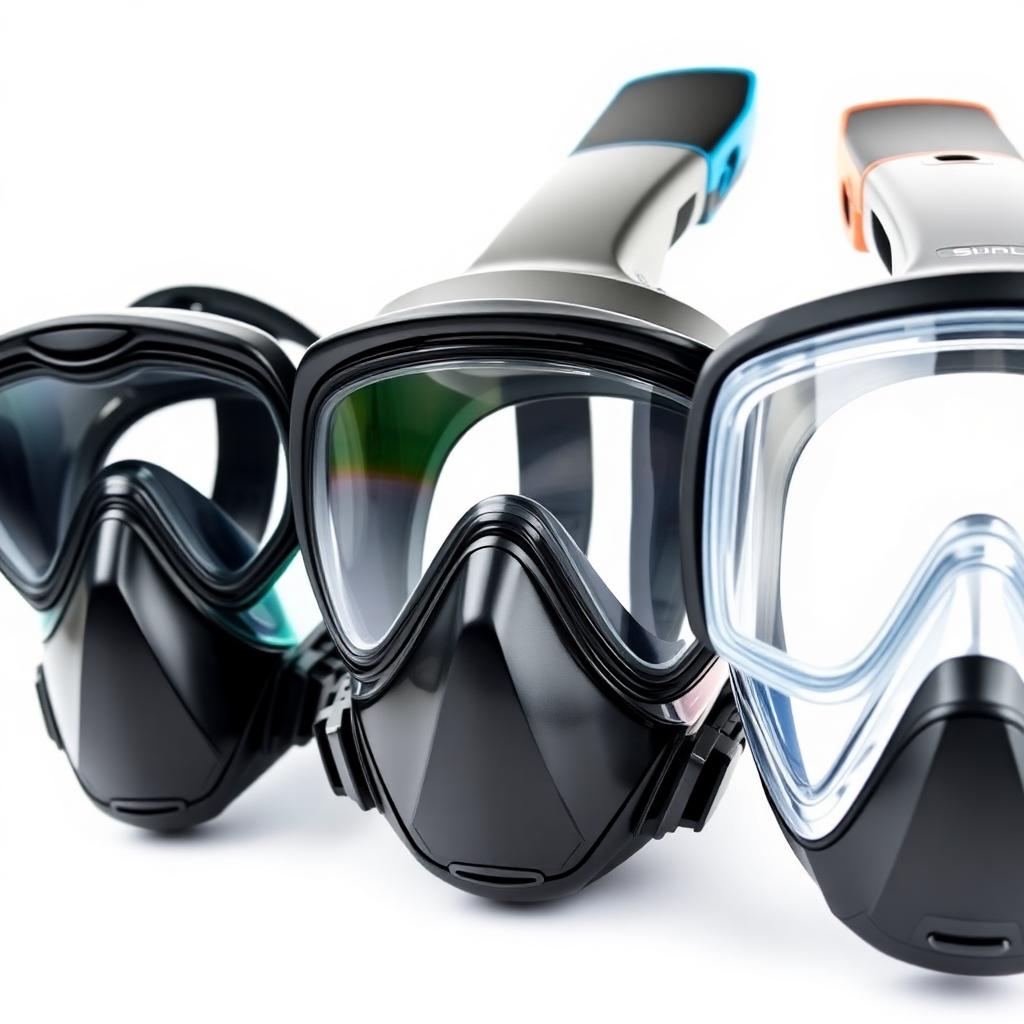
These three pieces form the foundation of every snorkeling kit. Get these right, and you'll have equipment that lasts for years of underwater exploration.
---
Snorkeling Masks: Your Window to the Underwater World
The mask is arguably the most important piece of gear. A poor-fitting mask means constant leaking, fog, and frustration—while a great mask disappears on your face and lets you focus on the fish.
Understanding Mask Types
**Single Lens (Panoramic)**: One large piece of curved glass provides an expansive, unobstructed view. Popular for their wide field of vision, though prescription options are limited.
**Dual Lens (Traditional)**: Two separate lenses set in a frame. Easier to find with prescription inserts and often offers a lower internal volume, making equalization easier for duck dives.
**Frameless**: The lens attaches directly to the silicone skirt without a plastic frame, reducing weight and bringing the lens closer to your eyes for a wider peripheral view.
Getting the Right Fit
Before buying online, try this test: Place the mask against your face without using the strap. Inhale gently through your nose—the mask should seal and stay in place. If it falls off or requires pressure to seal, try a different model.
**Pro tip**: High-quality silicone skirts (usually clear or black) provide a better seal than cheaper rubber alternatives and last much longer.
Mask Recommendations by Budget
**Budget Picks (Under $30)** - **Cressi F1 Frameless** (~$25): Excellent entry-level frameless mask with surprisingly good fit for the price. Single lens design with comfortable silicone skirt. - **U.S. Divers Cozumel** (~$20): Solid dual-lens option, widely available at sporting goods stores. Great for trying out snorkeling before investing more.
**Mid-Range ($30-60)** - **Cressi Big Eyes Evolution** (~$45): Dual-lens design with exceptional downward visibility—perfect for spotting creatures below you. Reliable Italian quality. - **Atomic Venom Frameless** (~$55): Ultra-clear lens with excellent anti-fog treatment. Schott Superwite glass for crystal clarity.
**Premium ($60+)** - **Tusa Freedom HD** (~$70): The comfort champion. Three-dimensional silicone skirt contours to virtually any face shape. Crystal-clear lens with UV protection. - **Scubapro Synergy 2 Twin** (~$85): Wide-angle dual-lens design with an incredibly low internal volume. Premium materials throughout.
---
Snorkels: Breathing Easy
Modern snorkels have evolved far beyond simple tubes. Today's designs include features that prevent water entry and make clearing effortless.
Snorkel Types Explained
**Dry-Top Snorkels**: A float mechanism seals the top when you duck underwater, preventing any water from entering. Ideal for beginners and choppy conditions.
**Semi-Dry Snorkels**: Splash guards deflect waves and spray but don't completely seal underwater. A good balance of functionality and simplicity.
**Classic Open Snorkels**: Traditional J-tube design with no splash protection. Preferred by freedivers for their unrestricted airflow but require more skill to clear.
Key Features to Consider
**Purge Valve**: A one-way valve at the bottom of the snorkel lets you expel water with a short, sharp exhale rather than blowing it all the way up and out the top. Highly recommended for beginners.
**Mouthpiece Comfort**: Look for silicone mouthpieces that feel comfortable without requiring you to bite down hard. Some models offer orthodontic shapes.
**Flexible Lower Section**: A corrugated flex tube lets the snorkel drop away from your face when not in use without pulling the mouthpiece.
Snorkel Recommendations by Budget
**Budget Picks (Under $20)** - **U.S. Divers Airflex** (~$15): Basic purge-valve snorkel that gets the job done. Good for occasional use. - **TUSA Hyperdry Elite II** (~$18): Surprisingly capable at this price point with a simple dry-top design.
**Mid-Range ($20-40)** - **Cressi Alpha Ultra Dry** (~$28): Excellent dry-top performance with a comfortable silicone mouthpiece. The purge valve works smoothly. - **Aqua Lung Impulse 3** (~$35): Flex section for comfort plus reliable splash guard. Popular with dive shops for rentals due to durability.
**Premium ($40+)** - **Atomic Aquatics SV2** (~$65): Premium construction with the best dry-top mechanism on the market. Virtually zero water entry. - **Scubapro Spectra Dry** (~$50): Comfortable orthodontic mouthpiece with efficient purge system.
---
Snorkeling Fins: Propulsion and Comfort
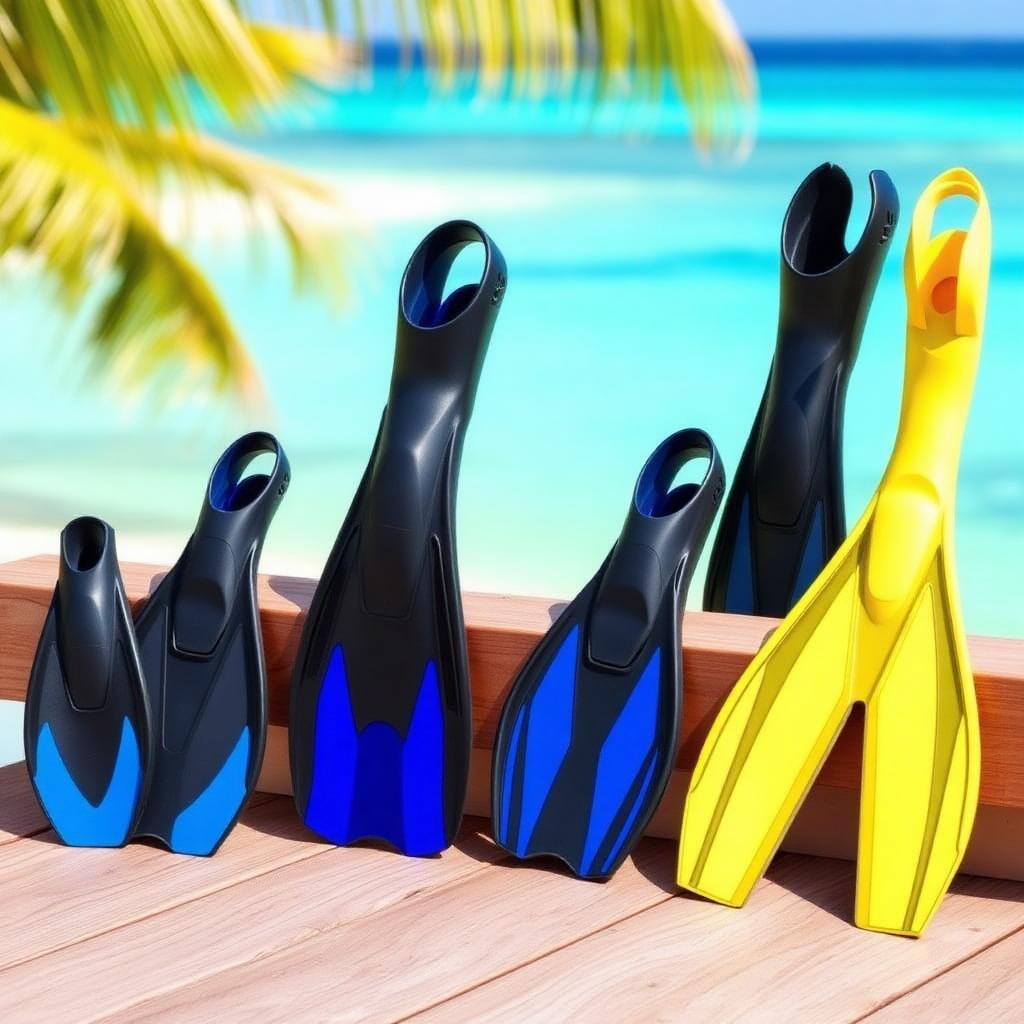
Fins dramatically extend your range and reduce fatigue. The right pair lets you glide effortlessly; the wrong ones cause leg cramps and blisters.
Full-Foot vs. Open-Heel
**Full-Foot Fins**: Your foot slides completely into a soft rubber pocket, like a slipper. Lighter, more compact, and perfect for warm water snorkeling from beaches. No booties needed.
**Open-Heel Fins**: An adjustable strap goes around your heel, worn with neoprene booties. Better for shore entries over rocks or coral, and when you want foot protection.
**For most tropical snorkeling, full-foot fins are the better choice**—they're lighter to pack and easier to use in warm water.
Blade Length: Travel vs. Full-Size
**Short/Travel Fins**: Compact blades that fit easily in luggage. Less power but adequate for casual snorkeling. Perfect for travelers who prioritize packability.
**Full-Size Fins**: Longer blades provide more thrust with each kick. Better for covering distance or swimming against currents. Harder to travel with.
Fin Recommendations by Budget
**Budget Picks (Under $30)** - **U.S. Divers Proflex** (~$25): Reliable full-foot fins with a comfortable foot pocket. Soft enough for beginners, with adequate thrust. - **Cressi Palau Short** (~$28): Compact travel fins with adjustable heel straps. Ultra-lightweight and packable.
**Mid-Range ($30-60)** - **Cressi Palau SAF** (~$40): The go-to travel fin. Short blade with adjustable strap and included mesh bag. Perfect balance of portability and performance. - **Mares Superchannel Full-Foot** (~$50): Channel design moves water efficiently. Comfortable full-foot pocket in a traditional blade length.
**Premium ($60+)** - **Atomic Split Fins** (~$100+): Revolutionary split blade design reduces strain on legs while maintaining excellent propulsion. The comfort leader for longer swims. - **Scubapro Jet Sport Full-Foot** (~$75): Time-tested blade design trusted by professionals. Excellent thrust with a comfortable foot pocket.
---
Combo Sets: Best Value for Beginners
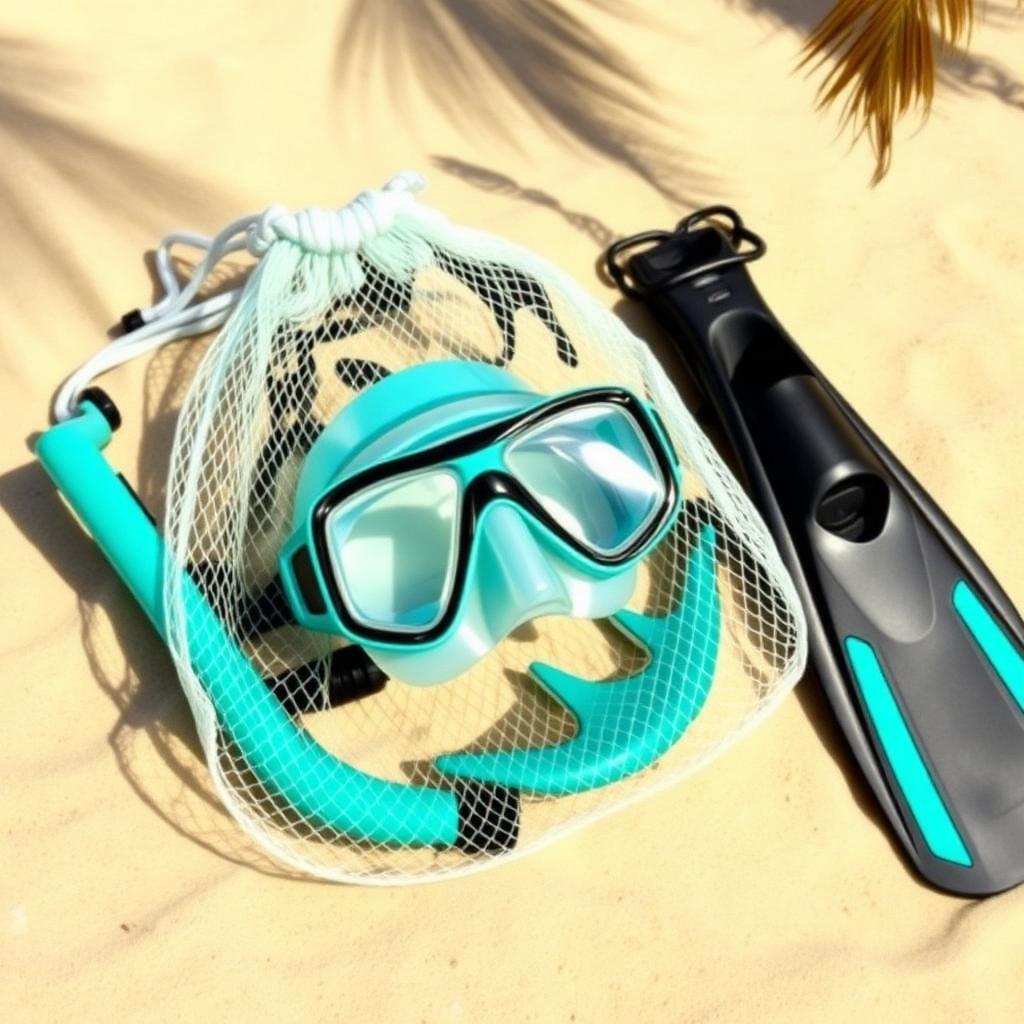
If you're just starting out, a well-matched combo set offers exce
llent value—often 30-40% less than buying pieces separately.
Best Budget Set (Under $50)
U.S. Divers Admiral Set (~$40)
Includes mask, snorkel, and fins with a carrying bag. The mask fits most faces reasonably well, the snorkel has a basic splash guard, and the fins provide decent propulsion. Perfect for figuring out if snorkeling is your thing.
Best Mid-Range Set ($50-100)
Cressi Palau SAF Set (~$70)
The gold standard for travel snorkelers. Compact adjustable fins, quality mask with tempered glass, and a dry-top snorkel—all in a mesh carrying bag. This set has equipped countless happy snorkelers.
Best Premium Set ($100+)
Atomic Aquatics Starter Package (~$200+)
Mix and match their Venom mask with SV2 snorkel and Split Fins for a premium experience. You’re paying more, but this is gear that will last a decade with proper care.
---
Nice-to-Have Accessories
Beyond the essential trio, these items enhance your experience:
**Rash Guard or Wetsuit Top**: Protects from sun and jellyfish while adding warmth. A lightweight rash guard is essential for extended snorkeling.
**Reef-Safe Sunscreen**: Protect yourself AND the reef. Look for mineral-based formulas without oxybenzone or octinoxate.
**Mesh Gear Bag**: Essential for drying and transporting wet equipment. Most combo sets include one.
**Defogger Solution**: Baby shampoo works, but dedicated defog drops work better. Apply before each session.
**Floating Strap for Camera**: If you're capturing underwater memories, a bright floating strap prevents heartbreaking losses.
---
Kids’ Snorkeling Gear: Special Considerations
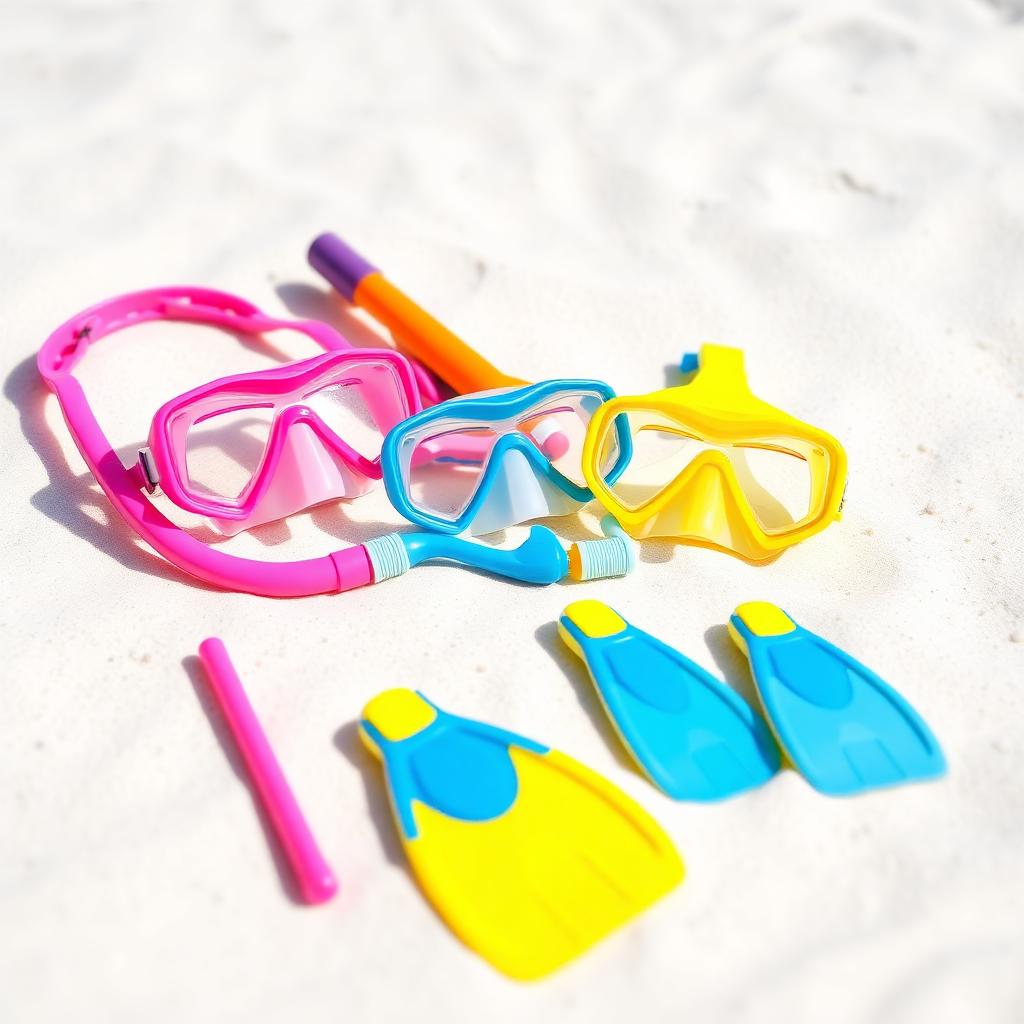
Getting the right gear for young snorkelers requires extra attention to fit and safety.
Sizing Tips for Growing Snorkelers
- Masks should seal without strap pressure (same test as adults)
- Fins should be snug but not tight—a little room for growth is okay
- Snorkels with smaller diameter tubes are easier for kids to clear
Recommended Kids’ Sets
- Cressi Junior Snorkeling Set (~$30): Sized specifically for ages 3-7 with bright colors kids love
- U.S. Divers Youth Set (~$35): Good for ages 6-12, with quality that matches adult gear
- Aqua Lung Sport Kids’ Combo (~$40): Premium option with extra safety features
Safety First
Consider a snorkel vest for young or inexperienced swimmers—it provides flotation without restricting movement, giving both kids and parents peace of mind.
---
Gear Care: Protecting Your Investment
Proper care extends the life of your equipment dramatically:
1. **Rinse with fresh water** after every use—salt water degrades silicone and rubber 2. **Store out of direct sunlight**—UV breaks down materials quickly 3. **Never leave gear in a hot car**—heat warps plastics and damages seals 4. **Store masks lens-up** to prevent scratches 5. **Keep silicone skirts away from petroleum products**—they degrade the material
When to Replace Gear
- Mask skirt becomes stiff, discolored, or won’t seal
- Snorkel mouthpiece shows bite marks or tears
- Fin straps crack or lose elasticity
- Lens develops permanent haze or scratches
---
Where to Buy: Shopping Smart
**Dive Shops (Local)**: Best for trying before buying. Staff can help with fit. Often matches online prices if you ask.
**Online Retailers**: Widest selection and often best prices. Amazon, LeisurePro, and Dive Right In Scuba are reliable options.
**Big Box Sporting Goods**: Convenient for budget sets. Selection limited to entry-level gear.
**Tip**: Buy your mask in person if possible—fit is everything. Snorkels and fins are safer to order online once you know your size.
---
Ready to Gear Up?
With the right equipment in your bag, you're ready to explore the underwater world on your own terms. Start with quality basics that fit well, and upgrade individual pieces as you discover your preferences.
**Looking for somewhere to use your new gear?** Check out our guides to: - [Florida's Best Snorkeling Beaches for Beginners](/blog/beginner-snorkeling-beaches-florida-guide) — Perfect calm-water spots to break in your equipment - [Swimming with Sea Turtles](/blog/sea-turtle-snorkeling-guide) — Bucket-list snorkeling experiences - [Caribbean's Top Snorkeling Beaches](/blog/best-snorkeling-beaches-caribbean) — Crystal-clear waters and vibrant reefs
Happy snorkeling! 🤿