Where the Reef Defines the Dive: The World's Most Compelling Reef Diving Destinations
From the drift diving paradise of Cozumel to the biodiversity epicenter of Raja Ampat, these reef destinations reshape how divers experience the underwater world.
By BeachLoco Editorial
When the Reef Becomes the Reason
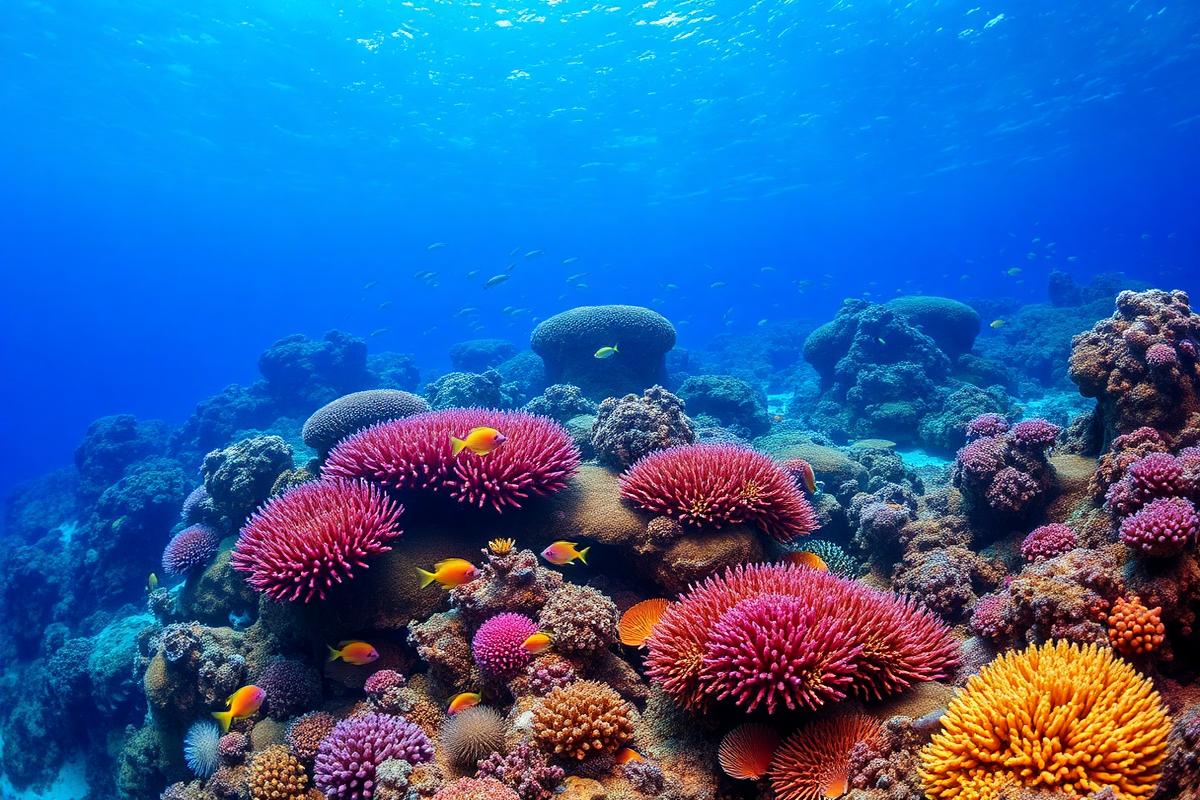
There is a moment, suspended weightless over a coral garden, when the reef ceases to be scenery and becomes the entire point. The structure itself—branching, plating, mounding in formations that took centuries to build—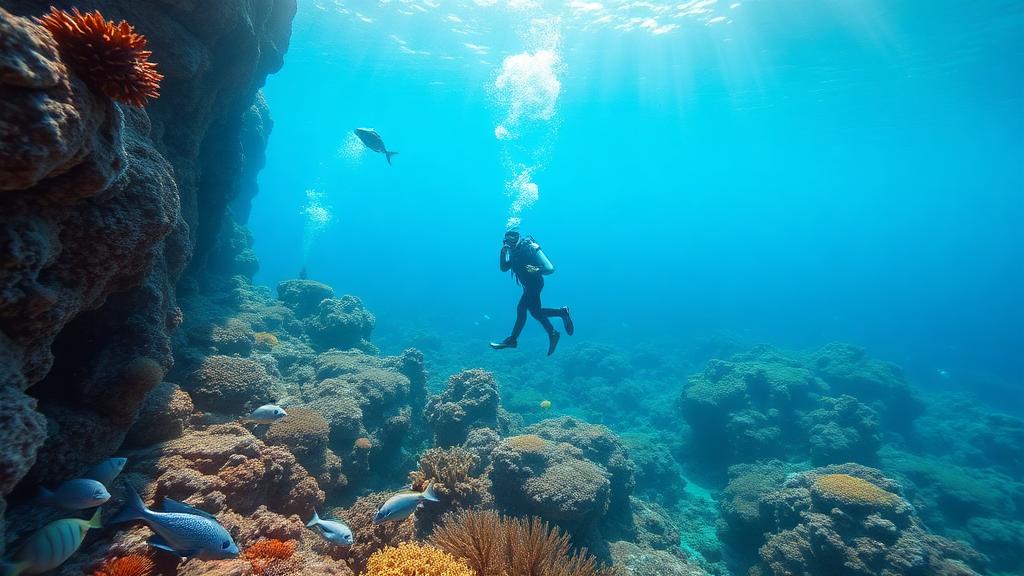
commands attention in ways that manufactured objects never quite manage. Wreck diving offers mystery and narrative, but reef diving offers something older: immersion in an ecosystem that existed long before human memory and will, with care, outlast it.
The reef destinations that matter most are not simply places with coral. They are places where the reef system defines the diving experience so completely that everything else—the resort, the boat ride, the surface interval—feels incidental. These are the destinations where divers return not for variety but for depth of relationship with a single, extraordinary underwater landscape.
Cozumel, Mexico
The Mesoamerican Barrier Reef sweeps past Cozumel's western shore like a slow-motion river, and the diving here is built around that current. Drift diving—the art of surrendering to the water's momentum while the reef scrolls past—reaches its most refined expression along these walls. Palancar Reef drops through swim-throughs and caverns carved into the limestone; Santa Rosa Wall plunges beyond recreational limits into cobalt darkness.
What distinguishes Cozumel is accessibility married to quality. The visibility routinely exceeds a hundred feet. The reef health, protected by decades of marine park management, remains strong. A diver can arrive with modest experience and leave, three days later, having logged some of the most elegant underwater time available anywhere in the Caribbean. The town of San Miguel provides just enough infrastructure without overwhelming the island's purpose, which is to serve as a staging ground for what lies beneath the surface.
Bonaire
Bonaire rejected the typical Caribbean diving model decades ago and has never looked back. Here, the reef begins at the shoreline. Divers rent trucks, load tanks, and enter the water wherever numbered yellow stones mark the access points—sixty-three sites around the island, available around the clock, without boats or guides or scheduled departure times.
This freedom reshapes the diving itself. Without the pressure of boat schedules, divers linger. They notice the cleaning stations where gobies work on groupers, the crevices where moray eels breathe in rhythmic patience, the night-blooming coral polyps that transform familiar sites after sunset. Bonaire's reef restoration programs have become models for the region, and the results show in the density of elkhorn and staghorn coral now reclaiming shallow zones.
The diving is not dramatic in the way of walls and drop-offs. It is intimate, repetitive in the best sense—the kind of place where divers develop relationships with specific patch reefs over years of return visits.
Raja Ampat, Indonesia
The numbers alone stagger: more than 1,500 fish species, over 500 coral species, a concentration of marine biodiversity that exceeds any comparable area on Earth. Raja Ampat sits at the heart of the Coral Triangle, and diving here feels less like visiting a destination than entering the source code of tropical marine life.
The logistics are not simple. Reaching the archipelago requires flights through Jakarta or Manado, then smaller planes, then boats. Liveaboards offer the most comprehensive access to the scattered dive sites, though land-based resorts have multiplied along the main islands. The water temperature rarely drops below eighty degrees; the visibility can be reduced by plankton blooms that, while limiting photography, also fuel the food chain that makes this place extraordinary.
Divers come to Raja Ampat for encounters that feel improbable: manta rays at cleaning stations, walking sharks on night dives, schools of bumphead parrotfish moving like slow-motion stampedes. But the reef itself—the sheer density of life packed onto every square meter of substrate—transcends any single sighting.
The Great Barrier Reef, Australia
The scale of the Great Barrier Reef defeats simple description. Stretching more than 1,400 miles along Queensland's coast, comprising nearly 3,000 individual reef systems, it is the largest living structure on Earth—visible from space, larger than many countries, older than modern human civilization.
Diving the GBR means choosing. The northern sections, accessed from Cairns and Port Douglas, offer the most convenient day trips and the densest tourist infrastructure. The outer reefs, reached by liveaboard or extended day boats, provide better visibility and less-visited sites. The southern sections around the Whitsundays trade some coral quality for spectacular topography and reliable encounters with reef sharks and rays.
The reef has suffered. Bleaching events, crown-of-thorns starfish, and cyclones have damaged sections that may take decades to recover. Diving here now carries weight—the awareness that this ecosystem exists in a state of managed decline, that what visitors experience today may not exist for their grandchildren. That knowledge, uncomfortable as it is, also clarifies why the Great Barrier Reef remains essential diving: because witnessing matters, and because tourism revenue funds the conservation efforts that offer the best hope for the reef's future.
The Red Sea, Egypt
The Red Sea's northern reaches, accessed from Sharm el-Sheikh and Hurghada, have been drawing European divers for decades, and the infrastructure reflects that history. The diving ranges from shore entries at house reefs to liveaboard expeditions reaching remote sites like the Brothers Islands and Daedalus Reef.
What the Red Sea offers above all is coral architecture. The hard coral formations here—table corals extending like aircraft carriers, pillar corals rising in forests—achieve a structural complexity that rivals anything in the Indo-Pacific. The visibility, often exceeding 100 feet, allows divers to appreciate the full scope of reef systems that would disappear into blue haze elsewhere.
The marine life follows the coral abundance. Napoleon wrasses patrol cleaning stations with an almost domestic familiarity. Anthias swarm in clouds of orange and purple. Dolphins frequent certain sites with such regularity that encounter odds approach certainty. The Red Sea rewards photographers and wide-eyed beginners equally, asking only for attention.
Palau, Micronesia
Blue Corner exists in a category of its own. This small promontory of reef, jutting into a channel swept by currents that concentrate pelagic life, has become one of the most famous dive sites on Earth—and the fame, for once, is deserved. Divers hook into the reef and watch the show: gray reef sharks patrolling in packs, eagle rays cruising past, Napoleon wrasses approaching with unsettling intelligence, occasional mantas and even hammerheads.
But Palau extends well beyond Blue Corner. The rock islands create a labyrinth of channels, lagoons, and hidden reefs that would take years to explore fully. Jellyfish Lake offers the singular experience of swimming among millions of stingless jellyfish in a landlocked marine lake. The wrecks of World War II—planes and ships scattered across the archipelago—complement the natural sites.
Palau demands intermediate-to-advanced skills. The curr
ents that create the spectacle also create hazard; divers need comfort with drift diving, reef hooks, and the occasional need to seek shelter when the flow intensifies.
Roatán, Honduras
The Bay Islands of Honduras dangle off the edge of the Mesoamerican Barrier Reef, and Roatán—the largest and most developed of the three—has built an entire economy around access to that reef system. The diving is wall diving, primarily: the reef flat extends a hundred yards from shore before dropping into blue water depths.
The walls of Roatán combine coral coverage with architectural drama. Tunnels, arches, and canyons break the vertical surfaces; swim-throughs lead from one depth to another through corridors of sponges and sea fans. The marine life includes the full Caribbean roster—turtles, spotted eagle rays, moray eels, nurse sharks resting in sandy patches—plus dolphin encounters at certain sites.
Roatán also offers excellent Caribbean wreck diving, with sites like El Aguila and Prince Albert sitting adjacent to the reef walls.
Roatán's advantage is accessibility. Flights connect directly from major U.S. cities. The diving infrastructure is mature but not overwhelming. A diver can arrive for a long weekend and log ten dives without rushing, returning home having experienced the best of Caribbean reef diving at a fraction of Caribbean resort prices.
Fiji
Fiji claims the title "Soft Coral Capital of the World," and while such marketing phrases usually warrant skepticism, this one holds. The soft corals here—dendronephthya in violets and pinks and oranges, sea fans in sizes that dwarf divers—achieve a density and coloration that transforms reef diving into something closer to moving through an abstract painting.
The best soft coral sites cluster around Taveuni and the Bligh Water passage, where currents sweep nutrients through the channel and the corals grow in such profusion that the reef structure itself nearly disappears beneath the living tissue. The Great White Wall, named for the pale soft corals that cover its vertical face, ranks among the most photographed dive sites on Earth.
Fiji wraps this underwater spectacle in surface hospitality that has become part of the destination's identity. The warmth is genuine, the pace unhurried, the villages adjacent to the resorts living communities rather than tourist constructions. Diving here feels like visiting rather than consuming.
Why the Reef Endures
Reef diving lacks the narrative simplicity of wrecks. There is no single object to photograph, no mystery to solve, no historical thread to trace. What reef diving offers instead is communion with complexity—the chance to spend an hour attending to an ecosystem that operates on scales from microscopic to continental, where every species connects to every other in webs that science still struggles to fully map.
The destinations that reshape how divers see the sea share a common quality: they demand attention rather than distraction. They reward patience over restlessness, return visits over bucket-list checking, observation over collection. They remind us that the ocean's architecture—the living structure of the reef itself—is the point, and always was.
Explore More Diving Adventures
For beach travelers who dive, these destinations anchor trips that extend beyond the water. Closer to home, Florida's wreck diving offers accessible adventures from Key Largo to Pensacola Beach. The Caribbean's legendary wrecks provide another dimension to tropical diving.
Discover more in our complete scuba diving beaches guide.