Best Scuba Diving Beaches in the Caribbean — Beginner to Advanced Sites
From Bonaire's shore-entry paradise to Belize's Great Blue Hole, explore the Caribbean's best dive sites.
By BeachLoco Editorial
The Caribbean Sea is one to the world's premier scuba diving destinations, offering warm waters, incredible visibility, and an astonishing variety of underwater landscapes. From dramatic wall dives plunging into the abyss to shallow coral gardens teeming with colorful fish, the Caribbean has something for every level of diver. The region's tropical climate means year-round diving is possible, making it the perfect destination for underwater enthusiasts.
Stretching from the Bahamas in the north to the ABC islands off Venezuela's coast, the Caribbean encompasses hundreds of islands and thousands of dive sites. Each island has its own character and underwater personality. Some are famous for wall diving, others for wrecks, and still others for unique marine encounters. This diversity ensures that even the most seasoned Caribbean diver always has something new to explore.
The Cayman Islands: Wall Diving Paradise
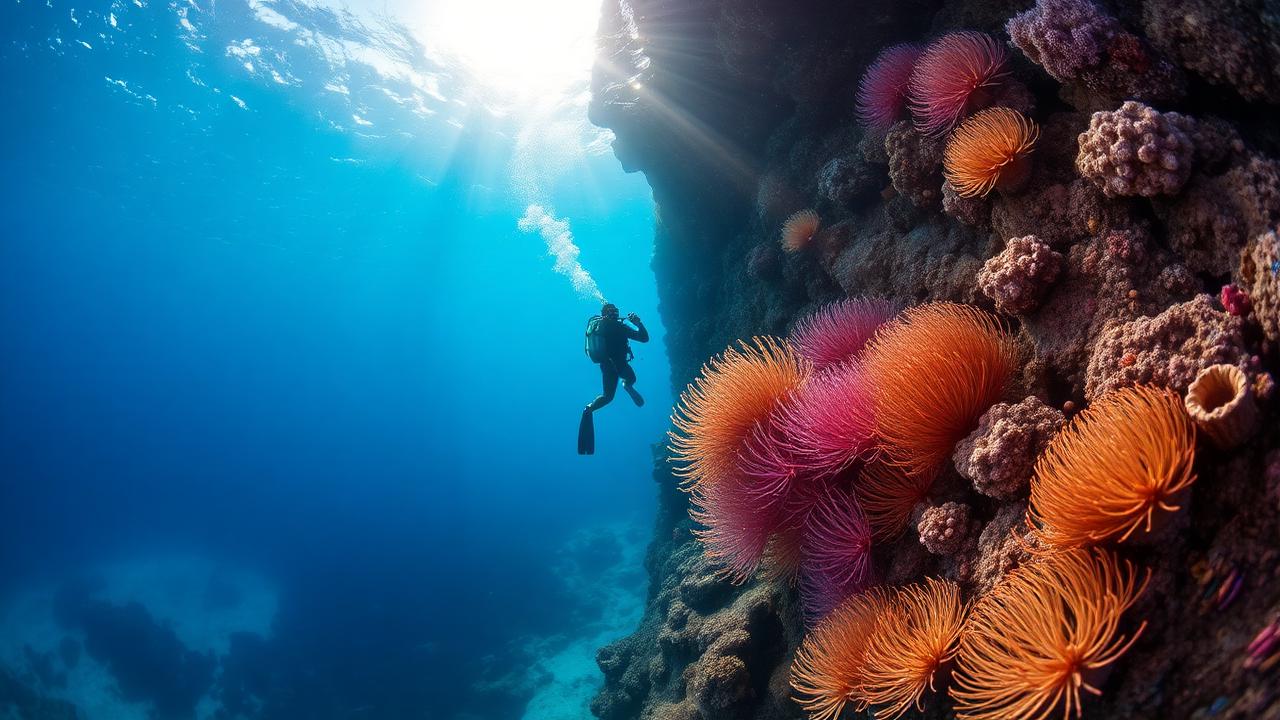
The Cayman Islands are legendary in the diving world for their spectacular wall dives. Grand Cayman's North Wall drops from shallow coral gardens into the depths of the Cayman Trench, one of the deepest parts of the Caribbean Sea. The clarity of the water here is extraordinary, with visibility regularly exceeding 30 meters, allowing divers to peer into the blue abyss below.
Little Cayman and Cayman Brac offer even more dramatic wall diving with fewer crowds. Bloody Bay Wall on Little Cayman is considered one of the best wall dives in the world, with a sheer drop-off starting at just 6 meters that plunges to over 1,800 meters. The walls are adorned with massive barrel sponges, colorful tube sponges, and black coral forests that create an underwater landscape of surreal beauty.
Bonaire: Shore Diving Capital
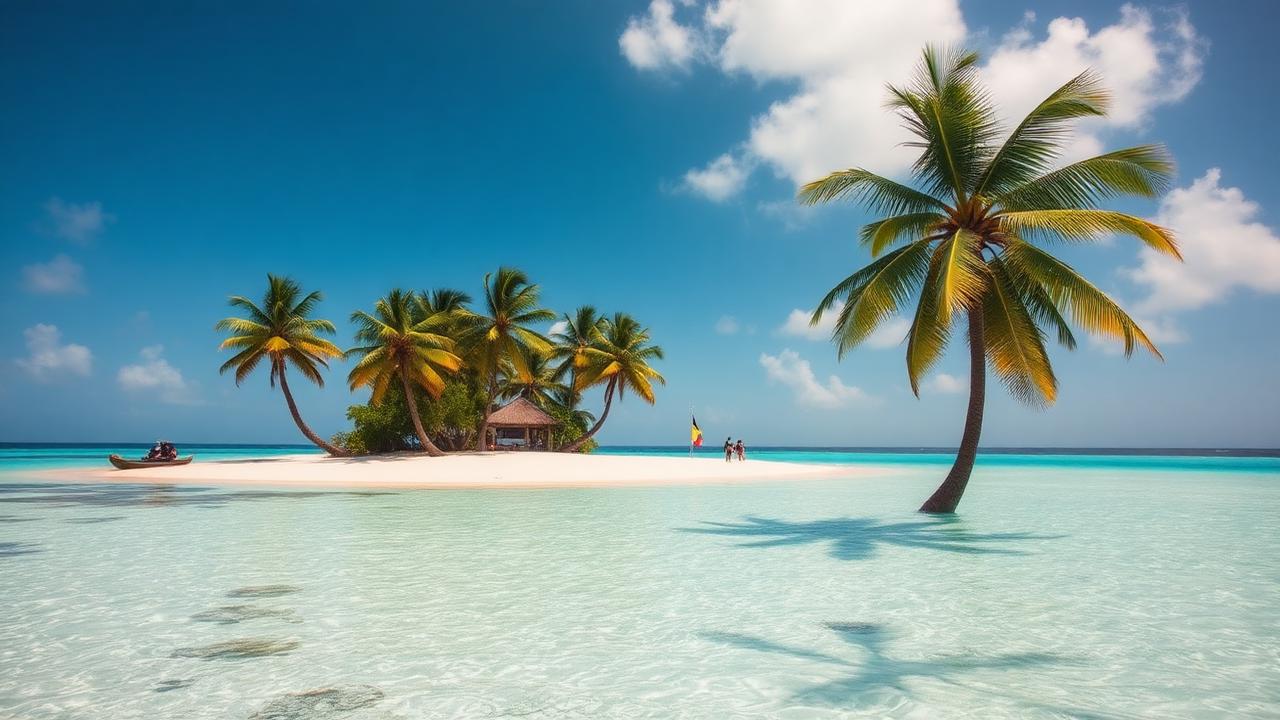
Bonaire has earned its reputation as the shore diving capital of the Caribbean. The island's entire western coastline is a marine park, with over 60 marked dive sites accessible directly from the shore. This unique setup means divers can simply park their rental truck at a numbered yellow stone marker, gear up, and walk into the water to find pristine coral reefs just meters from the beach.
The freedom of shore diving in Bonaire is liberating. Without the need for boat schedules, divers can plan their own day, diving as many or as few sites as they like. The reefs here are remarkably healthy, thanks to decades of strict marine park management, and the marine life is abundant and unafraid. Seahorses, frogfish, and octopus are regular sightings, making Bonaire a paradise for underwater photographers.
Wrecks and Marine Encounters
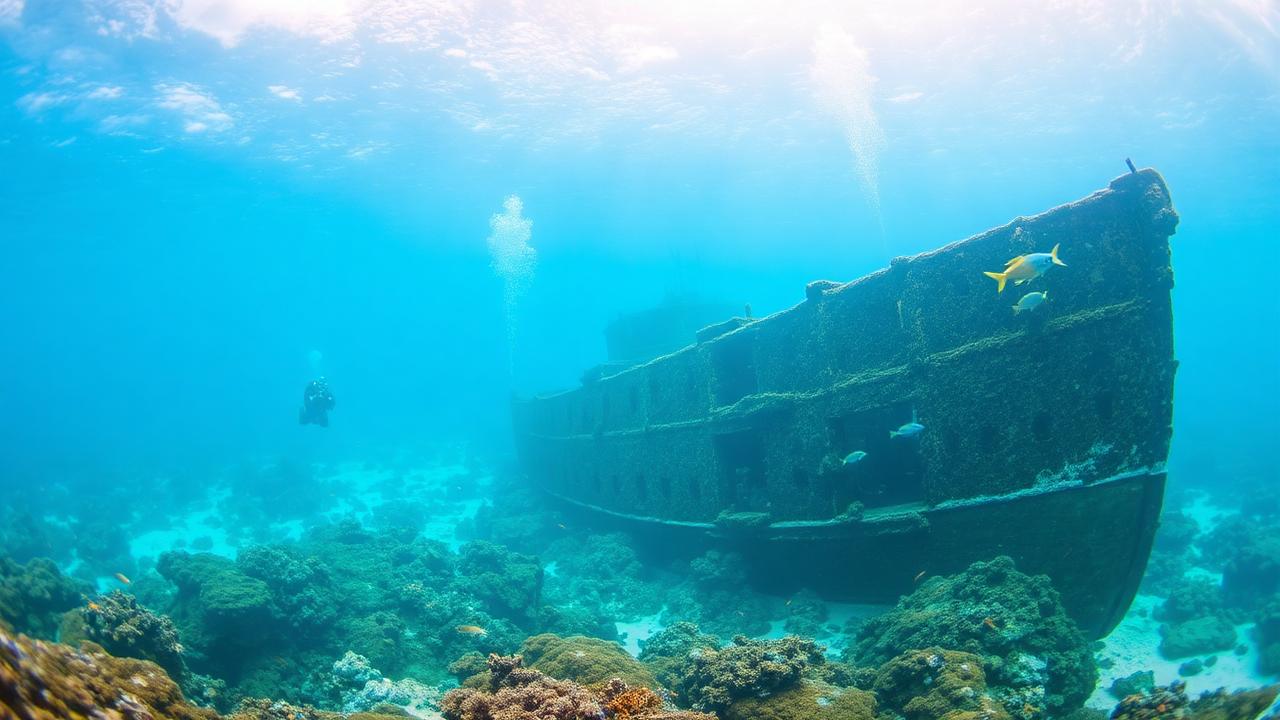
The Caribbean offers some of the world's best wreck diving opportunities. The RMS Rhone in the British Virgin Islands, sunk in 1867, is a beautifully preserved Victorian-era wreck that featured in the movie The Deep. The Hilma Hooker in Bonaire, a former drug-running freighter, sits upright in 30 meters of water and is now home to a thriving community of marine life. The Kittiwake in Grand Cayman, a decommissioned submarine rescue vessel, was deliberately scuttled in 2011 and is already becoming encrusted with coral.
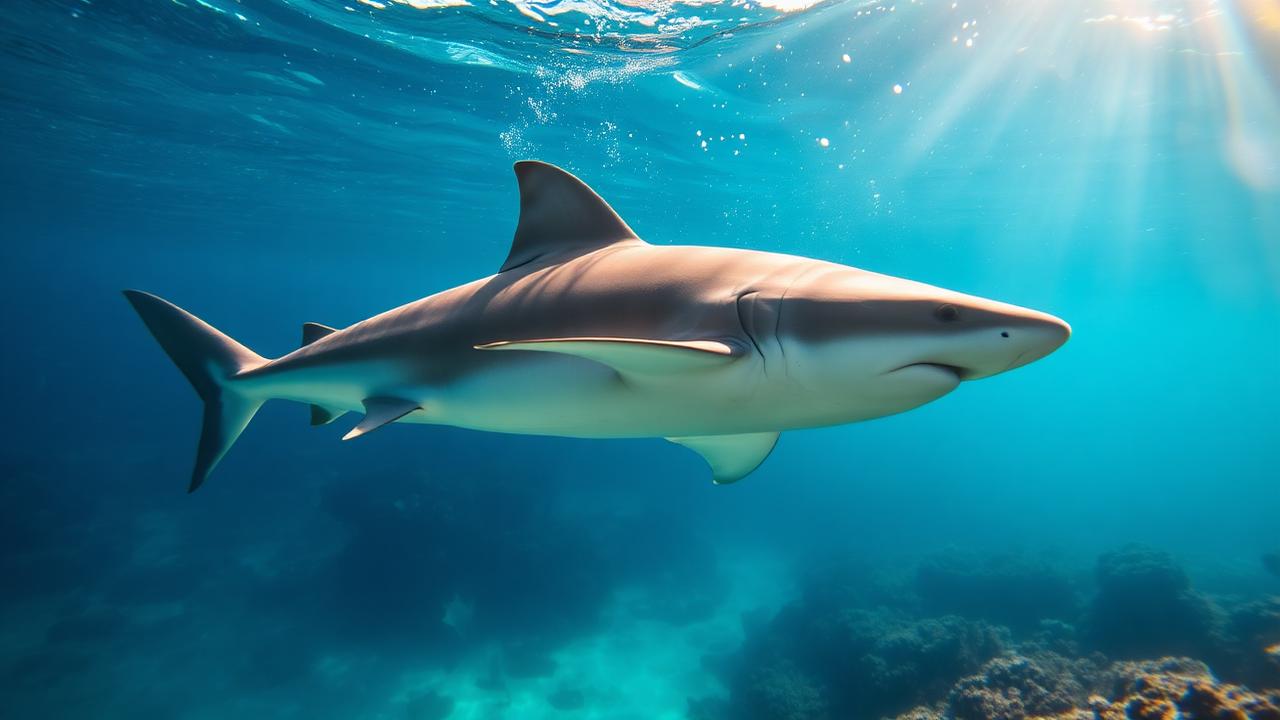
Beyond wrecks, the Caribbean offers incredible marine encounters. Swimming with friendly stingrays at Grand Cayman's Stingray City is one of the most popular marine experiences in the world. The cenotes (underwater sinkholes) of Mexico's Yucatan Peninsula offer otherworldly cave diving through crystal-clear freshwater systems adorned with stalactites and stalagmites.
Conservation and Reef Health
The Caribbean faces significant conservation challenges, including coral bleaching, overfishing, and coastal development. However, many islands have implemented strong marine protection measures. Bonaire's marine park, established in 1979, is a model for reef conservation. The Bahamas' extensive system of marine protected areas has helped maintain healthy shark and fish populations. Responsible diving practices, including proper buoyancy control and respect for marine life, are essential contributions every diver can make.
Planning Your Caribbean Dive Trip
The Caribbean offers year-round diving, with water temperatures ranging from 25-29°C. Hurricane season runs from June to November, with the greatest risk in August and September, though many islands in the southern Caribbean lie outside the hurricane belt. Visibility is typically excellent, ranging from 20 to 40 meters depending on conditions. Most Caribbean islands have well-established dive operations with professional instructors, making it easy to arrange everything from discover scuba experiences to advanced technical dives. For those looking to explore other amazing dive sites, consider destinations like Key West in the Florida Keys, known for its vibrant reefs and wreck diving, or the clear waters of Clearwater Beach on Florida's Gulf Coast, perfect for family-friendly snorkeling and diving excursions. Don't forget to check out our Best Beaches for Snorkeling in the Caribbean for more underwater adventures.
More Top Dive Sites in the Caribbean
1. Belize — Great Blue Hole & Atolls
Best for: The Blue Hole, atoll diving, wall diving
Belize's Great Blue Hole — a 300-meter wide, 125-meter deep sinkhole visible from space — is one of diving's most iconic images. The dive itself (to 40 meters, where stalactites hang from the overhang) requires Advanced certification and delivers an otherworldly geological experience rather than a marine life spectacle. Belize's true diving gems are its three atolls — Turneffe, Lighthouse, and Glover's — where pristine wall diving, eagle ray encounters, and bull shark dives (seasonal at Lighthouse Reef) rival any Caribbean destination. The reef system here is the largest in the Western Hemisphere.
2. Saba & St. Eustatius — The Caribbean's Hidden Gems
Best for: Uncrowded diving, pinnacles, volcanic topography
These tiny Dutch Caribbean islands offer diving that rivals their famous neighbors without the crowds. Saba's underwater pinnacles — volcanic formations rising from the seafloor — create current-swept habitats where nurse sharks, barracuda, and massive sponges thrive. The Saba Marine Park protects pristine reef systems rarely visited by more than a few divers per day. St. Eustatius (Statia) adds historical wrecks and a unique blue bead diving experience — 17th-century Dutch trade beads scattered across the seafloor.
Marine Life & Ecosystems
- Reef species: Caribbean reef sharks, nurse sharks, southern stingrays, spotted eagle rays, green and hawksbill turtles
- Coral systems: Brain coral, elkhorn coral, staghorn coral, massive barrel sponges, gorgonian sea fans
- Macro life: Seahorses (Bonaire specialty), flamingo tongue snails, arrow crabs, cleaning shrimp
- Pelagics: Bull sharks (Belize seasonal), hammerheads (occasional), whale sharks (Honduras, seasonal)
- Unique encounters: Southern stingrays (Grand Cayman), tarpon (Bonaire night dives), manatees (Belize)
Best Time to Dive
| Destination | Best Months | Highlights |
|---|---|---|
| Bonaire | Year-round | Outside hurricane belt, diveable 350+ days |
| Cozumel | Dec–Apr | Best visibility, calmest conditions |
| Grand Cayman | Dec–Apr | Clearest water, best wall conditions |
| Belize | Nov–May | Bull sharks Nov–Mar at Lighthouse Reef |
| Saba/Statia | Dec–May | Calmest seas, best visibility |
Diving Conditions
Currents: Generally mild across most Caribbean sites. Cozumel's drift dives have consistent 1–2 knot currents (managed by operators). Bonaire is predominantly calm. Saba's pinnacles can experience moderate to strong currents on exposed sites.
Depth: Most Caribbean recreational diving occurs at 10–30 meters. Wall dives offer unlimited depth potential — Grand Cayman's north wall drops to 1,800 meters. Belize's Blue Hole dive goes to 40 meters. Bonaire's shore reefs slope from 5–40 meters.
Certifications: Open Water sufficient for the vast majority of Caribbean diving. Advanced Open Water required for Blue Hole (Belize), deep wall diving, and some Saba pinnacles. Drift Diver specialty recommended for Cozumel.
Beginner vs Advanced Breakdown
Beginners: Bonaire's calm shore-entry sites, Grand Cayman's Eden Rock/Devil's Grotto, and Cozumel's shallow reef dives are among the world's best beginner destinations. Warm water, excellent visibility, and minimal currents create ideal learning conditions.
Advanced: Belize's Blue Hole, Cozumel's deep wall dives, and Saba's current-swept pinnacles provide challenge and excitement. Bull shark dives at Lighthouse Reef and Grand Cayman's deep north wall sites reward experienced divers.
Safety & Certification Tips
- Most major Caribbean dive destinations have hyperbaric chambers — Bonaire, Cozumel, Grand Cayman, and Roatan all have facilities
- Caribbean water is warm enough for 3mm wetsuits year-round, though 5mm provides more comfort on repetitive deep dives
- Shore diving in Bonaire means managing your own safety — always dive with a buddy and carry an SMB
- Hurricane season (Jun–Nov) can affect dive conditions — Bonaire and the ABC islands sit below the hurricane belt and are year-round options
Local Dive Culture
Caribbean dive culture emphasizes accessibility and enjoyment. Operations range from luxury resorts with private dive boats to independent shore-diving operations where you set your own schedule. The region has produced countless PADI and SSI instructors, and dive training courses are available in multiple languages. Island dive communities are tight-knit and welcoming — regulars at Bonaire's shore sites and Cozumel's dive shops form friendships that bring them back year after year.
How to Get There
Direct flights serve most Caribbean dive destinations from US, Canadian, and European cities. Bonaire (BON), Cozumel (CZM), Grand Cayman (GCM), and Belize City (BZE) all have international airports. Saba and Statia are reached via inter-island flights from St. Maarten (SXM). Budget carriers like Southwest, JetBlue, and Spirit serve many Caribbean routes affordably.
Frequently Asked Questions
What's the best Caribbean island for a first-time diver?
Bonaire and Grand Cayman are the top choices. Bonaire offers calm, clear, shallow shore-entry sites perfect for new divers, while Grand Cayman's Eden Rock and shore sites provide similar ease with the added attraction of Stingray City. Both have excellent dive training infrastructure.
Is the Great Blue Hole worth the hype?
The Blue Hole is an extraordinary geological experience — descending into a 125-meter deep sinkhole surrounded by stalactites is genuinely awe-inspiring. However, marine life is minimal at depth. The surrounding Lighthouse Reef atoll offers spectacular conventional reef diving. Consider the Blue Hole as one highlight of a broader Belize diving trip rather than the sole reason to visit.
Do I need to worry about hurricanes?
Hurricane season runs June through November, with peak activity August through October. Bonaire, Curaçao, and Aruba sit below the hurricane belt and are year-round destinations. For other islands, the December–April dry season offers the most reliable conditions.
Book Your Beach Getaway
Find the best deals on flights, hotels, and car rentals for your perfect beach vacation.