Best Scuba Diving Beaches in Australia — Great Barrier Reef & Deep Dives
Dive the Great Barrier Reef's iconic sites, encounter whale sharks at Ningaloo, and explore temperate kelp forests along Australia's diverse coastline.
By BeachLoco Editorial
Australia is home to some of the most spectacular scuba diving beaches on Earth. From the legendary Great Barrier Reef to the pristine waters of Ningaloo, the country offers an underwater paradise that draws divers from every corner of the globe. With incredible biodiversity, crystal-clear visibility, and a range of dive sites suitable for every skill level, Australia truly is a diver's dream destination.
The sheer scale of Australia's coastline means that diving opportunities are virtually endless. The warm tropical waters of Queensland host the world's largest coral reef system, while the temperate waters of southern Australia offer encounters with leafy sea dragons and giant cuttlefish. Whether you are a beginner looking for your first reef dive or an experienced technical diver seeking deep wrecks, Australia delivers experiences that will stay with you forever.
The Great Barrier Reef: A UNESCO Wonder
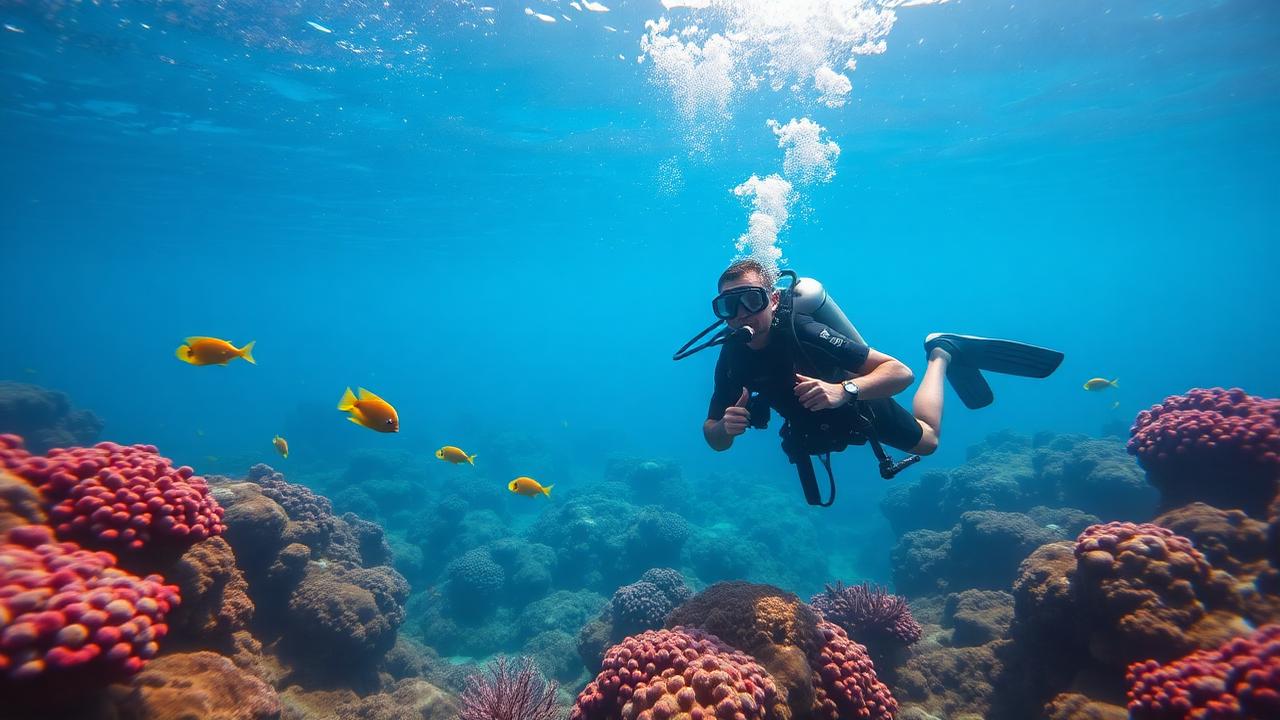
The Great Barrier Reef stretches over 2,300 kilometers along Queensland's coast and is visible from space. This incredible marine ecosystem is home to over 1,500 species of fish, 400 types of coral, and countless other marine creatures. Diving here is a bucket-list experience that consistently ranks among the best in the world. Popular access points include Cairns, Port Douglas, and the Whitsunday Islands, each offering unique diving experiences.
Ribbon Reefs, accessible via liveaboard from Cairns, offer some of the most pristine diving on the entire reef. The famous Cod Hole, where massive potato cod swim right up to divers, is an unforgettable encounter. For those preferring shore-based diving, the reefs around the Whitsunday Islands offer excellent visibility and diverse marine life, with the added bonus of stunning tropical beaches for surface intervals.
Ningaloo Reef: Western Australia's Hidden Gem
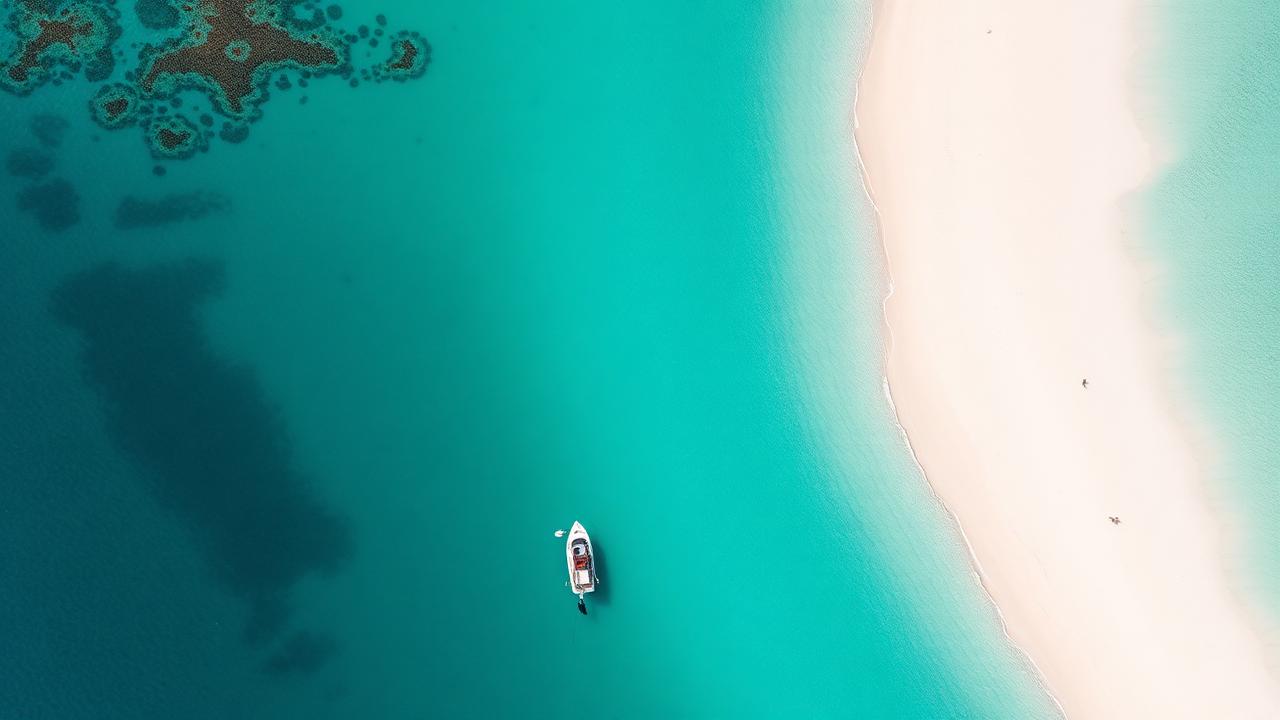
While the Great Barrier Reef gets most of the attention, Ningaloo Reef in Western Australia is equally spectacular and far less crowded. This 300-kilometer fringing reef is unique because it comes right up to the shore, meaning you can wade in from the beach and be swimming over pristine coral within minutes. The reef is famous for its annual whale shark migration, which brings these gentle giants close to shore between March and July.
Beyond whale sharks, Ningaloo offers encounters with manta rays, humpback whales, sea turtles, and an incredible array of reef fish. The Muiron Islands, just offshore from Exmouth, offer wall dives with stunning drop-offs and pelagic fish action. The combination of accessible shore diving and world-class boat dives makes Ningaloo one of the most versatile diving destinations in Australia.
Marine Life Encounters
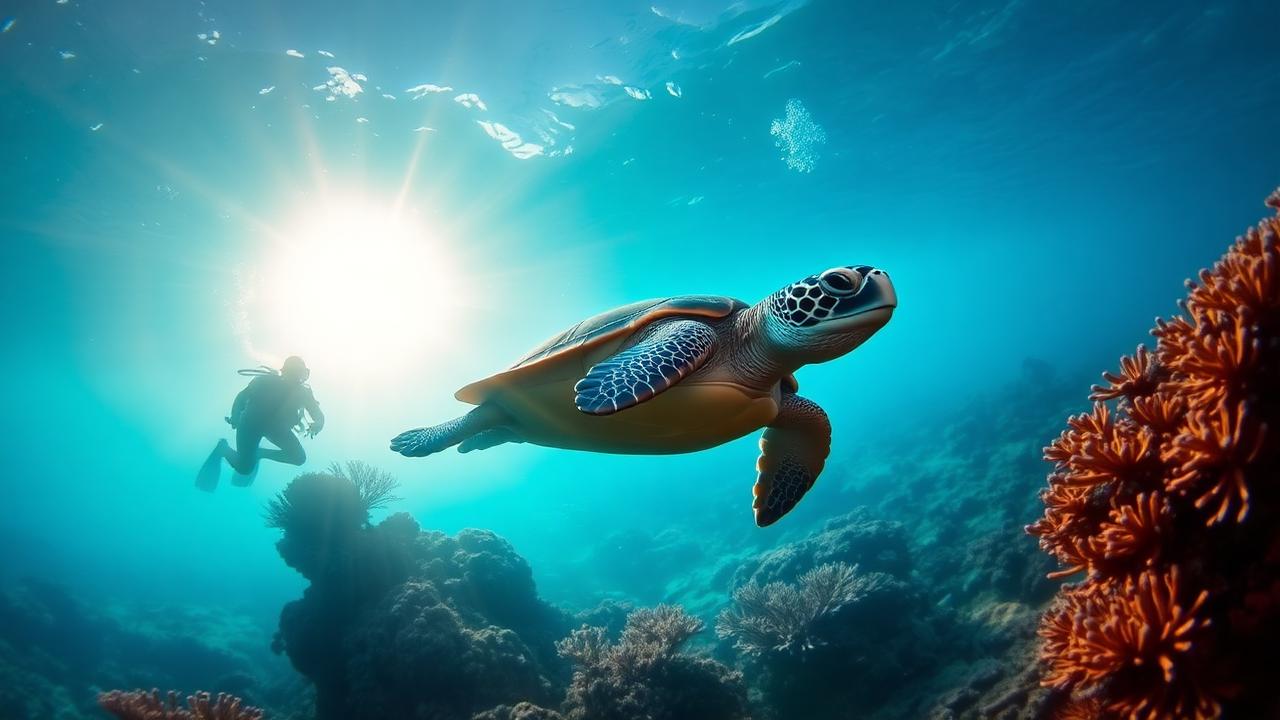
Australia's waters are home to an extraordinary diversity of marine life. Green and hawksbill sea turtles are common on the Great Barrier Reef, while whale sharks and manta rays patrol the waters of Ningaloo. In the cooler southern waters, you can dive with Australian fur seals, leafy sea dragons, and the incredible giant cuttlefish aggregation at Whyalla in South Australia.
The country's commitment to marine conservation means that many of these encounters take place in well-managed marine parks where wildlife is protected and abundant. Responsible diving operators follow strict codes of conduct to ensure that marine life is not disturbed, allowing divers to enjoy close encounters while preserving these precious ecosystems for future generations.
Wreck Diving and Beyond
Australia also offers excellent wreck diving opportunities. The SS Yongala, sunk in 1911 off the coast of Townsville, is consistently rated as one of the world's best wreck dives. The ship lies in just 30 meters of water and has become an artificial reef teeming with marine life, including sea snakes, bull sharks, and massive schools of fish. The HMAS Brisbane, deliberately scuttled off the Sunshine Coast, is another popular wreck that has been colonized by an impressive variety of marine organisms.
Planning Your Australian Dive Trip
The best time for diving in Australia depends on your destination. The Great Barrier Reef is diveable year-round, with the best visibility from June to November. Ningaloo's whale shark season runs from March to July, while manta ray encounters peak from May to November. Water temperatures range from 24-30°C on the tropical reefs to 12-20°C in southern waters, so wetsuit requirements vary accordingly. With dozens of world-class dive operators and excellent infrastructure, Australia makes planning a dive trip straightforward and rewarding.
More Top Dive Sites in Australia
1. Coral Sea — Remote Pelagic Diving
Best for: Shark diving, deep walls, pelagic species
The Coral Sea reefs — Osprey, Bougainville, and Holmes — lie 200–400 kilometers offshore and are accessible only by multi-day liveaboard. The reward is extraordinary: grey reef sharks in the hundreds, silvertip sharks, hammerheads, and the legendary "North Horn" site at Osprey Reef where sharks gather in a natural amphitheatre at 30 meters. Walls drop to 1,000+ meters, and visibility frequently exceeds 40 meters — among the best in the world.
Marine Life & Ecosystems
- Great Barrier Reef: 1,500+ fish species, 400+ coral species, 6 of 7 sea turtle species, dugongs
- Ningaloo: Whale sharks (seasonal), manta rays, 500+ fish species, 300+ coral species
- Coral Sea: Grey reef sharks, silvertip sharks, hammerheads, oceanic whitetip (rare)
- Temperate South: Leafy and weedy sea dragons, blue devil fish, giant cuttlefish aggregations (Whyalla, May–Aug)
- Endemic species: Leafy sea dragon, weedy sea dragon, Port Jackson shark, blue-ringed octopus
Best Time to Dive
| Region | Best Months | Highlights |
|---|---|---|
| GBR (outer) | Jun–Nov | Best visibility, minke whales Jun–Jul |
| Ningaloo | Mar–Jul | Whale sharks, mantas year-round |
| Coral Sea | Sep–Jan | Calmest seas, 40m+ visibility |
| SS Yongala | Year-round | Best Jun–Nov (calmer, clearer) |
| South Australia | Year-round | Giant cuttlefish May–Aug at Whyalla |
Diving Conditions
Currents: GBR outer reefs have mild to moderate currents. Coral Sea sites can experience strong currents requiring advanced skills. Ningaloo is generally calm with occasional tidal flow on outer passages. South Australian shore dives are typically low-current.
Depth: GBR reef tops sit at 3–10 meters with walls to 30+ meters. Yongala wreck at 14–28 meters. Coral Sea walls are virtually bottomless. Ningaloo shore-entry reefs are 3–15 meters.
Certifications: Open Water sufficient for GBR day trips, Ningaloo shore dives, and South Australian sites. Advanced Open Water required for SS Yongala, Coral Sea liveaboards, and Ningaloo outer sites.
Beginner vs Advanced Breakdown
Beginners: GBR inner reef day trips from Cairns, Ningaloo's shore-entry reefs, and Rapid Bay jetty dives offer gentle conditions with extraordinary marine life. Many operators offer Discover Scuba Diving experiences.
Advanced: Coral Sea liveaboards, SS Yongala wreck, and Ningaloo's Muiron Islands reward experienced divers with pelagic encounters and deep wall diving that rival anywhere on Earth.
Safety & Certification Tips
- Marine stingers (box jellyfish, Irukandji) are present in tropical Queensland from October through May — full-body stinger suits are standard issue on dive boats during these months
- Australia has excellent hyperbaric facilities in Townsville, Cairns, and Perth
- GBR Marine Park zoning restricts certain areas — follow your operator's guidance on permitted zones
- South Australian diving requires proper thermal protection — 7mm wetsuits or drysuits are essential
Local Dive Culture
Australian dive culture blends conservation consciousness with adventure. The GBR is among the most studied marine ecosystems globally, and many dive operators actively participate in coral monitoring programs — divers can join citizen science projects like Reef Check. The liveaboard scene on the GBR is world-class, with vessels ranging from budget bunk-style to luxury small-group expeditions. Cairns and Port Douglas serve as the primary dive hubs, with excellent shore-based infrastructure.
How to Get There
International flights arrive in Cairns (CNS) for GBR access, Perth (PER) for Ningaloo (followed by a 2-hour flight to Exmouth or Learmonth), and Adelaide (ADL) for South Australia. Domestic carriers Qantas, Virgin Australia, and Jetstar connect all major dive regions.
Frequently Asked Questions
Is the Great Barrier Reef still worth diving?
Absolutely. While climate change has impacted some inner reef areas, the outer reef — particularly the Ribbon Reefs and Coral Sea — remains spectacular. Choosing liveaboard itineraries that visit outer and northern sections ensures you experience the GBR at its best.
When can I swim with whale sharks at Ningaloo?
Whale shark season runs from mid-March through July, with peak encounters in April and May. Tours operate from Exmouth and Coral Bay, with 90%+ sighting success rates during peak season. Note that encounters are snorkeling-based by regulation — scuba is not permitted with whale sharks in Australia.
Do I need a drysuit for South Australian diving?
A 7mm wetsuit with hood and gloves is sufficient for most South Australian diving (water temps 14–20°C). Drysuits provide more comfort for extended dives or winter diving when temperatures drop to 12°C. Most dive shops offer rental drysuits if you don't own one.
Book Your Beach Getaway
Find the best deals on flights, hotels, and car rentals for your perfect beach vacation.