Best Beaches for Snorkeling in Australia — Great Barrier Reef & Beyond
From the Great Barrier Reef's outer cays to Ningaloo's shore-entry paradise, explore Australia's most spectacular snorkeling destinations with conditions, marine life, and regional guides.
By BeachLoco Editorial Team
Australia is home to some of the most spectacular snorkeling destinations on the planet. From the world-famous Great Barrier Reef stretching along the Queensland coast to the pristine coral gardens of Western Australia's Ningaloo Reef, the country offers an unrivaled diversity of underwater experiences. Whether you're a first-time snorkeler or an experienced ocean explorer, Australia's crystal-clear waters, vibrant marine life, and accessible reef systems make it the ultimate destination for underwater adventure. For an overview of the coastline as a whole, start with our Australia beaches guide.
Great Barrier Reef: The Crown Jewel
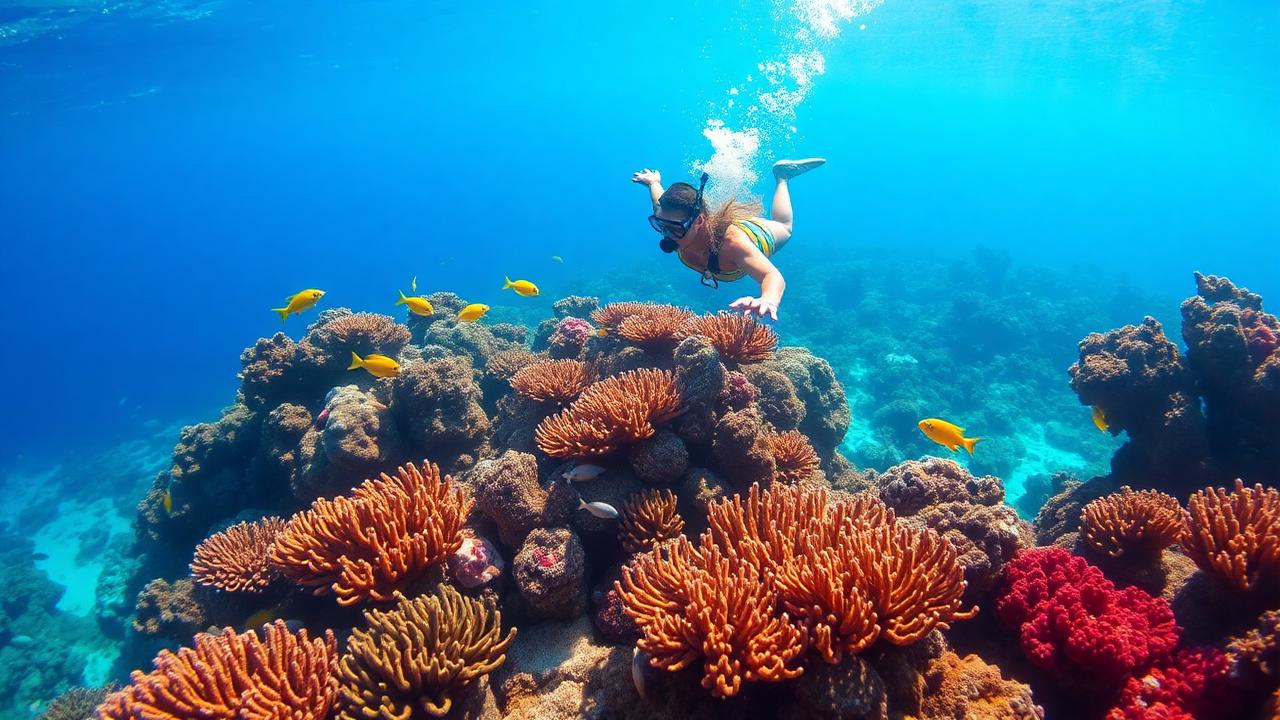
No conversation about snorkeling in Australia can begin without the Great Barrier Reef. Stretching over 2,300 kilometers along the Queensland coast, this UNESCO World Heritage Site is the largest coral reef system on Earth. The sheer scale is almost incomprehensible—it's visible from space and contains over 1,500 species of fish, 400 types of coral, and countless other marine organisms.
The best snorkeling access points along the Great Barrier Reef include the Whitsunday Islands, Cairns, and Port Douglas. From Cairns, day trips to the outer reef take around two hours by boat, but the reward is extraordinary visibility often exceeding 20 meters. The coral gardens at Agincourt Reef are particularly stunning, where snorkelers glide over massive plate corals teeming with parrotfish, angelfish, and the occasional reef shark.
For those seeking a more intimate experience, the Whitsunday Islands offer sheltered bays where coral grows right up to the shoreline. Hardy Reef features a pontoon platform where even novice snorkelers can safely explore the underwater world. The water temperature hovers between 24 and 30 degrees Celsius year-round, making wetsuits optional for most of the year.
Ningaloo Reef: Western Australia's Hidden Gem
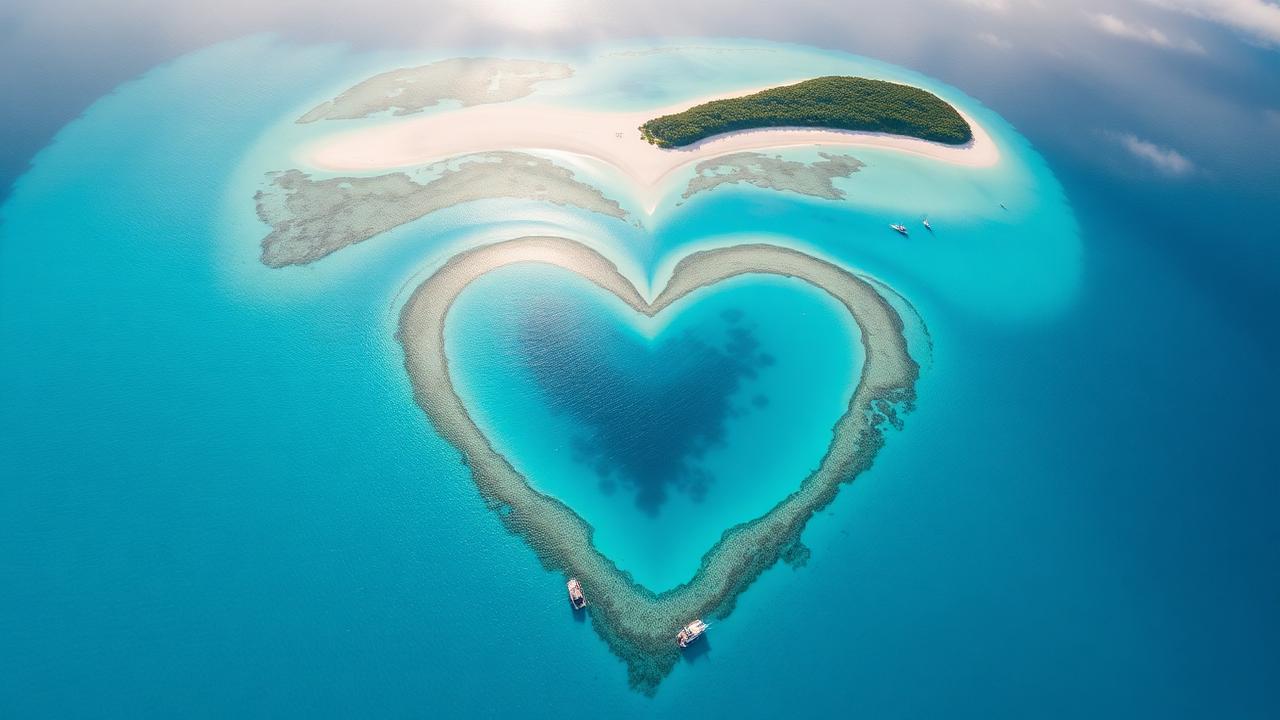
While the Great Barrier Reef commands global attention, many seasoned travelers argue that Ningaloo Reef in Western Australia delivers an even more remarkable snorkeling experience. The key difference is accessibility—Ningaloo is a fringing reef, meaning the coral starts just meters from the shore. There's no need for expensive boat trips; you simply walk into the water from the beach and find yourself surrounded by a kaleidoscope of marine life.
The town of Exmouth serves as the primary gateway to Ningaloo. Turquoise Bay, consistently ranked among Australia's most beautiful beaches, offers a natural drift snorkel experience. The current gently carries you along the reef edge, where green sea turtles, manta rays, and schools of tropical fish are regular companions. Between March and July, whale sharks—the largest fish in the ocean—migrate through these waters, and swimming alongside these gentle giants is a bucket-list experience that Ningaloo is uniquely positioned to offer.
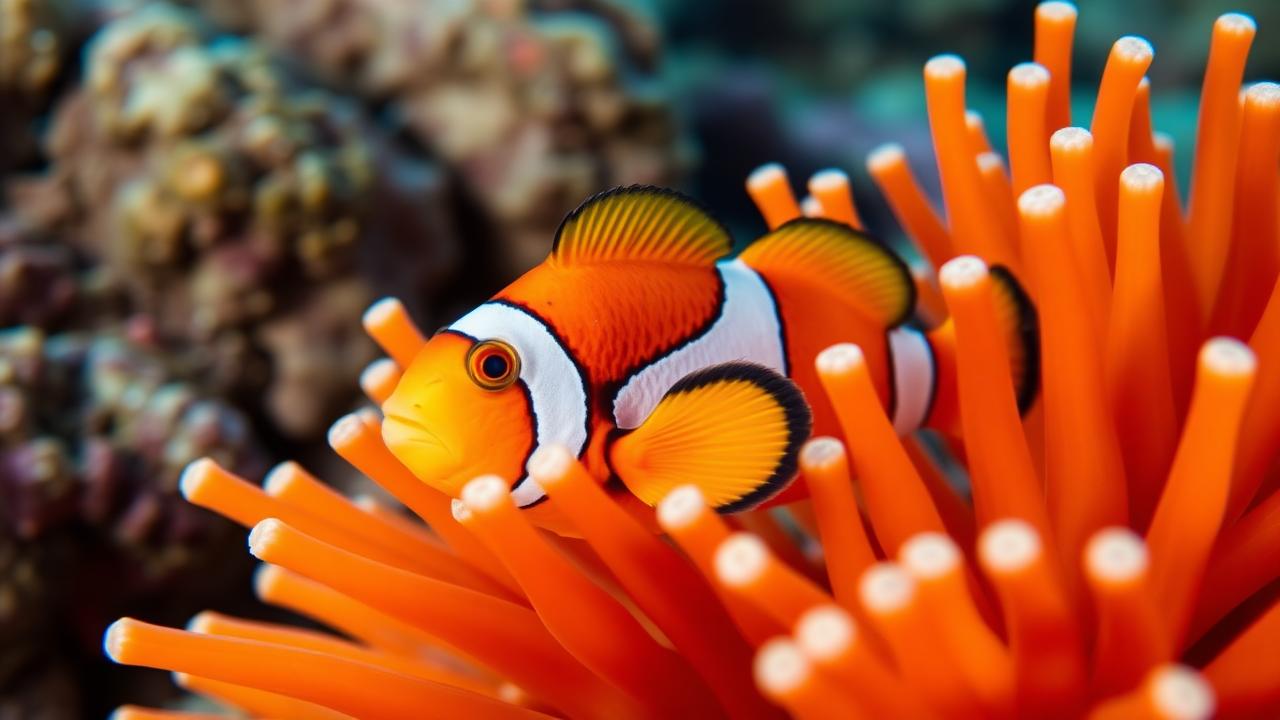
Coral Bay, further south along the reef, provides an equally impressive but more relaxed snorkeling environment. The bay is protected from ocean swells, creating calm conditions ideal for families and beginners. The coral here is remarkably healthy, with vibrant staghorn and brain corals hosting an ecosystem of clownfish, wrasse, and octopus.
Lord Howe Island: A Snorkeling Paradise
Lord Howe Island, a crescent-shaped volcanic remnant located 600 kilometers off the New South Wales coast, is one of Australia's best-kept secrets. With visitor numbers capped at 400 at any given time, the island offers an exclusivity that translates directly to pristine underwater conditions. The lagoon on the western side of the island is the world's southernmost coral reef ecosystem, where tropical and temperate species overlap in a unique biological crossroads.
Ned's Beach is the island's most accessible snorkeling spot, where fish are so abundant and accustomed to humans that they swarm around snorkelers the moment they enter the water. Kingfish, wrasse, and spangled emperor are among the species you'll encounter, along with Galapagos sharks that patrol the deeper edges of the reef. The visibility here regularly exceeds 30 meters, creating an almost surreal underwater landscape.
Erscott's Hole, a natural swimming pool formed by volcanic rock, offers a sheltered snorkeling experience where colorful nudibranchs and sea stars carpet the rocky substrate. For more advanced snorkelers, the Admiralty Islands off the northern tip provide encounters with larger pelagic species and dramatic underwater topography.
The Whitsundays: Where Reef Meets Rainforest
The Whitsunday Islands, nestled between the Queensland coast and the outer Great Barrier Reef, offer a unique snorkeling proposition. These 74 continental islands are fringed by coral reefs that benefit from the nutrient-rich waters flowing from the mainland while remaining clear enough for exceptional visibility.
Whitehaven Beach, frequently cited as one of the world's most beautiful beaches, is primarily known for its silica sand, but the snorkeling at adjacent Tongue Bay is outstanding. Here, bommies—isolated coral heads rising from the sandy bottom—create natural aquariums filled with butterflyfish, anemonefish, and the occasional wobbegong shark.
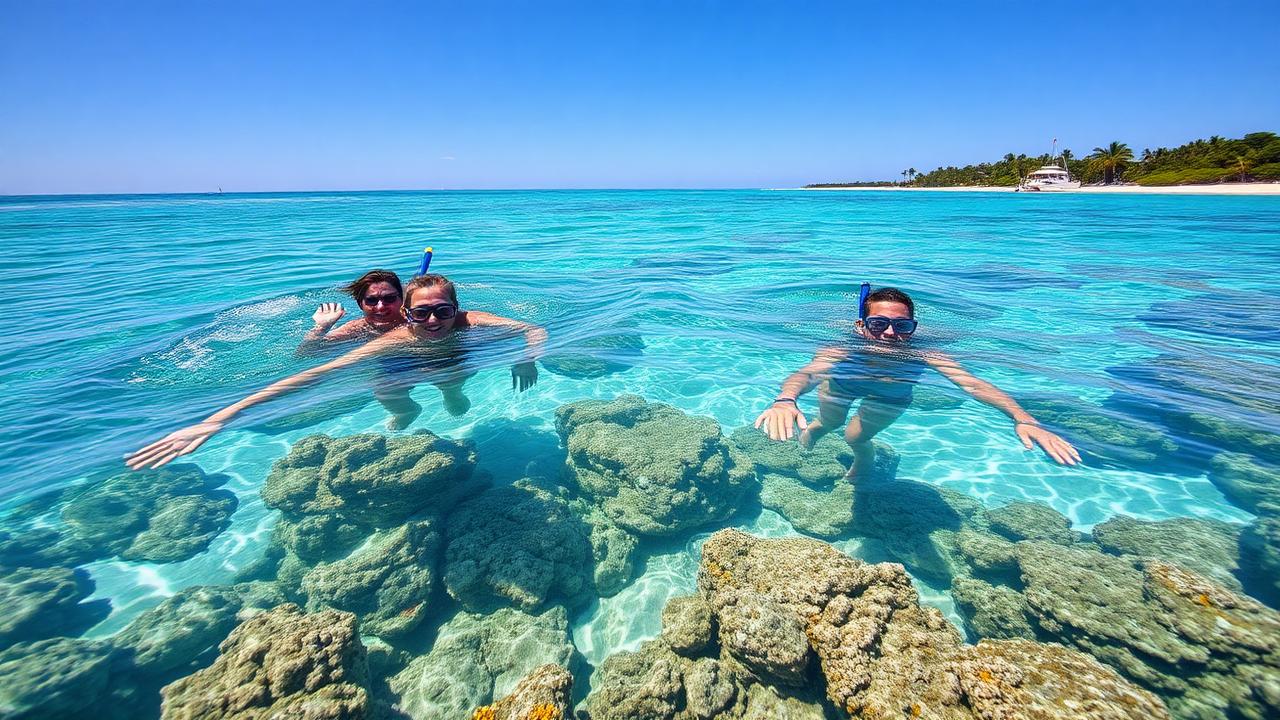
Hook Island, one of the less-developed islands in the chain, features some of the best fringing reef in the Whitsundays. Butterfly Bay and Luncheon Bay offer snorkeling directly from the beach, with coral coverage that rivals many outer reef locations. The marine park zoning system ensures these reefs remain protected, and the results are visible in the health and diversity of the coral communities.
Practical Tips for Snorkeling in Australia
Planning a snorkeling trip to Australia requires attention to a few key details. The best time to visit the Great Barrier Reef and Whitsundays is between June and October, when visibility peaks and stinger season has passed. Ningaloo Reef is best visited between March and July for whale shark encounters, while Lord Howe Island is accessible year-round but particularly pleasant between September and May.
Sun protection is critical in Australia's intense UV environment. Reef-safe sunscreen is strongly encouraged, as chemical sunscreens can damage coral. A full-length rash guard provides excellent sun protection while also guarding against jellyfish stings. Lycra stinger suits are available for rent at most reef tour operators during stinger season from November to May.
Marine park fees apply in most snorkeling areas, typically included in tour prices but worth confirming in advance. The Environmental Management Charge for the Great Barrier Reef Marine Park is a modest fee that directly funds reef conservation efforts. When snorkeling independently at Ningaloo or Lord Howe, be mindful of tidal conditions and always snorkel with a buddy.
Australia's snorkeling destinations are genuinely world-class, offering experiences that range from the accessible and family-friendly to the remote and adventurous. Whether you choose the iconic Great Barrier Reef, the shore-accessible wonders of Ningaloo, the exclusive beauty of Lord Howe Island, or the island-hopping paradise of the Whitsundays, you'll discover underwater worlds that rank among the finest on Earth.
Sydney and New South Wales: Temperate Snorkeling Close to the Cities
Australia's snorkeling is not only tropical. Along the New South Wales coast, temperate reefs of kelp, sponge gardens and boulder fields sit within easy reach of Sydney, and the marine life is completely different from the coral country further north. Water here is cooler — roughly 17–23 degrees Celsius through the year — so most snorkelers are more comfortable in a 2–3mm wetsuit or a thermal top outside of late summer.
Cabbage Tree Bay Aquatic Reserve at Shelly Beach in Manly is the best-known example. The bay faces away from the prevailing swell, the entry is a gentle sand beach, and the rocky edges hold eastern blue gropers, cuttlefish, octopus and large schools of bream and yellowtail. Port Jackson sharks are common through the cooler months and are harmless to snorkelers. Gordons Bay, near Coogee, has an underwater nature trail of anchored markers linking rocky outcrops, which makes navigation easy for people still building confidence.
Seasons, Water Temperature and Visibility by Region
Because Australia spans tropical and temperate waters, the "best season" depends entirely on where you are heading.
Queensland and the Great Barrier Reef: the dry season from roughly June to October brings settled weather, lighter winds and the clearest water. Sea temperatures sit around 23–29 degrees Celsius. Marine stingers, including box jellyfish and Irukandji, are a genuine seasonal risk in coastal tropical waters from about November to May, and stinger suits are standard practice with reputable operators during that window.
Ningaloo and Western Australia: March to July is the classic whale shark window, with humpbacks passing through from roughly August to October. Water temperatures generally run around 22–28 degrees Celsius, and the fringing reef stays snorkelable most of the year when winds are light.
Lord Howe Island: the island is a subtropical crossover zone, with water closer to 19–25 degrees Celsius. September through May is the most comfortable stretch, and a thin wetsuit is worth having in shoulder months.
Across all regions, mornings are usually the better half of the day. Sea breezes commonly strengthen through the afternoon, putting chop on the surface and stirring sediment near shore.
Shore Snorkeling Versus Boat Trips
Australia offers both, and the choice shapes the cost and the character of the trip. Shore snorkeling is the strength of Ningaloo, Lord Howe and much of the New South Wales coast: you park, walk in and you are on reef within minutes, with no schedule to keep and no seasickness to manage. It also means you are responsible for reading conditions yourself.
Boat trips are effectively mandatory for the outer Great Barrier Reef, where the healthiest, clearest sites sit one to two hours offshore. Day boats typically include gear, briefings, in-water guides and often a pontoon or shaded platform, which is a large advantage for nervous swimmers and families. Smaller operators running to fewer sites with fewer passengers generally deliver a calmer experience than large high-capacity vessels.
Choosing Sites by Experience Level
Beginners and families are best served by protected, shallow water with easy entries: Coral Bay at Ningaloo, pontoon-based sites on the outer reef, the lagoon and Ned's Beach on Lord Howe, and sheltered bays such as Shelly Beach in Sydney. Flotation belts or pool noodles are widely available on tours and make a real difference for anyone not used to spending an hour face-down in open water.
More confident snorkelers can take on the drift at Turquoise Bay, the fringing reef edges at Hook Island, and deeper bommie fields where the bottom drops away. Drift snorkeling in particular requires understanding the exit point before you start: at Turquoise Bay the current runs along the reef toward a sandbar, and the rule is to leave the water before reaching the channel at the southern end.
Gear, Rentals and Ocean Safety
On the water, a few habits matter more than equipment. Snorkel with a buddy, tell someone where you are going, and enter where you can also comfortably exit. Watch the tide: many fringing reefs are best on a rising tide and become shallow, sharp and current-prone at low water. Stay clear of boat channels and use a brightly coloured float or tow buoy where boat traffic is possible. Never stand on or touch coral, keep a respectful distance from turtles, rays and sharks, and leave shells and marine animals where they are — much of this coastline sits inside marine parks with protected zones.
Frequently Asked Questions
Do you need to be a strong swimmer to snorkel in Australia?
Not for sheltered sites. Calm bays, lagoons and pontoon-based reef platforms suit basic swimmers, and flotation aids are commonly provided. Drift sites, deeper bommies and any location with current do require comfortable open-water swimming ability.
When is stinger season, and can you still snorkel?
Marine stingers are a risk in tropical Queensland waters from around November to May. Snorkeling continues during this period, generally with full-length stinger suits and with operators following local safety guidance. Outer reef sites are considered lower risk than nearshore beaches, but suits are still standard.
Is Ningaloo or the Great Barrier Reef better for snorkeling?
They are different experiences rather than ranked ones. Ningaloo is unmatched for walk-in reef and seasonal whale shark encounters. The Great Barrier Reef offers enormous scale, more coral diversity and a deeper choice of operators, but the best sites require a boat.
Book Your Beach Getaway
Find the best deals on flights, hotels, and car rentals for your perfect beach vacation.