Best Scuba Diving Beaches in Indonesia — World-Class Dive Sites & Biodiversity
Explore Indonesia's legendary dive sites from Raja Ampat's unmatched biodiversity to Komodo's drift diving and Bali's vibrant coral walls.
By BeachLoco Editorial
Indonesia is widely regarded as the epicenter of marine biodiversity on our planet. Straddling the Coral Triangle, this vast archipelago of over 17,000 islands offers diving that is simply unmatched in terms of species diversity, dramatic underwater landscapes, and the sheer variety of dive experiences available. From the legendary reefs of Raja Ampat to the manta ray encounters of Komodo and the famous wrecks of Bali, Indonesia is a diver's paradise of the highest order.
The Coral Triangle, centered on the waters of Indonesia, the Philippines, and Papua New Guinea, contains over 75% of all known coral species and is home to more marine species per square kilometer than anywhere else on Earth. Indonesia sits at the heart of this biological wonderland, and its diving reflects this extraordinary biodiversity. A single dive in Raja Ampat can reveal more species of fish and coral than exist in the entire Caribbean Sea.
Raja Ampat: The Crown Jewel
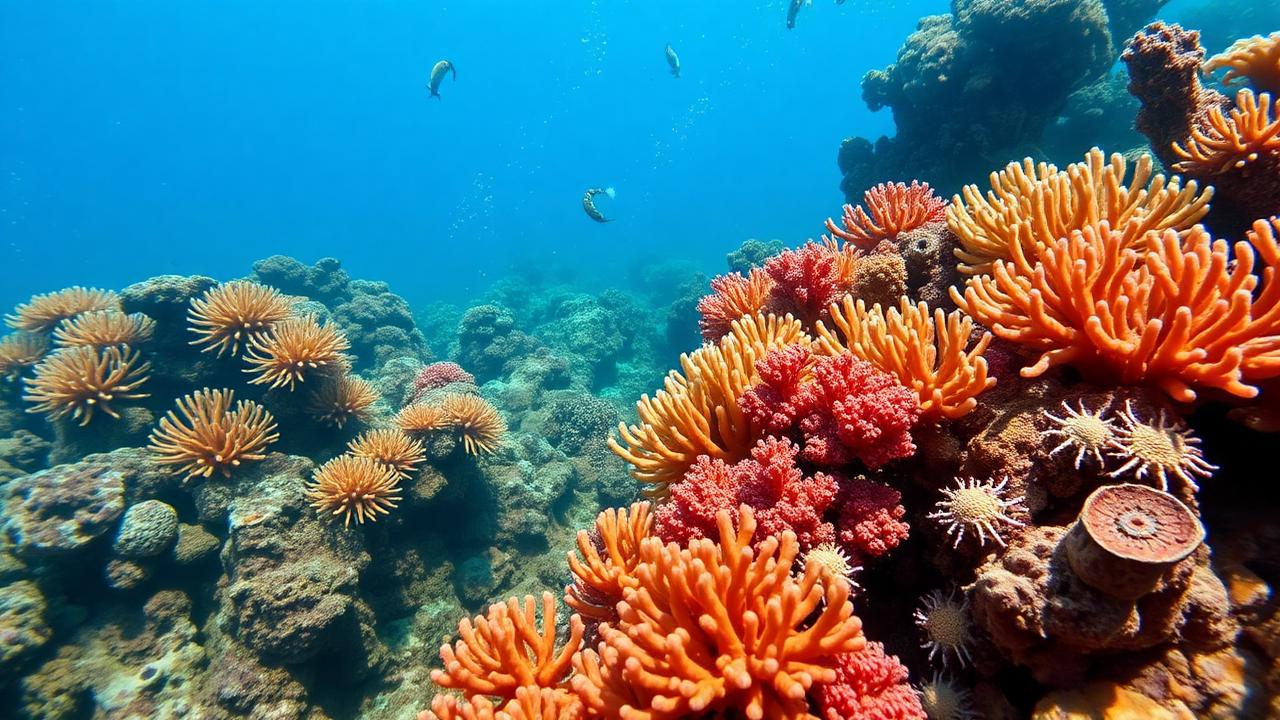
Raja Ampat, located in the far eastern reaches of Indonesia in West Papua, is consistently rated as the world's best diving destination. This remote archipelago of over 1,500 small islands harbors the highest recorded marine biodiversity on Earth. Scientists have documented over 1,700 species of reef fish and nearly 600 species of hard coral in these waters, numbers that stagger even experienced marine biologists.
Diving in Raja Ampat is a sensory overload. Every surface is covered in vibrant soft corals, sea fans, and sponges. Schools of fish in the thousands swirl around reef pinnacles. Manta rays glide through cleaning stations, wobbegong sharks rest on the reef, and walking sharks patrol the shallows at night. The diversity and density of life is truly breathtaking and justifies the considerable effort required to reach this remote paradise.
Komodo National Park: Dragons and Mantas
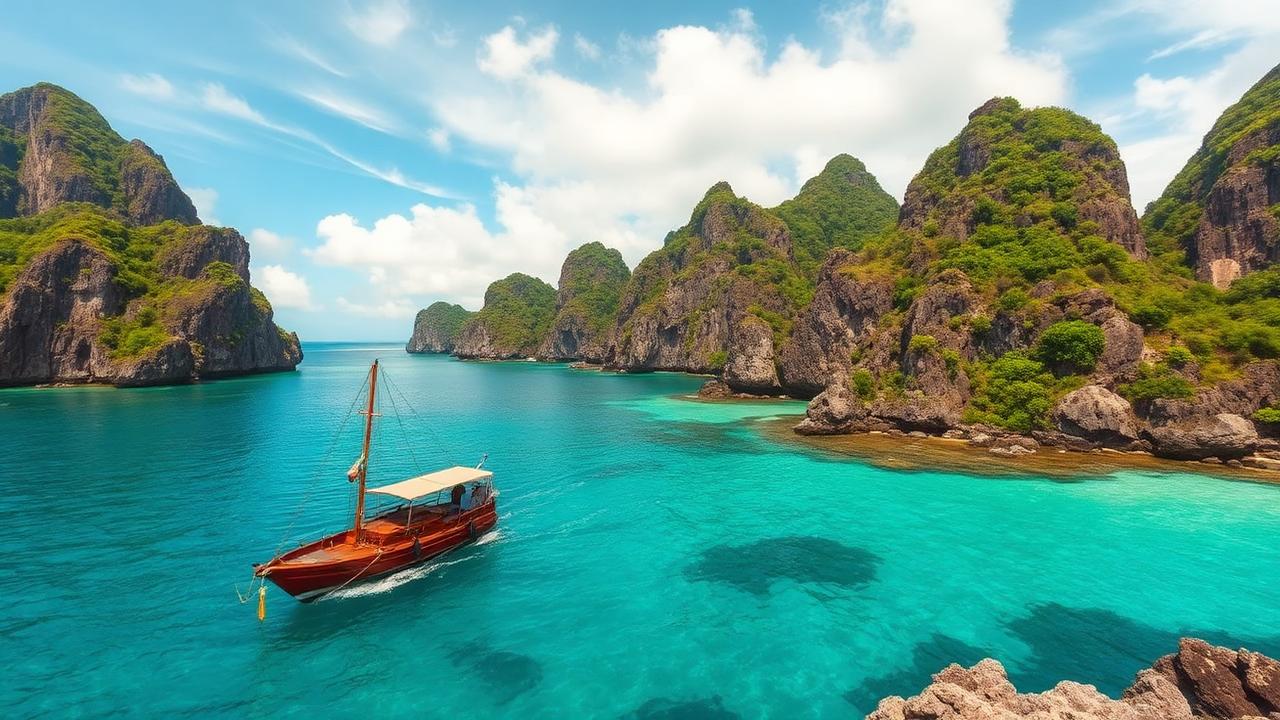
Komodo National Park offers a completely different diving experience. The strong currents that flow between the islands of Komodo and Rinca bring nutrient-rich water that supports an incredible food chain, from tiny plankton to massive manta rays. The diving here is more challenging than Raja Ampat, with strong currents and cold thermoclines, but the rewards are enormous.
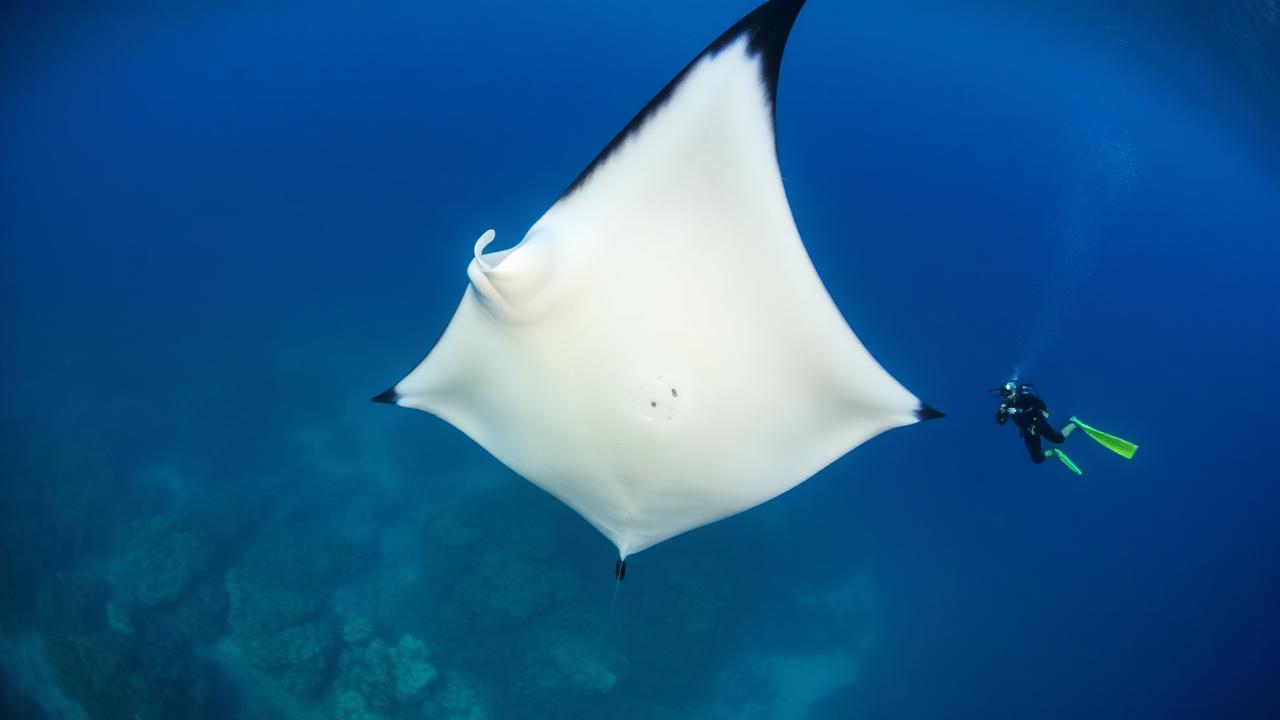
Manta Point and Cauldron are two of Komodo's signature dive sites. Manta Point, as the name suggests, offers reliable encounters with both reef and oceanic manta rays, which visit cleaning stations on the reef. Cauldron, also known as the Shotgun, features a dramatic channel where currents create a swirling cauldron effect and attract large schools of fish, reef sharks, and sometimes eagle rays.
Bali and the USAT Liberty Wreck
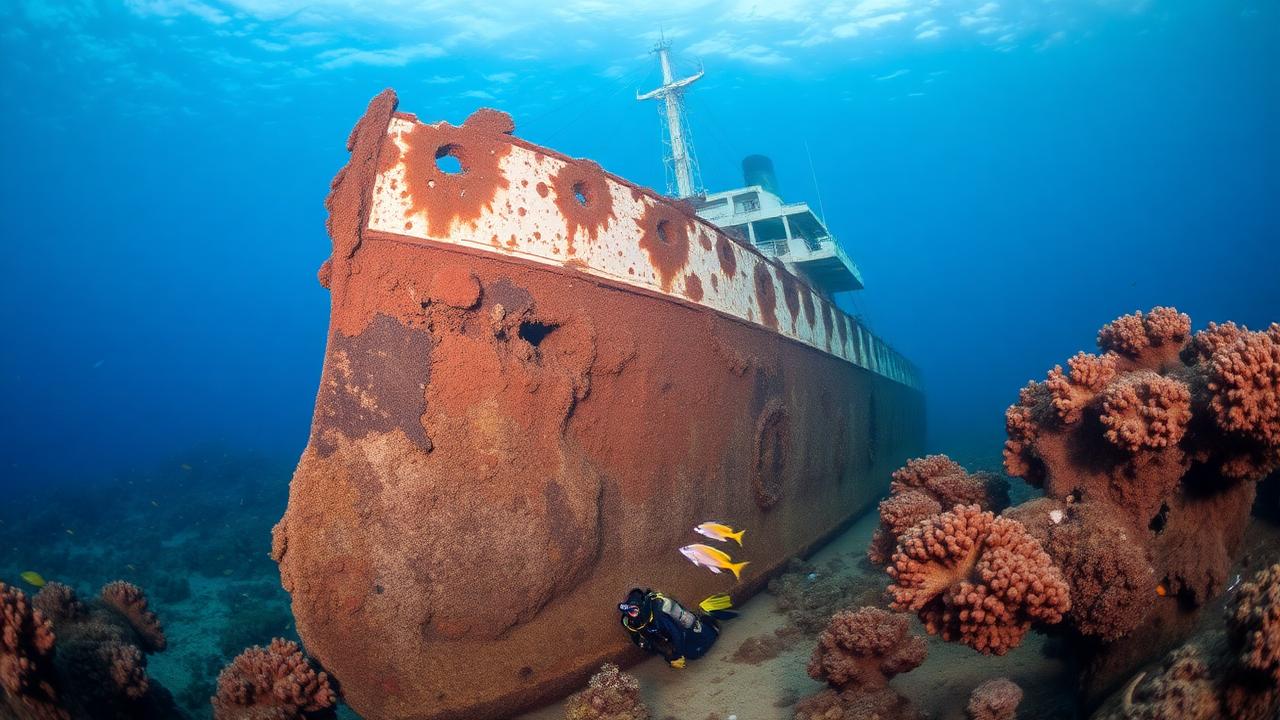
Bali is Indonesia's most accessible diving destination and offers an excellent introduction to the country's underwater world. The island's star attraction is the USAT Liberty, a World War II cargo ship that was beached after being torpedoed by a Japanese submarine in 1942. The wreck lies in shallow water just 30 meters from the beach at Tulamben, making it accessible to divers of all levels.
The Liberty is now covered in a stunning carpet of coral, sponges, and anemones, and is home to an incredible variety of marine life. Pygmy seahorses, bumphead parrotfish, and garden eels are regular sightings. Beyond Tulamben, Bali offers excellent diving at Nusa Penida, where encounters with oceanic sunfish and manta rays are possible, and at Menjangan Island in the northwest, which features pristine wall diving in a tranquil marine park.
Whale Sharks and Macro Life
Indonesia offers extraordinary encounters with the ocean's largest fish. Whale sharks congregate in Cenderawasih Bay in West Papua, where they feed on baitfish around traditional fishing platforms called bagans. Unlike most whale shark encounters worldwide, the Cenderawasih Bay sharks are remarkably habituated to humans and allow incredibly close approaches, creating photographic opportunities that are truly world-class.
At the other end of the size spectrum, Indonesia is a macro photographer's dream. The muck diving sites of Lembeh Strait in North Sulawesi are legendary for their bizarre and wonderful critters: frogfish, mimic octopus, blue-ringed octopus, and flamboyant cuttlefish are just a few of the extraordinary creatures that can be found in these nutrient-rich waters.
Planning Your Indonesia Dive Trip
Indonesia is a year-round diving destination, though conditions vary by region. Raja Ampat is best from October to April, while Komodo offers its best conditions from April to August. Bali is diveable year-round, with the best visibility from May to November. Water temperatures range from 26-30°C in most areas, though cold upwellings in Komodo can drop temperatures to 20°C at depth. Liveaboard trips are the best way to explore remote areas like Raja Ampat and the Banda Sea, while land-based diving works well for panama-city-beach, Lombok, and Lembeh.
More Top Dive Sites in Indonesia
1. Bunaken Marine Park — Wall Diving Excellence
Best for: Vertical wall diving, turtles, coral variety
North Sulawesi's Bunaken island is ringed by vertical coral walls that plunge from reef flat to depths exceeding 200 meters. These walls are decorated with massive barrel sponges, gorgonian fans, and dense hard coral growth. Green and hawksbill turtles are abundant — you'll typically encounter 5–10 per dive. The calm conditions, warm 28°C water, and excellent 25–35 meter visibility make Bunaken ideal for divers of all levels.
Marine Life & Ecosystems
Indonesia's position at the confluence of the Pacific and Indian Oceans creates unparalleled species richness. The Coral Triangle supports:
- 3,000+ fish species — from pygmy seahorses to whale sharks
- 600+ coral species — representing 76% of all known coral species globally
- Pelagic megafauna: Oceanic mantas, mola mola, hammerhead sharks, thresher sharks
- Endemic species: Walking sharks (Hemiscyllium), Pontoh's pygmy seahorse, Banggai cardinalfish
- Macro treasures: Blue-ringed octopus, flamboyant cuttlefish, rhinopias scorpionfish
Best Time to Dive
| Region | Best Months | Highlights |
|---|---|---|
| Raja Ampat | Oct–Apr | Calm seas, manta season, best visibility |
| Komodo | Apr–Nov | Mantas Dec–Feb, best conditions Apr–Jun |
| Lembeh | Year-round | Slightly calmer Jul–Nov |
| Nusa Penida | Jul–Oct (mola), Year-round (mantas) | Mola mola Jul–Oct, mantas year-round |
| Bunaken | Apr–Nov | Calmest seas, 30m+ visibility |
Diving Conditions
Currents: Vary dramatically by region. Raja Ampat and Bunaken offer gentle to moderate currents suitable for intermediates. Komodo features strong drift diving requiring Advanced Open Water certification at minimum. Lembeh has virtually no current.
Depth: Most recreational diving occurs between 5–30 meters. Technical diving opportunities exist at 40+ meters on deep walls and wrecks. Nusa Penida's deep thermoclines can surprise divers accustomed to warm surface water.
Certifications: Open Water Diver sufficient for Lembeh, Bunaken, and many Raja Ampat sites. Advanced Open Water recommended for Komodo and Nusa Penida. Drift diving specialty strongly recommended for Komodo channels.
Beginner vs Advanced Breakdown
Beginners (OW certified): Bunaken's gentle walls, Lembeh's shallow muck sites, and Bali's Tulamben wreck (USS Liberty at 5–30m) offer exceptional diving without demanding conditions.
Advanced: Komodo's drift diving, Raja Ampat's current-swept passages, and Nusa Penida's deep thermocline dives reward experienced divers with megafauna encounters that define a diving career.
Safety & Certification Tips
- Carry a surface marker buoy (SMB) on every dive — especially in Komodo where currents can separate you from the boat
- Many remote areas have limited hyperbaric chamber access — carry dive insurance (DAN or equivalent)
- Indonesian liveaboards range from budget to luxury — research operator safety records and equipment maintenance before booking
- Nitrox certification significantly extends bottom times on multi-dive days common on liveaboards
Local Dive Culture
Indonesia's dive industry is deeply woven into coastal community economies. Many dive operators partner with local villages for conservation programs — Raja Ampat's marine protected area fees directly fund reef patrols and community development. Liveaboard culture dominates in remote regions, while land-based diving in Bali and Bunaken supports family-run guesthouses and homestays. The Indonesian diving community is famously welcoming, and local divemasters possess encyclopedic knowledge of their reefs that no guidebook can match.
How to Get There
International flights arrive in Bali (DPS), Jakarta (CGK), or Manado (MDC). From there, domestic flights connect to regional hubs: Sorong for Raja Ampat, Labuan Bajo for Komodo, Manado for Bunaken and Lembeh. Liveaboard itineraries often include transfers. Budget airlines Lion Air and Garuda Indonesia serve most routes.
Frequently Asked Questions
Do I need to be an advanced diver to dive Indonesia?
Not at all. Bunaken, Lembeh, and Bali's Tulamben wreck are perfectly suited for Open Water certified divers. Komodo's strong currents do require Advanced certification and drift diving experience.
What's the best liveaboard region for a first trip?
Raja Ampat offers the most diverse experience with a mix of easy and moderate sites. A 7–10 day liveaboard covers multiple ecosystems — from shallow coral gardens to pelagic-rich passages — giving you the full spectrum of Indonesian diving.
Is Indonesia safe for solo divers?
Yes. The dive community is extremely social, and liveaboards naturally create group dynamics. Solo travelers regularly join shared cabin arrangements. Choose operators with good safety records and ensure they follow proper buddy protocols.
Book Your Beach Getaway
Find the best deals on flights, hotels, and car rentals for your perfect beach vacation.