Best Snorkeling Beaches in Southeast Asia
From Thailand's Similan Islands to Indonesia's Raja Ampat, discover Southeast Asia's most extraordinary snorkeling beaches across four countries.
By BeachLoco Editorial Team
Why Southeast Asia Offers the World's Best Snorkeling
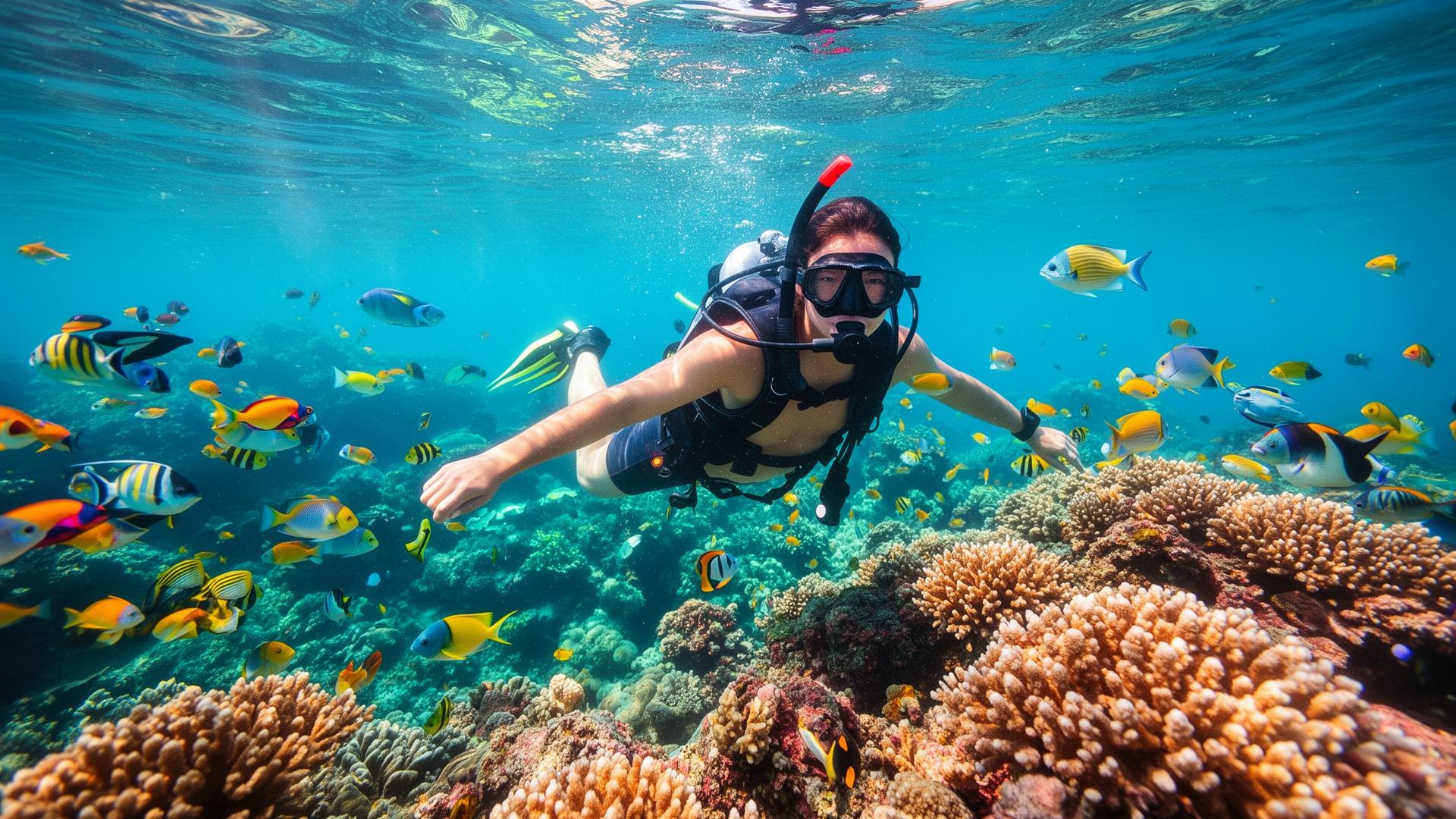
Southeast Asia sits within the Coral Triangle — the global epicenter of marine biodiversity. This region, spanning Indonesia, the Philippines, Malaysia, and parts of Thailand, contains over 75% of the world's known coral species and more than 3,000 species of reef fish. For snorkelers, this translates into underwater experiences that are unmatched anywhere else on earth. The warm, calm waters, low costs, and well-established tourism infrastructure make this region accessible even to first-time international travelers.
What makes Southeast Asia particularly special for snorkeling is the range: remote, pristine reefs that rival anything in the Maldives sit alongside easily accessible beach snorkeling spots where you can wade in from your hotel. Whether you have two days or two months, there's a snorkeling experience that fits.
Thailand — The Gateway to Asian Snorkeling
Similan Islands
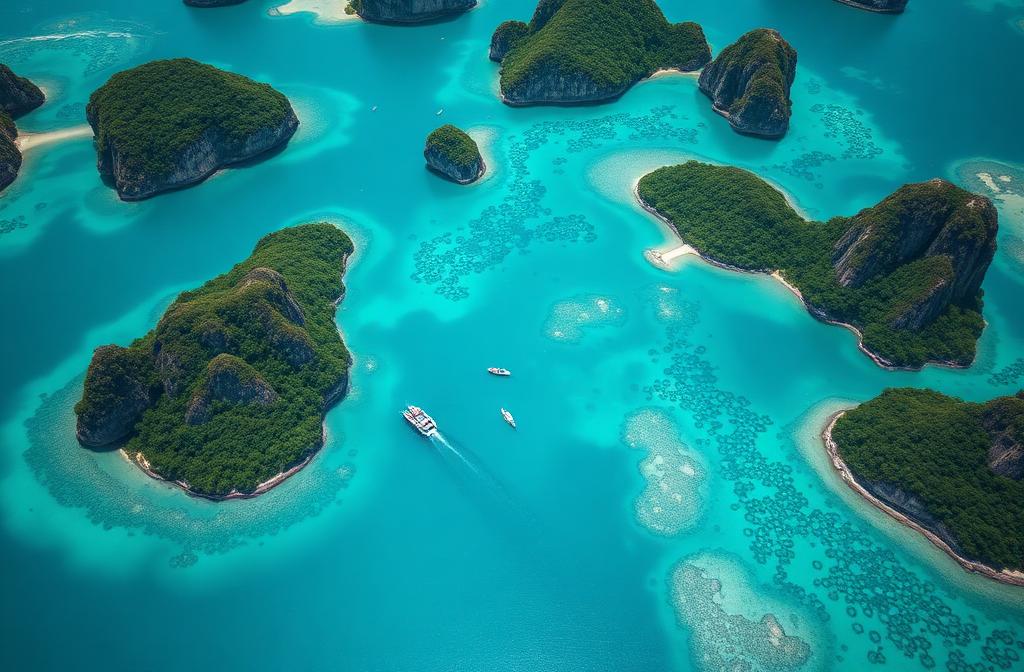
Located in the Andaman Sea about 70 kilometers off Thailand's west coast, the Similan Islands are a national marine park consistently ranked among Asia's top snorkeling destinations. For Caribbean alternatives, explore our guide to the best snorkeling beaches in the Caribbean. The archipelago's granite boulders create dramatic underwater landscapes, and the coral coverage is excellent thanks to strict park management. Visibility often exceeds 100 feet, and encounters with reef sharks, sea turtles, and manta rays are common. The islands are open only from November through April — the dry season — and accessible via day trips or liveaboard boats from Khao Lak.
Koh Lipe
Thailand's southernmost inhabited island sits within the Tarutao National Marine Park, near the Malaysian border. Koh Lipe is surrounded by some of the healthiest coral reefs in Thailand, accessible directly from the beach. Sunrise Beach and the nearby Koh Adang reefs offer exceptional snorkeling with minimal current. The island has maintained a laid-back atmosphere despite growing popularity, and the absence of an airport keeps mass tourism at bay. Longtail boat trips reach pristine outer reefs within 15 minutes.
Koh Tao
Known primarily as a scuba diving hub, Koh Tao in the Gulf of Thailand also offers outstanding snorkeling at multiple bays around the island. Aow Leuk, Mango Bay, and Japanese Gardens feature shallow coral reefs accessible from shore. The island's dive shops rent quality snorkeling gear for a fraction of mainland prices, and organized snorkeling day trips visit five or six sites around the island. Whale sharks occasionally visit the area between March and September, creating once-in-a-lifetime snorkeling encounters.
Philippines — 7,600 Islands of Underwater Wonder
El Nido, Palawan
El Nido's island-hopping tours — labeled Tours A through D — take snorkelers through dramatic limestone karst landscapes to hidden lagoons and coral gardens. The Big and Small Lagoons are the headline attractions, but the snorkeling at Shimizu Island and Helicopter Island reveals some of Palawan's healthiest reef systems. The combination of towering limestone cliffs, emerald water, and vibrant coral makes El Nido one of the most visually stunning snorkeling destinations in the world.
Moalboal, Cebu
The small town of Moalboal on Cebu's west coast is home to one of the Philippines' most remarkable marine phenomena: a permanent sardine run. Millions of sardines swirl in a massive, shifting ball just meters from Panagsama Beach, and snorkelers can swim directly into the school. The nearby Pescador Island features a coral wall and regular sightings of sea turtles. It's one of the few places in the world where you can experience a sardine run without a boat — simply walk into the water from the beach.
Coron, Palawan
While Coron is best known for its Japanese WWII shipwrecks, the area also offers exceptional reef snorkeling. The twin lagoons, Kayangan Lake, and the coral gardens at Siete Pecados Marine Park provide diverse underwater experiences. The shallow reefs at Siete Pecados are particularly impressive, with healthy hard and soft corals supporting dense fish populations. Island-hopping boats reach these sites in 15 to 30 minutes from Coron town.
Indonesia — The Heart of the Coral Triangle
Raja Ampat
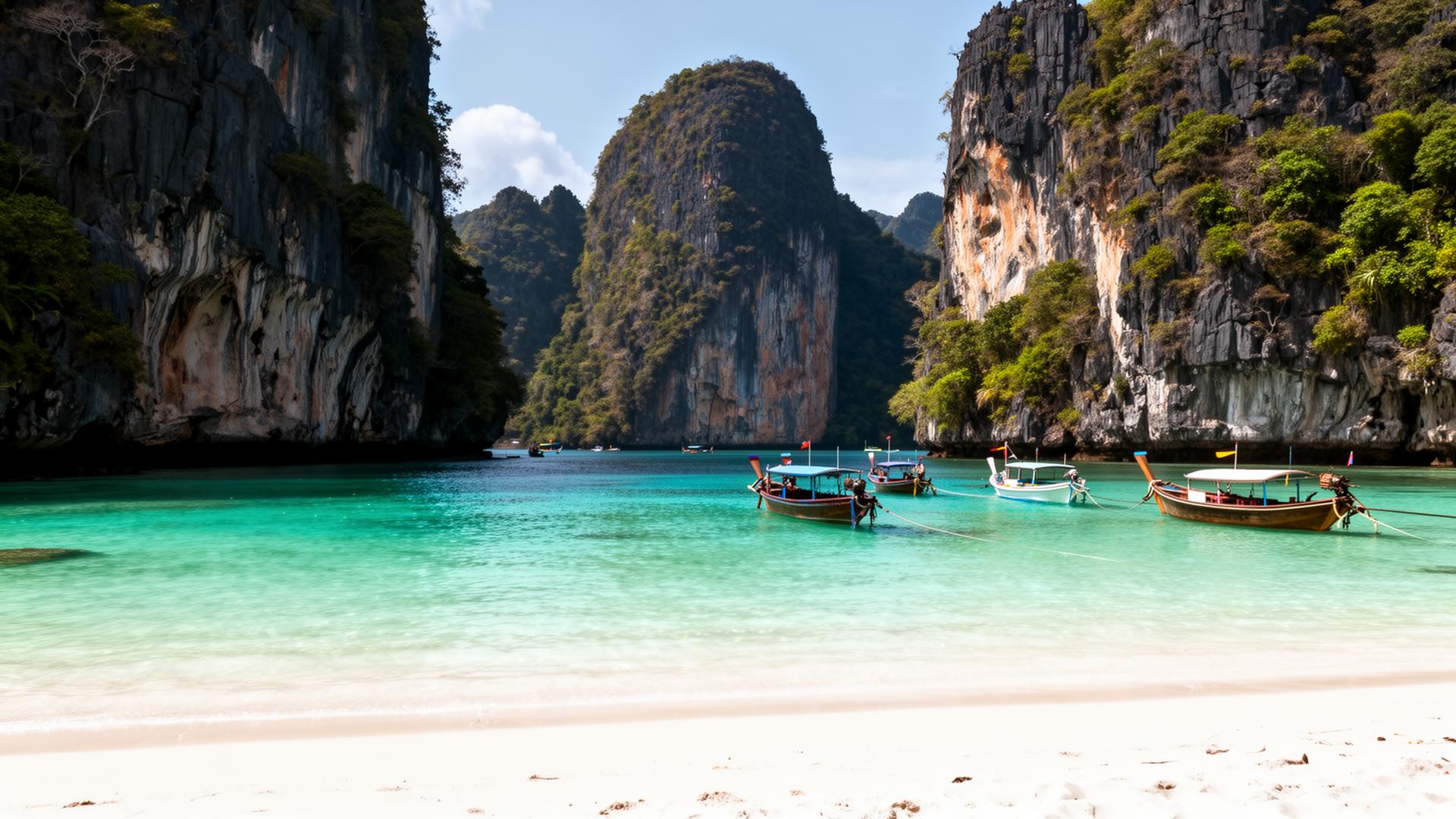
Raja Ampat in West Papua is the undisputed crown jewel of global marine biodiversity. Scientific surveys have recorded more species of fish and coral in a single Raja Ampat dive site than exist in the entire Caribbean Sea. For snorkelers, the shallow reefs around Kri Island, Arborek, and Friwen Wall offer front-row access to this extraordinary biodiversity. Manta rays frequent the Manta Sandy cleaning station, and walking sharks — a species unique to this region — can be spotted in shallow water at night. Raja Ampat requires more effort and budget to reach than other Southeast Asian destinations, but the underwater experience is genuinely unparalleled.
Komodo National Park
Better known for its dragons, Komodo National Park also protects some of Indonesia's most spectacular coral reefs. The nutrient-rich currents flowing between the islands support extraordinary marine life density. Pink Beach — one of only a handful of pink sand beaches on earth — offers reef snorkeling directly from shore. Manta rays, reef sharks, and sea turtles are regular sightings. Boat-based day trips from Labuan Bajo are the standard way to access the park's snorkeling sites, and the combination of dragon trekking and reef snorkeling makes for a uniquely Indonesian experience.
Gili Islands
The three Gili Islands off Lombok's northwest coast — Gili Trawangan, Gili Meno, and Gili Air — are surrounded by shallow coral reefs accessible directly from the beach. Sea turtles are so common that snorkeling with them is virtually guaranteed, particularly off Gili Meno's west coast. The islands have no motorized vehicles, creating a tranquil atmosphere that extends underwater. An underwater sculpture park off Gili Meno adds an artistic element to the snorkeling experience. The Gilis are easily reached by fast boat from Bali in about two hours.
Malaysia — Pristine Reefs Off the Beaten Path
Sipadan Island
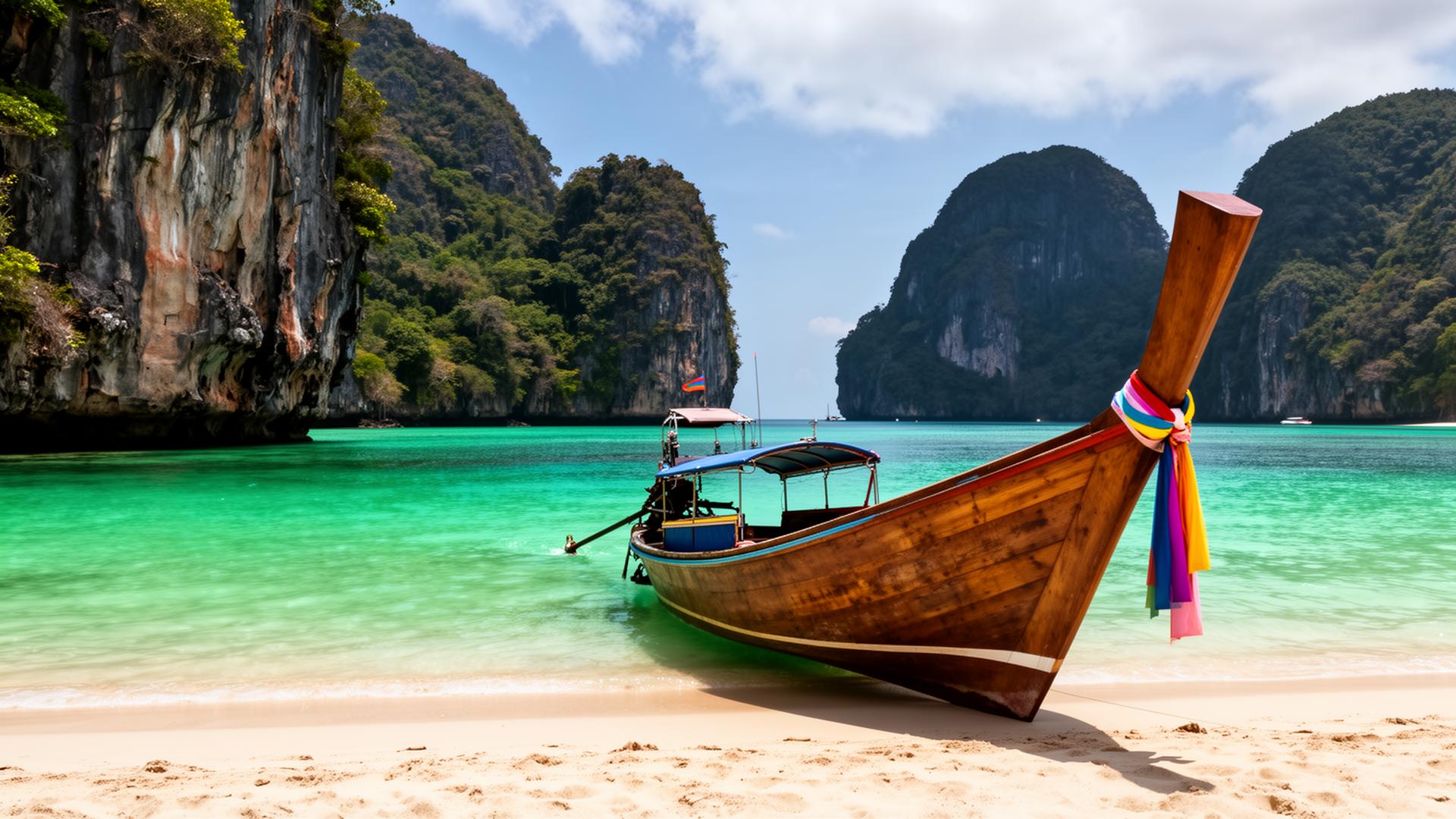
Malaysia's only oceanic island rises 600 meters from the floor of the Celebes Sea off Borneo's east coast. Sipadan is considered one of the top five dive sites in the world, and the shallow reef surrounding the island offers snorkeling that approaches the same caliber. The reef drops vertically into deep blue water, and the nutrient upwelling attracts massive schools of barracuda, jacks, and bumphead parrotfish. Green and hawksbill sea turtles are present in extraordinary numbers. Daily visitor permits are limited to 176, keeping the reef in exceptional condition.
Perhentian Islands
Off Malaysia's northeast coast, the Perhentian Islands offer some of the most affordable quality snorkeling in Southeast Asia. The islands' clear water and healthy fringing reefs support blacktip reef sharks, clownfish colonies, and sea turtles. Long Beach and Coral Bay on Perhentian Kecil (Small Perhentian) have reef accessible from shore, while boat trips reach more remote sites like Shark Point and Turtle Point. The islands are closed during monsoon season (November through February), ensuring the reefs get annual recovery time.
Redang Island
Part of a marine park off Terengganu, Redang Island boasts some of the clearest water on Malaysia's east coast. The Marine Park Center reef is steps from the beach and features an artificial reef program that has successfully boosted coral coverage. Baby blacktip reef sharks patrol the shallows, and the snorkeling at nearby Pulau Lima reveals pristine hard coral gardens. Redang is popular with Malaysian families, giving it a more local feel than the Perhentians.
Essential Tips for Snorkeling in Southeast Asia
Reef-safe sunscreen is essential everywhere. Even where it's not legally required, chemical sunscreens cause measurable damage to coral reefs. Use mineral-based zinc oxide formulas or wear a UV-protective rash guard.
Dry season varies by location. Thailand's Andaman coast (west) is best November–April; the Gulf coast (east) is best January–September. Indonesia and Malaysia's east coast follow a similar November–April dry season. The Philippines is generally best from December through May.
Bring your own mask and snorkel. Rental gear quality varies enormously across Southeast Asia. A well-fitting mask makes the difference between a magical experience and a frustrating one. Reef shoes are essential for rocky and coral entries.
Respect marine park fees. Sites like Sipadan, Similan Islands, and Raja Ampat charge entrance fees that fund conservation. These fees are nominal and directly support reef protection programs.
Jellyfish awareness. Some Southeast Asian waters have seasonal jellyfish, particularly during transitional months between wet and dry seasons. A thin wetsuit or stinger suit provides protection and additional sun coverage.
Budget accordingly. Snorkeling costs range from practically free (beach entry in the Gili Islands) to moderate (day trips in El Nido, about $25–40) to significant (Raja Ampat liveaboards, $150–300/day). The more remote the destination, the higher the cost — but also the more pristine the reef.