Best Scuba Diving Beaches in Hawaii — Lava Formations & Marine Life
Dive Hawaii's volcanic reefs, encounter manta rays on night dives, explore lava tubes, and discover endemic marine life.
By BeachLoco Editorial
Hawaii offers some of the most diverse and accessible scuba diving in the Pacific Ocean. The volcanic islands create unique underwater landscapes found nowhere else on Earth, from lava tube caverns and dramatic drop-offs to pristine coral reefs teeming with tropical fish. With warm, clear waters year-round and an incredible variety of marine life, Hawaii is a world-class diving destination that caters to every level of experience.
Each Hawaiian island has its own distinct diving character. Maui offers the famous Molokini Crater, a partially submerged volcanic caldera with exceptional visibility. The Big Island provides opportunities to dive with manta rays in a nighttime spectacle that ranks among the greatest wildlife encounters on the planet. Oahu combines accessible wreck diving with beautiful reef systems, while Kauai and Lanai offer more remote and pristine dive sites for those willing to venture off the beaten path.
Maui: Molokini and Beyond
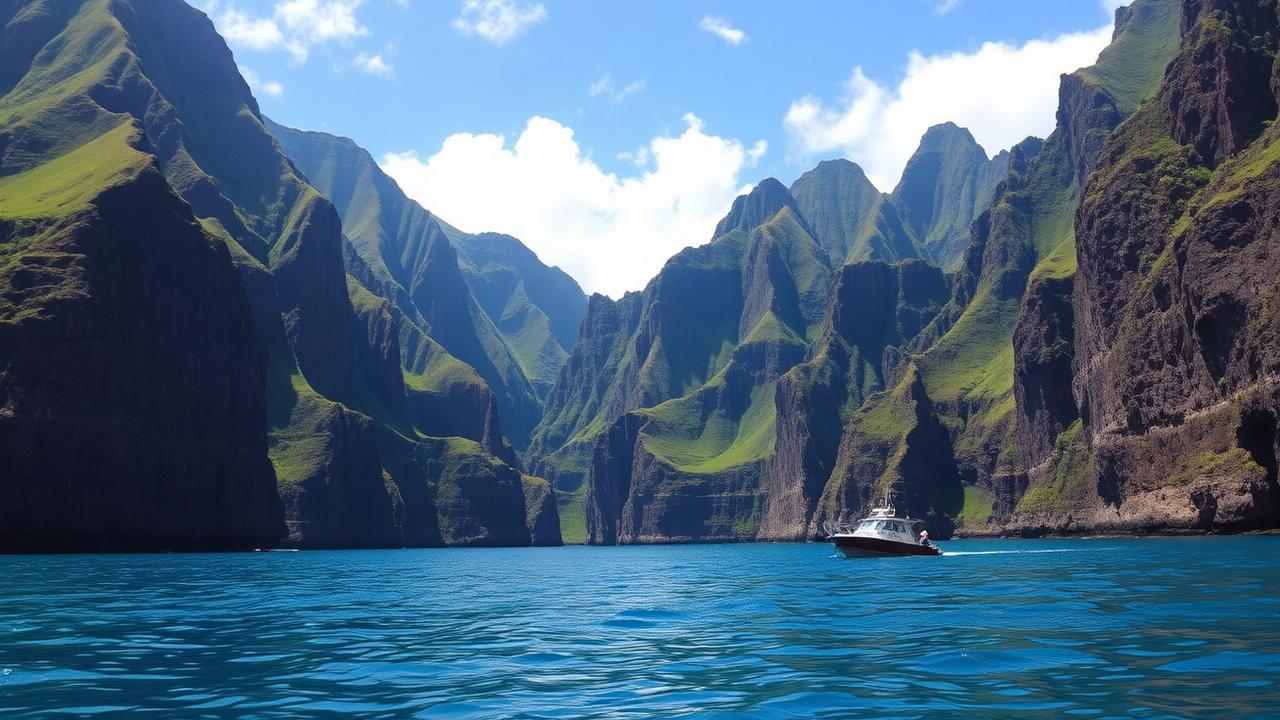
Maui's diving centerpiece is Molokini Crater, a crescent-shaped volcanic caldera that rises from the ocean floor between Maui and Kaho'olawe. The crater's protected interior offers some of the clearest water in Hawaii, with visibility regularly exceeding 45 meters. The back wall of Molokini drops to over 100 meters and attracts pelagic fish, sharks, and the occasional whale during winter months.
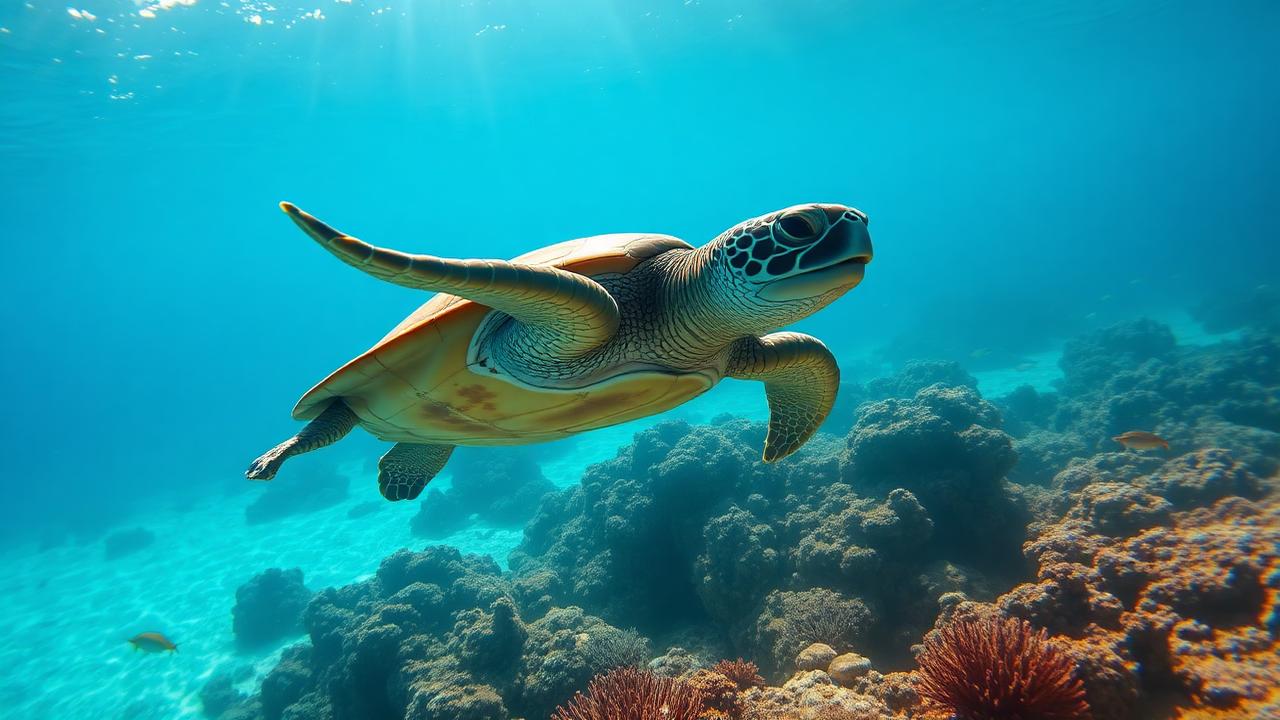
Beyond Molokini, Maui offers excellent diving along its western and southern coasts. The Cathedrals of Lanai, accessible by boat from Maui, feature dramatic underwater caverns where shafts of sunlight create an ethereal cathedral-like atmosphere. Five Graves, a shore dive near Makena, is one of the best sites for encountering Hawaiian green sea turtles, which rest on the rocky reef in surprisingly large numbers.
Big Island: Manta Ray Night Dives
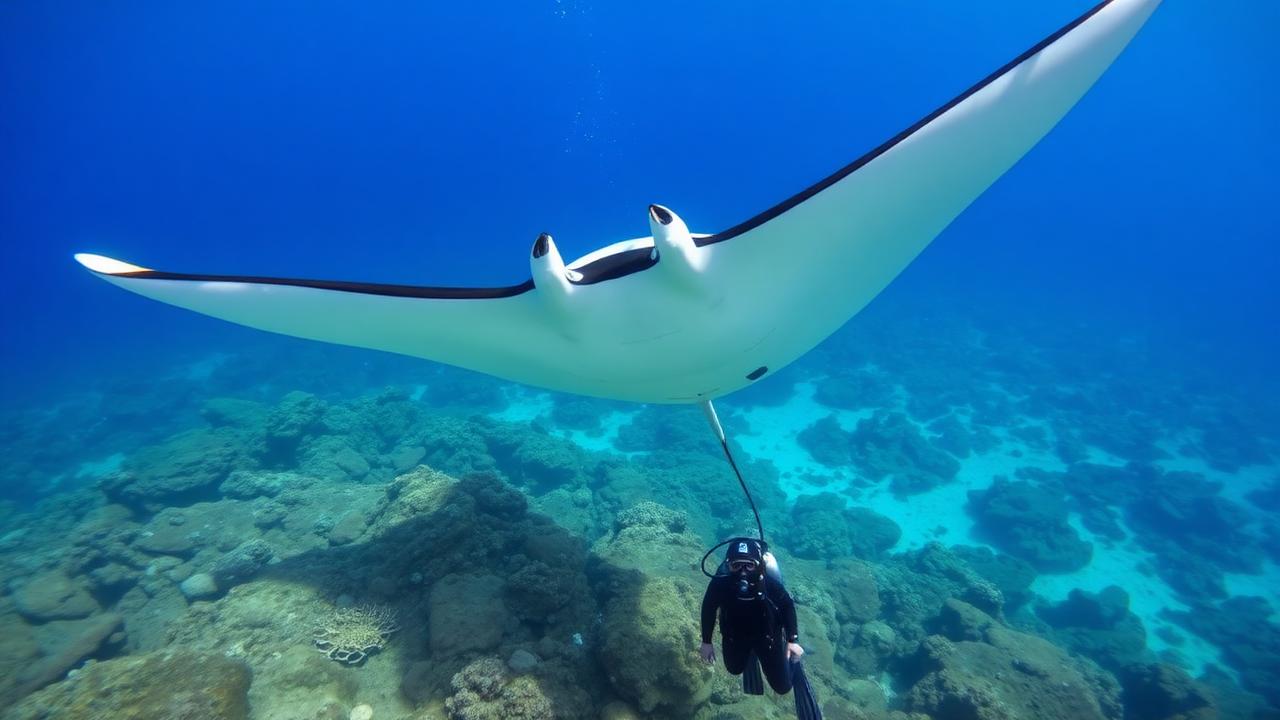
The Kona Coast of Hawaii's Big Island is famous for its manta ray night dives, widely regarded as one of the top ten dive experiences in the world. Each evening, lights are placed on the ocean floor to attract plankton, which in turn attracts giant oceanic manta rays with wingspans of up to five meters. The mantas swoop and barrel-roll just centimeters above divers' heads, creating an encounter that is both thrilling and profoundly moving.
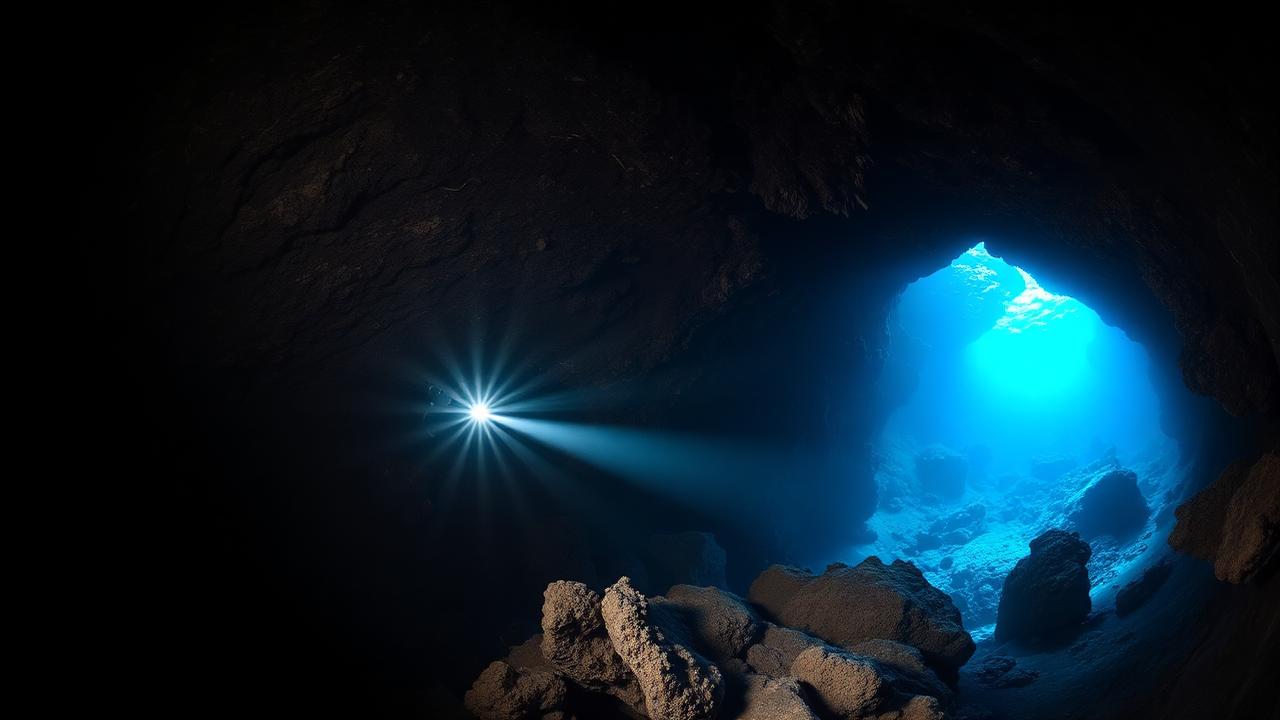
The Big Island's volcanic geology also creates unique diving environments. The Kona coast features lava tube caves and arches that provide shelter for white-tip reef sharks, moray eels, and lobsters. The black sand beaches of the island's east coast offer a stark contrast to the golden beaches of the west, and the underwater landscapes mirror this volcanic drama with dramatic lava formations colonized by colorful marine life.
Oahu: Wrecks and Reefs
Oahu offers the most accessible diving in Hawaii, with excellent sites within easy reach of Honolulu and Waikiki. The island is famous for its wreck diving, with several deliberately sunk vessels creating artificial reefs that attract an impressive variety of marine life. The Sea Tiger, a former Chinese trading vessel, sits upright in 36 meters of water off the south shore and is now home to white-tip reef sharks and massive schools of fish.
The North Shore of Oahu, famous for its big wave surfing in winter, transforms into a calm diving paradise during summer months. Shark's Cove, a natural rocky cove on the North Shore, is one of Hawaii's best shore dive sites, with caverns, lava tubes, and an abundance of marine life in just a few meters of water.
Marine Life and Conservation
Hawaii's waters are home to a remarkable diversity of marine life, much of which is found nowhere else on Earth. Approximately 25% of Hawaii's marine species are endemic, meaning they evolved in isolation in these mid-Pacific waters. The Hawaiian monk seal, one of the most endangered marine mammals in the world, can occasionally be encountered on dives around the main islands.
Hawaii takes marine conservation seriously, with extensive marine protected areas and strict regulations on fishing and diving practices. The Papahānaumokuākea Marine National Monument, encompassing the Northwestern Hawaiian Islands, is one of the largest marine conservation areas in the world. Responsible diving practices are essential to preserving these unique ecosystems for future generations.
Planning Your Hawaii Dive Trip
Hawaii offers year-round diving with water temperatures ranging from 23°C in winter to 27°C in summer. The best diving conditions are generally from May to September, when seas are calmer and visibility is at its peak. Winter months bring bigger swells and reduced visibility on exposed coasts, but also humpback whale season, when these magnificent creatures migrate to Hawaiian waters to breed and give birth. A 3mm wetsuit is sufficient for most diving, though some divers prefer a 5mm for multiple dives per day.
More Top Dive Sites in Hawaii
1. Oahu's North Shore — Shark Diving & Wrecks
Best for: Shark encounters, accessible wreck diving, shore diving
Oahu offers Hawaii's most accessible diving from its Honolulu base. The south shore's wreck sites — including the YO-257 and San Pedro at 30 meters — attract white-tip reef sharks, eagle rays, and large green sea turtles. Shark's Cove on the North Shore (summer only, when waves calm) provides outstanding shore-entry diving through lava formations, caverns, and tunnels at 5–15 meters. For the adventurous, cage-free Galápagos shark dives operate 5 kilometers offshore in open ocean — a thrilling encounter with 3-meter sharks in crystal-clear deep blue water.
Marine Life & Ecosystems
- Endemic species: 25% of Hawaii's marine species are found nowhere else — including the Hawaiian cleaner wrasse, bandit angelfish, and flame wrasse
- Manta rays: Resident populations on the Big Island's Kona coast, with 90%+ encounter rates on night dives
- Sea turtles: Hawaiian green sea turtles (honu) are abundant at virtually every dive site
- Sharks: White-tip reef sharks, Galápagos sharks, hammerheads (deep, seasonal), tiger sharks (rare encounters)
- Hawaiian monk seals: One of the world's most endangered pinnipeds, occasionally seen on Ni'ihau, Molokini, and remote reef dives
- Octopus: The day octopus (he'e) is remarkably common and active during daylight — Hawaiian octopus encounters are among the best worldwide
Best Time to Dive
| Island | Best Months | Highlights |
|---|---|---|
| Big Island (Kona) | Year-round | Mantas year-round, calmest Apr–Oct |
| Maui (Molokini) | Apr–Nov | Calmest seas, best visibility |
| Oahu (Shark's Cove) | May–Sep | North Shore calm enough for shore diving |
| Kauai (Ni'ihau) | May–Sep | Calmest seas for the crossing |
| Lanai | Apr–Oct | Best light in Cathedrals, calmest conditions |
Diving Conditions
Currents: Generally mild on leeward (west) coasts across all islands. Molokini's back wall can have moderate to strong currents. Ni'ihau and open-ocean sites experience variable currents requiring intermediate+ skills. Shore diving sites are predominantly calm during their respective seasons.
Depth: Most recreational diving occurs at 10–30 meters. Manta night dives are shallow (10–12 meters). Oahu wrecks sit at 25–33 meters. Molokini's back wall and Ni'ihau offer deep wall diving to 40+ meters for advanced divers.
Certifications: Open Water sufficient for manta night dives, shore diving, and most boat dives. Advanced Open Water recommended for Molokini back wall, Ni'ihau, and Oahu wreck dives. Nitrox certification valuable for multi-dive days.
Beginner vs Advanced Breakdown
Beginners: Kona's manta night dive (shallow, calm, no current), Shark's Cove shore diving (summer), and Molokini's inner crater are exceptional beginner experiences. Hawaii's consistently warm water and moderate visibility create forgiving conditions for new divers.
Advanced: Ni'ihau expeditions, Molokini's back wall, open-ocean shark dives off Oahu, and deep lava tube exploration reward experienced divers with unique geological diving found nowhere else on the planet.
Safety & Certification Tips
- Hawaii has hyperbaric chambers on Oahu (Honolulu) and the Big Island (Kona) — critical for multi-island dive trips
- Respect Hawaiian marine life regulations — touching or harassing sea turtles and monk seals carries significant federal penalties
- Ocean conditions change rapidly in Hawaii — always check surf reports before shore diving, and respect lifeguard warnings
- Summer (Apr–Oct) offers the calmest conditions on all islands; winter swells (Nov–Mar) can close north-facing shore dive sites
Local Dive Culture
Hawaiian dive culture carries a deep respect for the ocean rooted in Native Hawaiian traditions. The concept of mālama (to care for) extends to marine conservation — many dive operators participate in reef cleanups and coral restoration programs. The aloha spirit is genuine in the dive community, and local divemasters bring cultural context to marine encounters, explaining the significance of the honu (sea turtle) and he'e (octopus) in Hawaiian mythology. Kona's manta ray dive community is particularly tight-knit, with divemasters who know individual mantas by their belly markings.
How to Get There
Direct flights from US mainland cities serve all major Hawaiian islands: Honolulu (HNL/Oahu), Kahului (OGG/Maui), Kona (KOA/Big Island), and Lihue (LIH/Kauai). Inter-island flights via Hawaiian Airlines connect all islands in 30–45 minutes. Southwest Airlines also serves inter-island routes at competitive prices.
Frequently Asked Questions
Are manta ray night dives safe?
Extremely safe. Manta rays are gentle filter feeders with no stingers, teeth, or barbs. The dive occurs at just 10–12 meters on a flat sandy bottom with minimal current. Operators maintain strict protocols — kneeling positions, no touching, and limited group sizes. This is one of the few truly awe-inspiring dives accessible to newly certified Open Water divers.
Which Hawaiian island has the best diving?
The Big Island (Kona coast) is widely considered Hawaii's best diving destination thanks to the manta night dive, excellent lava formations, calm leeward conditions, and a dedicated dive community. Maui offers Molokini's spectacular visibility, while Oahu provides the most accessible and affordable diving.
Do I need a wetsuit in Hawaii?
Most divers use a 3mm shorty or full wetsuit. Water temperatures range from 24°C in winter to 27°C in summer. A rashguard may suffice for warm-season single dives, but 3mm is recommended for repetitive diving or deeper dives where thermoclines can drop temperatures by 2–3°C.
Book Your Beach Getaway
Find the best deals on flights, hotels, and car rentals for your perfect beach vacation.