Best Beaches for Snorkeling in Hawaii — Your Complete Reef Guide
From Maui's Molokini Crater to Oahu's Hanauma Bay, discover Hawaii's most spectacular snorkeling beaches across all four major islands.
By BeachLoco Editorial Team
Why Hawaii Is a World-Class Snorkeling Destination
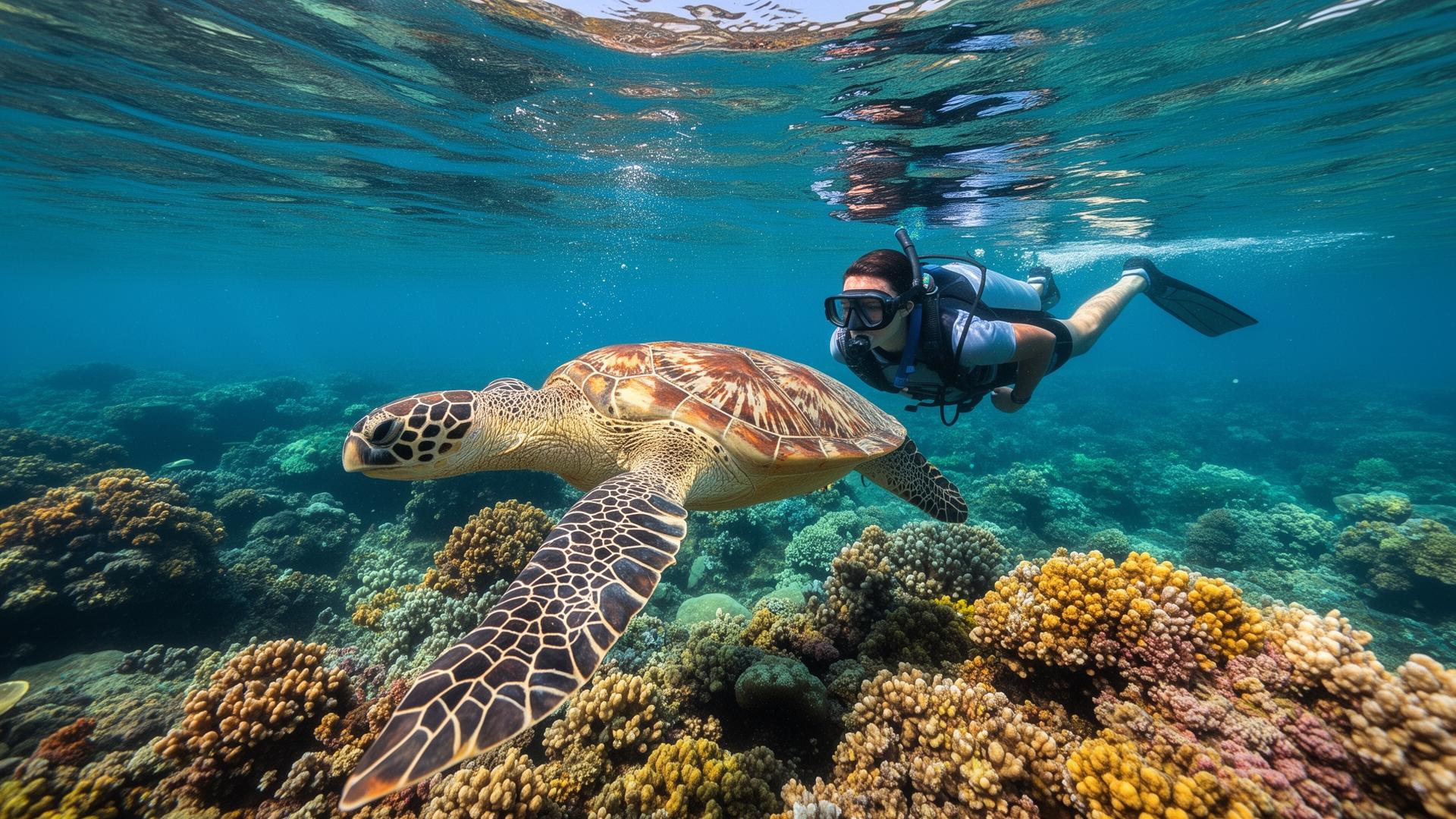
Hawaii sits in the middle of the Pacific Ocean, surrounded by some of the clearest tropical water on earth. Volcanic reefs, sheltered bays, and an abundance of endemic marine species — including green sea turtles, spinner dolphins, and over 500 species of tropical fish — for more tropical reef adventures, explore our guide to the best snorkeling beaches in Southeast Asia — make the Aloha State one of the planet's premier snorkeling destinations.
What sets Hawaii apart is the sheer variety. You can float above a submerged volcanic crater off Maui in the morning and drift alongside reef sharks on the Big Island by afternoon. Each island offers a different underwater personality, from Oahu's accessible reefs to Kauai's rugged, uncrowded coastline.
Maui — The Snorkeling Capital of Hawaii
Molokini Crater
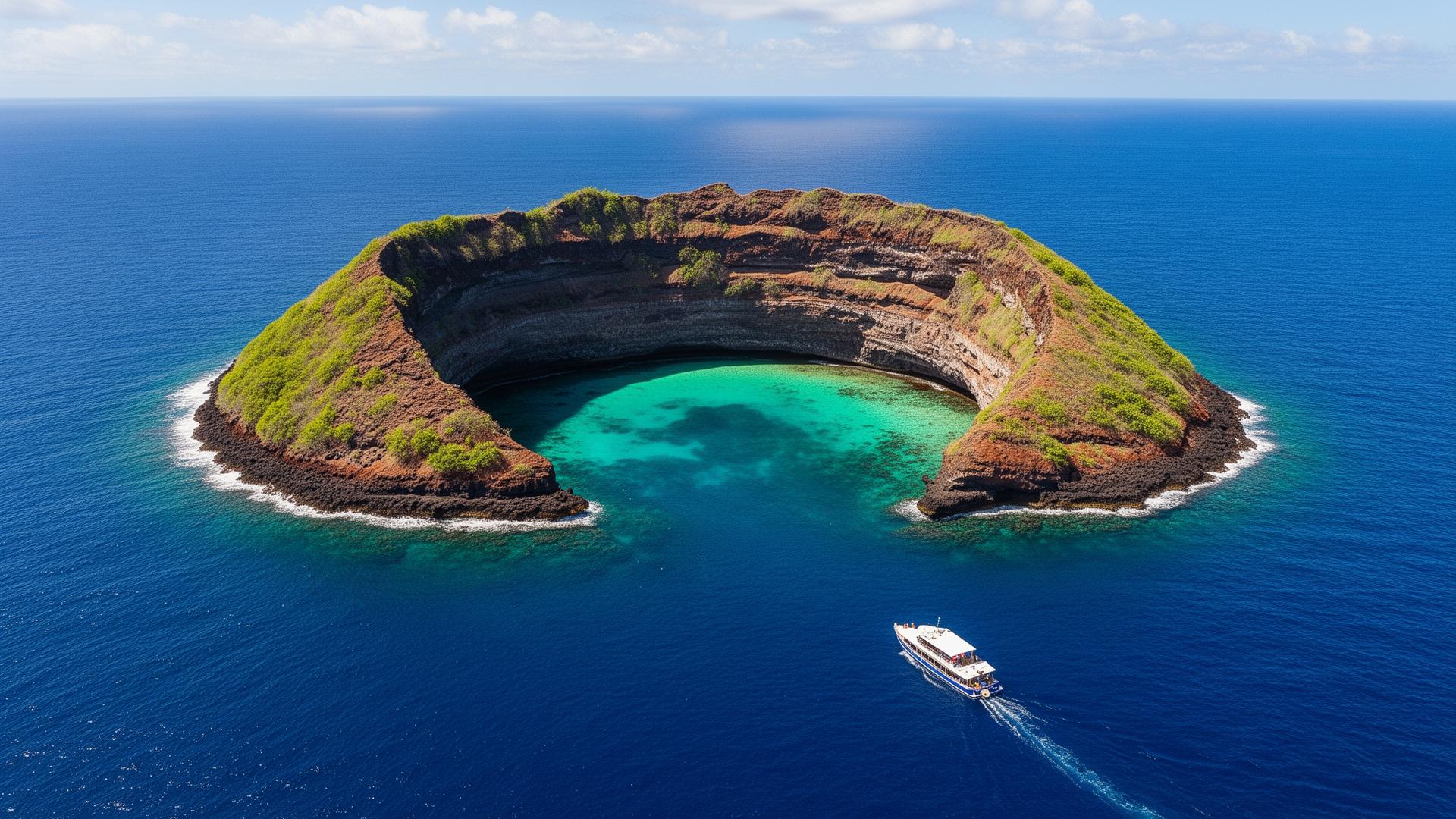
This crescent-shaped volcanic crater sits three miles off Maui's southwest coast and is consistently ranked among the top snorkeling sites in the world. The partially submerged caldera creates a natural shelter from currents and wind, resulting in visibility that regularly exceeds 150 feet. The inner reef wall is home to over 250 species of fish, including yellow tang, Moorish idols, and parrotfish. Most visitors reach Molokini via morning boat tours departing from Ma'alaea Harbor — early trips offer the calmest water and best visibility.
Honolua Bay
Tucked into Maui's northwest coast, Honolua Bay is a marine life conservation district where fishing is prohibited, allowing the reef ecosystem to thrive. The bay's rocky shoreline gives way to a vibrant coral garden teeming with butterfly fish, wrasses, and the occasional Hawaiian green sea turtle. The best conditions are during summer months when the bay is flat and glassy. In winter, this spot transforms into one of Maui's best surf breaks, making it unsuitable for snorkeling from November through March.
Black Rock (Ka'anapali Beach)
The volcanic rock formation at the north end of Ka'anapali Beach is one of Maui's most accessible snorkeling spots. The lava rock drops into clear water populated by reef fish, sea turtles, and moray eels. Its proximity to resort hotels makes it ideal for snorkelers who want to wade in from the beach without booking a boat tour. Early morning sessions — before 9 AM — offer the best visibility and fewest crowds.
Oahu — Accessible Reefs for Every Skill Level
Hanauma Bay Nature Preserve
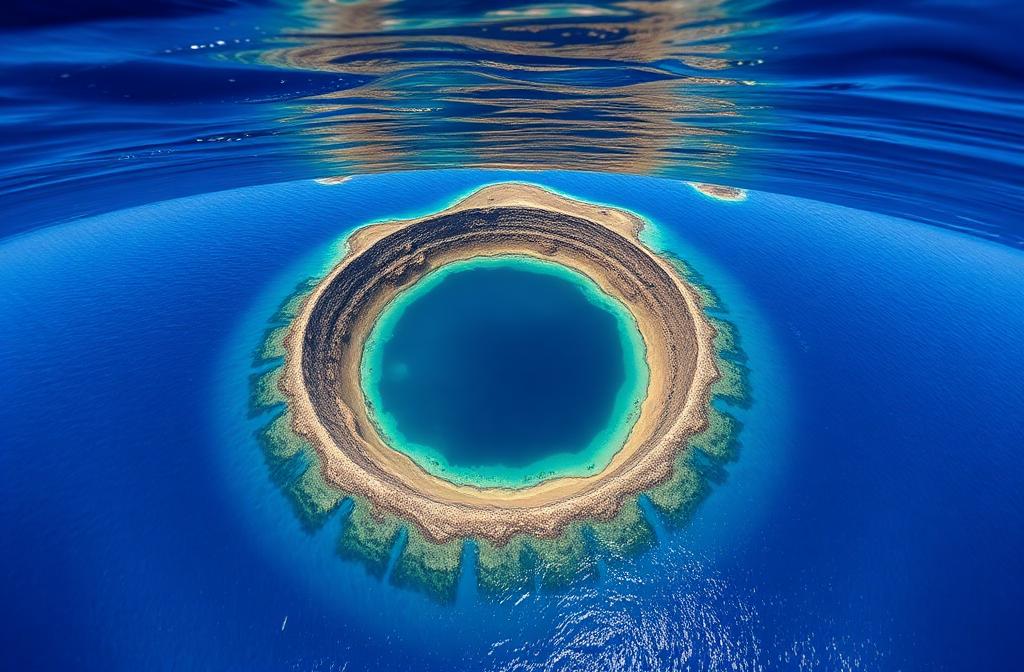
Hawaii's most famous snorkeling destination draws over a million visitors per year — and if you're just starting out, our guide to beginner-friendly snorkeling beaches in Florida is another great starting point, and for good reason. This former volcanic crater flooded by the sea now hosts a protected reef system with exceptional biodiversity. The bay is shallow, calm, and loaded with tropical fish accustomed to human presence. First-time visitors are required to watch a short educational video about reef preservation before entering. Arrive early — the parking lot fills by mid-morning, and the preserve is closed on Mondays and Tuesdays for reef recovery.
Shark's Cove
Located on Oahu's famed North Shore, Shark's Cove (despite its name) is a tide pool and reef snorkeling area that rivals any in the state during summer months. Lava rock formations create natural pools filled with sea urchins, octopus, and colorful reef fish. The site is best from May through September — winter swells make it dangerous. Nearby Three Tables offers a similar experience with fewer crowds.
Electric Beach (Kahe Point)
Named for the adjacent power plant whose warm water outflow attracts marine life, Electric Beach is one of Oahu's hidden gems. Spinner dolphins, sea turtles, and even the occasional reef shark frequent the area. The reef drops off into deeper water, making it better suited for confident swimmers. The warm discharge creates a unique microenvironment that draws species not commonly seen at other Oahu snorkeling sites.
Big Island — Volcanic Reefs and Manta Rays
Kealakekua Bay
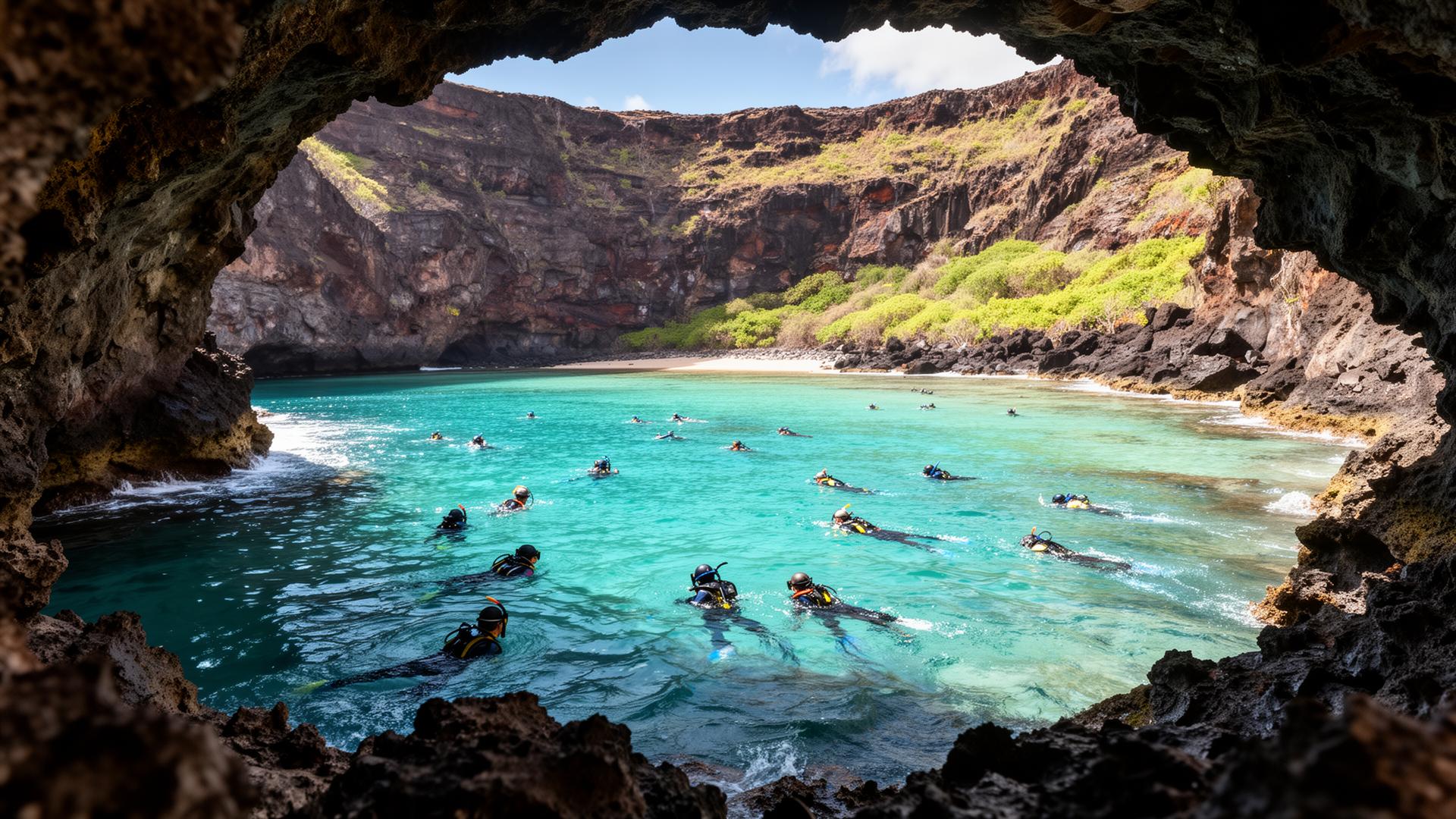
This marine sanctuary on the Big Island's Kona Coast is widely considered Hawaii's single best snorkeling location. The bay's protected status and deep, clear water support an extraordinary reef system. Spinner dolphins are regular visitors in the early morning. Access is limited — you can kayak across the bay, hike down from the highway, or book a permitted boat tour. The restricted access keeps crowds manageable and the reef pristine.
Two Step (Honaunau Bay)
Adjacent to Pu'uhonau o Honaunau National Historical Park, Two Step gets its name from the natural lava rock ledges that serve as entry points into the water. The reef here starts in just a few feet of water and drops off dramatically, attracting large schools of fish, sea turtles, and occasionally manta rays. It's one of the Big Island's most reliable snorkeling spots with good conditions year-round.
Kauai — Uncrowded and Untouched
Tunnels Beach (Makua Beach)
Kauai's north shore is home to Tunnels Beach, named for the underwater lava tube formations that create a labyrinth of swim-throughs and coral arches. The outer reef protects a wide lagoon ideal for snorkeling in calm conditions. Green sea turtles are virtually guaranteed, and the reef supports a healthy population of triggerfish, surgeonfish, and butterflyfish. Summer months offer the flattest water; winter brings dangerous surf.
Poipu Beach
On Kauai's sunnier south shore, Poipu Beach provides year-round snorkeling in a protected cove. The rocky left side of the beach offers the best reef exploration, while the sandy right side is perfect for families with young children. Hawaiian monk seals — one of the world's most endangered marine mammals — occasionally haul out on the beach, a reminder of just how wild these waters remain.
Lanai: A Quieter Reef Off the Main Circuit
Beyond the four main snorkeling islands, two smaller neighbours are worth knowing about. Hulopoe Bay on Lanai is a marine life conservation district with a crescent of sand, a protected reef along the left-hand rocks, and spinner dolphins that often rest in the bay during the morning. It is reachable by passenger ferry from Lahaina, and several Maui boat tours run to Lanai's coastline rather than to Molokini, which makes it a good alternative when Molokini is crowded or windy.
Seasons, Swell and Water Temperature
Hawaii's water temperature is comfortable year-round, generally in the mid-70s to low-80s Fahrenheit, and most snorkelers are fine in a rash guard or thin shorty. What actually dictates where you snorkel is swell direction, not temperature.
From roughly November through March, large north and northwest swells hit the north-facing shores. That rules out Honolua Bay, Tunnels Beach and Shark's Cove for much of the winter, sometimes with dangerous surf and strong rip currents. In the same months, south-facing shores such as Poipu, the Kona coast and south Maui are typically at their calmest. From May through September the pattern partially reverses: north shores turn glassy and spectacular, while south shores occasionally see summer south swells.
Winter is also humpback whale season in Hawaiian waters, roughly December to April, which is a bonus on boat trips even when it does not change what you see on the reef.
Shore Snorkeling Versus Boat Tours
Hawaii is unusually generous with shore snorkeling. Black Rock, Poipu, Two Step, Hanauma Bay and Shark's Cove are all walk-in or short-swim sites that need nothing more than gear and good timing. That keeps costs down and lets you go when conditions look best rather than when a boat is scheduled.
Boat tours earn their place where the site cannot reasonably be reached from land. Molokini is the clearest example, and Kealakekua Bay is another, since the shoreline hike is long and hot and kayak access is regulated. The Kona coast also runs evening manta ray snorkels, where plankton lights draw mantas beneath floating platforms — a boat-only experience with no shore equivalent. Morning departures are almost always calmer than afternoon ones.
Matching Sites to Your Experience Level
Newer snorkelers and families do best at Hanauma Bay, Poipu's sandy south side, Black Rock in the early morning and Two Step on a calm day. These sites combine shallow water, straightforward entries and reef that starts close to shore.
Confident swimmers get more out of Electric Beach, the outer reef at Tunnels, Kealakekua Bay and the deeper edges at Molokini, where the bottom falls away and currents can run. Lava rock entries at Two Step and Shark's Cove are slippery and uneven; timing your entry between wave sets and wearing reef shoes matters more than swimming ability at those two sites.
Gear, Rentals and Practical Access
Rental shops are plentiful on all four main islands and most hotels can point you to one. A prescription or well-fitted mask brought from home still beats anything you will rent. Reef shoes are close to essential for the volcanic entries, and a mineral zinc sunscreen or a long-sleeve rash guard keeps you legal and comfortable under strong tropical sun.
Parking is the quiet obstacle at Hawaii's most popular sites. Hanauma Bay uses a reservation system with limited parking and closed days for reef recovery, Honolua Bay relies on narrow roadside parking that fills early, and Two Step shares a small lot with a national historical park. Arriving before 9 AM solves most of these problems and coincides with the best visibility of the day.
Snorkeling With Children
Hawaii suits families well if you pick the right water. Protected, shallow sites with lifeguards — Hanauma Bay, Poipu Beach and the calmer stretches of Ka'anapali — let children stand up and rest. Full-face masks are popular but fit poorly on many small faces; a standard mask and snorkel with a properly adjusted strap is usually safer. Flotation vests, short sessions and a clear plan for where to exit the water go a long way.
Essential Tips for Snorkeling in Hawaii
Reef-safe sunscreen is the law. Hawaii banned sunscreens containing oxybenzone and octinoxate to protect coral reefs. Use mineral-based zinc oxide sunscreen or wear a rash guard.
Morning is always best. Trade winds typically pick up by early afternoon, churning surface water and reducing visibility. Plan snorkeling sessions for before 11 AM whenever possible.
Respect the wildlife. Hawaiian green sea turtles (honu) are protected under federal law. For more on swimming with these incredible creatures, explore our sea turtle snorkeling destinations guide. Maintain at least 10 feet of distance and never touch, chase, or ride marine animals.
Check conditions before you go. Hawaii's ocean conditions can change rapidly. Check surf reports and local advisory boards, especially on north-facing shores during winter months (November–April).
Bring your own gear. While rental shops are plentiful, having a well-fitting mask and snorkel eliminates leaking and fogging issues that can ruin a session. Reef shoes are essential for rocky entries like Two Step and Shark's Cove.
Frequently Asked Questions
Which Hawaiian island has the best snorkeling?
Maui and the Big Island are the usual answers, for different reasons. Maui offers Molokini's visibility plus several strong shore sites, while the Big Island's Kona coast has Kealakekua Bay, Two Step and the manta ray night snorkels. Oahu is the most accessible for a short trip, and Kauai is the quietest.
What is the best time of year to snorkel in Hawaii?
You can snorkel year-round, but choose your coast by season. Summer, roughly May to September, favours north-shore sites such as Tunnels and Shark's Cove. Winter, roughly November to March, favours south and west shores such as Poipu, Kona and south Maui.
Will you see sea turtles?
Honu are common at many Hawaiian reefs, particularly Tunnels, Black Rock and Two Step, but no sighting is guaranteed. They are protected by federal law, so keep well back, never touch or follow them, and let them surface undisturbed.