Beginner-Friendly Scuba Diving Beaches in Florida: Where to Learn and Get Certified
Discover Florida's most welcoming dive sites for new divers, complete with step-by-step guidance on what to expect during your first scuba experience and tips for choosing the right certification program.
By BeachLoco Editorial
The moment you take your first breath underwater changes everything. That mix of wonder and nervousness, the strange sensation of weightlessness, the realization that you're actually breathing beneath the surface—it's a threshold moment that marks the beginning of a lifelong adventure. And there's no better place to cross that threshold than Florida, where warm waters, patient instructors, and beginner-friendly sites combine to create the ideal learning environment.
Whether you're considering scuba diving for the first time or you've already signed up for a certification course, understanding what to expect can transform nervousness into excitement. This guide walks you through the entire journey—from your first pool session to earning your certification card at one of Florida's most accommodating dive destinations.
First Time Scuba Diving: What to Expect (Step-by-Step)
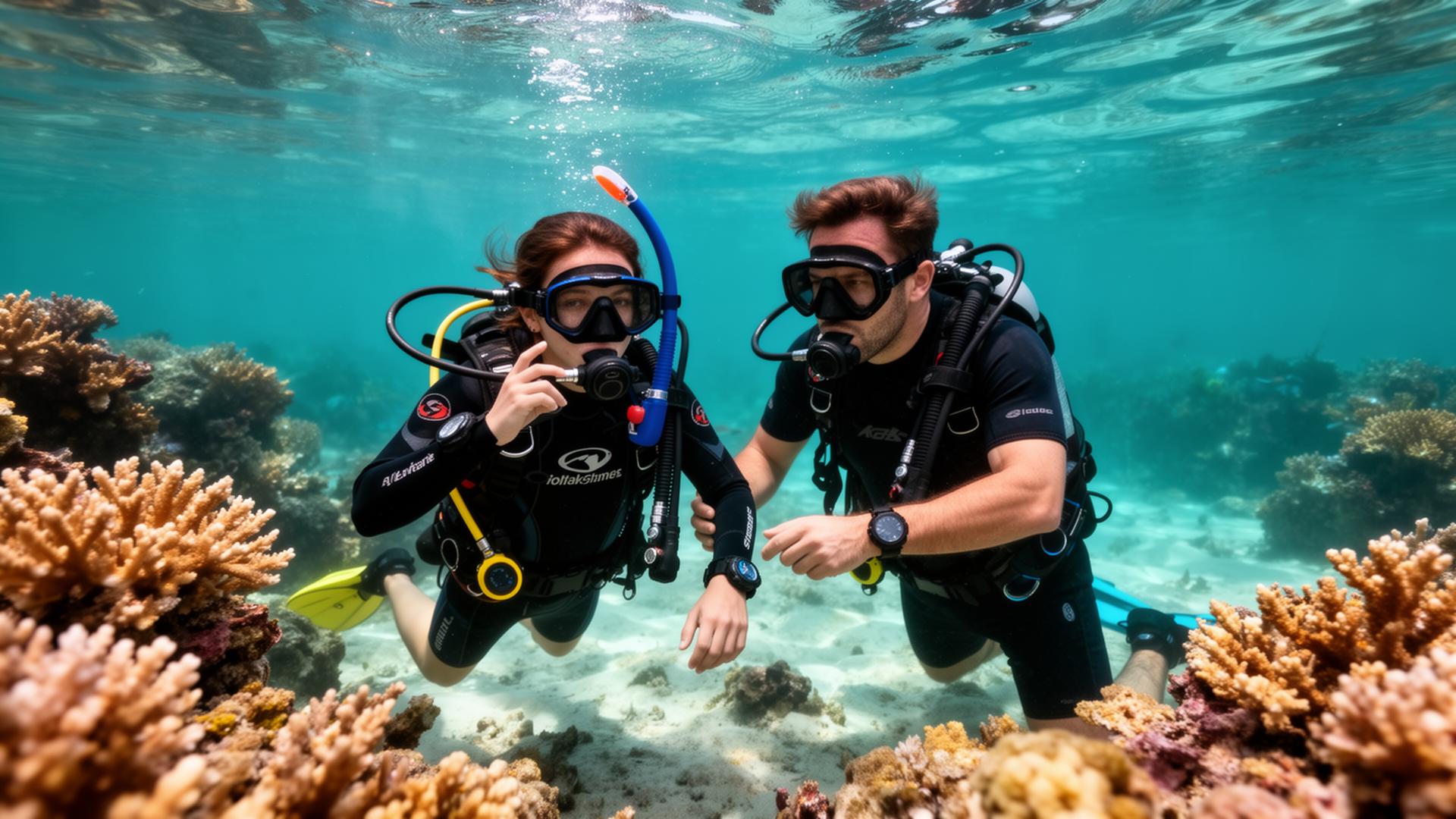
The path from curious landlubber to certified diver follows a well-established progression designed to build your skills and confidence gradually. Here's exactly what you'll experience:
Step 1: The Paperwork and Medical Questionnaire
Before you touch any equipment, you'll complete a medical questionnaire. Don't worry—most health conditions don't prevent diving, but some require physician clearance. Common questions cover cardiovascular health, respiratory conditions, and ear problems. Be honest; these questions exist for your safety.
Step 2: Knowledge Development
Modern certification courses offer flexible learning. Most students complete theory online at their own pace before meeting their instructor. You'll learn about pressure changes, equipment function, hand signals, and dive planning. The material is straightforward—no physics degree required.
Step 3: Confined Water Training (Pool Sessions)
This is where the magic begins. In a pool or pool-like environment, you'll learn to:
- Breathe underwater - The first breath is surreal. Many students laugh into their regulators.
- Clear your mask - Water will get in. You'll learn to clear it effortlessly.
- Achieve neutral buoyancy - The art of hovering motionless, neither sinking nor floating.
- Communicate - Hand signals become second nature quickly.
- Handle equipment issues - Recovering a lost regulator, sharing air with a buddy.
Step 4: Open Water Checkout Dives
The culmination of your training: four open water dives where you'll demonstrate your skills in the ocean. These typically happen over two days, with depths gradually increasing to the maximum recreational limit of 60 feet. Your instructor stays close, guiding you through each skill demonstration while you absorb the wonder of the underwater world.
What Sensations to Expect
First-time divers often describe:
- Ear pressure - You'll equalize frequently, just like on an airplane. It becomes automatic.
- Breathing awareness - Initially you'll notice every breath. Soon it feels natural.
- Temperature changes - Florida waters are warm, but you may feel cooler at depth.
- Sensory overload - So much to see that you might forget your skills momentarily. That's normal.
- Time distortion - A 45-minute dive often feels like 10 minutes.
Common First-Dive Jitters (And How to Overcome Them)
"What if I can't breathe?" - You've been breathing your entire life. The regulator simply delivers air when you inhale. Try it on the surface first.
"What if I panic?" - Your instructor controls the pace. Any discomfort means you surface slowly and try again. There's no failure, only practice.
"What about sharks?" - Sharks are rarely seen on beginner sites. When they do appear, they're typically reef sharks that ignore divers entirely.
Florida's Best Beginner-Friendly Dive Sites
Not all dive sites suit new divers. The following Florida destinations offer the perfect combination of calm conditions, shallow depths, rich marine life, and experienced instruction.
Blue Heron Bridge, Riviera Beach
Ask any Florida dive instructor where they'd take a nervous first-timer, and Blue Heron Bridge tops the list. This shore-access site in Palm Beach County offers:
- Maximum depth: 15-25 feet (you control how deep you go)
- Entry: Walk in from the beach—no boat anxiety
- Conditions: Protected from currents, excellent visibility
- Marine life: Seahorses, octopuses, frogfish, and hundreds of fish species
The site's shallow profile means more bottom time and less pressure change—perfect for building confidence. Many instructors complete all four checkout dives here.
Key Largo: John Pennekamp Coral Reef State Park
Key Largo holds the title of "Dive Capital of the World" for good reason. Within the Florida Keys marine sanctuary, you'll find:
- Shallow reef sites: Molasses Reef and French Reef offer 25-40 foot dives
- Warm water year-round: 75-85°F means minimal exposure suit requirements
- Abundant dive shops: Competition keeps prices reasonable and service excellent
- The Christ of the Abyss statue: An iconic underwater landmark at just 25 feet
Crystal River: Springs Diving
For something completely different, Crystal River offers freshwater spring diving with:
- Crystal-clear visibility: Often exceeding 100 feet
- Constant temperature: 72°F year-round
- Manatee encounters: Winter months bring gentle giants to the springs
- Unique geology: Underwater caves (for viewing, not entering as a beginner)
Panama City Beach: Gulf Coast Calm
The Gulf of Mexico's typically calm conditions make Panama City Beach ideal for nervous beginners:
- Minimal currents: Most sites have gentle or no current
- Sandy bottom sites: Easy navigation, no entanglement risks
- Artificial reefs: Shipwrecks and structures attract diverse marine life
- Patient local instructors: Small-town diving with personalized attention
Fort Lauderdale: Year-Round Training
Fort Lauderdale hosts more dive operations than anywhere else in Florida, offering:
- Multiple certification options: Choose from dozens of reputable shops
- Diverse sites: From shallow reefs to gentle drift dives
- Warm Gulf Stream waters: Comfortable diving year-round
- Easy logistics: Major airport, abundant accommodations
Choosing Your Certification: PADI vs. SSI vs. NAUI
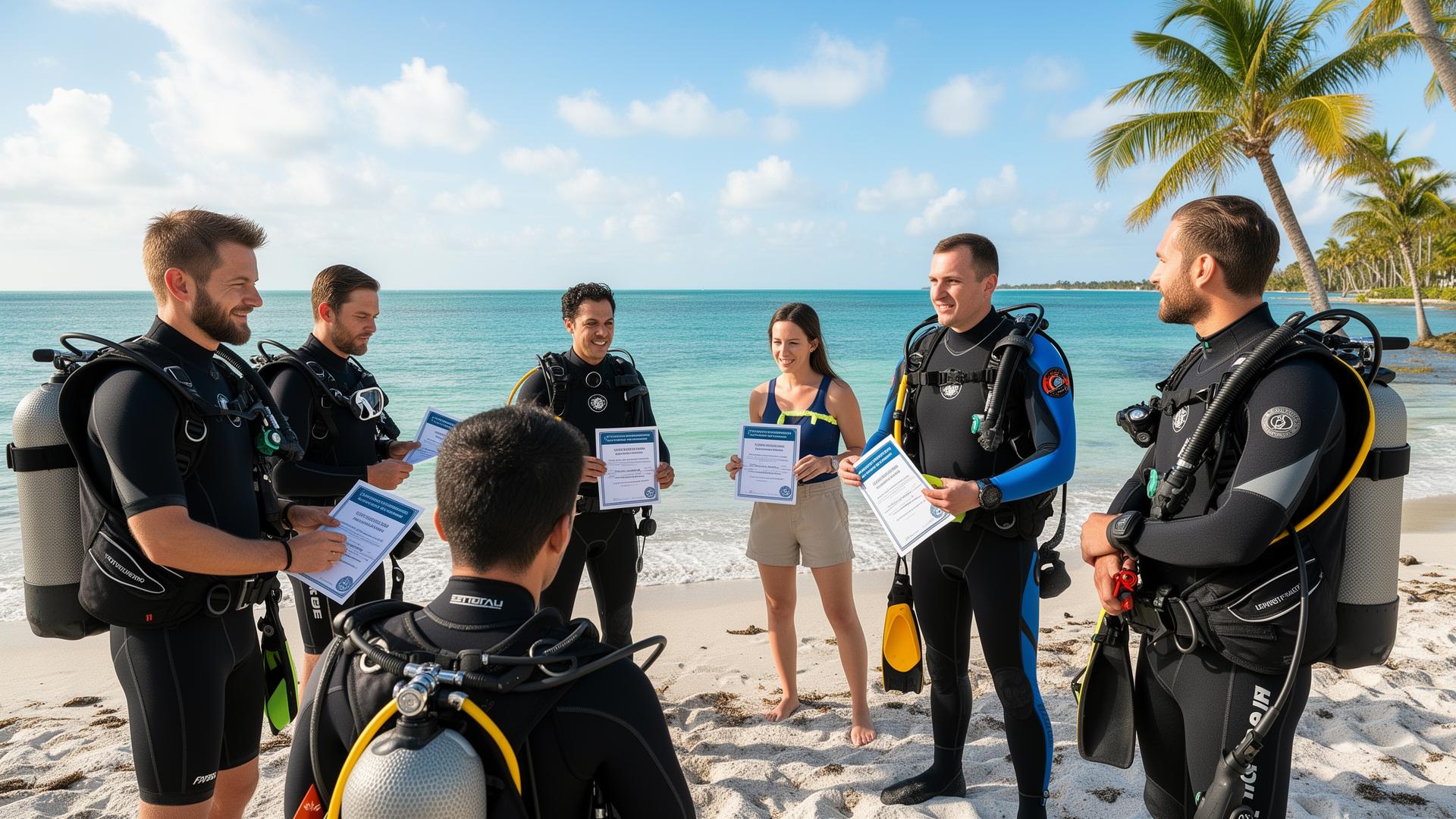
Three major agencies dominate recreational diving certification. Here's what you need to know:
PADI (Professional Association of Diving Instructors)
- Recognition: Accepted worldwide, the most common certification
- Learning style: Structured, modular approach with clear progression
- Materials: Online learning integrated with in-person training
- Cost: Typically $400-600 for Open Water certification in Florida
SSI (Scuba Schools International)
- Recognition: Equally valid worldwide, growing rapidly
- Learning style: Flexible, often more personalized instruction
- Materials: Free digital learning materials
- Cost: Often slightly less than PADI due to free materials
NAUI (National Association of Underwater Instructors)
- Recognition: The original recreational diving agency
- Learning style: More instructor autonomy, potentially more rigorous
- Materials: Traditional approach with comprehensive manuals
- Cost: Comparable to PADI
The Bottom Line: All three certifications allow you to dive anywhere in the world. Choose based on instructor quality and convenience, not agency brand.
What to Look for in a Dive Shop
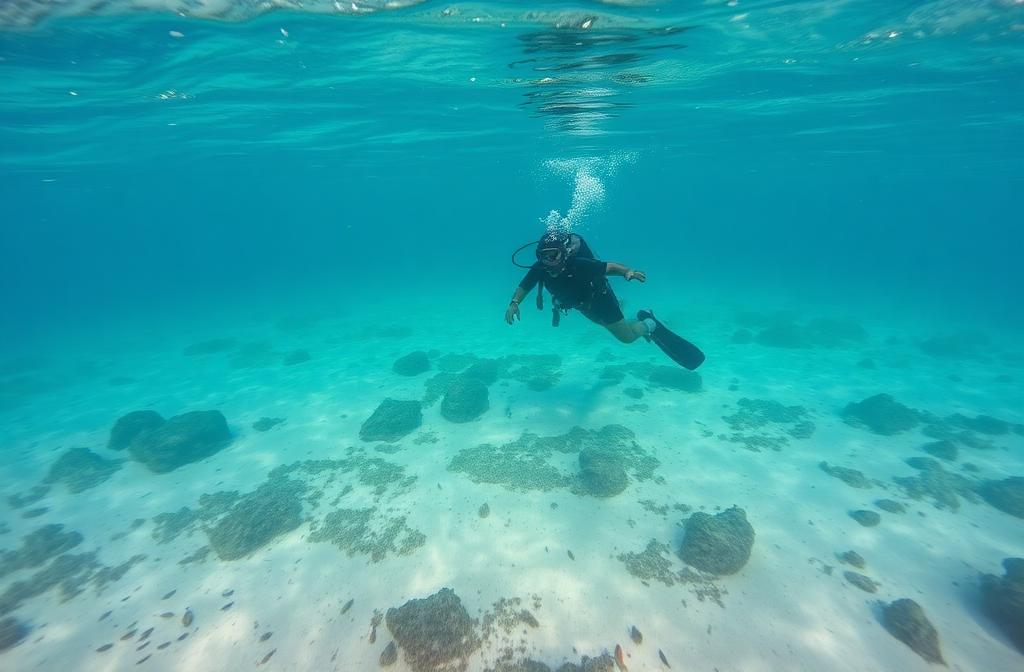
Your certification experience depends largely on your instructor and dive operation. Evaluate shops on:
- Student-to-instructor ratio: Maximum 4:1 is ideal; 8:1 is the agency limit
- Equipment condition: Rental gear should be well-maintained and modern
- Reviews: Check Google, TripAdvisor, and diving forums
- Patience indicators: Ask how they handle nervous students
- Flexibility: Can you spread training over multiple weekends if needed?
- Post-certification support: Do they offer mentored fun dives for new divers?
Certification Costs and Timeline
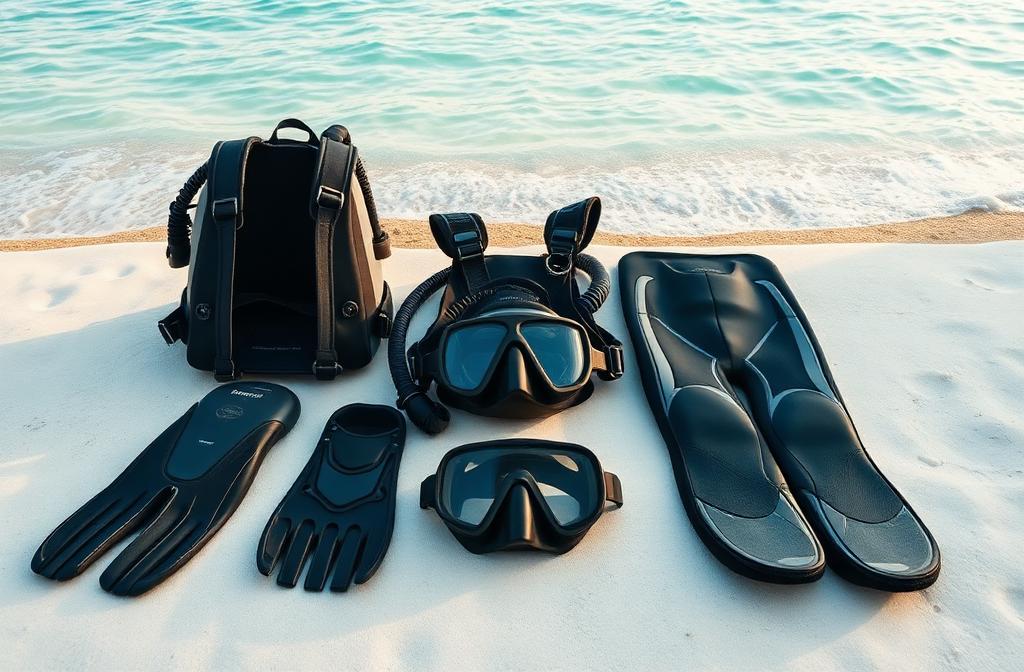
Budget for the following in Florida:
- Open Water course: $350-600 (includes materials, pool sessions, 4 ocean dives)
- Equipment rental during course: Usually included
- Certification card: Included or $25-40 additional
- Total timeline: 3-4 days minimum, often spread over 2 weekends
Pro tip: Complete your online learning before arriving in Florida to maximize your in-water time during vacation.
Your Next Steps
Once certified, Florida's underwater world opens completely. Graduate to Florida's legendary wreck dives, experience the magic of night diving, or explore the world's most compelling reef systems. Your certification card never expires—it's a passport to a lifetime of underwater adventure.
The hardest part isn't learning to dive. It's taking that first step: signing up, showing up, and trusting the process. Florida's warm waters and welcoming dive community make that first step easier than anywhere else on Earth.
Ready to begin? Browse our complete guide to scuba diving beaches and start planning your certification journey.