Great Beach Destinations for Wreck Diving in Florida
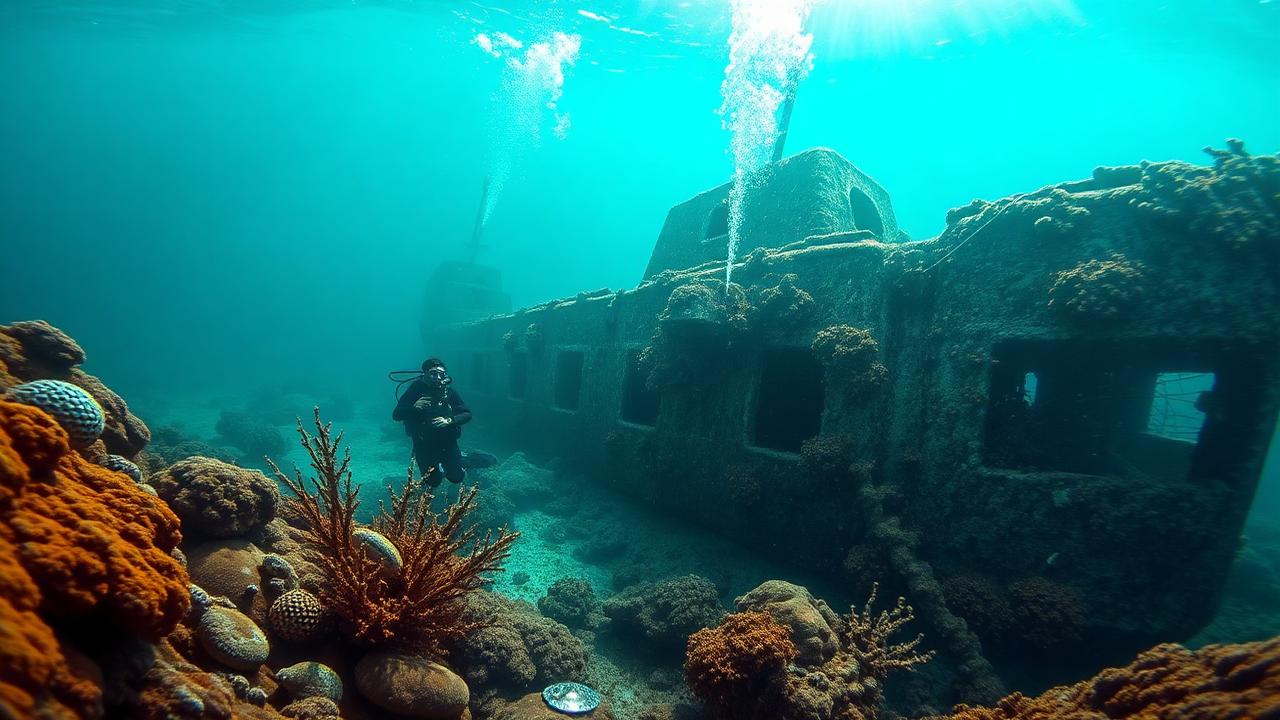
Florida's wrecks are not relics frozen in time. They are living structures—reshaped by currents, softened by coral, and woven quietly into the rhythm of the sea.
By BeachLoco Editorial Team
Florida's wrecks are not relics frozen in time. They are living structures—reshaped by currents, softened by coral, and woven quietly into the rhythm of the sea. The beaches that front these dive sites offer a particular kind of allure: warm sand, easy access, and the knowledge that just offshore, history rests beneath the surface.
Key Largo
Key Largo sits at the gateway to the Florida Keys, where the Gulf Stream sweeps warm, clear water across a reef system unlike any other in the continental United States. But it is the wrecks here—deliberate sinkings turned artificial reefs—that draw divers from around the world.
The Spiegel Grove dominates. At 510 feet, this former Navy landing ship dock lies in 130 feet of water, her superstructure rising to within 60 feet of the surface. She rests upright now, though she rolled during her 2002 sinking and spent three years on her side before Hurricane Dennis righted her. Goliath grouper patrol her decks. Barracuda drift above her mast. The scale of her is humbling—too large to comprehend in a single dive, too encrusted with life to feel like metal anymore.
Nearby, the USCGC Duane and USCGC Bibb—sister Coast Guard cutters sunk in 1987—offer deeper, more technical profiles. Both sit upright in 120 feet of water, their interiors accessible to trained divers. The penetration here is serious: dark corridors, silty passages, the quiet weight of a ship that once patrolled for submarines in the North Atlantic.
The beaches of Key Largo are modest—John Pennekamp Coral Reef State Park offers the most accessible shoreline—but the diving infrastructure is unmatched. Operators run multiple trips daily. Conditions are readable. Visibility often exceeds 80 feet.
Pompano Beach
Pompano Beach lies on Florida's Gold Coast, where the continental shelf drops sharply and the Gulf Stream runs close to shore. The result is a wreck corridor unlike any other: dozens of vessels scattered across a three-mile stretch, accessible in minutes from the inlet.
The Rodeo 25 draws photographers. This 180-foot freighter sits upright in 110 feet of water, her wheelhouse intact, her holds open to the sky. Spotted eagle rays glide past her stern. Nurse sharks rest in the shadows of her hull. The growth here is prolific—sponges, soft corals, hydroids coating every surface.
Shallower options abound. The Ancient Mariner, a steel-hulled sailboat in 70 feet of water, offers a compact dive with surprising marine life density. The Okinawa, a 180-foot freighter, lies broken but picturesque in 80 feet. Drift diving is the norm—currents can run strong, but they keep visibility high and bring nutrients that sustain the reef communities colonizing these hulls.
Pompano's beach is wide and clean, backed by low-rise development and a fishing pier that's become a local landmark. The diving feels urban in the best sense: professional, accessible, unpretentious.
Fort Lauderdale
Fort Lauderdale anchors the wreck diving corridor that runs from Miami to Palm Beach. The city's aggressive artificial reef program has placed more than 80 vessels on the seafloor, creating an underwater landscape dense with structure and marine life.
The Mercedes I defines the experience. This 197-foot freighter sits upright in 97 feet of water, her superstructure rising dramatically toward the surface. Schools of amberjack circle her mast. Moray eels peer from her portholes. The penetration is straightforward—large compartments, multiple exits, natural light filtering through rust holes in her deck.
For deeper adventures, the Jay Scutti lies in 130 feet of water. This 176-foot tugboat offers advanced divers a chance to explore a less-visited wreck with strong current and impressive pelagic encounters. Reef sharks patrol here. Cobia hang beneath her hull.
Fort Lauderdale Beach stretches for miles, its white sand backed by the iconic wave wall and a promenade that pulses with life. The contrast is striking: above water, beach bars and rental umbrellas; below, a silent city of ships.
Jupiter
Jupiter sits where the Gulf Stream presses closest to shore along Florida's Atlantic coast. The result is reliable visibility, warm water, and currents that attract pelagic species rarely seen this near the beach.
The Esso Bonaire commands attention. This 440-foot tanker, torpedoed by a German U-boat in 1942, lies in 80 feet of water just a mile offshore. She broke apart on impact, her bow section resting separately from her stern, creating two distinct dive sites connected by a debris field. The historical weight here is palpable—this is not an artificial reef but a genuine casualty of war, sunk in waters that saw significant U-boat activity during the Battle of the Atlantic.
The Zion Train offers a different experience. This 150-foot freighter, sunk as an artificial reef in 2003, sits upright in 90 feet of water with exceptional marine life colonization. Goliath grouper congregate here in late summer. Loggerhead sea turtles rest on her deck.
Jupiter Beach maintains a quieter character than its southern neighbors. Dog-friendly, uncrowded, backed by dunes rather than high-rises. The diving community here is tight-knit, the operators knowledgeable, the sites less dived than those off Fort Lauderdale.
Pensacola Beach
Pensacola Beach lies on Santa Rosa Island, a barrier island stretching along Florida's Gulf Coast. The water here is warmer, shallower, and greener than the Atlantic—but the wrecks are extraordinary.
The USS Oriskany dominates not just this region but arguably the entire Gulf of Mexico wreck diving scene. At 911 feet, this Essex-class aircraft carrier is the largest vessel ever intentionally sunk as an artificial reef. She lies in 212 feet of water, her flight deck at 145 feet, her island superstructure rising to within 80 feet of the surface. The scale defies comprehension. Divers spend careers exploring her, mapping her compartments, documenting the marine life that has transformed her from warship to reef.
Shallower options exist for recreational divers. The Pete Tide II and other vessels in the Pensacola artificial reef program offer experiences in the 60-100 foot range. But most divers who come here come for the Oriskany. Technical diving certifications are essential for meaningful exploration. The logistics are significant. The rewards are singular.
Pensacola Beach itself offers sugar-white sand and emerald water—a Gulf Coast aesthetic distinct from Florida's Atlantic shores. The town retains a military heritage, its proximity to Naval Air Station Pensacola lending it a particular character. The diving here feels like a pilgrimage: purposeful, prepared, profound.
Explore More Wreck Diving
Florida's wreck diving offers a unique combination of accessibility and quality. For those looking to expand their underwater explorations, the Caribbean offers even more legendary wrecks across crystal-clear waters. And for divers who prefer living reef structures, the world's greatest reef diving destinations await.
Find more scuba diving beaches and plan your next underwater adventure.