The Caribbean's Most Compelling Destinations for Wreck Diving
The Caribbean's wrecks are shaped less by industry and more by history. Colonial trade routes, naval conflicts, hurricanes, and deliberate reef-building have scattered ships across turquoise shallows and deep blue drop-offs.
By BeachLoco Editorial Team
Beneath the turquoise surface of the Caribbean Sea lies a hidden museum of maritime history — sunken warships, cargo vessels, aircraft, and even intentionally scuttled ships that have been transformed by decades of coral growth into thriving artificial reefs. Wreck diving in the Caribbean combines the thrill of exploration with the beauty of tropical marine life, creating underwater experiences that are equal parts adventure, history lesson, and nature encounter.
Why the Caribbean Is a Wreck Diving Paradise
The Caribbean's combination of warm water, exceptional visibility, and centuries of maritime traffic creates ideal wreck diving conditions found nowhere else on Earth. Hundreds of ships — from 17th-century Spanish galleons to World War II submarines and modern vessels intentionally sunk as artificial reefs — rest on the seafloor across the region. The warm water temperatures (75–85°F year-round) mean lightweight exposure suits and comfortable bottom times, while visibility frequently exceeds 100 feet, allowing divers to appreciate entire wreck structures in a single glance.
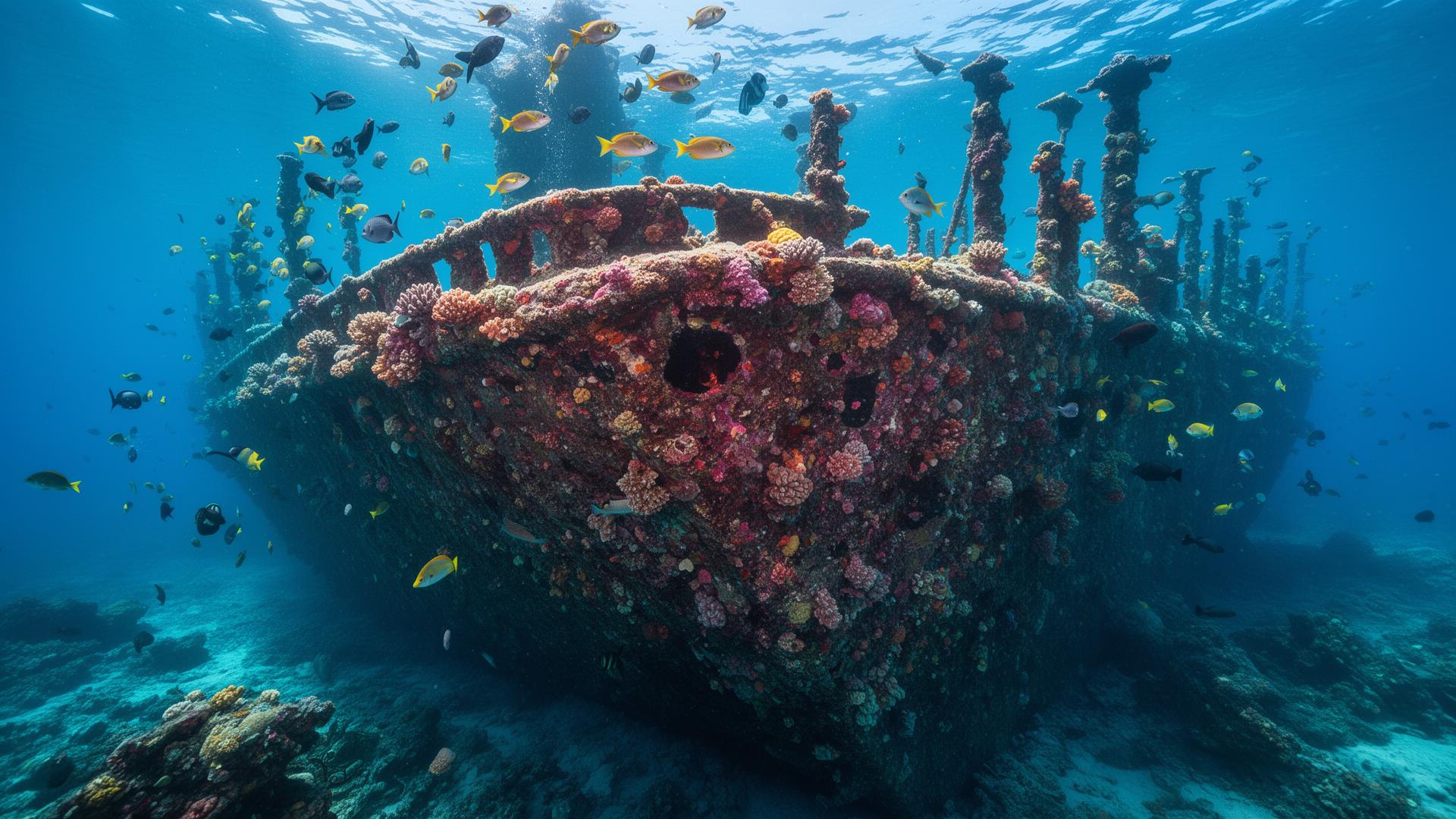
The biological transformation is equally compelling. Caribbean wrecks become living reef structures within years of sinking. Hard and soft corals colonize every surface, sponges fill compartments, schools of fish patrol the decks, and larger predators — barracuda, reef sharks, and grouper — use the structure as hunting grounds. A wreck that was cold steel on the surface becomes a vibrant ecosystem underwater, making every dive a study in nature's capacity for reclamation.
Top Wreck Diving Destinations
Aruba offers one of the Caribbean's most accessible wreck diving experiences. The SS Antilla — a 400-foot German cargo ship scuttled by its crew during World War II — is the largest wreck in the Caribbean and sits in just 60 feet of water. The wreck's enormous size means even snorkelers can see portions of the hull from the surface. Nearby, the Pedernales tanker wreck and the intentionally sunk Jane Sea provide additional dive options, all within a short boat ride from shore.
Bonaire has earned its reputation as a shore-diving paradise, and its wreck options follow suit. The Hilma Hooker — a 236-foot cargo ship with a colorful smuggling history — sits in 100 feet of water and is draped in enormous purple tube sponges and barrel sponges that make it one of the most photogenic wrecks in the Caribbean. The wreck is accessible from shore, making it one of the few world-class wreck dives you can do without a boat. Visit our ABC Islands guide for more on exploring Bonaire.
Grand Cayman features the Kittiwake — a former U.S. Navy submarine rescue vessel intentionally sunk in 2011 as an artificial reef. Sitting in just 65 feet of water, the 251-foot vessel is remarkably intact and accessible, with penetration routes through multiple decks that have been made safe for recreational divers. The Kittiwake has colonized rapidly with marine life, and its shallow depth means extended bottom times and excellent natural light for photography.
Barbados maintains an impressive collection of wrecks along its west coast, including Stavronikita — a 356-foot Greek freighter sitting upright in 135 feet of water. The "Stav," as divers call it, is festooned with massive barrel sponges and serves as a cleaning station where divers regularly observe sea turtles being groomed by small fish. Carlisle Bay on the south coast holds six wrecks in a compact area, making it possible to visit multiple wrecks on a single dive.
The British Virgin Islands are home to the RMS Rhone — often called the most famous wreck in the Caribbean. This Royal Mail steamer sank during a hurricane in 1867, and its remarkably preserved remains sit in 20–80 feet of water off Salt Island. The wreck served as a filming location for "The Deep" and remains one of the most visited dive sites in the Caribbean, protected as a national park.
What Makes Caribbean Wreck Diving Special
Unlike cold-water wreck diving destinations where heavy equipment, thick suits, and limited visibility define the experience, Caribbean wreck diving is remarkably comfortable and visually spectacular. The combination of warm water, clear visibility, and vibrant marine life means you can focus on exploration and enjoyment rather than equipment management. Many of the region's best wrecks sit in recreational diving depths (under 130 feet), making them accessible to certified open-water divers without advanced training.
Best Time to Visit
Caribbean wreck diving is productive year-round, with the best conditions typically during the dry season (December–April) when seas are calmest and visibility peaks. Summer months can bring slightly reduced visibility due to plankton blooms, but these same conditions attract larger pelagic species to the wrecks. Hurricane season (June–November) requires flexibility, as dive operations may cancel during weather events, but between storms, conditions can be excellent.
Essential Preparation
Wreck diving adds navigational and safety considerations beyond standard reef diving. A wreck diving specialty certification is recommended for penetration dives (entering the interior of wrecks), though many Caribbean wrecks offer excellent external exploration for divers at any certification level. Essential gear includes a dive light (even for daytime dives — interior spaces are dark), a surface marker buoy, and a complete diving equipment checklist appropriate for tropical conditions.
Buoyancy control is critical near wrecks — contact with corroded metal can cause cuts and infections, and careless fin kicks can disturb silt that reduces visibility to zero within seconds. Practice neutral buoyancy in open water before attempting wreck exploration.
Where to Stay
Most Caribbean wreck diving destinations offer dive-resort packages that include accommodation, boat dives, and equipment rental. Aruba's hotel strip puts you within 20 minutes of major wreck sites. Bonaire's shore-diving-oriented properties allow you to dive the Hilma Hooker independently. Grand Cayman's Seven Mile Beach area combines luxury resort amenities with easy access to the Kittiwake and other sites.
Local Tips
Bring an underwater camera with a wide-angle lens — Caribbean wrecks in clear water are extraordinarily photogenic, and wide-angle captures the scale that close-up shots miss. For the best marine life encounters, dive wrecks at dawn or dusk when predators are most active around the structure. Ask local dive operators about lesser-known wrecks — every Caribbean island has sites that don't appear in guidebooks but offer exceptional diving with virtually no other divers present.
The Caribbean's sunken ships represent a unique intersection of human history and natural beauty — places where the ocean has taken something abandoned and transformed it into something alive, vibrant, and endlessly fascinating to explore.