Best Winter Beach Destinations: Warm Weather Escapes When You Need Them Most
Escape winter's chill at these perfect warm-weather beach destinations. From Caribbean islands to Southeast Asian paradises, find sunshine when it's coldest at home.
By BeachLoco Editorial Team
When winter tightens its grip and gray skies become the daily forecast, the pull toward warm sand and turquoise water becomes almost physical. The best winter beach destinations aren't just warm — they're at their peak during the months when most of the Northern Hemisphere is bundled in layers. From Caribbean islands entering their driest, most pleasant season to Gulf Coast towns offering uncrowded shores and dramatic rate drops, these destinations prove that winter is actually the best time to take a beach vacation.
Why Winter Beach Travel Makes Sense
The economics of winter beach travel work strongly in the traveler's favor at many destinations. While Caribbean peak season (December–April) commands premium rates, the Gulf Coast and parts of Mexico enter their value season with rates dropping 30–50% below summer prices. The weather trade-off is minimal — Gulf Coast winter temperatures average 60–70°F, warm enough for beach walks, cycling, and outdoor dining even if swimming requires some fortitude.
Beyond pricing, winter beach travel offers something summer trips cannot: space. Beaches that are shoulder-to-shoulder in July often feel nearly private in January. This uncrowded quality transforms the experience — you can walk for miles without encountering another soul, claim the best restaurant table without a wait, and enjoy attractions without lines. For travelers who value tranquility over buzzing energy, winter is the superior beach season.
Top Winter Beach Destinations
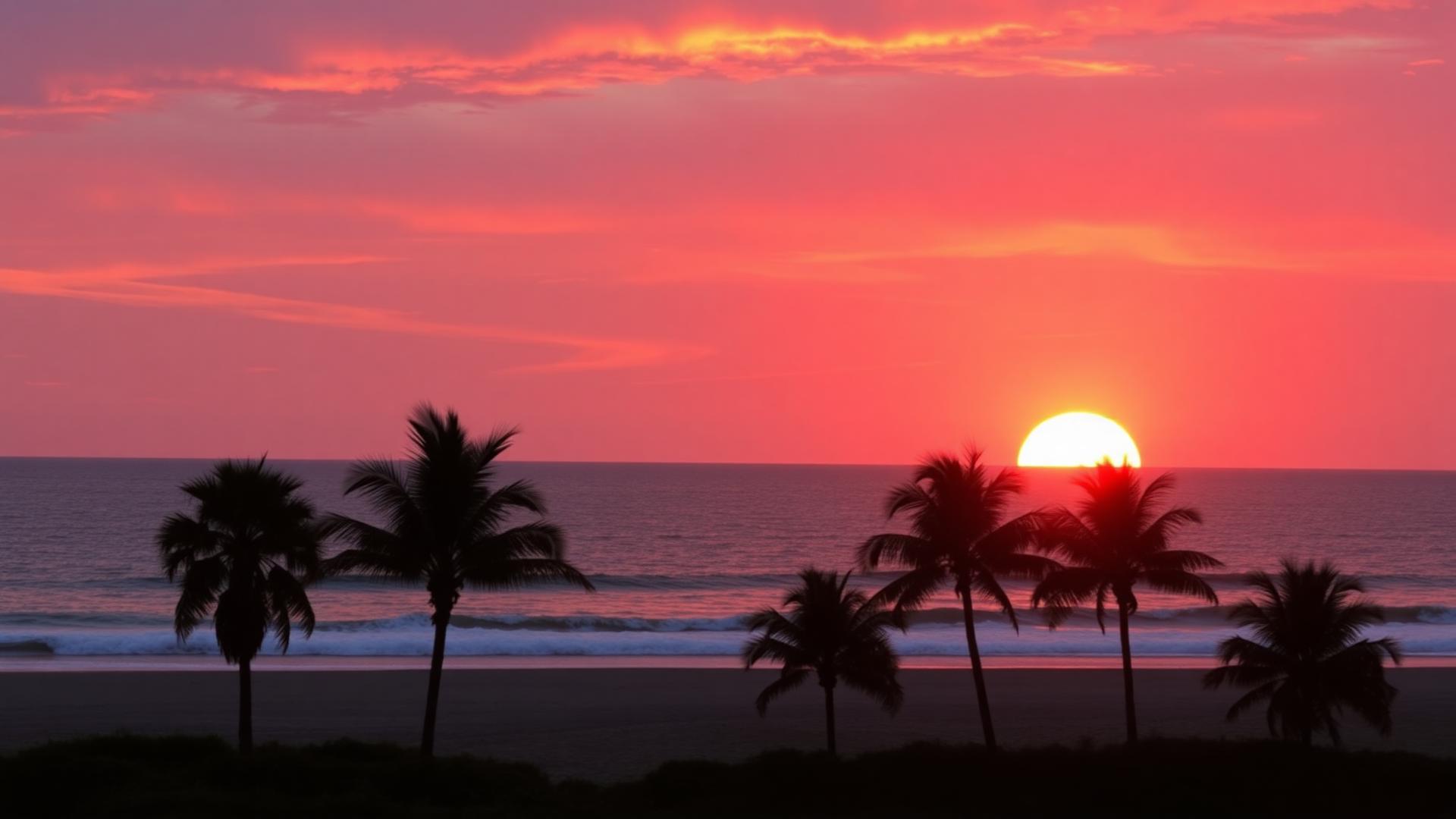
The Florida Keys reach their absolute prime during winter months. Air temperatures settle into the comfortable 70s, humidity drops to pleasant levels, and the water remains swimmable (70–75°F). Key West's cultural calendar is packed with festivals, live music, and art events. The snorkeling at John Pennekamp State Park in Key Largo benefits from winter's improved visibility, and the famous sunsets at Mallory Square are even more dramatic against winter's lower sun angle.
Turks and Caicos delivers the quintessential winter escape: 80°F days, minimal rainfall, and Grace Bay Beach at its most pristine. The dry season (December–April) coincides perfectly with Northern Hemisphere winter, making it one of the most reliable warm-weather destinations available. Whale watching season (January–April) adds a unique wildlife dimension, as humpback whales pass through the Turks Island Passage on their annual migration.
Cancún and the Riviera Maya offer winter temperatures in the low 80s with significantly less rain than summer months. The Cancún coastline is at its best from December through March, with calm seas ideal for snorkeling at the nearby reef parks. Cenote swimming — exploring the Yucatán's freshwater sinkholes — is particularly pleasant during winter when the naturally cool water (around 75°F) feels refreshing rather than cold.
Maui, Hawaii enters its whale season during winter, when thousands of humpback whales migrate to the warm Hawaiian waters to breed and calve. You can spot whales from shore at numerous vantage points, and boat-based whale watching tours offer close encounters that rank among the world's premier wildlife experiences. Winter surf on Maui's north shore creates spectacular wave-watching opportunities, while the south and west shores maintain calmer conditions for swimming and snorkeling.
Panama City Beach and the Gulf Coast surprise many travelers with their winter appeal. While swimming season is effectively paused, the beaches are gloriously empty, accommodation rates plummet, and the mild temperatures (55–65°F) are perfect for long beach walks, cycling, and exploring. The Panama City Beach area offers excellent winter birding, with migratory species using the Gulf Coast as a flyway, and the local dining scene operates year-round with shorter waits and a more local-heavy clientele.
Aruba sits outside the Caribbean hurricane belt and maintains remarkably consistent weather year-round — but winter is when the island truly shines, with temperatures in the mid-80s, constant trade winds keeping humidity comfortable, and some of the clearest water visibility of the year. The island's compact size means you can explore multiple beaches in a single day, from the calm Eagle Beach to the wilder windward coast.
What Makes Winter Beach Travel Unique
The quality of winter light transforms beach photography and the visual beach experience. The lower sun angle creates longer golden hours, deeper shadows, and more dramatic cloud formations. Sunrise and sunset occur at more civilized hours (no 5 AM sunrises or 9 PM sunsets), making it easier to catch the magic-hour light without sacrificing sleep. For beach photography enthusiasts, winter offers the most flattering natural light of the year.
Wildlife encounters also peak during winter at many destinations. Beyond Hawaiian whale watching, winter brings manatee gatherings to Florida's Crystal River, sea turtle nesting season to Caribbean islands, and migratory bird concentrations to Gulf Coast estuaries. The combination of fewer human visitors and peak wildlife activity creates nature encounters that simply aren't available during summer.
Best Time to Book
For Caribbean destinations (peak season December–April), booking 3–6 months ahead secures the best rates and availability. Holiday periods (Christmas week, New Year's, Presidents' Day weekend) command premium pricing and book out fastest — reserve these periods 6+ months in advance. For Gulf Coast winter travel, booking 2–4 weeks ahead is typically sufficient, and last-minute deals are common as hotels work to fill winter inventory.
Where to Stay
Winter travel opens accommodation options that are unavailable or unaffordable during peak season. Boutique beach hotels that book out months ahead in summer often have immediate availability in winter. Vacation rentals in Gulf Coast communities offer monthly rates that can be cheaper than a single summer week. For Caribbean trips, all-inclusive resorts provide the best value during winter, as the premium pricing includes activities, dining, and drinks that would add up quickly à la carte.
Packing for Winter Beach Travel
Winter beach packing requires layering capability. Even at tropical destinations, evenings can be cool (low 70s), and air conditioning in restaurants and hotels often runs aggressively. A light jacket or cardigan, a pair of long pants, and closed-toe shoes for evening dining complement the standard beach packing essentials. For Gulf Coast winter trips, pack warmer layers — a fleece and windbreaker make beach walks comfortable even on cooler days.
Local Tips
Research seasonal events before booking — many winter beach destinations host festivals, food events, and cultural celebrations that add dimension to a beach trip. Key West's Fantasy Fest, Aruba's Carnival, and various Gulf Coast seafood festivals provide entertainment beyond the sand and surf. Check whether your destination's restaurants and attractions operate year-round or close seasonally; in some Gulf Coast towns, winter closures can limit dining options.
Winter beach travel represents one of travel's great opportunities: world-class destinations at their most beautiful, their most accessible, and often their most affordable. While everyone else waits for summer, the savviest travelers are already on the beach.