Boutique Beach Hotels: Discovering Hidden Gems Beyond Big Resorts
Escape the crowds at intimate boutique beach hotels offering personalized service, unique design, and authentic local experiences. Our guide to finding hidden coastal treasures.
By BeachLoco Editorial Team
The best beach hotels aren't always the ones with the biggest lobbies or the most recognizable names. Across the world's most beautiful coastlines, boutique properties are redefining what a beach stay can feel like — trading cookie-cutter luxury for genuine character, personal attention, and the kind of design-forward spaces that make you forget you ever tolerated a generic resort room. These are hotels where the architecture tells a story, the staff knows your name by dinner, and the beach experience feels like a discovery rather than a transaction.
Why Boutique Beach Hotels Matter
The boutique hotel movement has fundamentally changed what travelers expect from coastal accommodations. Where chain resorts offer predictability — the same pillow menu in Cancun as in Clearwater — boutique properties offer context. They reflect their location's culture, materials, and aesthetic sensibility. A boutique beach hotel in the Caribbean might use reclaimed driftwood and local art, while one in Southeast Asia might blend traditional architecture with contemporary design. The result is an experience that feels rooted in place rather than transplanted from a corporate template.
Size matters in the boutique equation. Most properties feature fewer than 50 rooms, which translates to higher staff-to-guest ratios, more flexible dining, and the kind of personal touches — a bartender who remembers your drink, a concierge who arranges a private beach picnic without being asked — that transform a stay from pleasant to memorable.
What Defines a True Boutique Beach Hotel
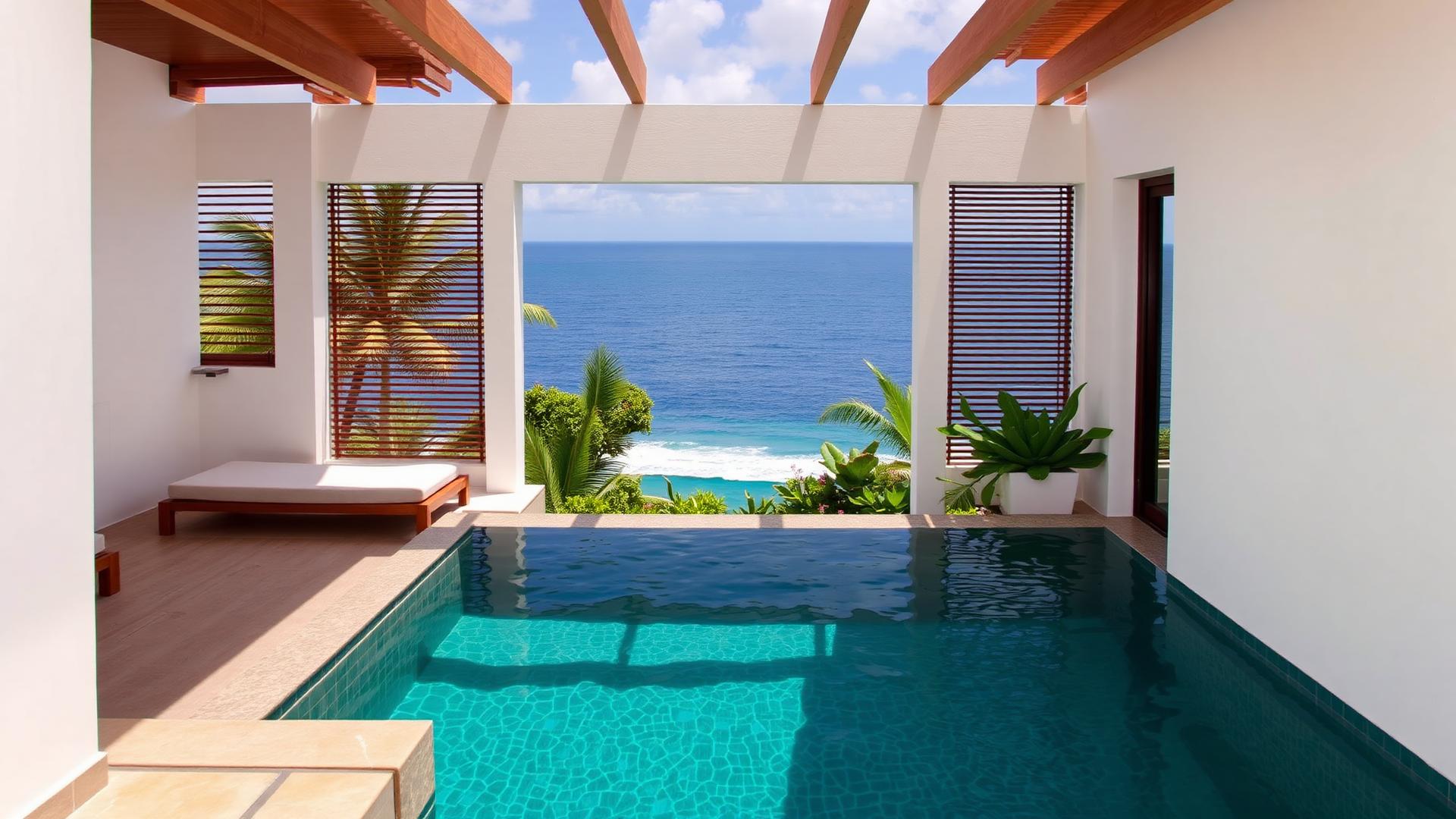
Design intention is the first marker. Boutique properties invest in interiors that feel curated rather than furnished. Every detail — from the lobby lighting to the bathroom fixtures — reflects a coherent aesthetic vision. The best boutique beach hotels integrate their natural setting into the design: floor-to-ceiling windows framing ocean views, outdoor showers surrounded by tropical gardens, and common spaces that blur the line between indoor and outdoor living.
Culinary identity separates boutique hotels from generic beach stays. Rather than operating multiple restaurants covering every cuisine imaginable, boutique properties typically focus on one or two dining concepts executed exceptionally well. Farm-to-table programs, partnerships with local fishermen, and chef-driven menus that change with the seasons create dining experiences worth seeking out, even for non-guests.
Location instinct is perhaps the most important factor. Boutique hotel developers tend to identify locations before the market catches up — tucked-away coves, emerging coastal neighborhoods, or historic properties ripe for thoughtful renovation. This pioneer instinct means boutique stays often come with discovery built in: you're not just visiting a beach, you're finding one that hasn't been loved to death by mass tourism.
Hidden Gems Worth Discovering
The Gulf Coast of Florida harbors several boutique properties that fly under the radar. Along the Destin and 30A corridor, small inns and design-forward rentals offer Emerald Coast beauty without the high-rise condo experience. The key is looking beyond the obvious — properties set back from the main beach strip often deliver more character and better value than their oceanfront counterparts.
The Caribbean remains the richest hunting ground for boutique beach hotels. Islands like Curaçao, Dominica, and the Grenadines harbor intimate properties where the guest count on any given night might be in the single digits. These aren't stripped-down budget stays — they're intentionally small, offering world-class dining, curated experiences, and the kind of privacy that larger resorts simply cannot provide.
Mexico's Pacific coast, particularly the stretch between Sayulita and Punta Mita, has emerged as a boutique hotel hotbed. Properties here blend Mexican architectural traditions — terracotta, open-air design, hand-painted tiles — with contemporary comfort. The surfing culture of the region adds an easygoing energy that permeates these hotels, creating an atmosphere that's simultaneously luxurious and barefoot casual.
Best Time to Book Boutique Beach Hotels
Timing matters more with boutique properties because inventory is inherently limited. Popular properties in the winter beach destination category can book out months in advance for peak season (December–March). Shoulder season visits — May/June or September/October in most Northern Hemisphere destinations — offer the best combination of availability, moderate rates, and pleasant weather.
Many boutique hotels offer direct-booking incentives that you won't find on third-party platforms: complimentary upgrades, welcome amenities, or flexible cancellation policies. Building a direct relationship with a boutique property can also lead to preferential treatment on future visits — these are hotels that value loyalty over volume.
What to Look For When Choosing
Beyond the Instagram-worthy aesthetics, evaluate boutique beach hotels on practical factors that affect your daily experience. Beach access is paramount — some boutique properties trade direct beachfront for a more secluded inland setting, which may or may not suit your preferences. Check whether the hotel provides beach equipment (chairs, umbrellas, towels) or whether you're expected to fend for yourself.
Read recent reviews for mentions of maintenance and upkeep. Boutique hotels, with their smaller budgets, can sometimes struggle with the wear and tear that salt air and tropical weather inflict on properties. A beautifully designed hotel that's showing signs of deferred maintenance will disappoint.
Nearby Experiences That Complement Boutique Stays
Boutique beach hotels tend to be located near independent restaurants, local markets, and authentic cultural experiences rather than tourist zones. This is by design — the boutique ethos extends beyond the property itself into the surrounding community. Ask your hotel about local experiences: cooking classes with nearby chefs, guided snorkeling with marine biologists, or sunset sailing on traditional boats. These sustainable travel experiences often represent the most memorable parts of a boutique beach stay.
Local Tips
When evaluating boutique beach hotels, look beyond the standard review platforms. Follow the property on social media to see how they present daily life — the unscripted moments often reveal more about the atmosphere than professional photography. Reach out directly with questions before booking; the quality and thoughtfulness of their response tells you a lot about the service you'll receive.
Consider a budget-conscious approach to boutique stays: many properties offer significantly lower rates for midweek arrivals or minimum-stay bookings. Some operate "soft opening" rates when launching new room categories or renovated spaces. Joining a boutique hotel's mailing list is the best way to catch these opportunities before they're publicly advertised.
The boutique beach hotel movement represents a welcome correction in the hospitality industry — a return to the idea that where you stay should be as memorable as where you go. In a world of standardized luxury, these hidden gems remind us that the best travel experiences are often the ones that feel personal, intentional, and impossible to replicate anywhere else.