Sustainable Beach Travel: How to Minimize Your Environmental Impact
Discover how to enjoy beach destinations responsibly while protecting marine ecosystems, reducing waste, and supporting local communities. Your guide to eco-conscious coastal travel.
By BeachLoco Editorial Team
The world's most beautiful places are also among its most fragile. As beach tourism grows — now accounting for over 80% of all international tourism revenue — the pressure on coastal ecosystems has reached a tipping point. But sustainable beach travel isn't about guilt or sacrifice. It's about making informed choices that protect the destinations you love while often improving your own travel experience in the process. Quieter beaches, local cuisine, authentic encounters — sustainability and quality travel align more often than you'd expect.
Why Sustainable Beach Travel Matters Now
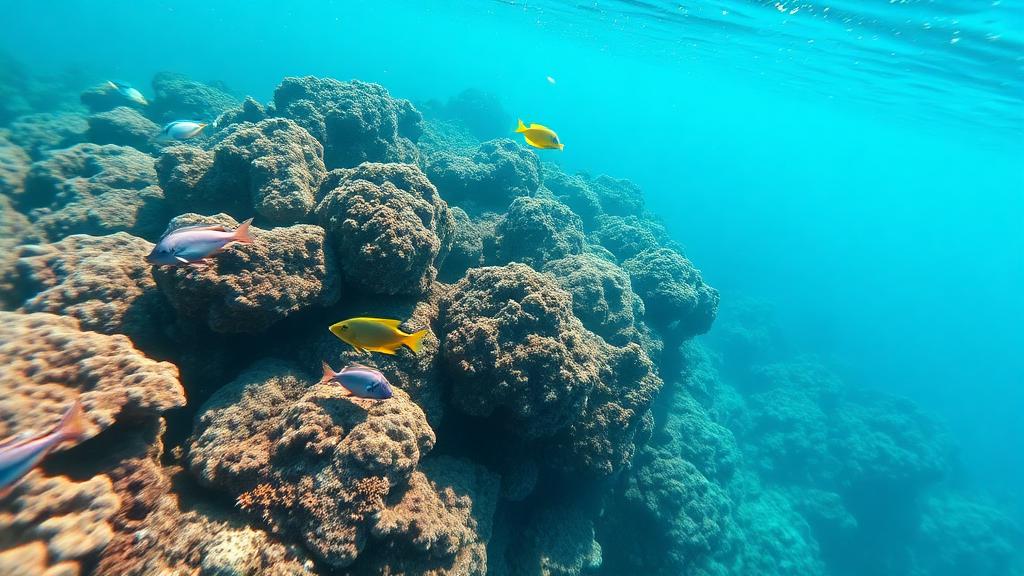
Coastal ecosystems face compounding pressures from climate change, overdevelopment, and the sheer volume of visitors. Coral reefs — which support 25% of all marine species — have declined by 50% over the past three decades. Beach erosion, marine pollution, and habitat destruction threaten the very attractions that draw millions of visitors annually. The choices individual travelers make — from sunscreen selection to accommodation booking — collectively shape whether these destinations survive for future generations.
The encouraging reality is that sustainable travel practices are becoming easier, more accessible, and more mainstream every year. Destinations, hotels, and tour operators increasingly recognize that environmental stewardship isn't just ethical — it's good business. Travelers who seek sustainable options often discover that these choices lead to richer, more authentic experiences than conventional tourism alternatives.
Reef-Safe Sunscreen: The Easiest Win
Switching to reef-safe sunscreen is the single most impactful change most beach travelers can make. Conventional sunscreens containing oxybenzone and octinoxate cause coral bleaching, damage marine DNA, and disrupt the reproductive cycles of fish and shellfish. An estimated 14,000 tons of sunscreen wash into the ocean annually, with concentrated impacts at popular snorkeling and beach destinations.
Look for mineral-based sunscreens using zinc oxide or titanium dioxide as active ingredients. These sit on top of the skin rather than being absorbed, and they physically block UV rays rather than chemically converting them. Many destinations — including Hawaii, Palau, Key West, and the U.S. Virgin Islands — have banned chemical sunscreens entirely, so packing reef-safe products also keeps you legal.
Better yet, reduce sunscreen dependence through physical sun protection: rash guards, wide-brimmed hats, and UV-protective clothing eliminate the need for sunscreen on covered areas while providing superior protection. A long-sleeve rash guard for snorkeling protects your back and arms more reliably than any sunscreen application.
Choosing Sustainable Accommodations
Where you stay has an outsized impact on your environmental footprint. Large-scale beachfront resorts often involve significant habitat destruction during construction, consume enormous amounts of water and energy, and generate substantial waste. Smaller, locally-owned properties — particularly those with documented environmental practices — typically operate with lighter footprints and channel more revenue into the local economy.
Look for certifications like Green Key, LEED, or local environmental awards when evaluating accommodations. Properties that invest in solar energy, rainwater harvesting, waste reduction, and native landscaping demonstrate genuine commitment rather than marketing-level "greenwashing." Ask specific questions: Where does the hotel source its food? What happens to its waste? Does it support local conservation initiatives? The answers reveal priorities quickly.
Boutique beach hotels often lead in sustainability because their smaller scale makes environmental practices more manageable and their brand identity benefits from genuine eco-credentials. Many boutique properties have built their entire value proposition around environmental stewardship and community integration.
Marine Life Encounters: Do It Right
Wildlife tourism — swimming with sea turtles, dolphin encounters, whale watching, reef snorkeling — is one of beach travel's greatest draws. Done responsibly, these experiences create powerful connections between travelers and the natural world, generating both economic incentives for conservation and personal motivation to support environmental causes.
The key principles are simple: observe without disturbing, maintain respectful distances, never touch or feed wild animals, and choose tour operators who prioritize animal welfare over entertainment value. Avoid captive dolphin swim programs, ride-the-turtle experiences, and any encounter that requires animals to perform unnatural behaviors. Instead, seek out operators who work within animals' natural behaviors and habitats.
For snorkeling and diving, proper buoyancy control prevents coral damage. Never stand on, touch, or break coral — a single fin kick can destroy decades of growth. Drift with the current rather than fighting it, and be aware of your fin wash in shallow reef areas.
Reducing Plastic on the Beach

Marine plastic pollution is one of the most visible environmental crises affecting beach destinations worldwide. An estimated 8 million tons of plastic enter the ocean annually, much of it from coastal tourism activities. Individual travelers can meaningfully reduce this flow through simple equipment choices.
Pack a reusable water bottle (many destinations now offer filtered water refill stations), bring your own reusable bags for shopping and beach supplies, decline plastic straws and single-use cutlery, and choose accommodations that have eliminated single-use plastics from their operations. These aren't sacrifices — they're habits that become automatic after a single trip.
Participate in beach cleanups when you encounter them, or simply pick up trash you find during beach walks. The impact is both environmental and social — other beachgoers notice, and the behavior is quietly contagious.
Supporting Local Economies
Sustainable travel isn't only about environmental impact — economic sustainability matters too. Directing your spending toward locally-owned businesses ensures that tourism revenue stays in the community rather than flowing to international corporations. Eat at local restaurants, shop at local markets, hire local guides, and stay at locally-owned accommodations when possible.
This approach also improves your travel experience. Local restaurants serve authentic cuisine using fresh, locally-sourced ingredients. Local guides share genuine knowledge and personal connections to the landscape. Local shops offer unique, handmade items rather than mass-produced souvenirs. When you travel sustainably, you often travel better.
Transportation Choices
Air travel is typically the largest single contributor to a beach trip's carbon footprint. While avoiding flights entirely isn't practical for many beach destinations, you can offset some impact by choosing direct flights (takeoff and landing consume the most fuel), flying economy (more passengers per flight means lower per-person emissions), and considering closer beach destinations that reduce flight distance.
At your destination, minimize driving by choosing walkable accommodations, using public transportation where available, and renting bicycles for local exploration. Many beach towns — particularly in the Caribbean and Southeast Asia — are compact enough to navigate entirely on foot or by bike.

Local Tips for Sustainable Beach Travel
Research your destination's specific environmental challenges before you go. Some beaches face erosion problems that are worsened by visitors removing shells or sand. Others struggle with freshwater shortages that hotel overuse exacerbates. Understanding the local context helps you make informed choices that address the most pressing issues.
Follow the beach safety guidelines that also serve conservation: stay off dunes and marked nesting areas, observe posted wildlife protection zones, and respect seasonal closures designed to protect breeding animals. These rules exist because they work — the recovery of sea turtle populations at protected beaches demonstrates the impact of simple behavioral changes.
Sustainable beach travel ultimately comes down to a simple principle: leave every beach better than you found it. That might mean picking up someone else's trash, choosing reef-safe products, supporting a local business, or simply appreciating the natural beauty with the awareness that it requires active protection. The beaches that take your breath away today can do the same for your grandchildren — but only if today's travelers choose to protect them.