Best Scuba Diving Beaches in Egypt (Red Sea) — Visibility & Reef Walls
Experience the Red Sea's legendary visibility, dramatic wall dives, WWII wrecks, and vibrant coral gardens.
By BeachLoco Editorial
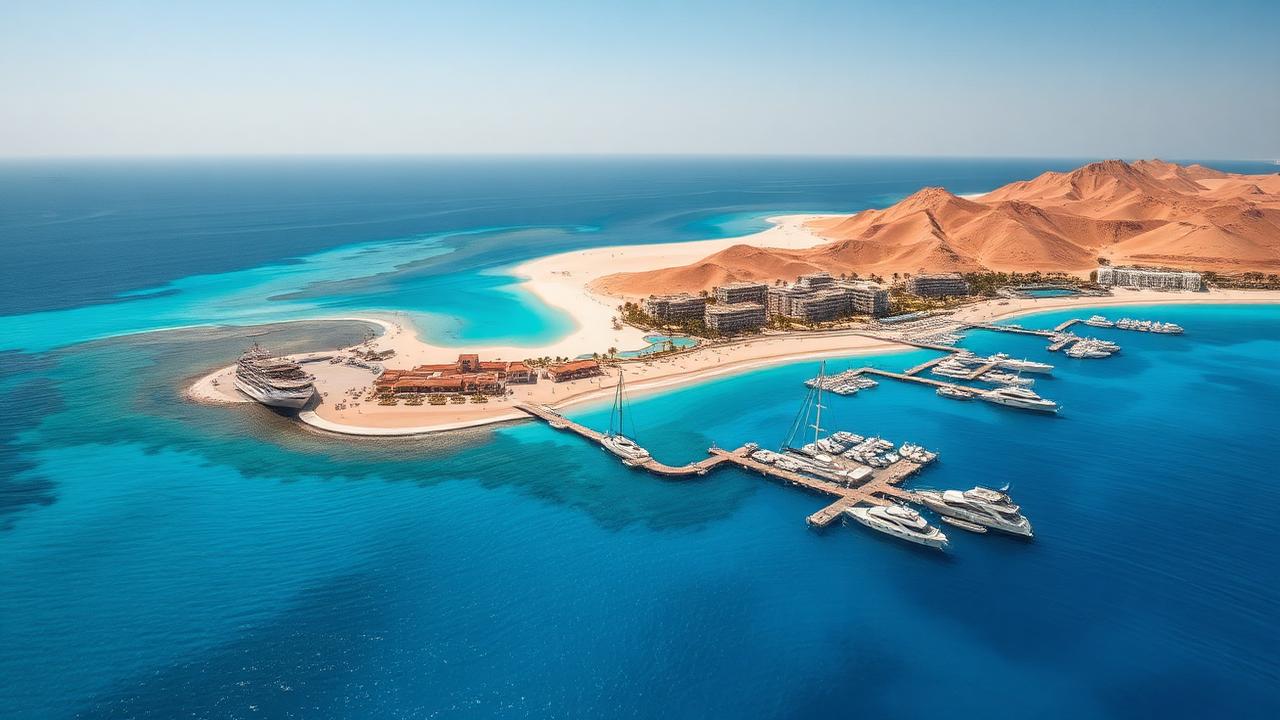
Egypt's Red Sea coastline is one of the world's most celebrated scuba diving destinations. The combination of warm, crystal-clear waters, vibrant coral reefs, and fascinating wreck sites makes this a must-visit for any serious diver. From the resort towns of Sharm El Sheikh and Hurghada to the more remote reaches of the southern Red Sea, Egypt offers diving experiences that range from beginner-friendly shore dives to world-class technical explorations.
The Red Sea is a geological wonder, a narrow body of water separating Africa from the Arabian Peninsula. Its unique geography creates conditions that are ideal for coral growth, with warm temperatures, high salinity, and minimal river runoff resulting in some of the clearest water on the planet. Visibility regularly exceeds 30 meters, and the reefs here are among the healthiest and most colorful in the world.
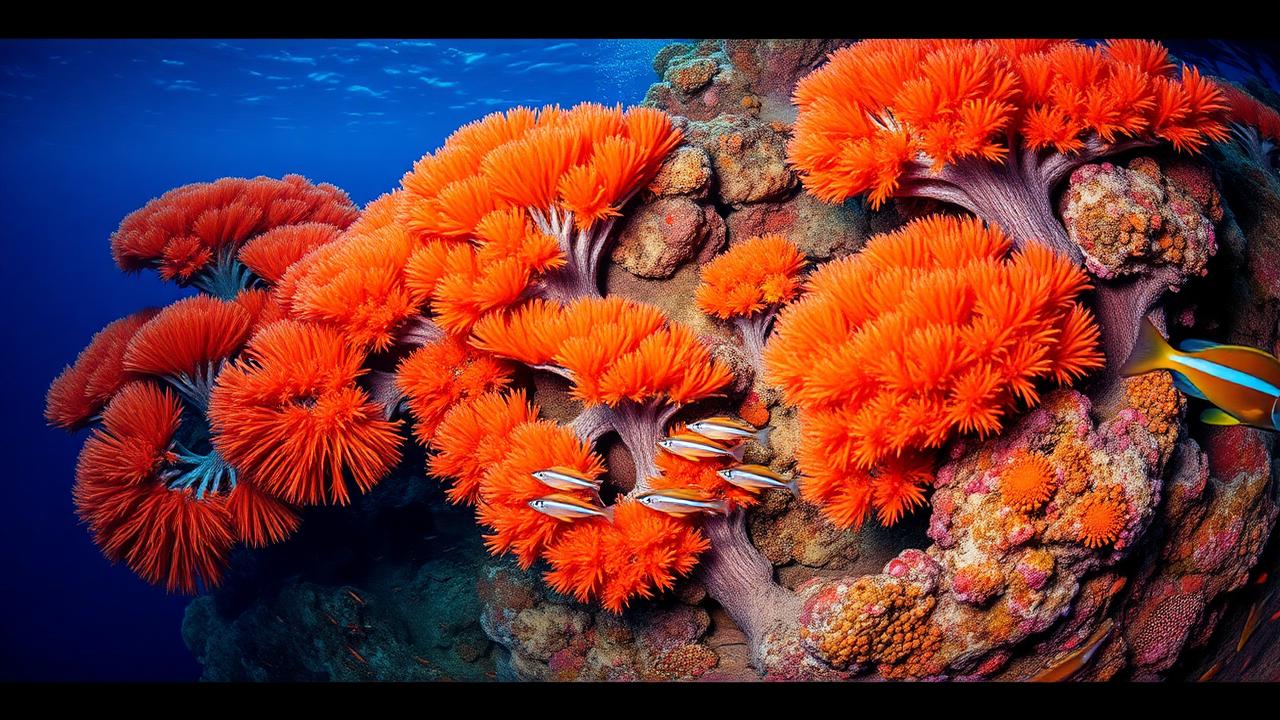
Ras Mohammed National Park
Ras Mohammed, located at the southern tip of the Sinai Peninsula, is Egypt's premier marine park and home to some of the best diving in the Red Sea. The park's famous sites include Shark Reef and Yolanda Reef, where vertical walls drop into deep blue water and pelagic fish patrol the currents. The Yolanda wreck, a cargo ship that sank in 1980, still has its cargo of bathroom fixtures scattered across the reef, creating a surreal underwater scene.
The currents at Ras Mohammed can be strong, bringing nutrient-rich water that attracts large schools of fish, barracuda, and occasional shark sightings. The coral here is in excellent condition, with massive table corals, colorful soft corals, and dense gardens of hard coral creating an underwater landscape of extraordinary beauty and biodiversity.
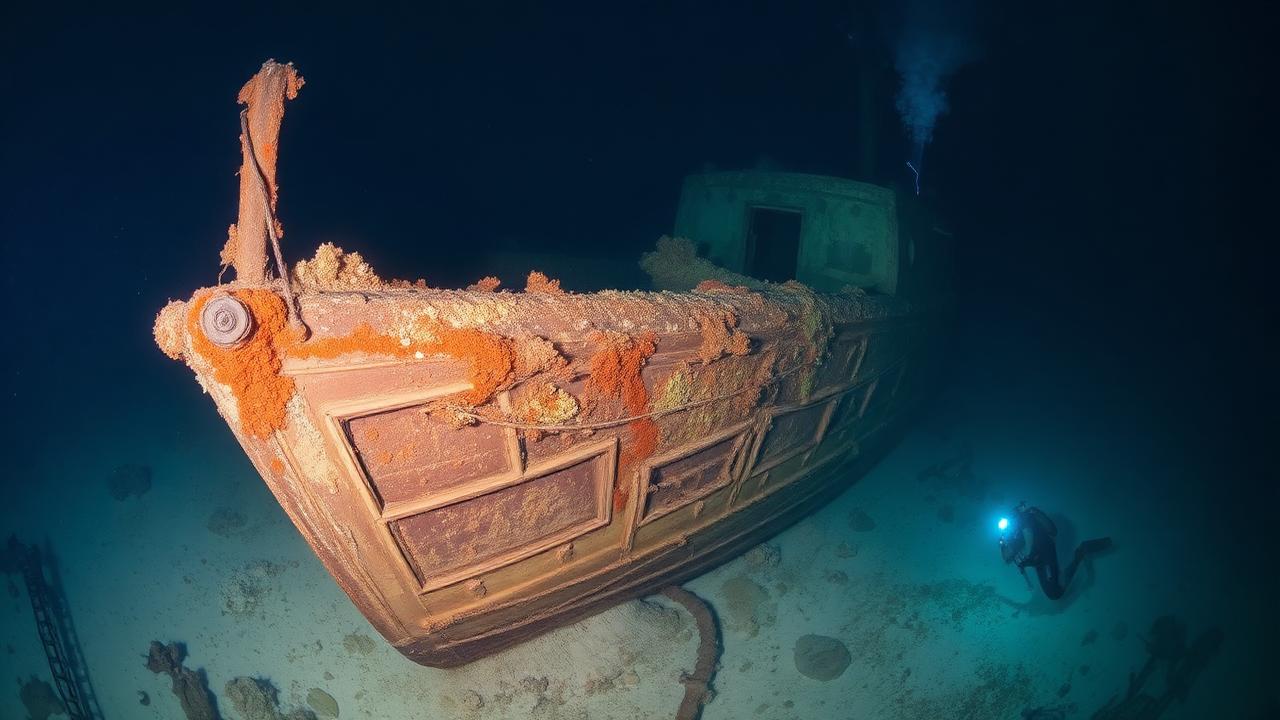
The Thistlegorm: World's Greatest Wreck Dive
The SS Thistlegorm is consistently rated as the best wreck dive in the world. This British cargo ship was sunk by German bombers in 1941 while carrying supplies for the Allied forces in North Africa. The wreck lies in 30 meters of water in the Strait of Gubal and is remarkably well preserved, with its cargo of motorcycles, trucks, locomotives, and military equipment still clearly visible.
Exploring the Thistlegorm is like diving into a time capsule of World War II history. The holds are filled with BSA motorcycles, Bedford trucks, and ammunition. The deck is home to anti-aircraft guns and a locomotive tender. Marine life has thoroughly colonized the wreck, with massive groupers, schools of batfish, and clouds of glassfish inhabiting every nook and cranny. A dive on the Thistlegorm is an unforgettable combination of history and marine biology.
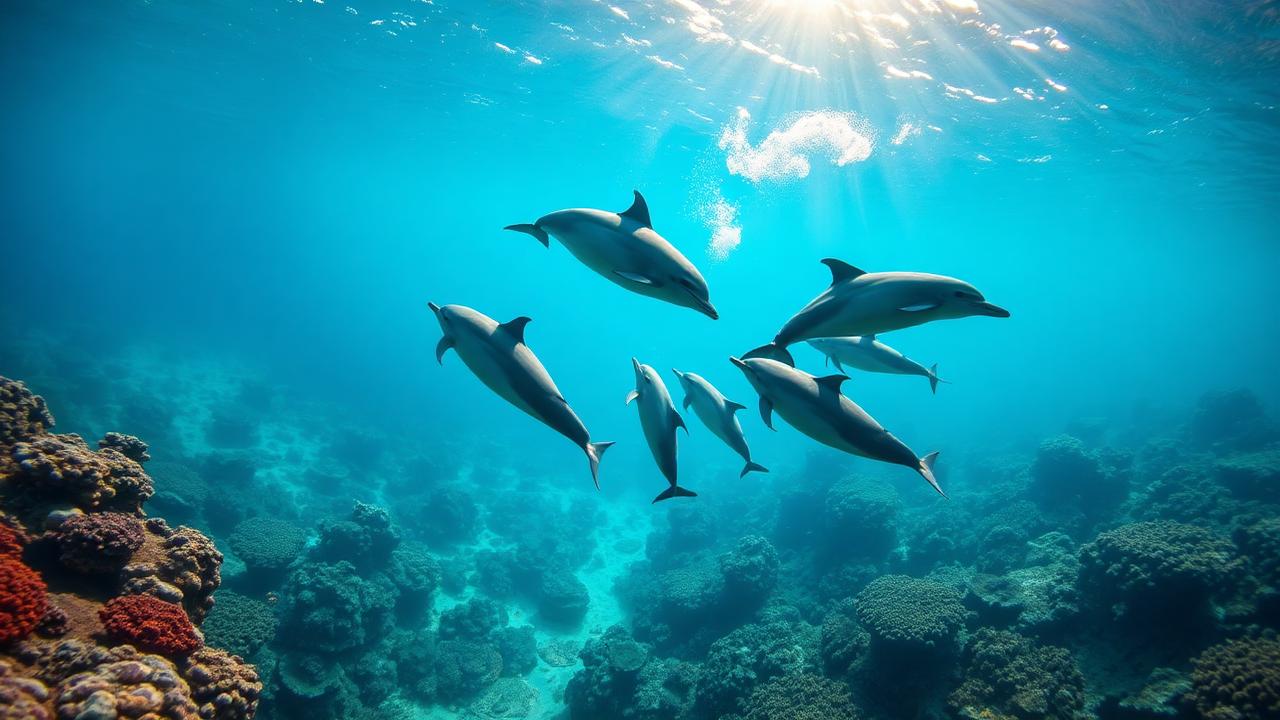
Dolphins, Sharks, and Marine Giants
The Red Sea is home to an impressive array of marine life. Spinner dolphins are regularly encountered at Sha'ab Samadai, known as Dolphin House, near Marsa Alam. Oceanic whitetip sharks, once common throughout the Red Sea, can still be encountered at the Brothers Islands and Elphinstone Reef. Hammerhead sharks school at deeper sites, and whale sharks occasionally visit the northern Red Sea during summer months.
The reef fish diversity is equally impressive. The Red Sea has a high rate of endemic species, meaning many fish found here are found nowhere else on Earth. The Red Sea raccoon butterflyfish, the Red Sea bannerfish, and the spectacular Red Sea clownfish are just a few examples of the unique marine life that makes diving here so special.
Dahab and the Blue Hole
Dahab, a laid-back town on the eastern coast of the Sinai Peninsula, offers a completely different diving experience from the resort towns of Sharm El Sheikh. The diving here is largely shore-based, with sites accessible by camel, jeep, or on foot. The famous Blue Hole, a circular sinkhole dropping to over 100 meters, is one of the most iconic dive sites in the world and attracts both recreational divers exploring its shallow rim and technical divers attempting its legendary arch at 56 meters.
Planning Your Red Sea Dive Trip
Egypt's Red Sea is diveable year-round, with water temperatures ranging from 21°C in winter to 30°C in summer. The best conditions for diving are generally from March to May and September to November, when water temperatures are comfortable and visibility is at its best. Liveaboard trips offer the best access to remote sites like the Brothers Islands and Daedalus Reef, while shore-based diving from Sharm El Sheikh, Hurghada, and Dahab provides excellent reef diving with minimal boat travel.
Marine Life & Ecosystems
- Sharks: Grey reef, whitetip reef, oceanic whitetip (Brothers), hammerhead (seasonal), whale shark (rare)
- Iconic species: Napoleon wrasse, dugong (Marsa Alam), spinner dolphins, giant moray eels
- Coral diversity: Over 200 species of soft and hard coral, with Red Sea endemics found nowhere else
- Wreck ecosystems: Thistlegorm, Rosalie Moller, Dunraven — each hosting unique artificial reef communities
- Endemic species: Red Sea bannerfish, Red Sea anemonefish, sohal surgeonfish — approximately 17% of Red Sea species are found nowhere else
Best Time to Dive
| Region | Best Months | Highlights |
|---|---|---|
| Ras Mohammed | Year-round | Best visibility Sep–Nov |
| SS Thistlegorm | Mar–Nov | Calmer seas, better visibility |
| Brothers Islands | Oct–Dec | Hammerheads, oceanic whitetips |
| Dahab | Year-round | Warmest Jun–Sep, calmest Mar–May |
| Marsa Alam | Year-round | Dugongs year-round, dolphins year-round |
Diving Conditions
Currents: Ras Mohammed and Thistlegorm experience moderate currents — manageable for Open Water divers with guide assistance. Brothers Islands can have strong currents requiring advanced skills and SMB deployment. Dahab shore sites are predominantly calm.
Depth: Red Sea walls offer unlimited depth potential. Recreational diving focuses on 5–30 meters where coral density and light penetration are optimal. Thistlegorm's key features sit at 16–30 meters. The Blue Hole's arch at 56 meters is strictly technical diving territory.
Certifications: Open Water sufficient for Dahab shore dives, Ras Mohammed day trips, and Thistlegorm exteriors. Advanced Open Water required for Brothers liveaboards and deeper wreck penetration. Nitrox highly recommended for multi-dive days.
Beginner vs Advanced Breakdown
Beginners: Dahab's shore-entry sites, Sharm's house reefs, and guided Ras Mohammed day trips provide gentle introductions to Red Sea diving with spectacular visibility and abundant marine life.
Advanced: Brothers Islands liveaboards, Thistlegorm penetration dives, and Elphinstone Reef shark dives deliver adrenaline-fueled experiences that have cemented the Red Sea's reputation among experienced divers worldwide.
Safety & Certification Tips
- The Red Sea has excellent hyperbaric facilities in Sharm el-Sheikh, Hurghada, and Marsa Alam
- Always carry a surface marker buoy — currents at exposed sites like Brothers Islands can carry divers away from the reef
- The Blue Hole at Dahab is beautiful but has claimed lives — never attempt the arch without proper technical training and equipment
- Red Sea dive operations range widely in quality — choose centers affiliated with recognized agencies (PADI, SSI, BSAC) with verifiable safety records
Local Dive Culture
Egypt's dive culture is deeply international — Sharm el-Sheikh and Hurghada host dive centers representing virtually every nationality and language. The Egyptian diving community has grown significantly, with increasing numbers of Egyptian divemasters and instructors. Liveaboard culture is central to the Red Sea experience, with vessels ranging from budget $80/night to luxury $300/night including 3–4 dives daily. The après-dive scene in Sharm and Dahab is vibrant, with beachside restaurants and shisha lounges serving as natural gathering points.
How to Get There
Direct international flights serve Sharm el-Sheikh (SSH) and Hurghada (HRG) from major European cities. Marsa Alam (RMF) receives seasonal flights. Cairo (CAI) connects to all Red Sea destinations via domestic flights or bus service. Budget airlines from Europe offer remarkably affordable fares, particularly in shoulder seasons.
Frequently Asked Questions
Is it safe to dive in Egypt?
Red Sea dive tourism is well-established and generally safe. Dive centers in Sharm, Hurghada, and Dahab operate to international standards. Government stability has improved significantly in recent years, and tourist areas are well-secured. Always check current travel advisories before booking.
What wetsuit thickness do I need?
A 3mm wetsuit is sufficient from June through October (water temps 26–28°C). A 5mm is recommended from November through March when temperatures drop to 22–24°C. Liveaboard divers doing 3–4 dives daily may prefer 5mm year-round for thermal comfort on later dives.
Can I see hammerhead sharks in the Red Sea?
Yes — Brothers Islands and Daedalus Reef offer the best hammerhead encounters, typically from October through December at depths of 25–40 meters. These are liveaboard-only destinations requiring Advanced Open Water certification. Sightings are weather and current dependent but occur on approximately 60–70% of trips during peak season.
Book Your Beach Getaway
Find the best deals on flights, hotels, and car rentals for your perfect beach vacation.