Best Scuba Diving Beaches in the Philippines — Coral Reefs & Wreck Diving
From Tubbataha's pristine atolls to Coron's WWII Japanese wrecks, discover why the Philippines ranks among the world's top dive destinations.
By BeachLoco Editorial
The Philippines is one of the most exciting scuba diving destinations in Southeast Asia, offering an incredible combination of biodiversity, dramatic underwater landscapes, and warm hospitality. With over 7,600 islands scattered across the western Pacific, this archipelago sits within the Coral Triangle and boasts some of the richest marine ecosystems on the planet. From thresher sharks at dawn to sardine tornados at sunset, the Philippines delivers diving experiences that are both diverse and unforgettable.
What makes the Philippines special for divers is the sheer variety of experiences available within a relatively compact area. You can dive with whale sharks in the morning, explore a World War II wreck in the afternoon, and photograph nudibranchs on a night dive. The country's warm, friendly culture and affordable prices make it particularly appealing for extended dive trips, and the growing network of dive resorts and liveaboard operations ensures comfortable exploration of even remote areas.
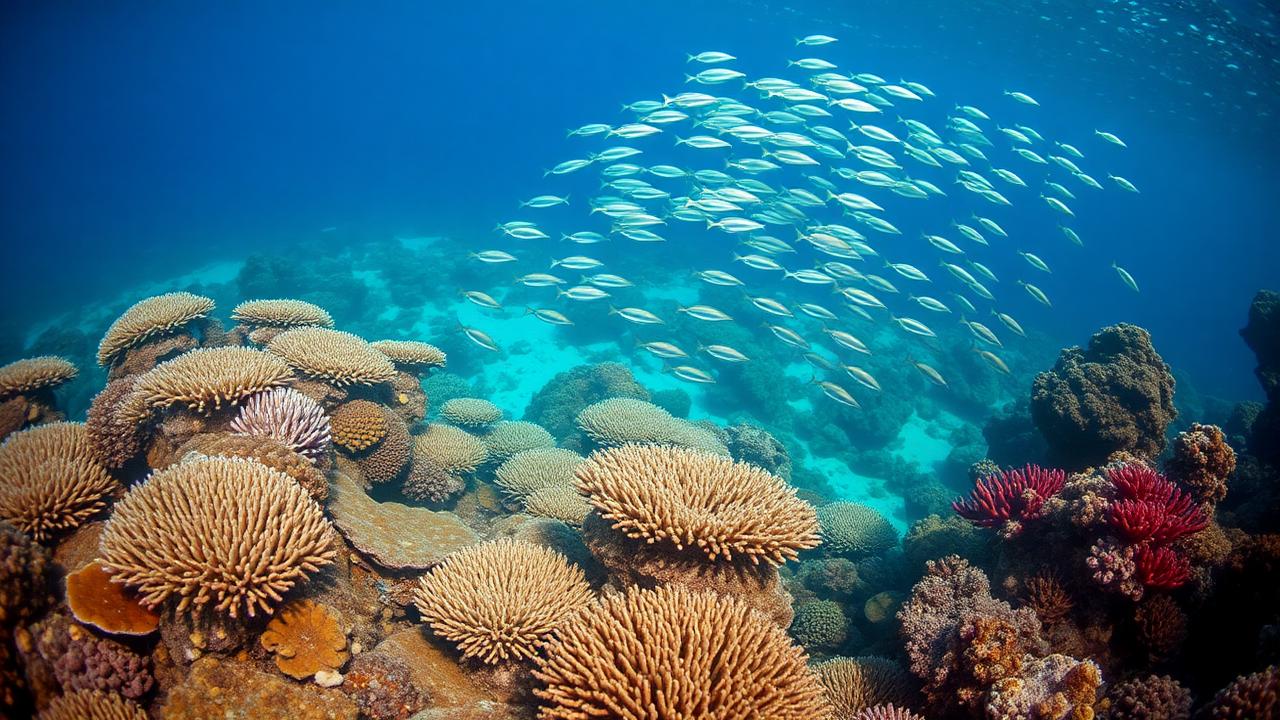
Tubbataha Reefs Natural Park
Tubbataha Reefs Natural Park, located in the Sulu Sea, is the Philippines' premier diving destination and a UNESCO World Heritage Site. This remote atoll is only accessible by liveaboard during a limited season from mid-March to mid-June, but those who make the journey are rewarded with some of the most pristine diving in Southeast Asia.
The reefs at Tubbataha are in remarkably good condition, thanks to strict protection and limited access. Massive schools of jacks, barracuda, and tuna patrol the walls, while reef sharks cruise the drop-offs. The coral coverage is dense and diverse, with enormous table corals, delicate staghorn formations, and colorful soft corals creating an underwater landscape of breathtaking beauty. Tubbataha is consistently rated among the top ten dive sites in the world.
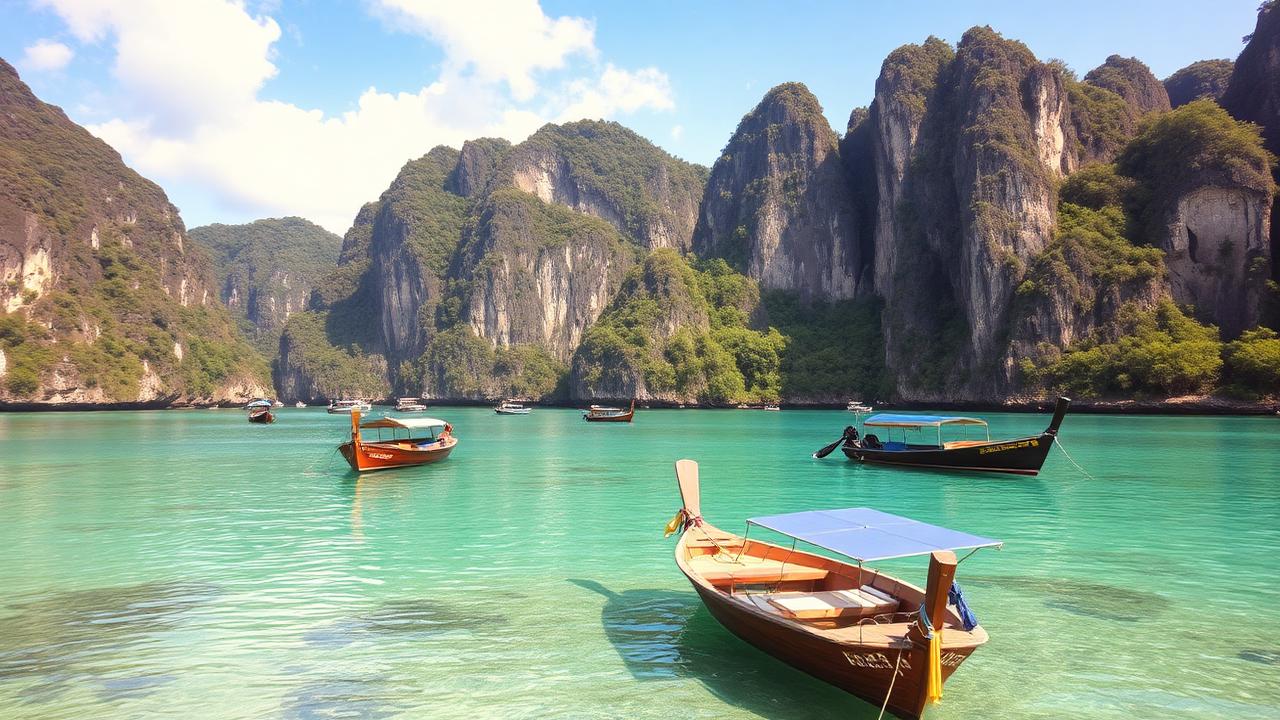
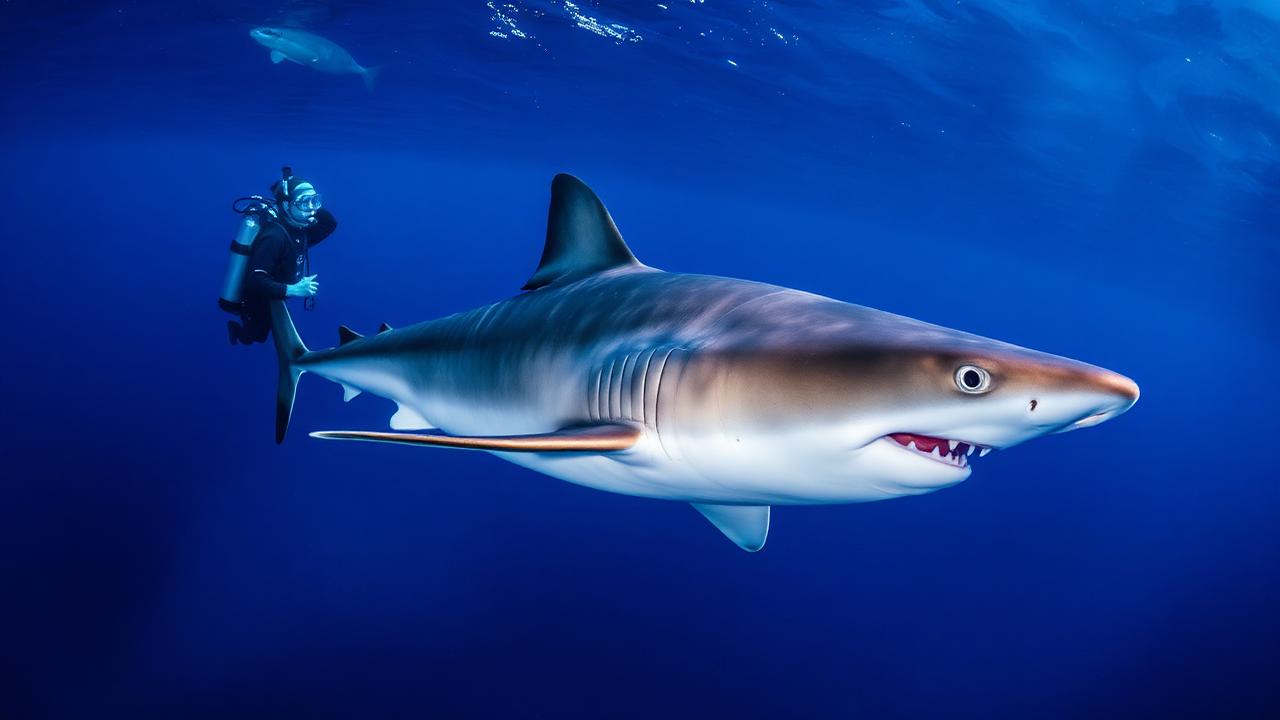
Malapascua: Thresher Sharks at Dawn
The tiny island of Malapascua, off the northern tip of Cebu, is famous for one thing above all else: daily encounters with pelagic thresher sharks. These elegant sharks, with their extraordinarily long tail fins, visit a seamount called Monad Shoal each morning to be cleaned by small wrasses. Nowhere else in the world offers such reliable sightings of these magnificent creatures.
Beyond thresher sharks, Malapascua offers excellent diving over a variety of marine habitats. The sandy slopes around the island are home to mandarin fish, which perform their elaborate mating dance each evening at dusk. Night dives on the sand reveal hunting blue-ringed octopus, ornate ghost pipefish, and other macro treasures. The island itself is a charming, laid-back paradise with white sand beaches and a handful of dive resorts.
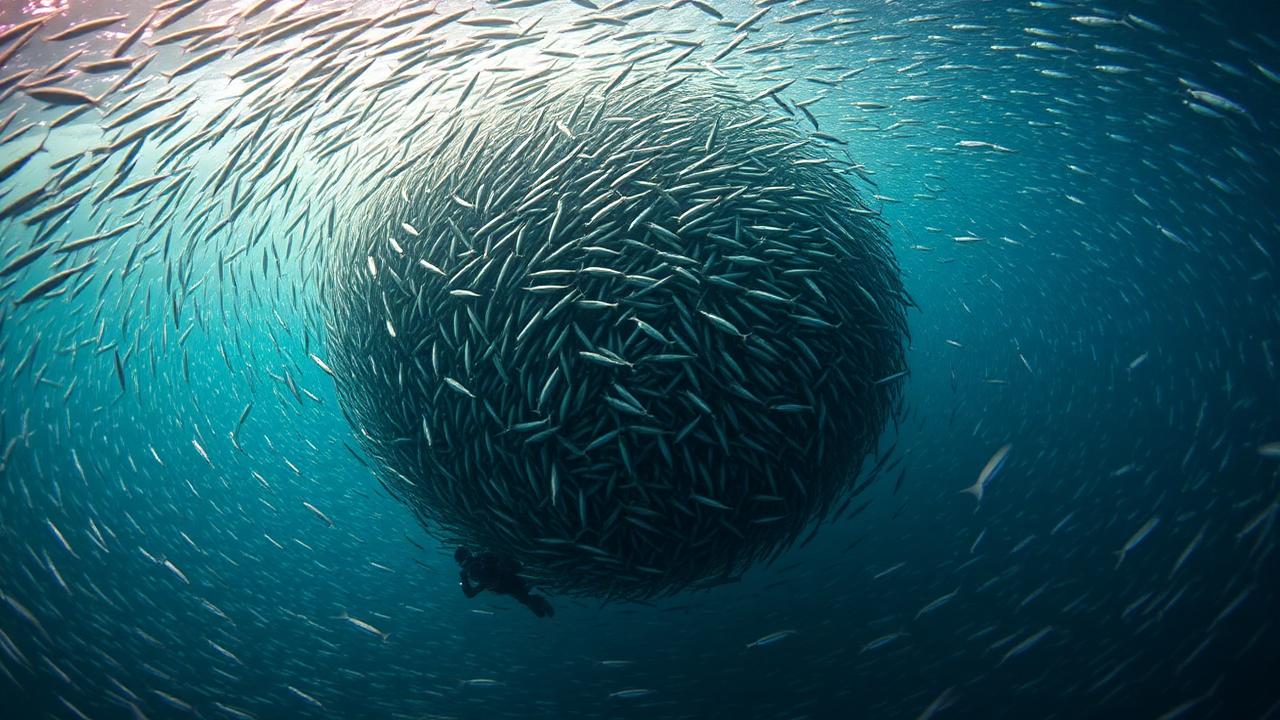
Moalboal: The Sardine Run
Moalboal, on the western coast of Cebu, is home to one of the most spectacular marine phenomena in the Philippines: the permanent sardine run. Millions of sardines form enormous, swirling bait balls just meters from the beach at Panagsama. Diving or snorkeling into this living tornado of fish is a mesmerizing experience, as the sardines move in perfect synchronization, creating shapes and patterns that seem almost choreographed.
The sardine run attracts predators, including tuna, jacks, and the occasional thresher shark, adding excitement to every dive. The nearby Pescador Island offers excellent wall diving with sea turtles, while the deeper sites around Moalboal feature caves, overhangs, and the chance to spot whale sharks during the right season. The combination of accessible shore diving and world-class marine encounters makes Moalboal one of the Philippines' most popular dive destinations.
Macro Photography Paradise
The Philippines is a macro photographer's dream destination. The nutrient-rich waters support an extraordinary diversity of small and cryptic marine creatures that are a joy to discover and photograph. Anilao, in Batangas province south of Manila, is considered the macro capital of the Philippines, with muck diving sites that rival the legendary Lembeh Strait in Indonesia.
Blue-ringed octopus, flamboyant cuttlefish, hairy frogfish, and a dazzling array of nudibranchs are regular sightings in Anilao. The area's dive operators specialize in finding these tiny treasures, and their expert guides have an almost supernatural ability to spot creatures that most divers would swim right past. For photographers, the Philippines offers endless opportunities to capture images of rare and beautiful marine life in a variety of habitats.
Planning Your Philippines Dive Trip
The Philippines offers diving year-round, though conditions vary by region. The best overall conditions are from November to May, during the dry northeast monsoon season. Tubbataha is only accessible from March to June. Water temperatures are warm year-round, ranging from 26-30°C, making a 3mm wetsuit sufficient for most diving. The Philippines has a well-developed dive tourism infrastructure, with excellent dive resorts and operators throughout the country, and English is widely spoken, making communication easy.
More Top Dive Sites in the Philippines
1. Coron Bay — WWII Japanese Wreck Diving
Best for: Wreck penetration, history, advanced diving
In September 1944, US Navy aircraft sank a fleet of Japanese supply ships in Coron Bay. Today, these wrecks — including the Irako, Akitsushima, and Okikawa Maru — sit at depths of 16–42 meters, encrusted with coral and teeming with marine life. Wreck penetration is available for advanced and technical divers, while exteriors are accessible to Open Water divers. The combination of historical significance and marine ecology makes Coron one of Asia's premier wreck diving destinations.
Marine Life & Ecosystems
- Coral diversity: 500+ species — second only to Indonesia in the Coral Triangle
- Shark encounters: Thresher sharks (Malapascua), whale sharks (Oslob/Donsol), whitetip and blacktip reef sharks throughout
- Macro life: World-class nudibranch diversity, frogfish in multiple species, pygmy seahorses
- Pelagics: Manta rays, eagle rays, barracuda schools, giant trevally
- Unique experiences: Sardine tornado (Moalboal), WWII wrecks (Coron), whale shark interactions (Donsol — ethical, wild encounters)
Best Time to Dive
| Region | Best Months | Highlights |
|---|---|---|
| Tubbataha | Mar–Jun only | Liveaboard-only access, pristine conditions |
| Coron | Nov–May | Calm seas, best wreck visibility |
| Malapascua | Year-round | Threshers daily, mantas Mar–May |
| Moalboal | Nov–May | Sardines year-round, calmest Nov–May |
| Anilao | Nov–May | Best visibility, calmest conditions |
Diving Conditions
Currents: Generally mild to moderate across most sites. Tubbataha can have strong currents on outer walls requiring drift diving skills. Moalboal and Anilao are predominantly calm with gentle conditions.
Depth: Most recreational diving at 5–30 meters. Coron wrecks extend to 42 meters (Deep Diver specialty recommended). Malapascua's Monad Shoal sits at 18–25 meters.
Certifications: Open Water sufficient for Moalboal, Anilao, and Malapascua reef dives. Advanced Open Water recommended for Coron wrecks and Tubbataha walls. Wreck Diver specialty opens penetration opportunities in Coron.
Beginner vs Advanced Breakdown
Beginners: Moalboal's shore-entry sardine run, Anilao's shallow macro sites, and Malapascua's gentle reef dives are ideal for newly certified divers. Water is warm, conditions are calm, and marine life is exceptional at shallow depths.
Advanced: Coron's wreck penetration, Tubbataha's current-swept walls, and deep shark encounters at Monad Shoal reward experienced divers with career-defining moments.
Safety & Certification Tips
- The nearest hyperbaric chambers are in Cebu City and Batangas — factor this into remote area dive planning
- Philippine dive shops are generally well-regulated, but verify PADI/SSI affiliation and ask about equipment maintenance schedules
- Carry dive insurance — DAN membership is essential for remote areas like Tubbataha
- If whale shark diving, choose Donsol (wild, ethical encounters) over Oslob (controversial feeding operation)
Local Dive Culture
Filipino dive culture is characterized by warmth, affordability, and community. Many dive operations are locally owned, and Filipino divemasters — known for their eagle-eyed critter-finding ability — are among the best in Asia. Dive resorts frequently double as community gathering spots, and the après-dive scene in places like Moalboal and Malapascua is lively and welcoming to solo travelers.
How to Get There
Manila (MNL) and Cebu (CEB) are the primary international gateways. Domestic flights via Cebu Pacific and Philippine Airlines connect to Busuanga (Coron), Puerto Princesa (Tubbataha liveaboards), and regional hubs. Moalboal and Malapascua are reached by bus and ferry from Cebu City.
Frequently Asked Questions
What certification do I need for Coron wreck diving?
Open Water Diver certification allows you to explore wreck exteriors at shallower sites. Advanced Open Water and Wreck Diver specialty certifications are recommended for deeper wrecks and any penetration diving. Most Coron dive shops offer on-site courses.
Are thresher sharks dangerous?
Thresher sharks are completely harmless to divers. They are shy, pelagic species that visit Monad Shoal for cleaning station services. Encounters happen at 18–25 meters depth, and the sharks maintain a comfortable distance. They use their elongated tails to stun prey fish — never for defense against divers.
Can I dive the Philippines on a budget?
Absolutely. The Philippines is one of the world's most affordable dive destinations. Moalboal and Anilao offer complete dive-and-stay packages under $50/day. Fun dives typically cost $25–$35 each, and PADI Open Water courses run $300–$400 — roughly half the price of many Caribbean or Asian destinations.
Book Your Beach Getaway
Find the best deals on flights, hotels, and car rentals for your perfect beach vacation.