Complete Snorkeling & Diving Packing Checklist
Essential gear guide for underwater adventures. From masks and fins to underwater cameras, ensure you have everything needed for incredible snorkeling and diving experiences.
By BeachLoco Editorial Team
Whether you're heading to a tropical reef for your first snorkeling adventure or gearing up for a deep-water diving expedition, having the right equipment can make the difference between an incredible underwater experience and a frustrating one. This comprehensive packing checklist covers everything from essential gear to easily-forgotten accessories, organized by priority so you can pack confidently for any snorkeling or diving trip.
Why a Dedicated Packing List Matters
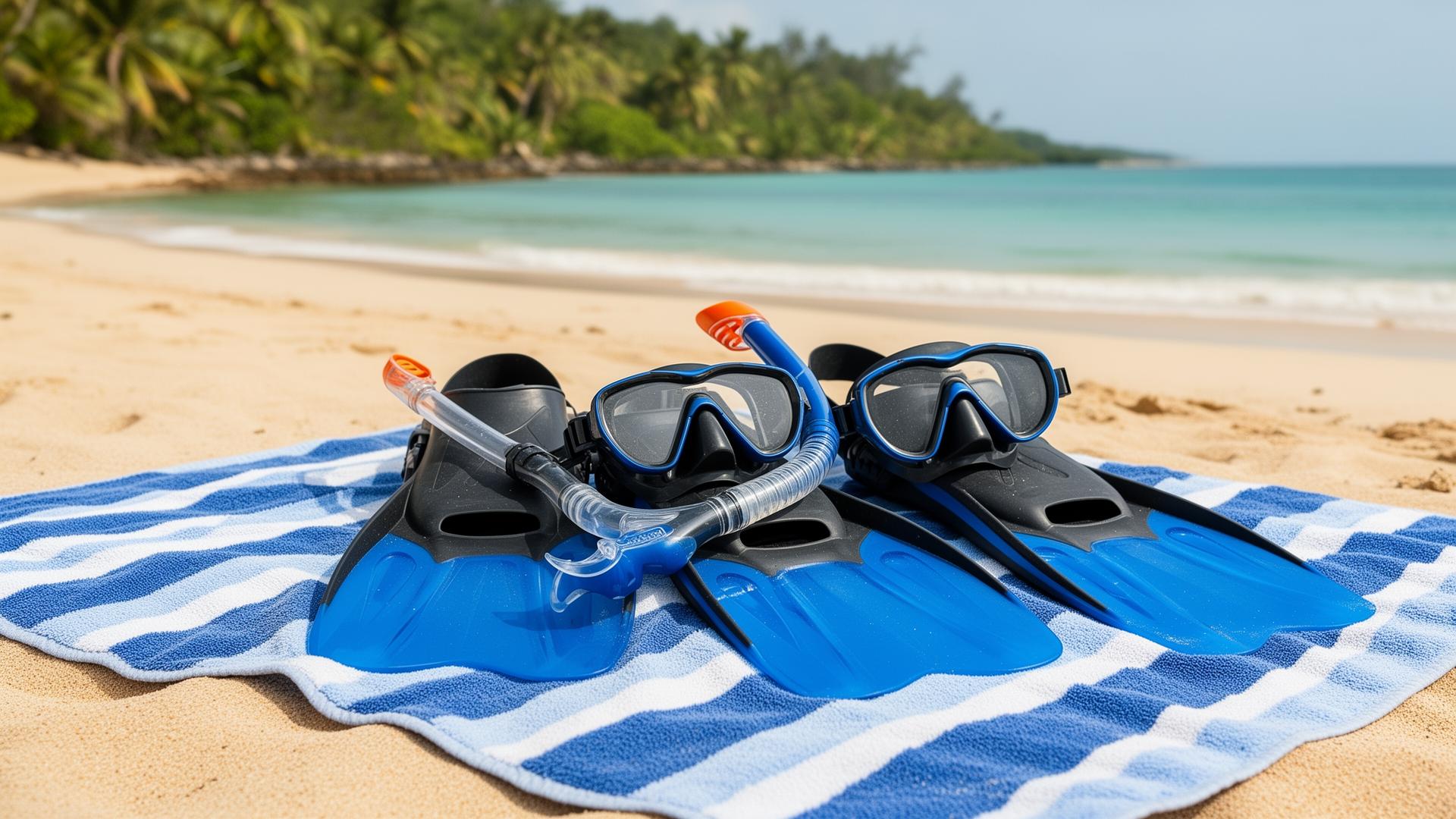
Snorkeling and diving trips often take you to remote locations where replacing forgotten equipment isn't an option — or where rental gear quality varies dramatically. Your own well-fitting mask makes a bigger difference than any other single piece of equipment: a leaking rental mask can turn a world-class reef into an exercise in frustration. This list is built from the collective experience of thousands of dive trips and covers the items that experienced snorkelers and divers consistently identify as essential.
The checklist is organized into tiers: absolute essentials that you cannot dive without, important items that significantly improve your experience, and bonus items that elevate a good trip to a great one. Whether you're snorkeling Caribbean reefs or exploring Florida's springs, this list has you covered.
Essential Snorkeling Gear
Mask: The single most important piece of equipment. Invest in a quality silicone-skirted mask that fits your face without pressing against your nose or forehead. Test the seal by placing the mask against your face without the strap and inhaling gently through your nose — it should stay in place. Tempered glass lenses are mandatory for durability and safety. Consider a low-volume mask for easier clearing and a wider field of view.
Snorkel: A dry-top or semi-dry snorkel prevents water entry when waves wash over the top — a significant comfort upgrade over basic open-tube models. A purge valve at the bottom makes clearing water effortless. Avoid overly long or wide-bore snorkels, which increase dead air space and make breathing harder.
Fins: Full-foot fins for warm-water snorkeling, open-heel fins with booties for cooler water or rocky entries. Fins should be snug but not tight — a too-loose fin will blister your feet and a too-tight fin will cramp. Short-blade fins offer more maneuverability; long-blade fins provide more propulsion with less effort. For travel, consider compact split fins that pack flat.
Reef-safe sunscreen: Non-negotiable. Sunscreens containing oxybenzone and octinoxate damage coral reefs — many marine parks now prohibit them. Look for mineral-based formulas using zinc oxide or titanium dioxide. Apply 30 minutes before entering the water and reapply after extended sessions. Your back and the backs of your legs are the areas most people miss and most often burn.
Rash guard or UV shirt: A rash guard provides better sun protection than any sunscreen and eliminates the reef-damaging chemical issue entirely. Long-sleeve options protect arms from both sun and jellyfish contact. Choose a snug fit to reduce drag in the water.
Essential Diving Gear (Beyond Snorkeling Basics)
Regulator: Your life-support system. If you own your own, have it serviced annually by a certified technician. If renting, test it thoroughly before descending — breathe from it on the surface and check for free-flow or unusual resistance. Carry your own mouthpiece if you prefer hygiene control when using rental gear.
BCD (Buoyancy Control Device): Proper fit is essential for comfortable diving. Your BCD should allow full lung expansion without restriction and hold enough air to float you at the surface with an empty tank. Travel BCDs offer lighter weight and compact packing but sacrifice some durability.
Dive computer: Modern diving relies on dive computers for depth, time, and decompression tracking. Even if your dive operator provides one, having your own ensures consistent data across all your dives and allows you to review your dive profiles afterward. Wrist-mounted computers double as watches during surface intervals.
Wetsuit or exposure suit: Even in warm Caribbean water (78–84°F), a thin wetsuit (2–3mm) provides thermal protection during longer dives and guards against scrapes and stings. For Florida snorkeling and diving, a 3mm suit works year-round in the Keys, while cooler-season diving in northern Florida may warrant 5mm.
Important Accessories
Defog solution: A small bottle of mask defog prevents the constant fogging that plagues new and rental masks. Baby shampoo works as an inexpensive alternative. Apply before every session.
Waterproof bag/dry bag: Protects phones, wallets, car keys, and towels from spray and splashes on boat trips. A 10-liter dry bag handles personal essentials; a 20-liter bag accommodates a change of clothes.
Underwater camera: From GoPros to dedicated underwater cameras, capturing your underwater experiences has never been more accessible or affordable. Even budget action cameras produce impressive results in clear Caribbean water. Bring extra batteries — cold water drains batteries faster than you expect.
Mesh gear bag: Allows equipment to dry during transport and prevents mildew. A mesh bag also serves as a convenient carry-all for beach-to-water transitions.
Dive light: Essential for night diving, but useful on any dive for illuminating crevices, restoring colors at depth, and signaling your buddy. Compact LED lights pack easily and last for dozens of dives on a single charge.
Bonus Items That Elevate Your Trip
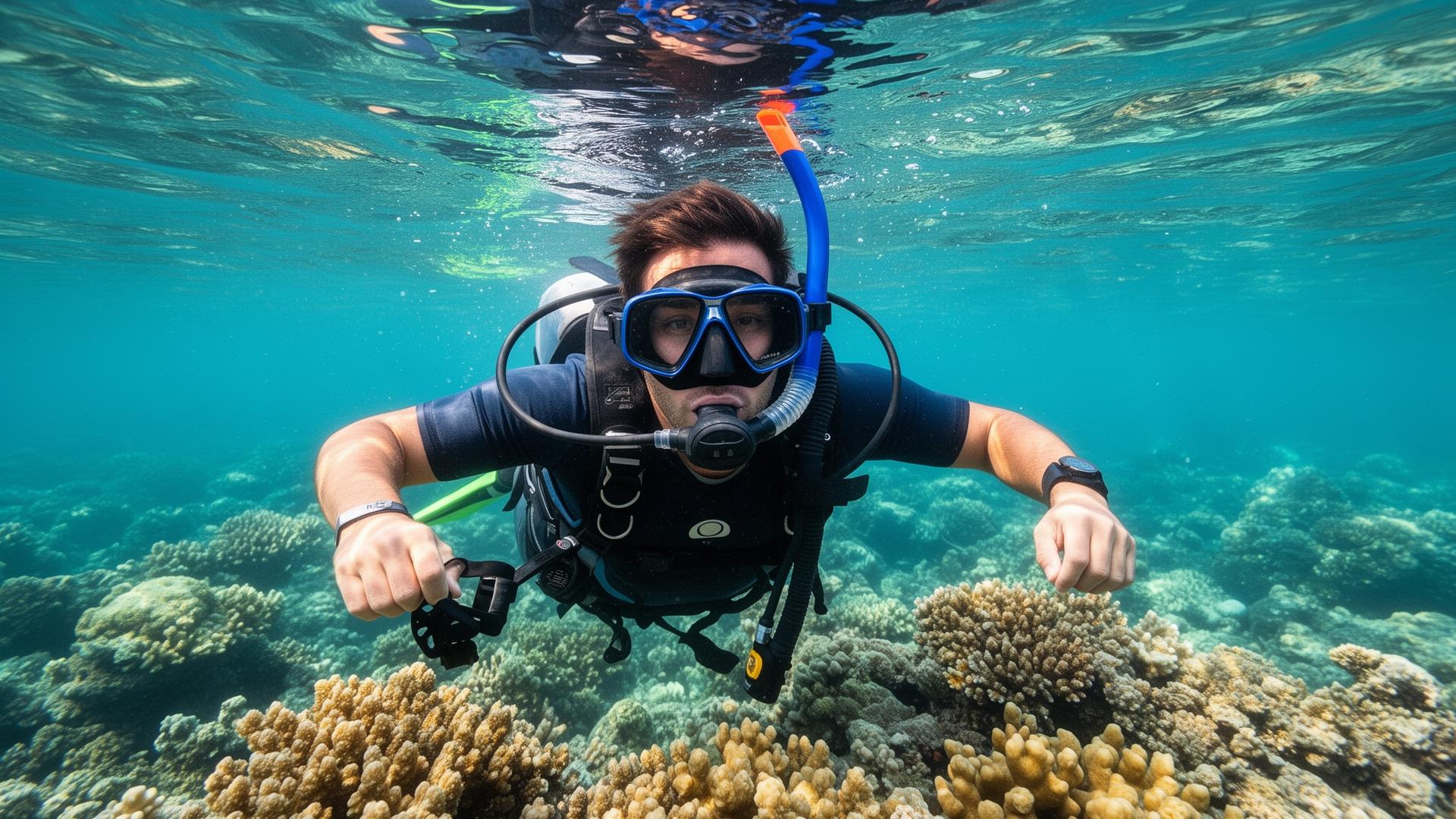
Reef identification card: Waterproof fish and coral ID cards help you identify what you're seeing and make the experience more educational and memorable. Many dive shops sell region-specific cards for the Caribbean, Pacific, or Mediterranean.
Surface marker buoy (SMB): A bright inflatable marker that you deploy from depth to signal your position to boats above. Required equipment on many dive boats and an important safety item for drift dives or any situation where you might surface away from the boat.
Seasickness remedy: Even experienced boaters can get queasy on dive boats. Non-drowsy options like acupressure wristbands or ginger supplements are preferred — drowsy antihistamines are not recommended before diving.
Waterproof notebook: Dive slates allow underwater communication with your buddy and note-taking for species identification. Also useful for writing down dive site coordinates or conditions shared by local divemasters.
Packing Tips for Travel
For airline travel, pack fragile items (mask, dive computer, regulator) in your carry-on luggage — these items are expensive, irreplaceable at your destination, and vulnerable to rough baggage handling. Fins and wetsuits can go in checked luggage. Use your fins as a protective shell around your mask and other delicate equipment.
Check airline baggage policies for dive gear — many carriers offer sports equipment allowances that cover dive bags at no extra charge or reduced fees. Rolling your wetsuit rather than folding prevents permanent creases that can thin the neoprene over time.
Pre-Trip Equipment Checks
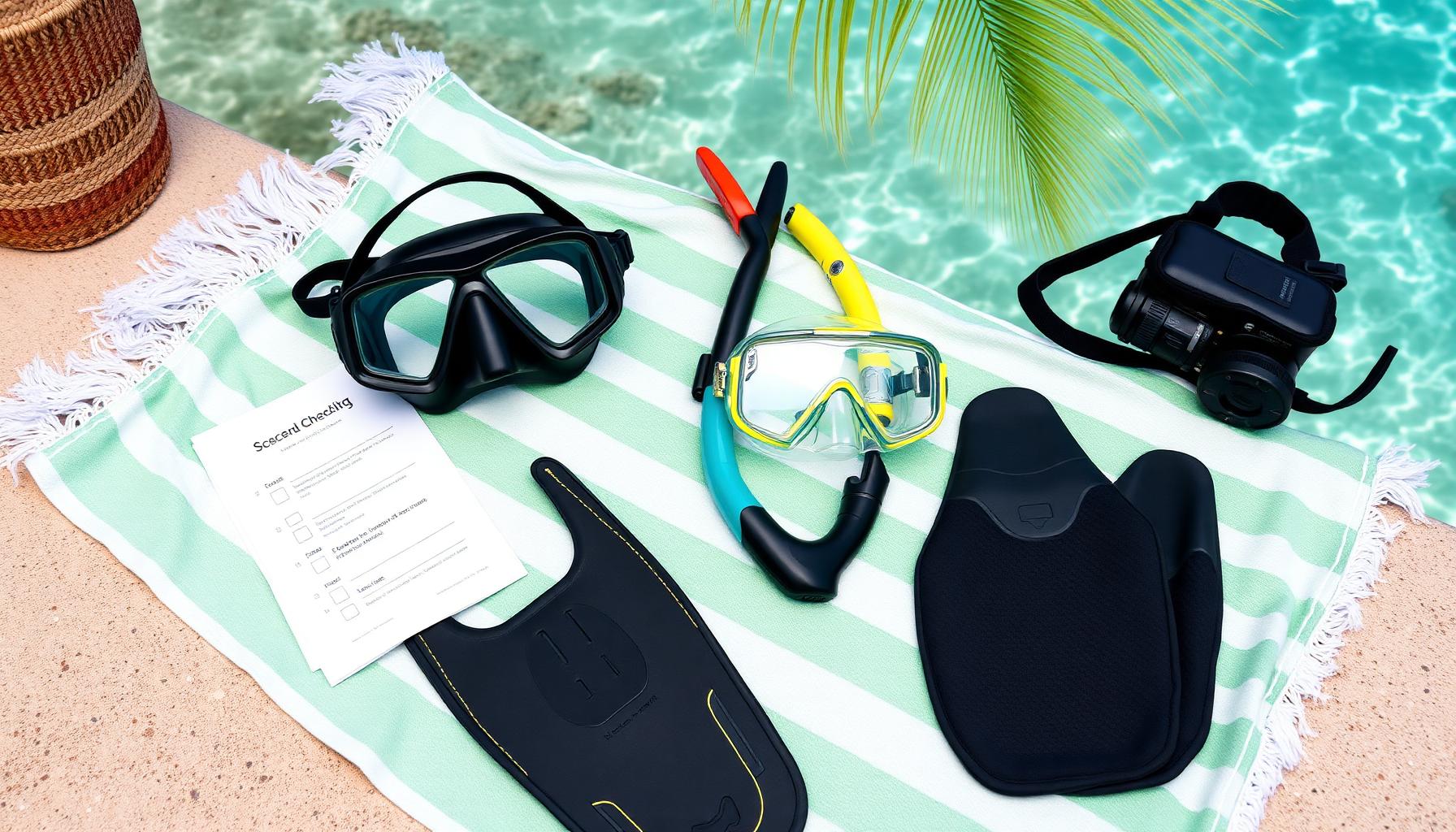
Before any trip, verify that your mask seal hasn't degraded (silicone dries out over time), your fin straps are intact, and your regulator has been serviced within the past year. Test your dive computer's battery level — a low-battery warning on the boat is a preventable frustration. Rinse all gear in fresh water after your last use and allow it to dry completely before packing.
Consult the tropical beach packing list for general travel essentials that complement your snorkeling and diving gear — sunglasses, hats, reef-safe toiletries, and the everyday items that complete a comfortable trip.
The right gear, properly maintained and thoughtfully packed, transforms a snorkeling or diving trip from good to exceptional. This checklist ensures that when you finally slip beneath the surface and that underwater world opens up before you, the only thing on your mind is the beauty in front of your mask.