Florida's Best Beaches for Night Diving Adventures
When the sun sets, Florida's underwater world transforms. From bioluminescent bays to nocturnal reef encounters, discover the beaches where night diving reveals a different ocean.
By BeachLoco Editorial
When the sun drops below the horizon along Florida's coastline, an entirely different underwater world awakens. Night diving transforms familiar reef systems into alien landscapes where bioluminescent plankton trails behind your fingertips, octopuses hunt in the open, and sleeping parrotfish glow in their mucus cocoons. Florida's warm waters and diverse marine ecosystems make it one of the best places in the world to experience this after-dark adventure.
Why Night Diving in Florida Is Exceptional
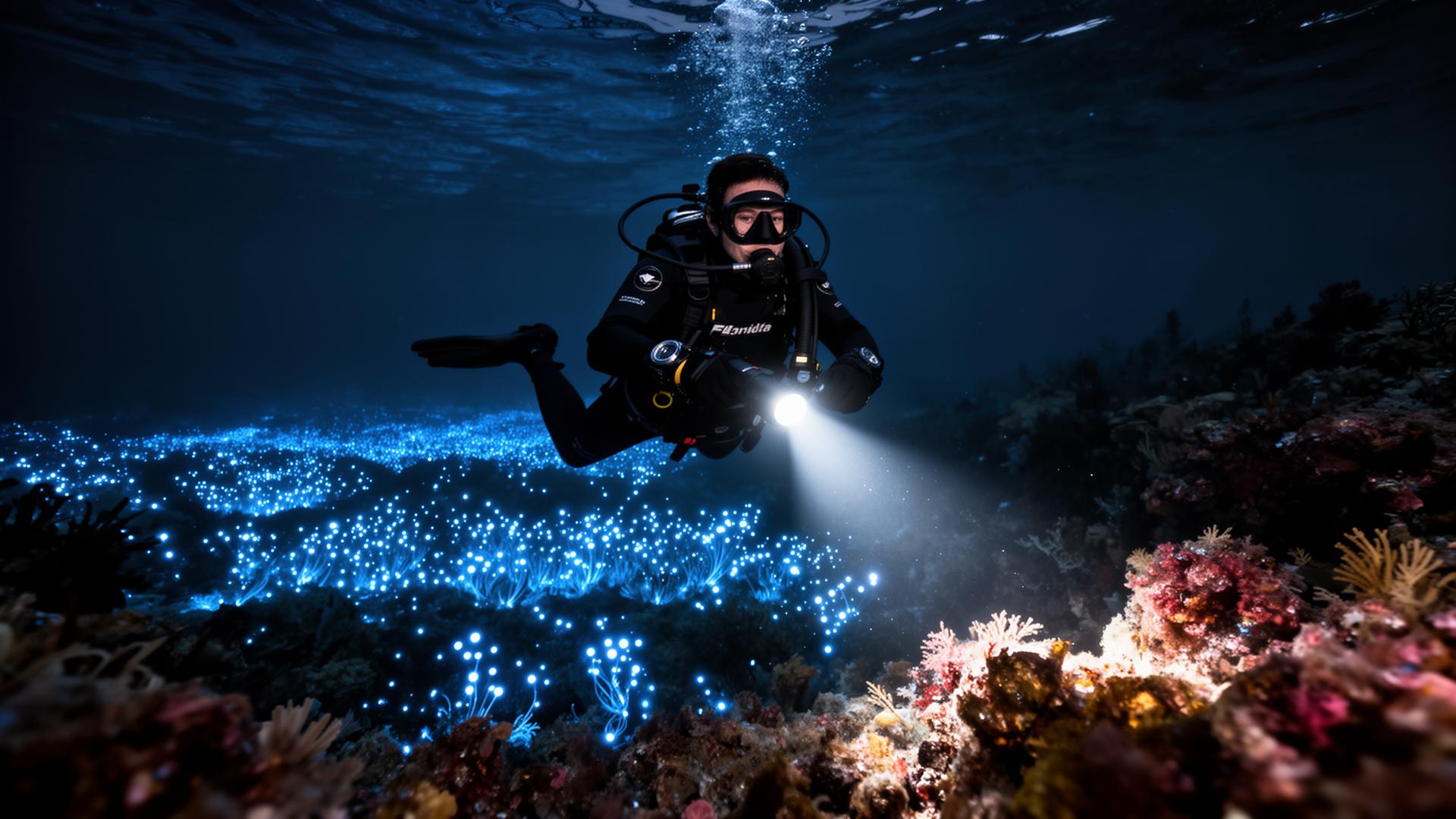
Florida's reef systems undergo a dramatic transformation after sunset. Daytime creatures retreat into crevices while nocturnal predators emerge to feed. Lobsters parade across the sand in numbers you'd never see during daylight. Moray eels leave their hiding spots to hunt. Basket starfish unfurl their intricate arms to filter-feed in the current. The experience is fundamentally different from daytime diving — more intimate, more surprising, and often more rewarding for marine life encounters.
The state's consistently warm water temperatures — rarely dropping below 70°F even in winter — make night diving comfortable year-round without the heavy exposure suits required in cooler waters. Combined with generally good visibility and well-mapped dive sites, Florida offers an accessible entry point for divers curious about the after-dark experience.
Top Night Diving Destinations
Key Largo and the Upper Keys offer arguably the best night diving in the continental United States. John Pennekamp Coral Reef State Park and the adjacent Florida Keys National Marine Sanctuary protect a vast reef system that comes alive after dark. The Christ of the Abyss statue, haunting enough during the day, takes on an entirely different character when illuminated by dive lights against the black water. French Reef's swim-throughs, which can feel crowded during daytime dives, become magical tunnels of sleeping fish and prowling crabs at night.
Blue Heron Bridge in Riviera Beach has earned a global reputation as one of the world's best shore-entry night dives. The shallow waters (15–25 feet) beneath the bridge harbor an astonishing density of rare and unusual creatures — frogfish, seahorses, octopuses, and flying gurnards are regular sightings. Macro photographers travel from around the world specifically for night dives here. The controlled depth and easy shore access make it ideal for divers building night diving confidence.
Destin and the Emerald Coast provide a different flavor of night diving, with artificial reef structures that attract large schools of fish and the occasional nurse shark. The area's crystal-clear waters — courtesy of the quartz sand bottom — offer excellent visibility even at night. Several dive operators in the Destin area run regular night dive charters to popular artificial reefs.
Palm Beach County features drift diving along a natural reef line that runs parallel to shore. At night, the current carries you along a living wall of coral where octopuses, lobsters, and spotted eagle rays are common encounters. The Gulf Stream's proximity brings warm, clear water and occasional pelagic visitors that add an element of the unexpected.
What Makes Night Diving Different
The sensory experience of night diving goes beyond simply seeing different creatures. Without ambient light, your dive light becomes a focused window into the underwater world — every coral polyp extends to feed, every crevice reveals hidden residents. The bioluminescence is perhaps the most magical element: turn off your light and wave your hand through the water to trigger cascades of blue-green sparkles from dinoflagellates.
Sound also changes dramatically. Without the visual distraction of the daytime reef, you become more attuned to the clicking, crunching, and popping sounds of the reef — parrotfish grinding coral, snapping shrimp communicating, and the distant rumble of boat engines above.
Best Time for Night Diving
Florida's night diving is productive year-round, but certain seasons offer distinct advantages. Summer months (June–September) bring the warmest water and calmest seas, making surface conditions most comfortable. The Florida snorkeling season overlaps perfectly with peak night diving conditions. Lobster mini-season in late July creates spectacular night diving opportunities as divers can observe (and legally harvest) spiny lobsters moving across the reef.
Full moon periods create interesting diving conditions — enough ambient light filters through the water to create an ethereal blue glow, though some divers prefer new moon darkness for the most intense bioluminescence displays. Winter months can bring reduced visibility due to plankton blooms, but these same blooms attract filter-feeding mantas and whale sharks in South Florida waters.
Essential Gear and Preparation
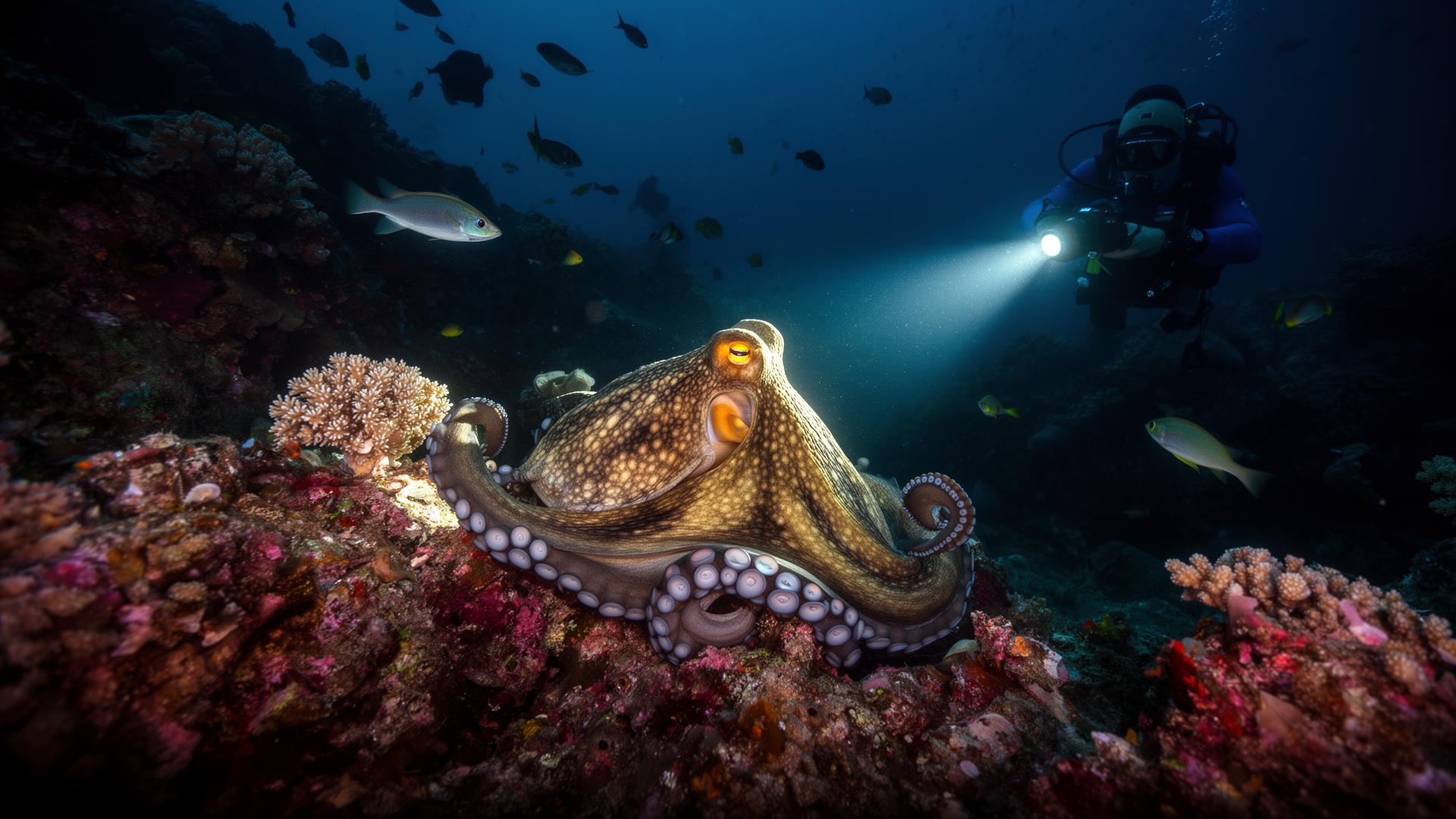
Beyond standard dive equipment, night diving requires a primary dive light, a backup light, and a surface marker with a chemical or LED light. Most Florida dive operators provide lights as part of their night dive packages, but experienced divers prefer their own equipment. A complete diving packing checklist should include red-lens filters for your light — red light doesn't spook marine life as much as white light, allowing closer encounters with octopuses and other skittish creatures.
Navigation skills become critical at night. While Florida's shore-entry sites often have reference lines or recognizable landmarks, open-water reef dives require strong compass navigation and buddy communication protocols. Most dive shops offer night diving specialty courses that cover these skills in a single session.
Where to Stay
For Keys night diving, Key Largo and Islamorada offer the most dive-shop density and boat access. Riviera Beach accommodations put Blue Heron Bridge within walking distance. The Miami Beach area serves as a convenient base for both Palm Beach drift dives and Upper Keys reef dives, with dive operators offering pickup from multiple locations.
Local Tips
At Blue Heron Bridge, the best night diving occurs on incoming tides — the current brings cleaner water and more active marine life under the bridge pilings. Arrive before sunset to set up and enter the water during twilight, when the transition from day to night creatures creates the most dynamic activity. For boat-based night dives in the Keys, book with operators who anchor rather than drift — anchored dives allow you to explore at your own pace and return to a known ascent point.
Florida's night diving scene rewards the curious and the patient. Whether you're watching an octopus change colors in your light beam or floating through clouds of bioluminescent plankton, the after-dark ocean offers experiences that daytime diving simply cannot match.