Cozumel National Marine Park: Complete Guide to Mexico's Underwater Paradise
Discover everything you need to know about diving and snorkeling Cozumel's world-famous marine park. From Palancar Reef to sea turtles and splendid toadfish, this comprehensive guide covers the best reef systems, marine life, tour options, and insider tips for exploring Mexico's Caribbean underwater wonderland.
By Beach Travel Destinations
Descending into the crystal-clear waters of Palancar Reef, sunlight filters through 100 feet of visibility, illuminating coral towers that rise like underwater cathedrals. A hawksbill turtle glides past, unfazed by your presence, while schools of angelfish part around you like colorful curtains. This is Cozumel National Marine Park—one of the world's premier underwater destinations and Mexico's crown jewel of marine conservation.
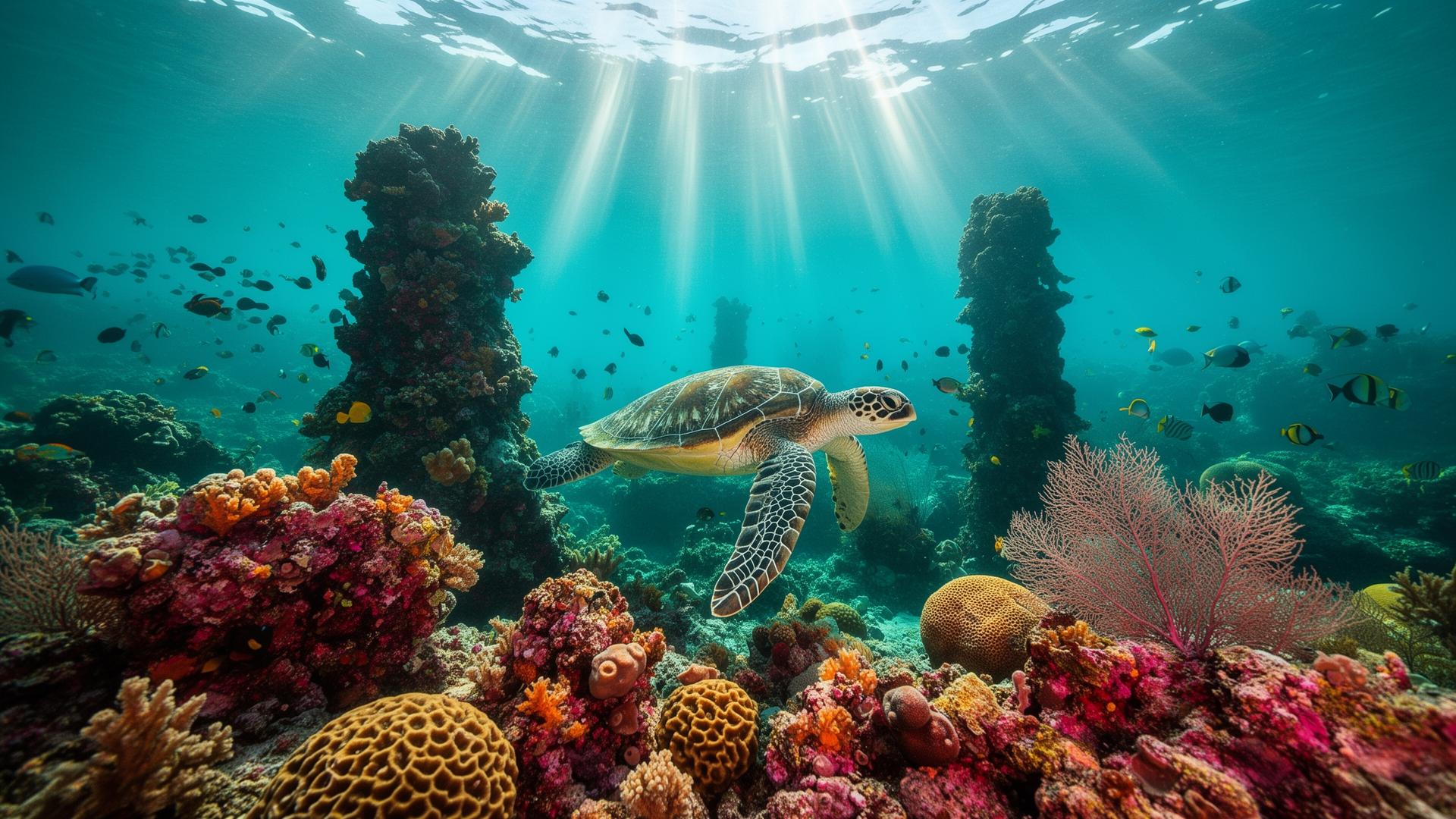
Established in 1996 to protect the southwestern coastline of Cozumel, this marine sanctuary encompasses over 29,000 acres of coral reefs, seagrass beds, and mangrove coastlines that form part of the Mesoamerican Barrier Reef—the second-largest reef system on Earth. What makes this park extraordinary isn't just size; it's the combination of healthy coral, abundant marine life, and visibility that regularly exceeds 100 feet.
Whether you're a certified diver chasing world-class wall dives, a snorkeler hoping to swim alongside sea turtles, or a cruise ship visitor with just hours to experience Caribbean magic, Cozumel's marine park delivers underwater encounters that rival anywhere on the planet. This guide covers everything you need to know to make the most of Mexico's underwater paradise.
📊 Quick Facts: Cozumel National Marine Park
1996
29,000+ acres (120 sq km)
Southwest coast of Cozumel
Mesoamerican Barrier Reef
80-200+ feet year-round
100+ named sites
78-84°F year-round
~$5 USD (marine park tax)
Who Is This Guide For?
- ✓ Scuba divers of all levels seeking world-class Caribbean diving
- ✓ Snorkelers wanting accessible reef encounters with abundant marine life
- ✓ Marine life enthusiasts hoping to see sea turtles, eagle rays, and nurse sharks
- ✓ Underwater photographers seeking incredible visibility and subjects
- ✓ Cruise ship visitors with limited time but big expectations
- ✓ Families wanting safe, accessible marine encounters
- ✓ Conservation-minded travelers supporting reef protection
What Is Cozumel National Marine Park?
Cozumel National Marine Park (Parque Nacional Arrecifes de Cozumel) was established in 1996 to protect the island's extraordinary reef ecosystem from overfishing, anchor damage, and uncontrolled development. The park encompasses the southwestern coast of Cozumel, where the healthiest and most spectacular reef formations thrive in the warm, clear Caribbean waters.
As part of the Mesoamerican Barrier Reef System—stretching from Mexico's Yucatán Peninsula through Belize, Guatemala, and Honduras—Cozumel's reefs contribute to the second-largest barrier reef on Earth. Only Australia's Great Barrier Reef surpasses it in scale, and many divers argue Cozumel offers superior visibility and healthier coral.
Strict regulations govern all activity within the park: no anchoring on coral, no fishing, no touching marine life, mandatory guides for all divers, and reef-safe sunscreen requirements (now Mexican law). These protections have helped maintain Cozumel's reputation as one of the world's premier dive destinations, attracting over 100,000 divers annually.
The Famous Reef Systems
Cozumel's reef systems offer over 100 named dive sites, each with distinct character and marine life. The following reefs represent the park's highlights—from beginner-friendly shallows to dramatic walls that challenge even experienced divers.
Palancar Reef: The Crown Jewel
Palancar Reef is Cozumel's most famous dive site and consistently ranks among the world's best. The reef complex actually encompasses several distinct sites—Palancar Gardens, Palancar Horseshoe, Palancar Caves, and Palancar Bricks—each offering different experiences.
Massive coral towers rise from the seafloor like underwater skyscrapers, with swim-throughs and tunnels cutting through formations that took thousands of years to develop. Schools of blue tangs, angelfish, and butterflyfish swirl around the towers while eagle rays patrol deeper sections. The reef ranges from 40 to 130 feet deep, accommodating divers of all certification levels.
Columbia Reef: Deep Wall Diving
For advanced divers seeking dramatic wall diving, Columbia Reef delivers. The deep wall section plunges past recreational limits, but the shallower Columbia Gardens offers stunning coral formations, massive sponges, and gorgonian sea fans in 60-90 feet of water. Expect encounters with nurse sharks, barracuda, and the occasional reef shark.
Santa Rosa Wall: Dramatic Drop-Offs
Santa Rosa Wall features a dramatic vertical drop-off where the reef face plunges into deep blue abyss. Strong currents make this an advanced dive site, but the rewards include pristine coral coverage, large pelagic fish, and the thrill of wall diving in crystal-clear visibility. Giant barrel sponges and black coral gardens decorate the wall.
Paradise Reef: Beginner-Friendly & Night Diving
Paradise Reef sits in shallow water (30-45 feet) just off the hotel zone, making it perfect for new divers, refresher courses, and night dives. Despite shallower depths, the reef teems with life—expect moray eels peeking from crevices, octopus hunting at night, and schools of grunts and snappers. Many dive operators begin here before heading to deeper sites.
Dzul-Ha Reef: Snorkeler's Paradise
Dzul-Ha (also called Money Bar) offers some of Cozumel's best snorkeling with healthy coral in just 10-15 feet of water. Located near Money Bar Beach Club, this reef provides easy shore access and abundant marine life including sea turtles, rays, and colorful reef fish. It's the perfect introduction to Cozumel's underwater world.
Chankanaab Reef: Family-Friendly Access
Accessible directly from Chankanaab Beach Adventure Park, this reef allows families and casual snorkelers to experience Cozumel's marine life without boat trips. The protected bay features calm conditions, abundant fish, and excellent visibility—plus the park's facilities including restaurants, showers, and marine life encounters.
🤿 Pro Tip: Drift Diving Basics
Cozumel is famous for drift diving—you simply relax and let the current carry you along the reef while the boat follows. Don't fight it! Keep your air consumption low by staying relaxed and horizontal. The current does the work; you just enjoy the show. First-timers should expect speeds of 1-2 knots (about walking pace), though stronger currents occur on some sites.
Marine Life Encounters
Cozumel's protected waters support remarkable marine biodiversity. Here's what you can expect to see during dives and snorkeling trips:
Sea Turtles
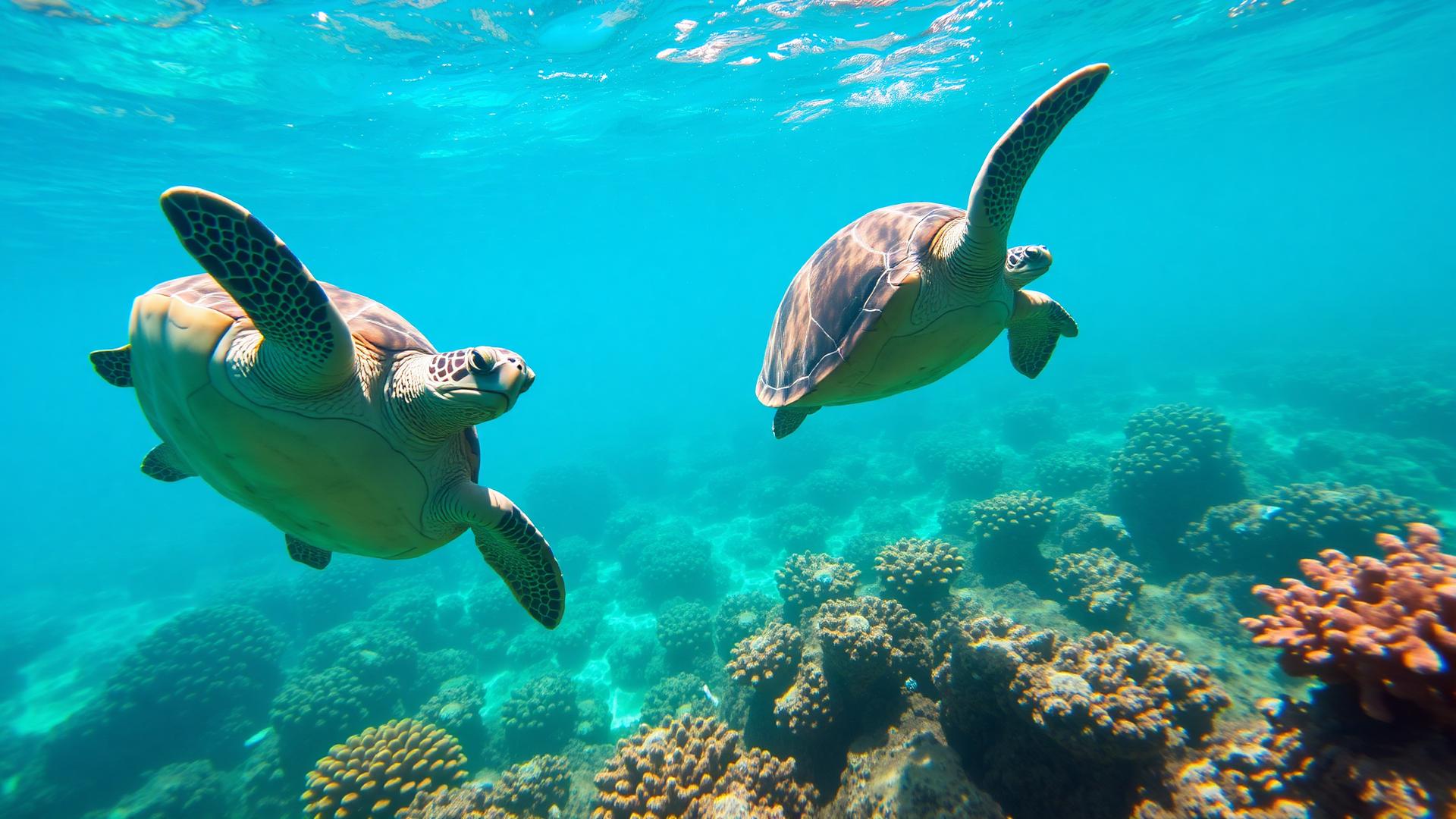
Green sea turtles, hawksbill turtles, and occasional loggerheads frequent Cozumel's reefs. Encounters are common—turtles often swim alongside divers, grazing on sponges and seagrass, seemingly unbothered by human presence. The healthy reef ecosystem provides ample food, making sightings reliable year-round.
Eagle Rays & Southern Stingrays
Spotted eagle rays glide majestically through deeper sections of the reefs, their distinctive spotted patterns unmistakable against the blue water. Southern stingrays patrol sandy bottoms between coral formations, sometimes in groups of five or more. The sandy channels between reefs are prime ray-spotting territory.
Nurse Sharks
Docile nurse sharks rest under coral ledges during the day, making them reliable photographic subjects. These bottom-dwelling sharks pose no threat to divers but add excitement to any dive. Look beneath overhangs and in sandy areas protected from current.
The Splendid Toadfish (Endemic Species)
Cozumel's most unique resident is the splendid toadfish—a species found nowhere else on Earth. These bizarre, colorful fish hide in crevices and under coral, emerging mostly at night. Alert dive guides know where to find them, and spotting one has become a Cozumel diving rite of passage. Their electric blue and yellow markings make them surprisingly photogenic despite their grumpy appearance.
Colorful Reef Fish
Schools of blue tangs, queen angelfish, French angelfish, butterflyfish, parrotfish, and sergeant majors create the kaleidoscopic reef scenes that define Caribbean diving. Groupers lurk near cleaning stations, barracuda patrol mid-water, and spotted drums hide in caves. Moray eels—green, spotted, and goldentail—peer from crevices throughout the reef.
🤿 Book Cozumel Diving & Snorkeling Tours
Ready to explore the marine park? Browse top-rated dive operators and snorkeling tours departing from Cozumel and Playa del Carmen.
Search Activities on Klook →Diving in the Marine Park
Cozumel's diving industry is mature, professional, and well-organized. Here's what to expect when planning your underwater adventures:
Typical Dive Day Structure
Most operators run 2-tank morning trips departing around 8-9 AM, returning by early afternoon. The first dive typically visits a deeper site (80-100+ feet) while the second explores shallower reefs. Boats range from small fast boats to larger, more comfortable vessels with sun decks and freshwater rinses.
Skill Level Requirements
Cozumel accommodates all certification levels. Open Water divers can enjoy Palancar Gardens, Paradise Reef, and numerous shallow sites. Advanced certifications open access to deeper walls and stronger current sites like Santa Rosa and Columbia. Many operators offer Discover Scuba courses for beginners and refresher courses for rusty divers.
Drift Diving Explained
Nearly all Cozumel diving is drift diving—the boat drops you upstream, you drift with the current along the reef, and the boat picks you up wherever you surface. This eliminates fighting currents and allows longer reef coverage. Dive guides carry surface marker buoys (SMBs) to signal the boat, so stay with your group and follow the guide's lead.
Night Diving
Paradise Reef and other shallow sites offer spectacular night diving. Octopus emerge from hiding, lobsters parade across the sand, sleeping parrotfish float in mucus cocoons, and bioluminescence sparkles in the darkness. Night dives typically depart around 6-7 PM and last 45-60 minutes.
Nitrox Availability
Most dive operators offer Nitrox (enriched air) for certified divers, extending bottom times and reducing surface intervals. If you're planning multiple dive days, Nitrox certification pays dividends in Cozumel's clear, fish-rich waters where you'll want every extra minute.
Pricing Expectations
2-tank boat dives typically range from $80-150 USD including equipment rental, depending on operator and sites visited. Night dives run $60-90. Packages of 4-10 dives offer significant savings. Cozumel remains more affordable than most Caribbean dive destinations while delivering world-class experiences.
📸 Pro Tip: Underwater Photography
Cozumel's visibility makes it exceptional for underwater photography. Position yourself with the sun behind you for front-lit subjects, or shoot upward to silhouette marine life against the bright surface. The massive coral towers of Palancar create dramatic wide-angle opportunities. Morning light typically offers the best conditions before afternoon clouds develop.
Snorkeling in the Marine Park
You don't need scuba certification to experience Cozumel's underwater magic. Snorkeling provides access to healthy reefs, abundant marine life, and the same crystal visibility that makes diving here legendary.
Best Snorkeling Spots
Dzul-Ha (Money Bar): Shore-accessible reef in 10-15 feet, excellent for beginners and families. Columbia Shallows: Boat-accessed but shallow enough for snorkelers, featuring healthy hard and soft coral. Chankanaab Park: Protected bay with abundant fish and easy beach access. El Cielo: Famous sandbar with sea stars (starfish), turquoise shallows, and perfect swimming conditions.
Shore Snorkeling vs. Boat Tours
Shore snorkeling from beach clubs offers convenience and flexibility—enter whenever you want and stay as long as you like. Boat tours access healthier, less-visited reefs and typically include multiple stops, equipment, guides, and sometimes lunch. For the best variety, combine both approaches.
Snorkeling Tour Options & Pricing
Half-day snorkeling tours run $40-80 USD including equipment and typically visit 2-3 sites. Full-day catamaran trips ($80-120) add lunch, drinks, and beach time at El Cielo. Private tours offer flexibility and better value for groups of 4+. Cruise ship excursions are convenient but more expensive.
What You'll See
Snorkelers encounter the same marine life as divers in shallower water: sea turtles, rays, colorful reef fish, and healthy coral formations. The clear visibility means you'll see details that murky water destinations can't match. Even El Cielo's sandy bottom comes alive with starfish, conch, and the occasional ray.
How to Visit the Marine Park
Dive Operators & Tour Companies
Cozumel hosts dozens of professional dive operators ranging from large operations to small, personalized outfits. Reputable operators include Scuba Du, Dive Paradise, Blue Magic, and numerous others. Look for PADI or SSI certification, good equipment, small group sizes, and positive reviews. Most hotels can arrange diving, but booking direct often saves money.
Marine Park Fee
A ~$5 USD marine park tax applies to all divers and snorkelers entering the protected area. Most operators include this in their pricing, but confirm when booking. The fee supports reef conservation, mooring buoy maintenance, and park ranger patrols.
Departure Points
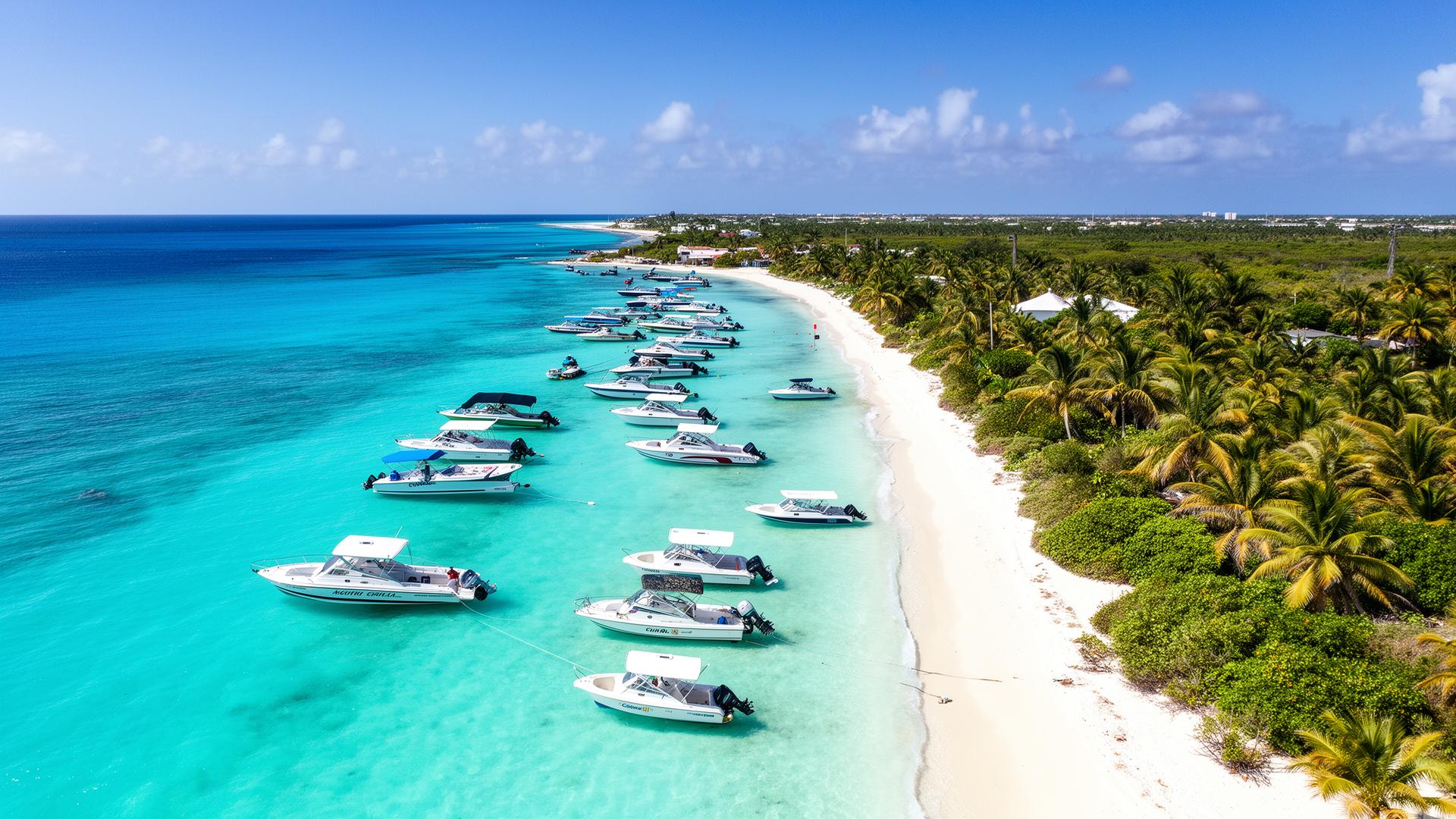
Dive boats typically depart from San Miguel's main pier area or hotel piers along the western coast. Snorkeling tours leave from various locations including downtown San Miguel, beach clubs, and resort docks. Confirm pickup/meeting locations when booking.
What to Bring
Operators provide tanks, weights, and usually full equipment. Bring reef-safe sunscreen (required by Mexican law), swimsuit, towel, and water. Experienced divers may prefer bringing their own masks, computers, and exposure protection. Underwater camera? Definitely bring it—you'll regret not having one.
🏨 Book Hotels in Cozumel
Stay close to the dive boats and reef access. Find beachfront resorts, boutique hotels, and dive-friendly accommodations across the island.
Search Hotels on Booking.com →Best Time to Visit
Cozumel offers year-round diving and snorkeling, but conditions vary by season:
Peak Season: November–May
The dry season delivers the best conditions: calm seas, minimal rain, excellent visibility (often 150+ feet), and comfortable temperatures. December through March sees the highest tourist volume and prices. Book dive trips and accommodations well in advance during these months.
Green Season: June–October
Summer and early fall bring warmer water (82-84°F), afternoon rain showers, and fewer crowds. Visibility remains excellent most days, and prices drop significantly. Hurricane season peaks August-October, but storms rarely directly impact Cozumel. Flexible travelers find excellent value during this period.
Water Temperatures
Water temperatures range from 78-84°F year-round—warm enough for extended diving without wetsuits for most people. Light (2-3mm) wetsuits or rashguards provide sun protection and prevent chill on multiple dives. Winter months occasionally see temperatures dip to 76°F.
Conservation & Responsible Tourism
Cozumel's marine park exists because conservation works. Here's how you can dive and snorkel responsibly while supporting reef protection:
Why the Park Was Established
Before protection, anchor damage, overfishing, and uncontrolled tourism threatened Cozumel's reefs. The 1996 park establishment created mooring buoys (no more anchoring on coral), fishing restrictions, and visitor limits that have allowed the reef to recover and thrive.
Reef-Safe Sunscreen (Mexican Law)
Mexico banned oxybenzone and octinoxate—chemicals harmful to coral—in 2020. Use mineral-based sunscreens with zinc oxide or titanium dioxide. Many shops sell compliant products, but bring your own to ensure availability. Rangers may check at entry points.
No Touch Policy
Never touch, stand on, or collect coral, marine life, or artifacts. Maintain neutral buoyancy and keep fins away from the reef. What seems like harmless contact can damage coral that took decades to grow. Observe from a respectful distance and let wildlife approach you.
Current Reef Health
Cozumel's reefs have faced challenges—coral bleaching events and stony coral tissue loss disease (SCTLD) have impacted some areas. However, active restoration programs and the overall health of the protected ecosystem mean visitors still encounter vibrant, living reef. Conservation efforts continue to evolve as marine biologists develop new protection strategies.
🌊 Pro Tip: Avoiding Cruise Ship Crowds
Multiple cruise ships can dock in Cozumel daily, flooding popular snorkeling spots and beach clubs. Book early morning dive trips (7-8 AM departure) to reach reefs before cruise excursions. Or dive on days with fewer ships—check cruise ship schedules online before planning your visit. Some operators offer "locals only" or "no cruise" trips that visit quieter sites.
Where to Stay for Marine Park Access
Location matters for dive-focused trips. The western coast provides closest access to dive boats and reef sites.
Downtown San Miguel
Budget-friendly hotels and guesthouses cluster around downtown, within walking distance of dive shops, restaurants, and the ferry terminal. Good for independent travelers who don't need beach resort amenities.
Hotel Zone (North of Downtown)
Mid-range and upscale resorts line the coast north of San Miguel. Many have on-site dive shops, beach access, and pier pickups. This area balances resort comfort with diving convenience.
South Island
All-inclusive resorts dominate the southern stretch near the reefs themselves. Properties like Presidente InterContinental and Secrets Aura offer luxury, on-site diving, and closest access to Palancar and Columbia reefs.
Getting to Cozumel
Fly Direct
Cozumel International Airport (CZM) receives direct flights from Houston, Dallas, Atlanta, Charlotte, and other US cities. Flying direct saves the ferry transfer and gets you diving faster.
Ferry from Playa del Carmen
Most visitors fly into Cancun (CUN) and take the 40-minute ferry from Playa del Carmen. Ferries run hourly (more frequently during peak times) and cost ~$15-20 USD each way. Two companies operate: Ultramar and Winjet.
Cruise Ship Access
Cozumel ranks among the Caribbean's busiest cruise ports. Ships dock at international piers south of downtown or anchor at Puerta Maya/Punta Langosta terminals. Shore excursions provide easy diving and snorkeling access for port-day visitors.
✈️ Search Flights to Cozumel
Compare fares to Cozumel (CZM) direct or via Cancun (CUN) with ferry connection. Find the best deals for your dive trip.
Search Flights on Aviasales →Beyond the Reefs: Other Cozumel Attractions
While diving dominates most visitors' itineraries, Cozumel offers plenty of above-water adventures:
San Gervasio Mayan Ruins
The island's largest archaeological site was once a pilgrimage destination for Mayan women honoring Ixchel, goddess of fertility and medicine. Well-preserved structures, shaded jungle paths, and rich history provide a cultural break from beach activities.
Punta Sur Eco Beach Park
The island's southern tip hosts pristine beaches, the historic Celarain Lighthouse (climb for panoramic views), crocodile lagoons, and access to Columbia Reef for snorkeling. A full-day destination combining nature, history, and beach time.
Downtown San Miguel
The charming main plaza and waterfront malecón come alive evenings and weekends. Restaurants serve fresh seafood and Mexican cuisine, bars pour tequila and mezcal, and shops offer everything from souvenirs to dive gear. The authentic Mexican atmosphere provides contrast to resort areas.
East Coast Scenic Drive
Rent a car or scooter and explore the wild eastern coastline where crashing waves replace calm Caribbean. Beach bars serve fresh ceviche and cold drinks while you watch powerful surf. Note: swimming is dangerous on this side due to currents and rocks.
Editorial Moment: There's a particular magic to floating weightless above Palancar's coral towers, watching sunbeams pierce the turquoise depths while a sea turtle glides past with ancient indifference. In that moment, suspended between air and ocean, the rest of the world simply ceases to exist. This is why people travel halfway around the globe for Cozumel's reefs—not just to see marine life, but to feel genuinely, completely, present in an underwater world that predates human memory.
Frequently Asked Questions
What is Cozumel National Marine Park?
Cozumel National Marine Park is a protected marine sanctuary established in 1996 encompassing over 29,000 acres of coral reefs, seagrass beds, and coastline along Cozumel's southwestern shore. It's part of the Mesoamerican Barrier Reef—the world's second-largest reef system.
How much does it cost to enter the marine park?
A marine park fee of approximately $5 USD applies to all divers and snorkelers. Most tour operators include this in their pricing. The fee supports conservation, mooring buoy maintenance, and park ranger patrols.
What's the best time of year to dive Cozumel?
November through May offers the best conditions with calm seas, excellent visibility (often 150+ feet), and minimal rain. However, Cozumel is a year-round destination with good diving even during the "green season" (June-October) when crowds thin and prices drop.
Can beginners dive in Cozumel?
Absolutely! Cozumel accommodates all skill levels. Open Water certified divers can explore numerous sites, and dive shops offer Discover Scuba courses for complete beginners. The calm, clear conditions make Cozumel excellent for learning.
What marine life will I see in the park?
Common sightings include sea turtles (green, hawksbill, loggerhead), spotted eagle rays, southern stingrays, nurse sharks, moray eels, groupers, barracuda, and countless colorful reef fish. The endemic splendid toadfish is found nowhere else on Earth.
Is snorkeling good in Cozumel Marine Park?
Excellent! Sites like Dzul-Ha, Chankanaab, Columbia Shallows, and El Cielo offer world-class snorkeling with the same crystal visibility divers enjoy. You'll encounter sea turtles, rays, and abundant reef fish without scuba certification.
What is drift diving and why is Cozumel famous for it?
Drift diving means using the ocean current to carry you along the reef while the boat follows. Cozumel's consistent currents make this the standard diving style here. You cover more reef with less effort—just relax and let the current do the work while enjoying the underwater scenery.
Do I need to be certified to dive in Cozumel?
Full certification is required for recreational scuba diving. However, non-certified visitors can try "Discover Scuba" or "Resort Course" programs that include basic instruction followed by a shallow guided dive. Snorkeling requires no certification.
How clear is the water in Cozumel?
Exceptionally clear! Visibility routinely exceeds 100 feet and can reach 200+ feet on optimal days. This crystal clarity results from the island's position, minimal river runoff, and the reef's filtration effect. It's among the best visibility in the Caribbean.
What is the splendid toadfish and where can I see one?
The splendid toadfish is an endemic species found only in Cozumel's waters. These colorful, somewhat grumpy-looking fish with electric blue and yellow markings hide in crevices and under coral. Ask your dive guide—they know the spots where these unique creatures live.
Can I snorkel from the beach in Cozumel?
Yes! Dzul-Ha (Money Bar Beach Club) and Chankanaab Park offer excellent shore-access snorkeling. The reef at Dzul-Ha sits just offshore in shallow water with sea turtles and colorful fish. Beach clubs charge day-use fees that include facilities.
Is Cozumel Marine Park part of the Great Barrier Reef?
No. Cozumel's reefs are part of the Mesoamerican Barrier Reef System—the second-largest barrier reef in the world, extending from Mexico through Belize, Guatemala, and Honduras. The Great Barrier Reef is located in Australia.