Best Snorkeling Beaches in Mexico
From the vibrant reefs of Cozumel to Cabo Pulmo's marine reserve, explore Mexico's best snorkeling beaches across the Caribbean coast, Sea of Cortez, and Pacific shores.
By BeachLoco Editorial Team
Why Mexico Is a Top Snorkeling Destination
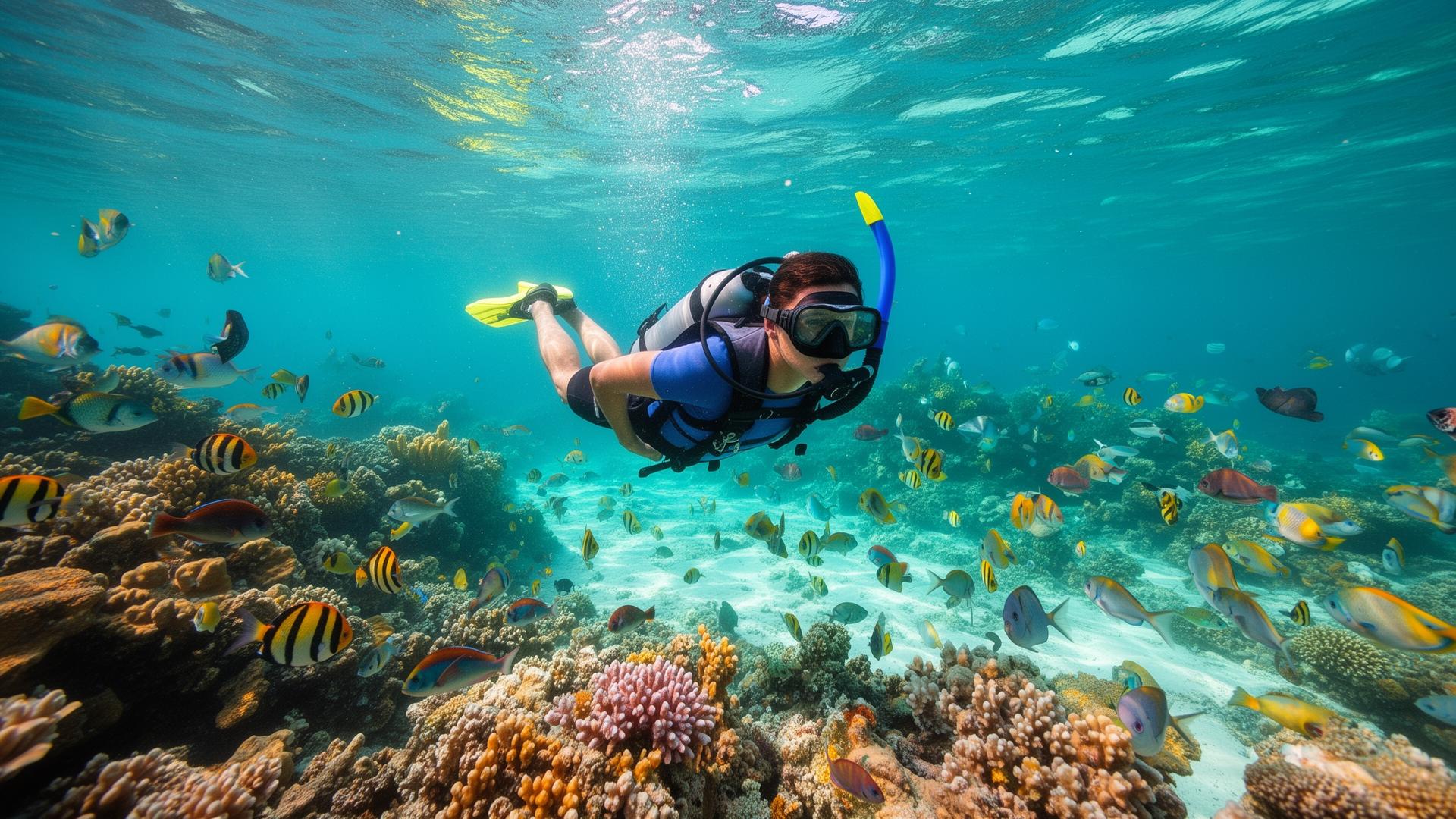
Mexico sits at the crossroads of two oceans, with the Caribbean Sea to the east and the Pacific Ocean and Sea of Cortez to the west. This dual-coast geography gives snorkelers access to two completely different underwater worlds — the soft coral gardens and turquoise visibility of the Mesoamerican Barrier Reef, and the nutrient-rich, wildlife-dense waters of Baja California. Add warm year-round temperatures, affordable travel, and easy access from the United States, and Mexico becomes one of the most compelling snorkeling destinations in the Western Hemisphere.
Cozumel — Mexico's Undisputed Snorkeling Crown Jewel
Palancar Reef
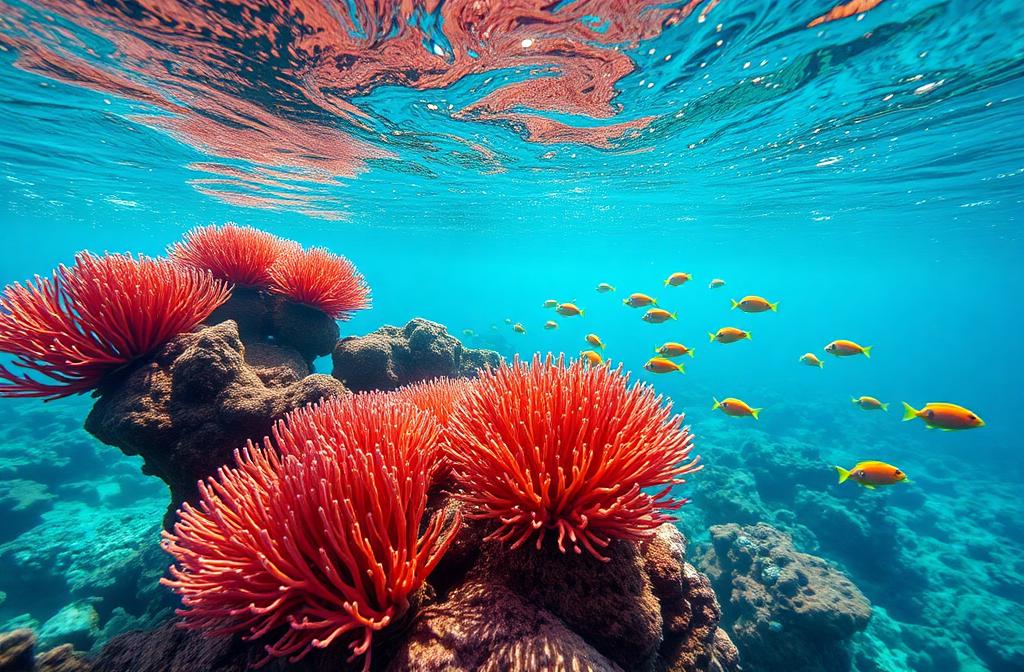
Part of the Mesoamerican Barrier Reef — the second-largest reef system on earth — Palancar Reef off Cozumel's southwest coast offers some of the clearest water in the Caribbean. Visibility routinely exceeds 100 feet, and the reef structure features dramatic swim-throughs, towering coral heads, and walls that drop into deep blue. While the deeper sections are reserved for scuba divers, the shallow portions of Palancar Gardens are perfectly suited to snorkelers. Boat tours from Cozumel's marina reach the reef in about 20 minutes.
El Cielo
Translating to "The Sky," El Cielo is a shallow sandbar off Cozumel's southern tip where hundreds of starfish carpet the white sand bottom. The water is chest-deep in most areas, making it accessible to snorkelers of all skill levels, including young children. The clarity of the water creates an almost surreal experience — floating above a field of orange and red starfish with nothing but white sand and blue water in every direction. Most catamaran tours include a stop here.
Columbia Reef
The largest reef formation in Cozumel's national marine park, Columbia features towering coral pillars separated by white sand channels. The shallow sections host dense populations of angelfish, parrotfish, spotted eagle rays, and nurse sharks. The reef's size means it rarely feels crowded, even during peak cruise ship season. Drift snorkeling — letting the gentle current carry you along the reef — is the standard technique here.
Riviera Maya — Cenotes and Coastal Reefs
Akumal Bay
Akumal, meaning "Place of the Turtles" in Mayan, lives up to its name. For more turtle encounters worldwide, read our sea turtle snorkeling destinations guide. This calm, shallow bay on the Riviera Maya is one of the most reliable places in Mexico to snorkel alongside wild green sea turtles grazing on seagrass beds. The bay is now regulated — visitors must enter with a licensed guide and wear a life vest to protect the turtle habitat. Despite the restrictions, the experience of floating feet away from these ancient creatures remains extraordinary.
Gran Cenote
Mexico's Yucatan Peninsula is honeycombed with thousands of cenotes — freshwater sinkholes connected to an underground river system. Gran Cenote, just outside Tulum, is one of the most photogenic and snorkel-friendly. The crystal-clear freshwater reveals stalactites, submerged cave openings, and small freshwater fish. The water is cooler than the ocean (around 77°F year-round), and the otherworldly visibility — often exceeding 200 feet — makes this a completely unique snorkeling experience.
Puerto Morelos Reef
This small fishing village between Cancun and Playa del Carmen sits directly in front of a national marine park protecting a pristine section of the barrier reef. The reef is just 500 meters offshore, making boat rides short and snorkeling time long. The protected status means healthy coral coverage and abundant fish life. Puerto Morelos sees a fraction of the tourist traffic of Cancun, resulting in uncrowded conditions and a more authentic experience.
Cabo Pulmo — The Aquarium of the World
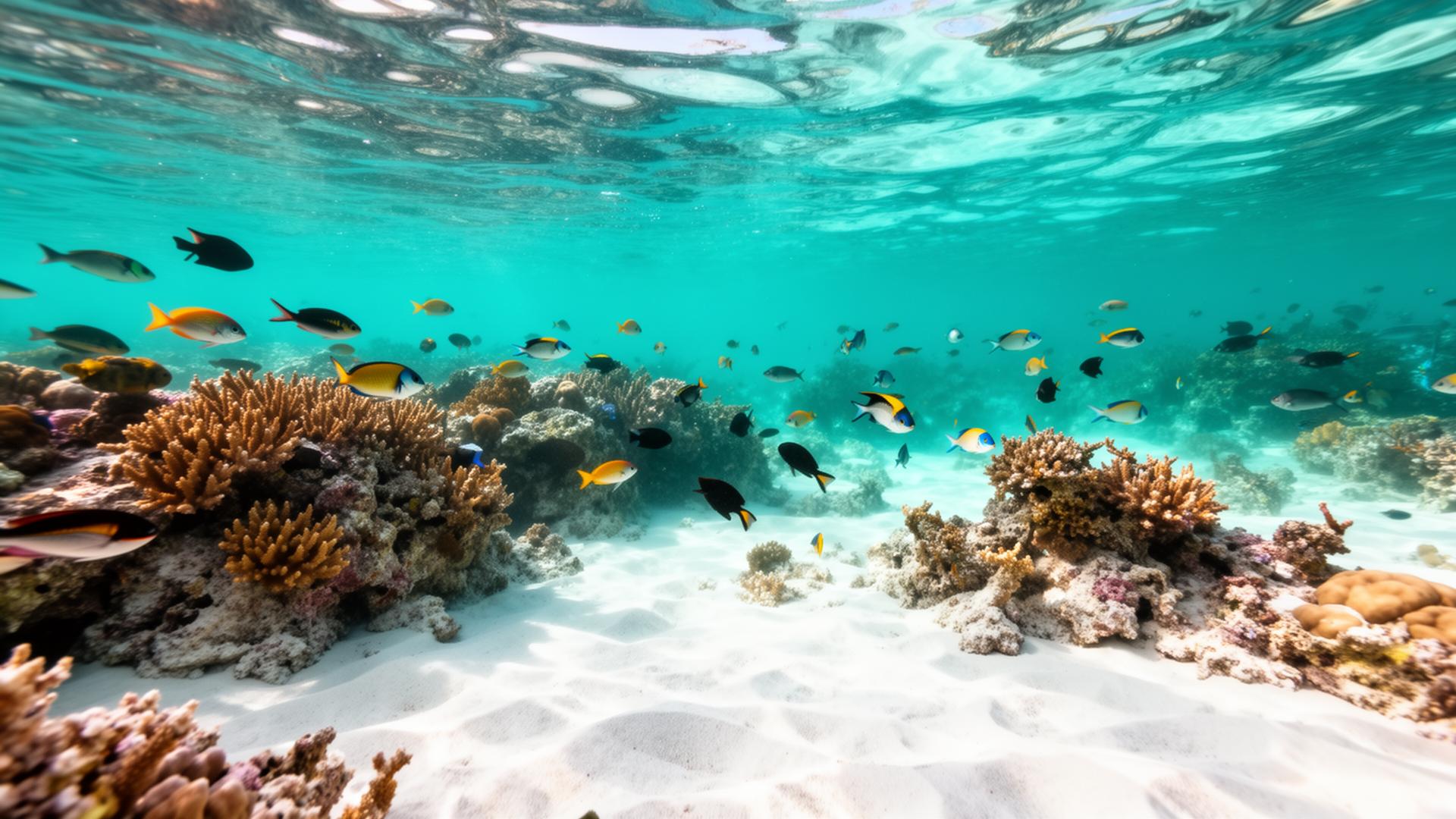
On the East Cape of Baja California Sur, Cabo Pulmo National Marine Park — featured in our Snorkeling in Cabo San Lucas guide — is one of the great marine conservation success stories. After decades of overfishing, the local community pushed to establish the park in 1995. Since then, marine biomass has increased by over 460%, transforming the area into one of the most biodiverse reef systems in North America.
The reef at Cabo Pulmo is the northernmost coral reef on the American Pacific coast and is estimated to be 20,000 years old. Snorkelers encounter massive schools of jacks numbering in the thousands, bull sharks, sea lions, and manta rays. The experience is raw, uncurated, and unlike anything on the Caribbean side — the water is cooler, the visibility is slightly less predictable, but the sheer volume of marine life is staggering.
Isla Mujeres — Caribbean Charm Without the Crowds
MUSA Underwater Museum
The Museo Subacuático de Arte features over 500 submerged sculptures designed to promote coral growth. The shallow Salon Manchones gallery sits in just 12 feet of water between Cancun and Isla Mujeres, making it accessible to snorkelers. The sculptures are gradually being colonized by coral and marine life, creating an evolving underwater art gallery. Boat tours depart from both Cancun and Isla Mujeres.
Garrafón Natural Reef Park
Located at the southern tip of Isla Mujeres, Garrafón overlooks the deepest point of the Mexican Caribbean. The reef park offers cliffside snorkeling with stunning visibility and regular sightings of barracuda, sergeant majors, and parrotfish. The site can be visited independently or through the resort's all-inclusive day pass.
Baja California — Sea of Cortez Adventures
La Paz — Balandra Bay
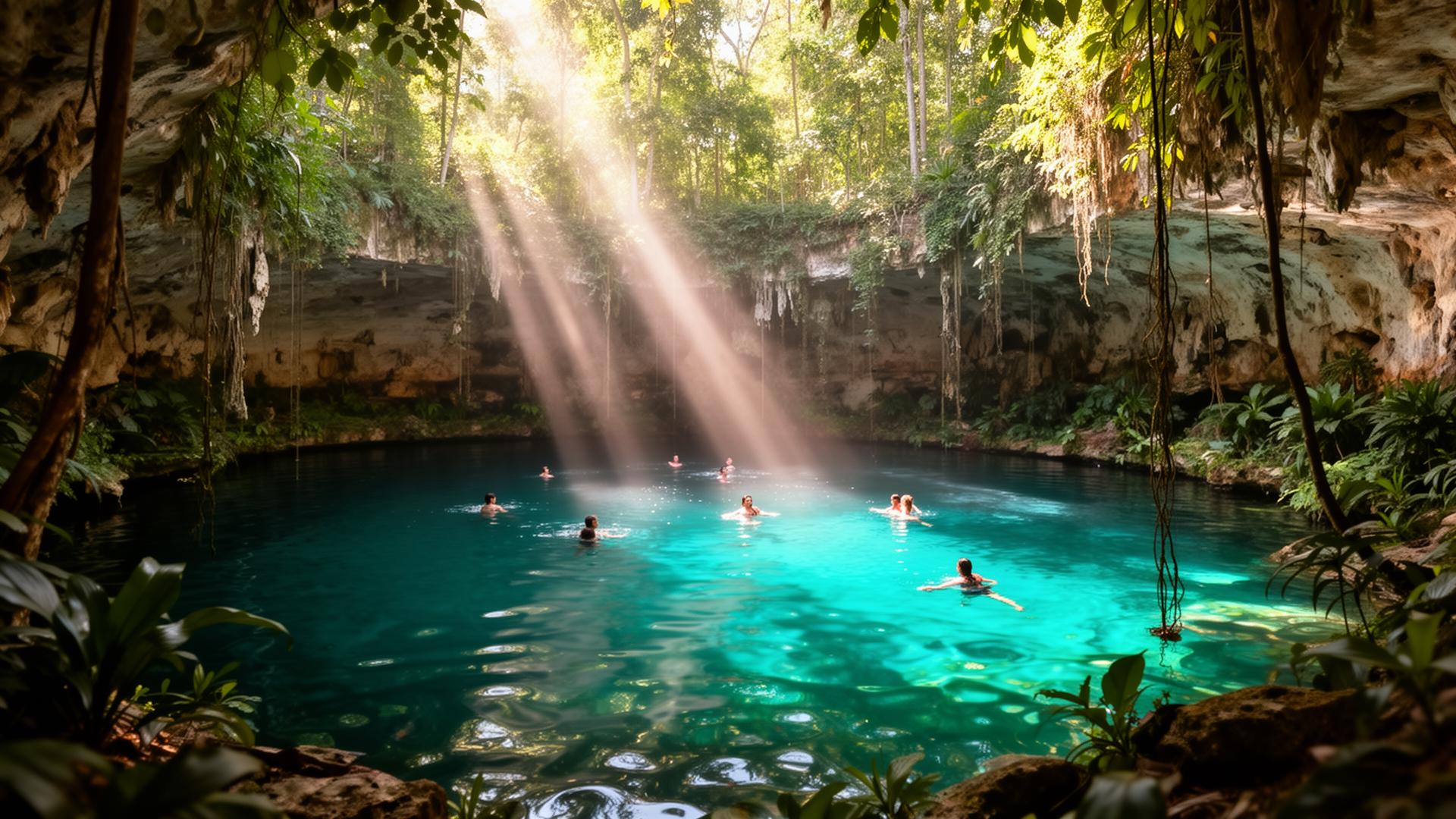
Consistently voted Mexico's most beautiful beach, Balandra Bay near La Paz features shallow turquoise water, white sand, and a protected cove ideal for snorkeling. The bay's calm conditions make it family-friendly, and the rocky edges host small reef fish and occasional sea lions. Nearby Isla Espíritu Santo — a UNESCO World Heritage site — offers boat-based snorkeling with sea lion colonies.
Los Cabos — Chileno Bay
One of the few swimmable beaches along the Los Cabos corridor, Chileno Bay is a protected cove with clear water and a healthy reef. The rocky points on either side of the bay attract tropical fish, and the bay's Blue Flag designation ensures clean water and good facilities. It's the most accessible snorkeling option for visitors staying in the Cabo San Lucas or San José del Cabo hotel zones.
Essential Tips for Snorkeling in Mexico
Biodegradable sunscreen is mandatory at most reef and cenote sites. Chemical sunscreens are prohibited in national marine parks and cenotes throughout the Yucatan.
Best months for Caribbean side: November through April offers the calmest water, best visibility, and lowest humidity. Summer months bring occasional afternoon storms but warmer water.
Best months for Baja: September through November offers the warmest Sea of Cortez water and peak marine life activity, including whale shark season near La Paz.
Cenote snorkeling requires no ocean experience. The water is calm, there are no currents, and most cenotes have easy ladder access. It's an excellent option for nervous first-time snorkelers.
Book local guides. At regulated sites like Akumal and Cabo Pulmo, local guides are required and provide valuable context about the ecosystem and current conditions.