Best Beaches in the Caribbean
Discover the Caribbean's most stunning beaches, from Turks and Caicos' Grace Bay to Jamaica's Seven Mile Beach—powdery white sand and turquoise waters await.
By BeachLoco Editorial
The Caribbean remains the gold standard for beach destinations, offering some of the most photogenic coastlines on Earth. From the powder-fine sands of Turks and Caicos to the dramatic cliffs of St. Lucia, this guide highlights the beaches worth building your entire vacation around.
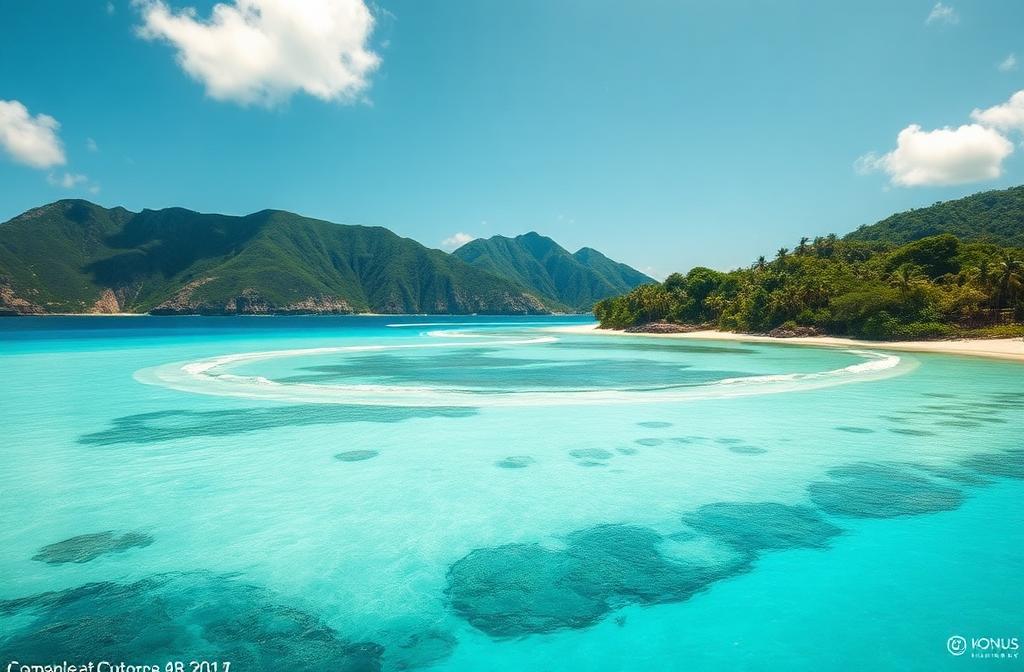
Grace Bay Beach, Turks and Caicos
Consistently ranked among the world's best beaches, Grace Bay delivers on every promise. The 12-mile stretch of powdery white sand slopes gently into impossibly clear turquoise water, protected by a barrier reef that keeps conditions calm and swimmable year-round. The lack of seaweed, vendors, and crowds creates an almost surreal tranquility that earned its UNESCO Biosphere Reserve designation.
Beyond the beach itself, the snorkeling directly offshore reveals vibrant coral gardens and tropical fish without needing a boat. The nearby Princess Alexandra National Park protects the reef ecosystem, making this both a beach lover's and marine enthusiast's paradise.
Seven Mile Beach, Jamaica
Jamaica's most iconic beach delivers the quintessential Caribbean experience: palm trees swaying over white sand, reggae drifting from beachfront bars, and that famously laid-back island energy. Located in Negril, this crescent-shaped stretch offers excellent swimming in calm, warm waters and legendary sunset views over the Caribbean Sea.
The beach seamlessly blends resort amenities with local flavor—you can spend the morning at a luxury property and the afternoon buying fresh lobster from fishermen who grill it right on the sand. Rick's Café, perched on cliffs at the southern end, has become a rite of passage for cliff-jumping into crystal waters.
Pink Sands Beach, Bahamas
Harbour Island's signature beach earns its name from microscopic coral insects called foraminifera, whose pink and red shells mix with white sand to create the distinctive rose-hued shoreline. The effect is most pronounced at the water's edge, where waves continuously refresh the pink mineral deposits against the turquoise Bahamian water.
Beyond the Instagram appeal, this three-mile stretch on the Bahamas' eastern shore offers excellent swimming and a distinctly upscale-bohemian atmosphere. Small boutique hotels and pastel-painted cottages replace mega-resorts, creating an intimate old-money elegance.
Eagle Beach, Aruba
Aruba's widest beach combines that signature Caribbean turquoise water with distinctly calm conditions—the island sits outside the hurricane belt, making it one of the safest weather bets in the region. The iconic fofoti (divi-divi) trees create sculptural silhouettes against endless blue skies, while the soft white sand stretches wide enough to never feel crowded.
Unlike neighboring Palm Beach, Eagle Beach remains low-rise and residential, with beach palapas spaced generously apart. The calm, shallow waters extend far from shore, perfect for families with young children or anyone who prefers leisurely floating over fighting currents.
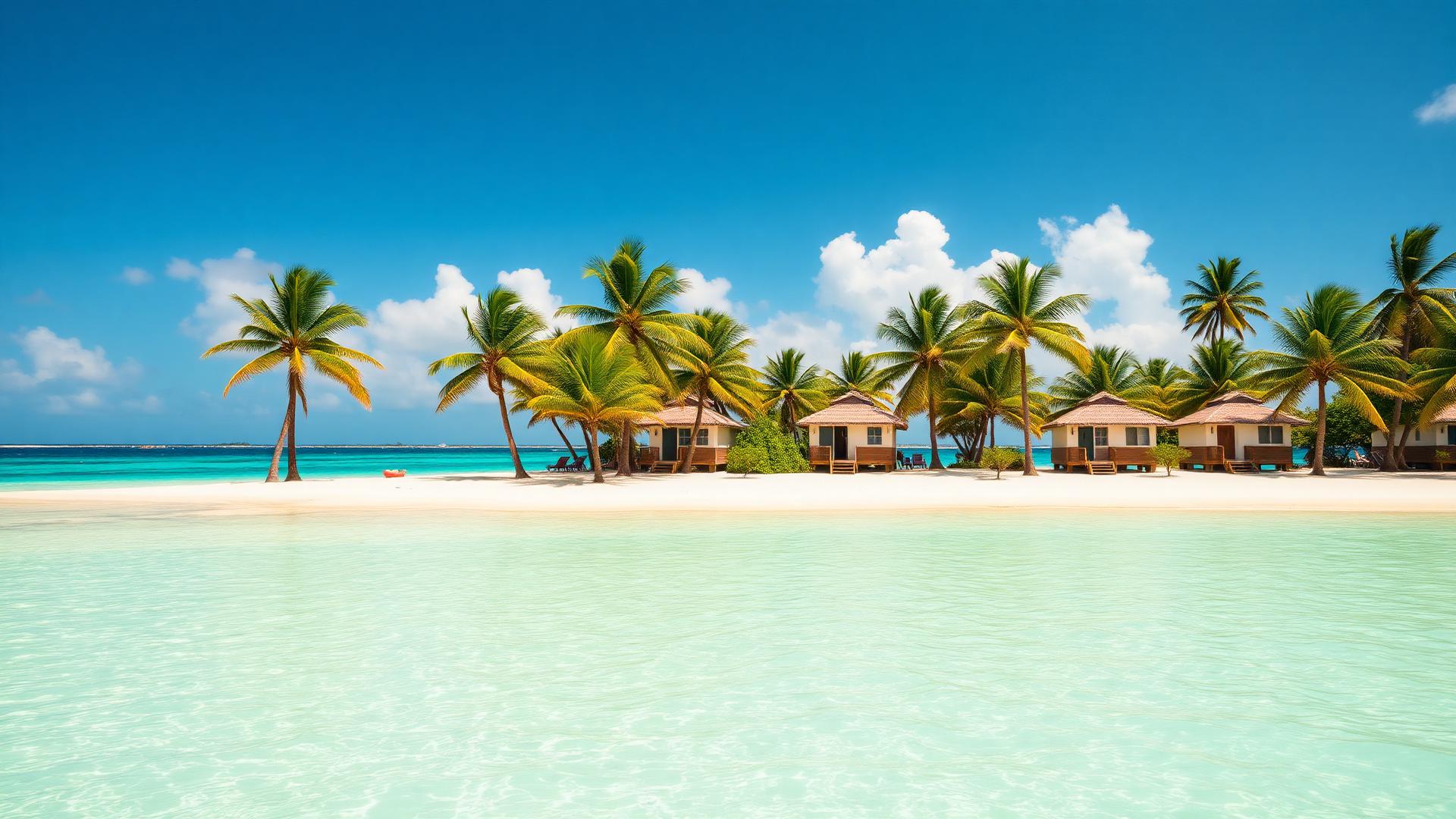
Trunk Bay, US Virgin Islands
Part of Virgin Islands National Park, Trunk Bay on St. John combines pristine beach scenery with an underwater snorkeling trail—a 225-yard marked path through coral formations with interpretive signs identifying marine life. The result is both an exceptional beach and an accessible introduction to Caribbean reef ecosystems.
The beach itself curves dramatically between forested headlands, the white sand contrasting with lush green hillsides that tumble to the waterline. As a national park beach, it maintains strict conservation standards—no vendors, no development, just pristine coastline preserved in its natural state.
Playa Flamenco, Puerto Rico
Routinely rated among the world's top beaches, Playa Flamenco on Culebra Island offers the Caribbean fantasy without a passport for American travelers. The horseshoe-shaped bay features powder-white sand meeting crystal-clear turquoise water, backed by low hills that shelter the beach from wind and waves.
The famous rusted tanks left over from naval exercises add unexpected photo opportunities against the otherwise pristine backdrop. Getting here requires a ferry or small plane from Puerto Rico's main island, keeping crowds manageable and preserving the castaway atmosphere.
Pigeon Point Beach, Tobago
This iconic beach on Trinidad's sister island features the thatched-roof jetty that has become the Caribbean's most recognizable photo backdrop. Beyond the photogenic structure, the beach delivers on fundamentals: calm turquoise waters, powder-soft sand, and that unhurried island pace that the Caribbean promises.
The adjacent Buccoo Reef offers excellent snorkeling, while the Nylon Pool—a shallow sandbar in the middle of the sea—creates one of the region's most unique swimming experiences. Tobago's smaller tourism profile means you'll share these treasures with far fewer visitors than comparable Caribbean beaches.
Anse Chastanet, St. Lucia
This beach delivers drama: volcanic black sand meets emerald water beneath the towering Piton peaks, both UNESCO World Heritage sites. The reef begins just offshore, making the snorkeling accessible directly from the beach, with visibility often exceeding 100 feet.
Unlike many Caribbean beaches, Anse Chastanet requires navigating a steep road or water taxi—the effort filters out casual visitors and preserves the beach's unspoiled character. The combination of mountain scenery, volcanic sand, and world-class snorkeling creates an experience distinct from typical white-sand destinations.
Planning Your Caribbean Beach Trip
The Caribbean's diversity means matching beach characteristics to your priorities. For pure sand-and-water perfection, Grace Bay and Flamenco set the standard. For adventure combined with beauty, Trunk Bay and Anse Chastanet deliver both. For that quintessential Caribbean vibe with local culture, Jamaica's Seven Mile Beach remains unmatched.
Consider timing: December through April offers the driest weather across most islands, though this is peak season with premium pricing. November and May provide shoulder-season value with generally reliable conditions. For hurricane avoidance, Aruba and the ABC islands sit safely outside the storm belt.
Explore more in our Western Caribbean and Eastern Caribbean destination guides for trip planning details.