Best Snorkeling Beaches in the Caribbean: A Complete Guide
From vibrant coral reefs in Turks and Caicos to underwater sculptures in Aruba, discover the Caribbean's most spectacular snorkeling destinations.
By Beach Explorer Team
The Caribbean's warm, crystal-clear waters shelter some of the most spectacular snorkeling destinations on Earth. From vibrant coral gardens teeming with tropical fish to underwater volcanic formations and shipwrecks draped in marine life, the region offers an astonishing diversity of snorkeling experiences — many accessible directly from the beach without a boat, guide, or advanced skills. This guide covers the best snorkeling beaches across the Caribbean for 2026, whether you're a first-timer or a seasoned reef explorer.
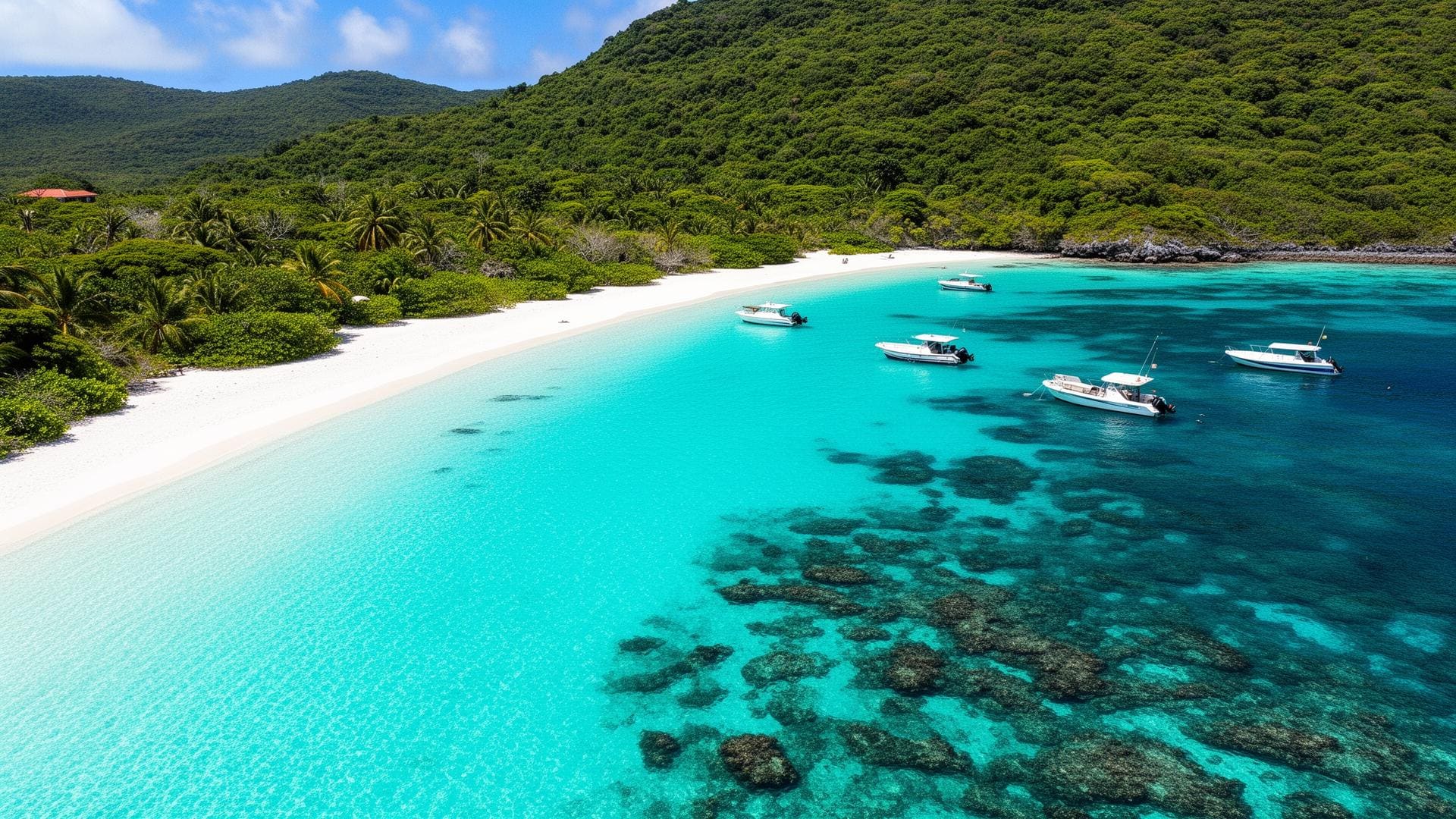
Why the Caribbean Dominates Snorkeling
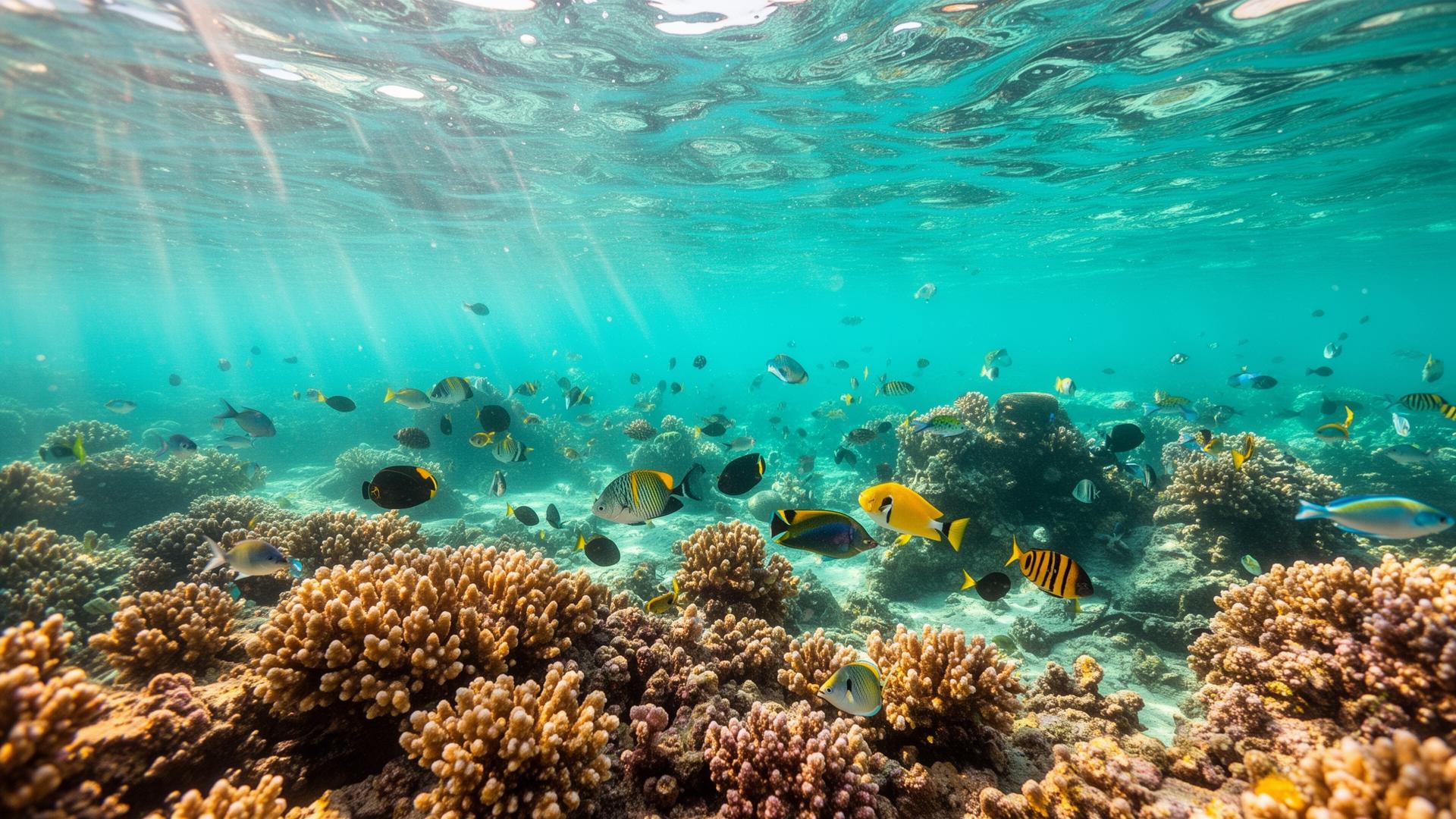
Several factors converge to make the Caribbean the world's premier snorkeling region. Water temperatures rarely drop below 77°F, eliminating the need for heavy wetsuits. Visibility regularly exceeds 80 feet in prime locations. The Caribbean Sea's relatively calm conditions — sheltered by island chains from open-ocean swells — create comfortable surface conditions for snorkelers of all experience levels.
The biological diversity is equally compelling. The Caribbean reef system supports over 500 species of fish, 65 species of coral, and countless invertebrates. Many islands have established marine protected areas that have allowed reef ecosystems to recover and thrive, creating snorkeling conditions that improve year after year.
Top Snorkeling Destinations
Cozumel, Mexico consistently tops Caribbean snorkeling rankings, and for good reason. The island's position along the Mesoamerican Barrier Reef — the second-largest reef system in the world — provides access to spectacular drift snorkeling through shallow coral gardens. The Cozumel coastline features dozens of shore-entry snorkeling spots where you can wade in from the beach and find yourself surrounded by angelfish, parrotfish, and sea fans within minutes. Chankanaab National Park and Palancar Beach are standout locations.
Providenciales, Turks and Caicos offers what many consider the clearest water in the Caribbean. Grace Bay's barrier reef creates a protected lagoon where snorkelers can explore in near-perfect visibility. Smith's Reef, accessible from a free public beach, features an underwater snorkeling trail marked with informational plaques — like a museum exhibit, except the exhibits are alive and constantly changing.
Bonaire has built its entire tourism identity around underwater exploration. The island's shore-diving-friendly reef system works equally well for snorkelers — simply wade in from dozens of marked sites around the island's leeward coast. 1000 Steps Beach (don't worry, there are actually about 70) rewards the descent with pristine reef just steps from shore. Bonaire's commitment to marine conservation means the reef is among the healthiest in the Caribbean.
The U.S. Virgin Islands make Caribbean snorkeling accessible without a passport for American travelers. Trunk Bay on St. John, part of the Virgin Islands National Park, features a renowned underwater trail with labeled coral formations. The beach itself is stunning, and the snorkeling begins in just three feet of water. Nearby Nassau and the Bahamas offer additional world-class options for snorkelers exploring the region.
Tobago Cays, St. Vincent and the Grenadines represents the Caribbean at its most pristine. This uninhabited island chain, protected as a marine park, offers snorkeling among sea turtles so accustomed to human presence that they continue grazing on sea grass as you float alongside. The horseshoe reef surrounding the cays creates a natural swimming pool of impossibly clear water.
What Makes Caribbean Snorkeling Unique
Unlike tropical Pacific destinations where the best snorkeling often requires boat access, many Caribbean islands offer exceptional reef snorkeling directly from shore. This accessibility means you can snorkel on your own schedule — an early morning session before breakfast, a midday break from beach reading, or a late afternoon drift as the underwater light turns golden. The freedom to explore independently, without tour schedules or boat logistics, is a significant advantage.
Best Time to Visit
The Caribbean snorkeling season runs year-round, but conditions peak from December through April when seas are calmest and visibility is highest. The winter months also coincide with peak travel season, so popular sites can be busy. For the best balance of conditions and crowd levels, target late November or May — shoulder periods when water conditions remain excellent but tourist density drops significantly.
Hurricane season (June–November) can bring reduced visibility due to storm surge and runoff, but between weather events, summer snorkeling can be exceptional. Water temperatures peak in August and September, and you'll find dramatically lower prices on accommodations and tours.
Essential Gear and Preparation
Caribbean snorkeling requires minimal gear — a well-fitting mask, snorkel, and fins cover the essentials. However, a rash guard or reef-safe sunscreen is critical; the Caribbean sun is intense, and you'll be exposed for longer than you expect once you start exploring. Reef shoes protect against sea urchins at rocky entry points. A complete snorkeling packing checklist ensures you don't forget the small items that make a big difference.
Reef etiquette matters: never touch or stand on coral (it's alive and fragile), maintain neutral buoyancy with relaxed fin kicks, and keep a respectful distance from marine life. Using reef-safe sunscreen without oxybenzone or octinoxate protects the very ecosystems you're there to enjoy.
Where to Stay
For snorkeling-focused trips, prioritize accommodations with direct or near-direct reef access. Properties on Bonaire's leeward coast, Cozumel's western shore, or within walking distance of Trunk Bay on St. John put you minutes from world-class snorkeling without requiring daily transportation logistics. Many Caribbean dive resorts offer excellent snorkeling packages that include gear rental, guided excursions, and unlimited shore access.
Local Tips
Morning snorkeling sessions consistently offer the best conditions — calmer water, better visibility, and more active marine life before the midday sun drives fish into deeper shade. At popular sites like Trunk Bay or Grace Bay, arriving before 9 AM can mean having the reef nearly to yourself. Bring an underwater camera; even an inexpensive waterproof point-and-shoot captures the Caribbean's vibrant colors remarkably well.
For a sustainable approach to Caribbean snorkeling, consider visiting lesser-known islands like Saba, Dominica, or the Corn Islands of Nicaragua. These destinations offer world-class snorkeling with a fraction of the visitor pressure, supporting local economies that depend on healthy marine ecosystems.
The Caribbean's snorkeling beaches represent one of the natural world's most accessible wonders — warm water, vibrant reefs, and an underwater world that reveals itself generously to anyone willing to put their face in the water and look.