Snorkeling in Nassau — Coral Reefs & Swimming Pigs
Explore Nassau's vibrant coral reefs, swim with nurse sharks at Compass Cay, and visit the famous swimming pigs.
By BeachLoco Editorial Team
Overview
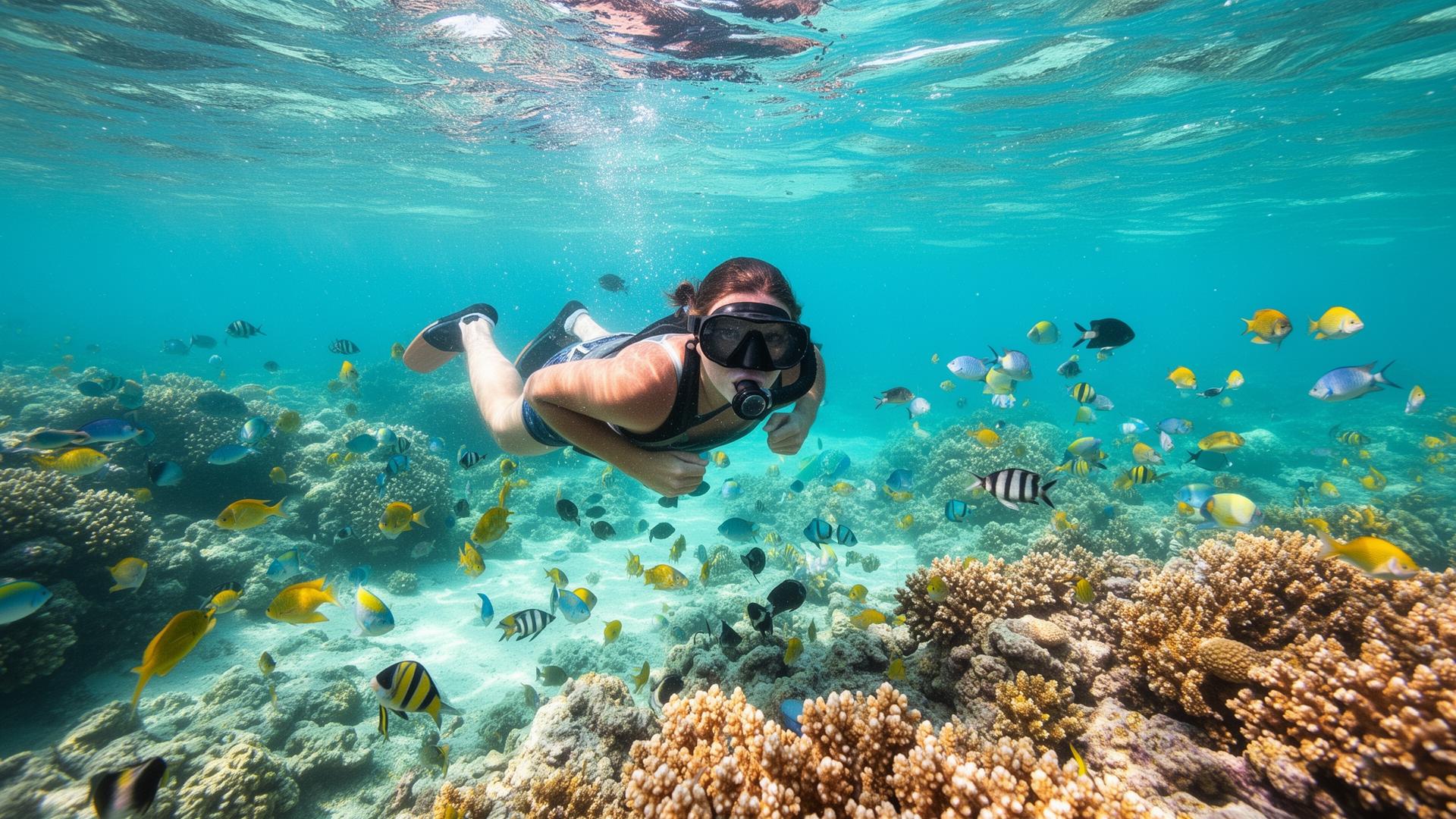
Nassau and its surrounding waters deliver some of the most spectacular snorkeling experiences in the Western Hemisphere, where impossibly clear Caribbean waters reveal a kaleidoscope of coral formations, tropical fish, and marine encounters that range from gentle sea turtles to curious reef sharks. The capital of the Bahamas sits on the island of New Providence, surrounded by shallow reef systems, dramatic underwater walls, and marine habitats that have made the Bahamas one of the world's premier snorkeling destinations.
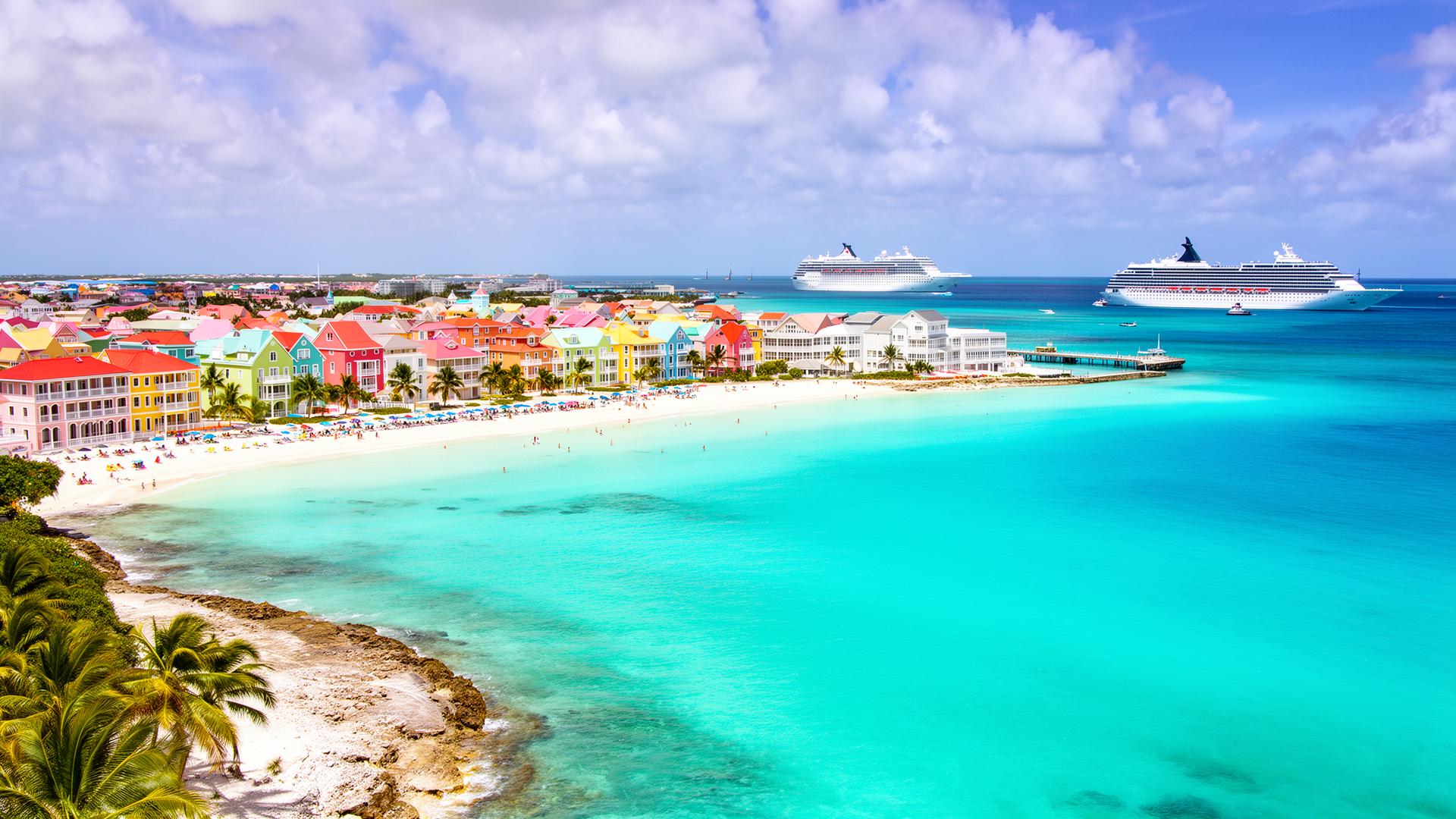
What makes Nassau particularly compelling for snorkelers is the remarkable accessibility of its best underwater sites. World-class reefs lie within minutes of the shoreline, and the calm, warm waters provide comfortable conditions for snorkelers of all experience levels year-round. From shore-entry sites where beginners can wade into a natural aquarium to boat-accessed reef systems where experienced snorkelers encounter pelagic species, Nassau covers the full spectrum of underwater adventure.
Why Nassau Is Popular for Snorkeling
The Bahamas sits atop the Great Bahama Bank, a vast shallow-water platform that creates ideal conditions for coral reef development. The combination of warm water temperatures, consistent sunlight penetration, and clean oceanic currents has produced reef ecosystems of extraordinary health and diversity. Nassau's position at the edge of the Tongue of the Ocean — a deep submarine trench that drops to over 6,000 feet — brings nutrient-rich water close to shore, supporting the food chain that underpins the reef's remarkable abundance of life.
The Bahamian government's commitment to marine conservation has created conditions where snorkelers encounter marine life in densities that many Caribbean destinations have lost. Marine protected areas, shark fishing bans, and coral reef management programs have preserved the underwater ecosystems that draw visitors from around the world. Swimming alongside Caribbean reef sharks, which are protected throughout the Bahamas, is a Nassau snorkeling experience that has become famous globally.
The tourism infrastructure supporting snorkeling in Nassau is well-developed and beginner-friendly. Numerous operators run daily snorkeling excursions to the best reef sites, providing quality equipment, experienced guides, and comfortable boats. Many excursions combine snorkeling with other activities — swimming with pigs at a nearby cay, visiting private islands, or exploring underwater sculpture gardens — creating multi-experience days that appeal to groups with varied interests.
What Makes Nassau Snorkeling Unique
The clarity of Bahamian waters is genuinely extraordinary. Visibility regularly exceeds 80 to 100 feet, creating an underwater experience where the reef stretches before you in perfect detail to distances that seem almost impossible. This clarity means that even from the surface, snorkelers can observe fish behavior, coral structure, and bottom features with a precision that murkier waters simply cannot provide. The sensation of floating over a vibrant reef in crystal-clear water is transcendent.
The variety of marine encounters available around Nassau sets it apart from less biodiverse destinations. A single snorkeling excursion might include sightings of green sea turtles grazing on sea grass, southern stingrays gliding over sandy patches, Nassau grouper hovering near coral heads, and schools of blue tang moving in synchronized formations across the reef face. Nurse sharks, often resting under coral ledges, provide close encounters that thrill snorkelers without posing any danger.
The underwater sculpture garden at the Clifton Heritage National Park adds a cultural dimension to the Nassau snorkeling experience that is unique in the Caribbean. Submerged bronze sculptures by Bahamian artist Antonius Roberts depict figures emerging from the sea floor, creating a haunting and beautiful intersection of art and marine ecology. The sculptures have been colonized by coral and fish, becoming living reefs that grow more remarkable with each passing year.
Best Time to Visit
Nassau offers genuinely year-round snorkeling, with water temperatures ranging from 75°F in winter to 85°F in summer. The most consistent conditions occur from late March through early July, when winds are lightest, seas are calmest, and visibility reaches its annual peak. This window provides the most reliable access to outer reef sites that can be difficult to reach during windier periods.
Summer months (June through September) bring the warmest water and longest days, providing extended snorkeling sessions in bathwater-warm conditions. While afternoon thunderstorms are common during summer, mornings are typically clear and calm. The warm water also increases marine activity, with more fish species active and visible than during cooler months.
Winter (December through February) offers comfortable snorkeling in water temperatures that most visitors find pleasant, particularly with a thin rash guard. The reduced tourist traffic means less competition for popular snorkeling sites, and certain marine species — including spotted eagle rays and whale sharks — make seasonal appearances that create unique winter encounters. For more Caribbean snorkeling, see our Caribbean snorkeling guide and Cancún snorkeling.
Nearby Beaches and Attractions
Cable Beach, Nassau's most famous stretch of sand, provides excellent shore-entry snorkeling along the rocky formations at its western end. The beach itself is a beautiful crescent of white sand backed by luxury resorts, and the shallow reef just offshore hosts parrotfish, sergeant majors, and juvenile barracuda. The combination of easy snorkeling access and resort amenities makes Cable Beach ideal for mixed groups where some members prefer the beach while others snorkel. Check our best beaches in Nassau guide for more options.
Rose Island, a short boat ride from Nassau, offers a private island experience with exceptional snorkeling on pristine reefs. Several operators run day trips to Rose Island that include beach time, snorkeling, and lunch, creating a full-day escape from Nassau's busier beaches. The reef surrounding the island is remarkably healthy, with hard corals, sea fans, and sponges supporting diverse fish communities.
The Exuma Cays, accessible by day trip from Nassau, represent the pinnacle of Bahamian marine environments. The Exuma Cays Land and Sea Park — the first marine protected area in the Caribbean — harbors reef ecosystems that have been protected for decades, resulting in fish populations and coral health that are among the best in the region. The famous swimming pigs of Big Major Cay have become a bucket-list attraction, and the snorkeling along the Exuma chain is world-class.
Where to Stay
Cable Beach and the western Nassau resort corridor provide the most convenient access to both organized snorkeling excursions and shore-entry reef sites. The Baha Mar resort complex anchors this area with multiple hotel brands, a casino, and extensive beach facilities. Several independent hotels along Cable Beach offer more affordable options with the same beach access and proximity to snorkeling operators.
Downtown Nassau and the cruise port area offer budget-friendly accommodations with easy access to the numerous snorkeling tour operators based at the harbor. While the beaches here are less appealing than Cable Beach, the walking access to shops, restaurants, and the historic district provides excellent non-snorkeling entertainment. Many harbor-based operators include transportation from downtown hotels in their pricing.
Paradise Island, connected to Nassau by bridge, provides a resort experience centered around the Atlantis complex. While Atlantis's marine habitats are man-made, the resort's Aquaventure water park and extensive marine exhibits provide fascinating context for your reef snorkeling experiences. Several smaller properties on Paradise Island offer quieter stays with beach access and proximity to excellent snorkeling on the island's northern reef. See our luxury resorts in Nassau guide for premium stays.
Local Tips
Book snorkeling excursions that visit the outer reefs rather than settling for nearshore sites. The difference in water clarity, coral health, and marine life abundance between inner and outer reef sites is dramatic. Outer reef trips cost slightly more but deliver a fundamentally different — and superior — snorkeling experience. Ask operators specifically about their reef destinations and expected visibility before booking.
Bring or purchase reef-safe sunscreen before entering the water. The Bahamas has implemented increasing protections for its marine environments, and conventional sunscreens containing oxybenzone and octinoxate are harmful to the coral reefs you are visiting. Mineral-based sunscreens with zinc oxide provide effective protection without damaging the reef. Apply 30 minutes before swimming for maximum effectiveness.
For the best underwater photography in Nassau's clear waters, use natural light and get as close to your subject as safely possible. The exceptional visibility makes wide-angle shots particularly rewarding — you can capture entire reef scenes with fish, coral, and blue water in a single frame. A red filter for your camera or phone housing will correct the blue color cast and reveal the true vibrant colors of the reef.
Consider scheduling a snorkeling session during the afternoon, when most day-trippers and cruise ship passengers have returned to their vessels or resorts. Late afternoon light creates dramatic underwater conditions, with shafts of sunlight penetrating the clear water and illuminating the reef in ways that morning visits rarely achieve. The reduced boat traffic also means calmer water and less disturbance to marine life.