Best Beaches in Portugal: From Algarve Cliffs to Azores Shores
Discover Portugal's finest coastline — from the dramatic sea caves of the Algarve to the volcanic black-sand beaches of the Azores and the hidden surf coves of the Lisbon Coast.
By BeachLoco Editorial
Portugal commands over 1,700 kilometers of Atlantic coastline, and every stretch tells a different story. The Algarve's golden cliffs and turquoise grottoes draw millions each summer, but the country's beach culture runs far deeper — from the raw, wind-sculpted surf breaks north of Lisbon to the subtropical shores of Madeira and the volcanic pools of the Azores. This is a nation that doesn't just have beaches; it lives on them.
What sets Portugal apart from its Mediterranean neighbors is the Atlantic itself. The water is cooler, the waves are bigger, and the coastline feels wilder. That raw energy, combined with year-round sunshine in the south and some of Europe's most affordable coastal towns, makes Portugal one of the continent's most compelling beach destinations.
Who This Is Best For
Surfers and wave hunters chasing Europe's best Atlantic swells. Couples seeking cliff-top romance without Amalfi price tags. Budget travelers wanting world-class beaches at a fraction of Spanish resort costs. Adventure seekers drawn to volcanic landscapes, hidden coves, and coastal hiking trails that rival anything in the Mediterranean.
The Algarve: Golden Cliffs and Secret Grottoes
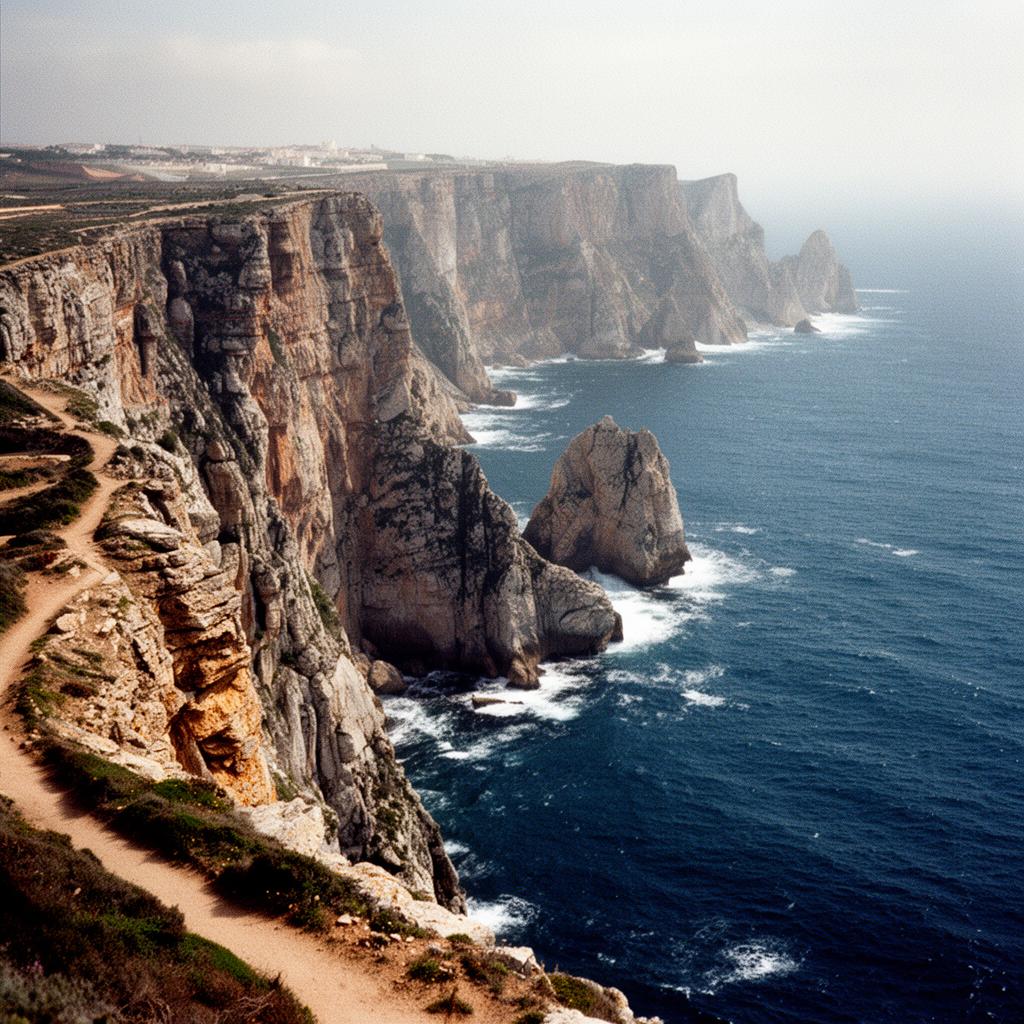
The Algarve needs little introduction — its ochre sea stacks, hidden caves, and sheltered coves have graced countless travel covers. But beyond the well-photographed Praia da Marinha and Benagil Cave, this southern coast holds quieter rewards. The western Algarve, particularly around Sagres and Aljezur, offers rugged, less-developed beaches where the Atlantic crashes against dramatic cliff faces.
Praia do Camilo, tucked beneath limestone formations near Lagos, delivers the Algarve's signature experience: warm, protected water framed by sculptural rock. Further east, the barrier islands of the Ria Formosa Natural Park — Ilha Deserta, Ilha de Tavira — offer some of the region's most pristine, crowd-free sand. These islands are accessible only by boat, which keeps them blissfully undeveloped.
For families, Albufeira's Praia dos Pescadores provides gentle water and full amenities, while the windswept beaches near Carrapateira attract experienced surfers seeking powerful, uncrowded breaks. The Algarve isn't one beach destination — it's a dozen, each with a distinct personality.
Lisbon Coast and Setúbal Peninsula
Within an hour of Lisbon, the coastline transforms from urban waterfront to wild Atlantic shore. Cascais and its neighbor Guincho Beach have long been the capital's seaside escape — Guincho, in particular, is a world-class windsurfing spot where the Sintra hills meet the sea.
South of the Tagus, the Arrábida Natural Park shelters some of Portugal's most beautiful — and least expected — beaches. Praia de Galapinhos, consistently ranked among Europe's finest, sits beneath forested cliffs with water so clear it rivals the Greek islands. The Serra da Arrábida coast feels like a secret the locals have been keeping from the tourist trail.
Further south, the Comporta coast has emerged as Portugal's understated luxury destination. Rice paddies meet white-sand beaches backed by umbrella pines, attracting a creative, low-key crowd that values space over spectacle. It's where Lisbon's architects and artists spend their summers, and the Atlantic Europe beach scene at its most refined.
The Azores and Madeira: Volcanic Shores
Portugal's Atlantic islands offer a beach experience unlike anything on the mainland. The Azores — nine volcanic islands scattered across the mid-Atlantic — feature dramatic black-sand beaches, natural thermal pools carved into lava rock, and water so clear you can see thirty meters down. São Miguel's Praia de Santa Bárbara is a wild, surf-friendly strand backed by green volcanic slopes.
Madeira, warmer and more subtropical, trades traditional beaches for dramatic coastal swimming. The natural lava pools at Porto Moniz are the island's signature bathing experience — seawater fills volcanic rock formations while Atlantic waves crash just beyond the barriers. For actual sand, the golden beach at Calheta (imported from Morocco, admittedly) provides a more conventional option with mountain views.
Both archipelagos reward travelers who define "beach" broadly. The swimming is exceptional, the landscapes are extraordinary, and the crowds that plague mainland Europe are entirely absent. These islands represent some of the most hidden beach gems in all of Europe.
Portugal's Surf Coast: Ericeira to Peniche
Between Lisbon and Leiria, Portugal's central coast has earned its reputation as Europe's premier surf destination. Ericeira, a designated World Surfing Reserve, packs over a dozen quality breaks into a compact stretch of coastline. From the heavy reef at Coxos to the learner-friendly waves at Foz do Lizandro, there's a break for every ability.
Peniche, further north, anchors the other end of this surf corridor. The Supertubos break hosts the World Surf League championship tour, producing fast, hollow barrels that rival anything in the Southern Hemisphere. Nazaré, just up the coast, has become globally famous for its monster winter swells — waves exceeding 20 meters that attract big-wave riders from around the world.
What makes this coast special for non-surfers is the culture it creates. Beach towns like Ericeira and Peniche buzz with a creative, international energy — excellent seafood restaurants, surf-inspired cafés, and a pace of life governed by tides and swells rather than schedules.
Best Time to Visit
June to September delivers peak conditions in the Algarve and along the southern coast, with water temperatures reaching 22°C and virtually zero rainfall. April to May and October offer the sweet spot for the Lisbon coast and surf regions — smaller crowds, warm air, and excellent wave conditions. The Azores are best from June to September, though the islands remain mild year-round. For big-wave surfing at Nazaré, October to March is the season.
Where to Stay
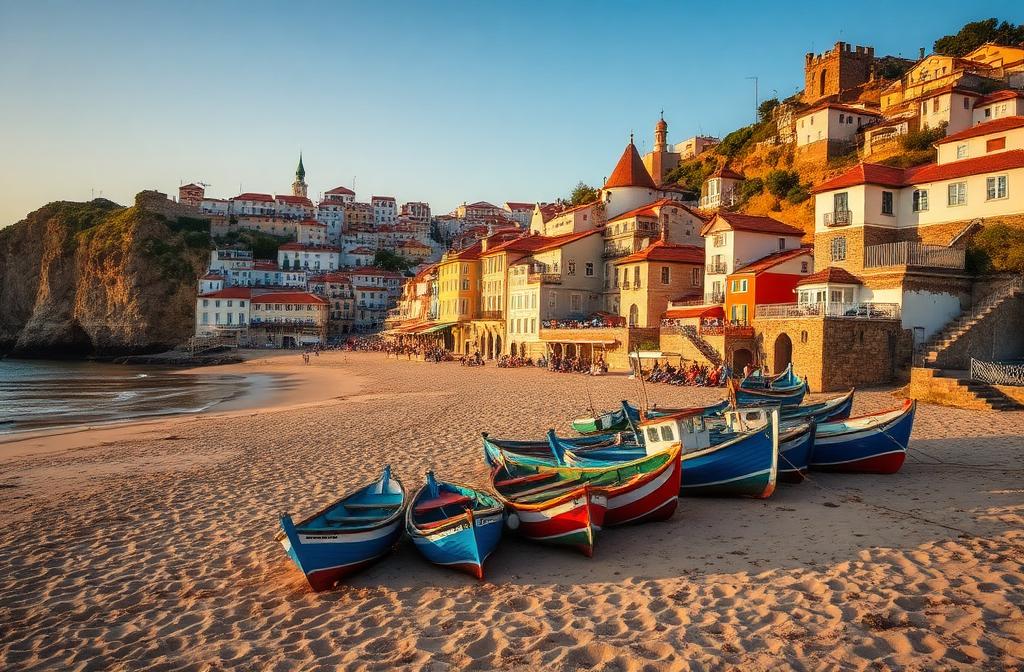
Lagos is the ideal base for exploring the western Algarve — walkable, affordable, and close to the region's best beaches. Ericeira is perfect for surf-focused trips with excellent dining. Comporta suits luxury seekers who prefer understated elegance. For the Azores, base yourself in Ponta Delgada on São Miguel for the best infrastructure and day-trip access to the island's volcanic beaches.
Travel Tips
Rent a car — Portugal's best beaches are often down unpaved roads or require short hikes from parking areas. The Atlantic Europe region rewards exploration off the main highways. Water temperatures vary dramatically: the Algarve averages 20–23°C in summer, while the central and northern coasts hover around 16–18°C. A 3/2mm wetsuit is essential for surfing anywhere north of Lisbon. Book Azores flights early — connections from Lisbon fill quickly in July and August.
Explore more hidden gem beaches across Europe and beyond.