Best Time to Visit Sri Lanka: Weather, Monsoons & Beach Seasons
Sri Lanka's unique dual-monsoon system means different coasts shine at different times. Learn exactly when to visit the south coast versus the east coast for ideal beach conditions, whale watching, and surfing.
By BeachLoco Editorial Team
Sri Lanka doesn't follow the typical tropical playbook. While most beach destinations offer one straightforward peak season, this teardrop-shaped island has mastered the art of year-round beach weather—with a catch. Thanks to two distinct monsoon systems, when one coast is drenched in rain, the other is basking in sunshine. Understanding this seasonal flip is the key to planning your perfect Sri Lankan beach vacation.
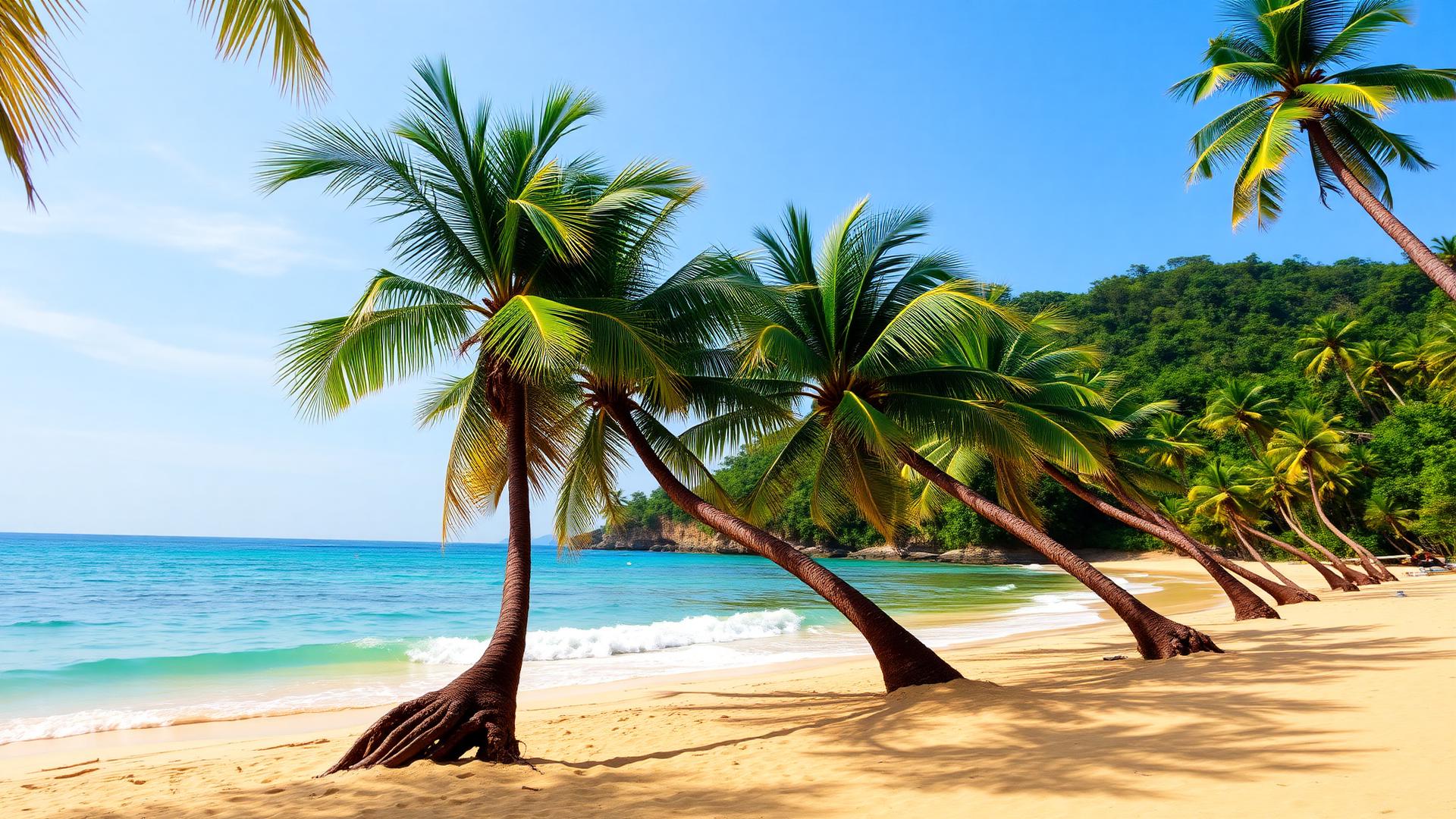
Whether you're chasing blue whales off Mirissa, riding world-class breaks at Arugam Bay, or simply seeking golden sands and calm waters, timing your visit correctly makes all the difference. This comprehensive guide breaks down Sri Lanka's complex weather patterns into simple, actionable advice.
Quick Season Reference
South & West Coast
December – March
Whale watching, calm seas, Galle exploration
East Coast
April – September
Surfing at Arugam Bay, Trincomalee beaches
Hill Country
Year-round (Best Jan–Apr)
Ella, tea plantations, cooler temperatures
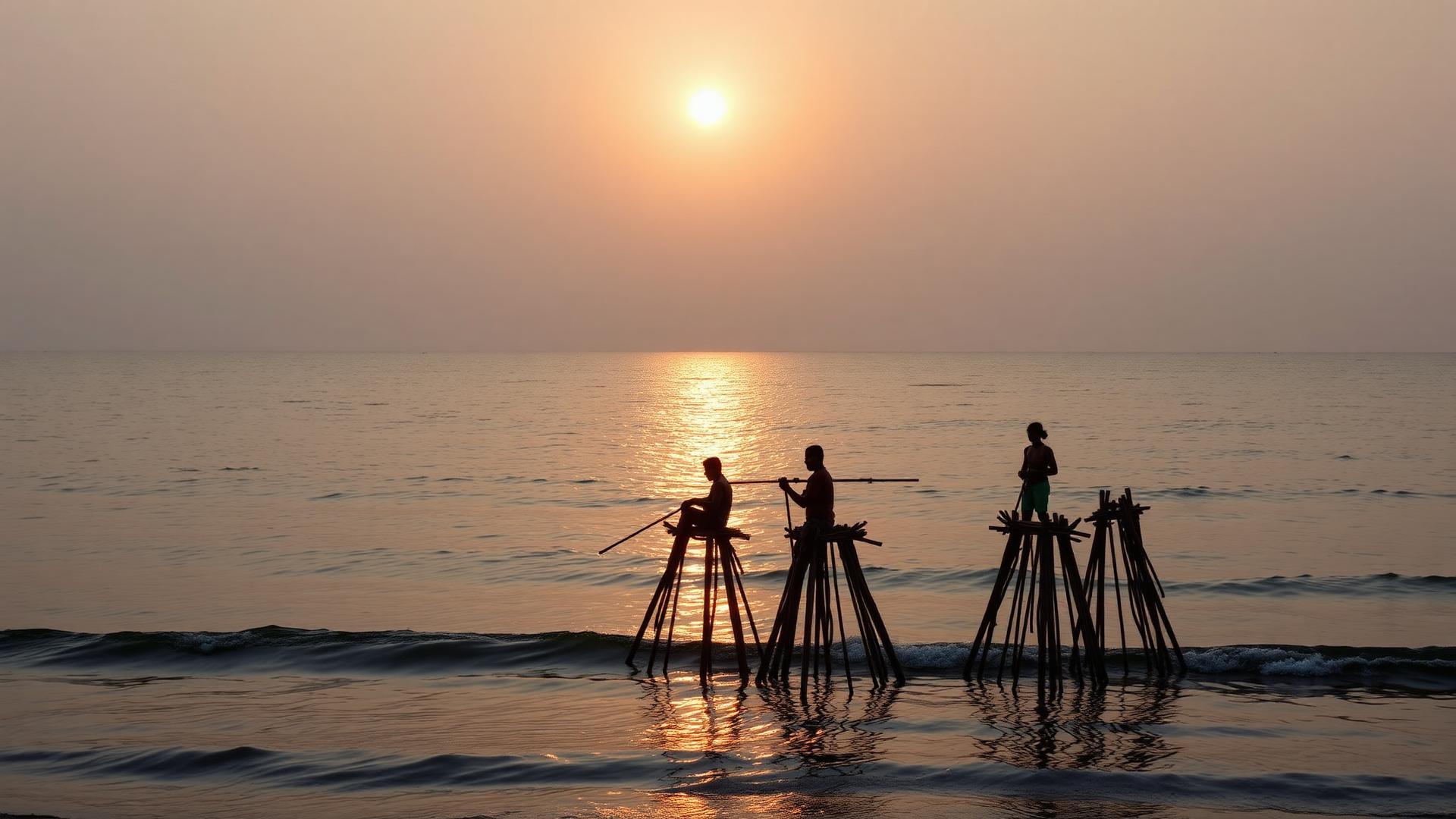
Understanding Sri Lanka's Dual Monsoon System
Planning a trip? Compare hotels in Sri Lanka on Expedia to lock in the best rate before you go.
Sri Lanka sits in the path of two separate monsoon systems that sweep across the Indian Ocean at different times of year. This geographic quirk creates a fascinating weather pattern where the island essentially has two separate beach seasons running simultaneously on opposite coasts.
The Southwest Monsoon (Yala)
From May to September, the southwest monsoon brings heavy rainfall to Sri Lanka's south and west coasts. During these months, the beaches from Colombo down through Galle and Mirissa experience rough seas, strong winds, and frequent afternoon storms. Swimming becomes dangerous at many beaches, and visibility for snorkeling drops significantly.
However, this same weather system creates calm, clear conditions on the east coast. While the west is being battered, beaches like Arugam Bay, Trincomalee, and Pasikuda enjoy their peak season with excellent swimming conditions and consistent surfing swells.
The Northeast Monsoon (Maha)
The pattern reverses from October through January when the northeast monsoon brings its rains to the east coast. Now it's the south and west that enjoy their peak season—the classic Sri Lankan beach holiday period that most travelers target. December through March sees the calmest seas, clearest skies, and best conditions for whale watching off Mirissa.
Inter-Monsoon Transitions
April and October/November serve as transition periods when weather across the island can be unpredictable. Brief, intense showers may occur anywhere, though these typically pass quickly. April marks an excellent time for a two-coast itinerary, catching the tail end of south coast season while the east coast is coming into its prime.
South & West Coast Beach Season: December to March
This is Sri Lanka's flagship beach season—the window when international visitors flock to the country's most developed coastal stretch. From the colonial charm of Galle to the whale watching mecca of Mirissa, the south coast offers the complete Sri Lankan beach experience during these months.
Mirissa: Whale Watching Capital
The waters off Mirissa become one of the world's premier whale watching destinations from December through April. Blue whales—the largest animals on Earth—migrate through these waters in remarkable numbers, along with sperm whales, dolphins, and occasional orcas. The calm sea conditions make for comfortable boat trips and excellent sightings.
Beyond the whales, Mirissa Beach itself offers a perfect crescent of golden sand, excellent seafood restaurants, and a relaxed backpacker-meets-luxury vibe. The famous coconut tree swing provides endless Instagram opportunities at sunset. Book whale watching tours in advance during February and March when demand peaks.
Unawatuna: Family-Friendly Paradise
Protected by a reef that creates a natural swimming pool, Unawatuna ranks among Sri Lanka's safest and most family-friendly beaches. The calm, shallow waters make it ideal for children, while the small bay concentrates a lively scene of beachfront restaurants, yoga shalas, and dive shops.
During peak season, visibility for snorkeling reaches 20 meters or more. The nearby Japanese Peace Pagoda offers stunning sunset views, and the historic Galle Fort is just a 15-minute tuk-tuk ride away.
Hikkaduwa: Surfing and Snorkeling Hub
Sri Lanka's original backpacker beach destination still draws crowds for good reason. Hikkaduwa offers reliable beginner-to-intermediate surf breaks, a protected coral sanctuary for snorkeling, and sea turtles that regularly visit the shore. The town maintains a buzzing nightlife scene and excellent value accommodation.
Bentota: Luxury Resort Coast
Further north, Bentota caters to those seeking five-star resorts and manicured beach experiences. The Bentota River estuary offers water sports, mangrove boat trips, and birdwatching. Several colonial-era gardens and Geoffrey Bawa architectural sites add cultural depth to a beach holiday.
Tangalle: Off-the-Beaten-Path Serenity
For travelers seeking quieter shores, Tangalle and its surrounding bays offer pristine beaches with far fewer visitors. The coast here becomes wilder and more dramatic, with excellent surf for experienced riders and spectacular sunsets. Nearby Rekawa Beach serves as a nesting site for sea turtles from April to September.
South/West Coast Conditions (Dec–Mar)
Water Temp
27–29°C
Air Temp
28–32°C
Sea Conditions
Calm
Visibility
15–25m
East Coast Beach Season: April to September
While fewer international tourists make it to Sri Lanka's east coast, those who do discover a completely different beach culture—less developed, more authentic, and home to some of Asia's best surfing. As the southwest monsoon drenches the popular south coast, the east enjoys dry skies and perfect beach weather.
Arugam Bay: World-Class Surf Destination
Arugam Bay consistently ranks among the world's top ten surf spots and serves as the undisputed capital of Sri Lanka's east coast scene. From June through August, the main point break delivers legendary right-handers that draw surfers from across the globe.
Multiple breaks cater to different skill levels—beginners can learn at Baby Point while advanced riders tackle the main point or venture to nearby Pottuvil Point. Beyond surfing, the laid-back village vibe, excellent seafood, and proximity to wildlife at Kumana National Park create a compelling destination even for non-surfers.
Accommodation books out quickly during peak surf season. Reserve at least 2-3 weeks in advance for July and August visits.
Trincomalee: Diving and Pristine Beaches
The deep natural harbor of Trincomalee has attracted sailors for centuries, and today it draws beach lovers to some of Sri Lanka's most beautiful and least crowded shores. The town itself holds significant Hindu temples and colonial architecture, while nearby beaches offer contrasting experiences.
Nilaveli Beach stretches for kilometers of pristine white sand, rarely crowded even in peak season. A short boat ride away, Pigeon Island National Park protects some of Sri Lanka's best coral for snorkeling, with blacktip reef sharks, turtles, and colorful reef fish.
Pasikuda and Kalkudah: Shallow Water Paradise
These neighboring beaches feature remarkably shallow water extending far from shore—perfect for families with young children and those who prefer wading to swimming. The sandy bottom and gentle conditions create an almost lagoon-like experience. Several luxury resorts have opened here in recent years, offering an upmarket alternative to Arugam Bay's backpacker scene.
Uppuveli: Local Beach Culture
Just north of Trincomalee, Uppuveli offers a more local beach experience with small guesthouses, family-run restaurants serving fresh catch, and fewer tourists overall. The sunset views across the bay toward Trincomalee's harbor are particularly spectacular.
East Coast Conditions (Apr–Sep)
Water Temp
28–30°C
Air Temp
30–35°C
Surf Conditions
Consistent
Visibility
10–20m
South Coast vs. East Coast: Complete Comparison
Choosing between Sri Lanka's two beach coasts depends on your travel style, timing, and priorities. Here's how they compare across key factors:
| Factor | South & West Coast | East Coast |
|---|---|---|
| Peak Season | December – March | April – September |
| Best For | Whale watching, snorkeling, cultural sites | Surfing, diving, uncrowded beaches |
| Development Level | Well-developed, wide range of accommodation | Less developed, more authentic |
| Water Conditions | Calm, clear, excellent for swimming | Waves for surfing, warm temperatures |
| Main Destinations | Mirissa, Unawatuna, Galle, Hikkaduwa | Arugam Bay, Trincomalee, Nilaveli |
| Cultural Access | Galle Fort, temple circuit, tea country nearby | Hindu temples, less tourist infrastructure |
| Crowd Level | Higher, especially Dec–Feb | Lower, even in peak season |
| Budget Options | Moderate to high (tourist pricing) | Generally more affordable |
Shoulder Seasons & When to Avoid
April: The Transition Window
April represents an interesting opportunity for adventurous travelers. The south coast is winding down but still offers decent conditions in early April, while the east coast is just warming up. Savvy visitors can experience both coasts in a single trip, catching the last of the whale watching season before heading east for the emerging surf.
Expect occasional showers island-wide during April as the monsoons transition, but these rarely last more than an hour. April also coincides with the Sinhalese and Tamil New Year celebrations, offering unique cultural experiences but also higher domestic tourism.
October–November: Inter-Monsoon Rains
These months see rain across much of Sri Lanka as weather patterns shift between monsoons. While it's not impossible to visit, expect unpredictable conditions, rougher seas on both coasts, and some tourist facilities operating on reduced schedules. That said, budget travelers can find excellent deals during this period, and breaks in the weather still allow for beach time.
November typically ranks as the wettest month island-wide. Beach holidays are best avoided unless you're prepared for significant rain and don't mind spending time indoors.
Budget Travel Opportunities
Shoulder seasons offer 30-50% discounts at many beach resorts. Late March and late September provide the best value while still offering reasonable conditions—the monsoon impacts begin gradually rather than arriving overnight.
Special Considerations for Activity Planning
Whale Watching at Mirissa
The whale watching season runs strictly from December through April, with February and March offering the highest sighting rates. Blue whales are the main attraction, but sperm whales, spinner dolphins, and occasional orcas also appear. Book with reputable operators who follow responsible watching guidelines—the industry unfortunately includes some operators who approach too close to the animals.
For the best experience, book morning departures when seas are calmest. Tours typically run 4-6 hours. Those prone to seasickness should come prepared, though the calmer peak season conditions help.
Surfing at Arugam Bay
The surf season at Arugam Bay runs from April through September, with June through August delivering the most consistent swells. The main point break suits intermediate to advanced surfers, while beginners should head to Baby Point or Peanut Farm. Board rental and lessons are readily available.
Outside surf season, Arugam Bay essentially shuts down—most accommodation and restaurants close, and the waves disappear. Don't plan an Arugam Bay trip between October and March.
Hill Country Escapes
Sri Lanka's central highlands around Ella, Nuwara Eliya, and Kandy offer year-round visiting, though January through April sees the driest weather. Combining beach time with a few days in the hills makes for an ideal Sri Lankan itinerary—the scenic train from Kandy to Ella is often cited as one of the world's great rail journeys.
Wildlife Safaris at Yala
Yala National Park—famous for its leopard population—is best visited from February to July when the dry season concentrates animals around water sources. The park closes each September for maintenance. Udawalawe National Park offers excellent elephant viewing year-round.
Festival Timing
The Esala Perahera in Kandy (July/August) ranks among Asia's most spectacular festivals, with ten nights of elephant processions, traditional dancers, and fire performers. Accommodation books out months in advance. Vesak (May) sees the island decorated with lanterns and offers a more local festival experience.
Month-by-Month Planning Guide
Practical Tips for Planning Your Visit
- Book whale watching tours at least a week in advance during February and March—the most popular operators fill their boats quickly.
- Reserve Arugam Bay accommodation 2-3 weeks ahead for July and August visits. The town has limited rooms and demand is high during peak surf season.
- Consider a two-coast itinerary if visiting in April or September, catching the transition between seasons on both coasts.
- Build in flexibility for weather changes, especially during shoulder seasons. Having indoor backup plans—temple visits, cooking classes, spa days—ensures you make the most of any rainy spells.
- Pack for both conditions even in peak season. Light rain gear, quick-dry clothing, and reef-safe sunscreen cover all scenarios.
- Flight timing matters: International flights arrive in Colombo, closer to the south coast. East coast destinations require 6-8 hours overland travel—factor this into your planning.
Sri Lanka rewards those who understand its seasonal rhythms. Whether you're here for the whales of Mirissa, the waves of Arugam Bay, or simply seeking tropical beach perfection, timing your visit to match the monsoons ensures you'll experience this island at its finest.