Canary Islands Travel Guide: Volcanic Beaches and Year-Round Sun
From Tenerife's black-sand shores to Fuerteventura's endless dunes — the complete guide to the Canary Islands' extraordinary beach diversity.
By BeachLoco Editorial
Rising from the Atlantic just off the coast of North Africa, the Canary Islands occupy a unique position in European beach travel. Seven main islands, each with a distinct personality, offer everything from jet-black volcanic strands to Saharan-style dune systems — all under near-constant sunshine. While mainland Europe shivers through winter, the Canaries maintain temperatures between 20°C and 28°C year-round, making them the continent's only true four-season beach destination.
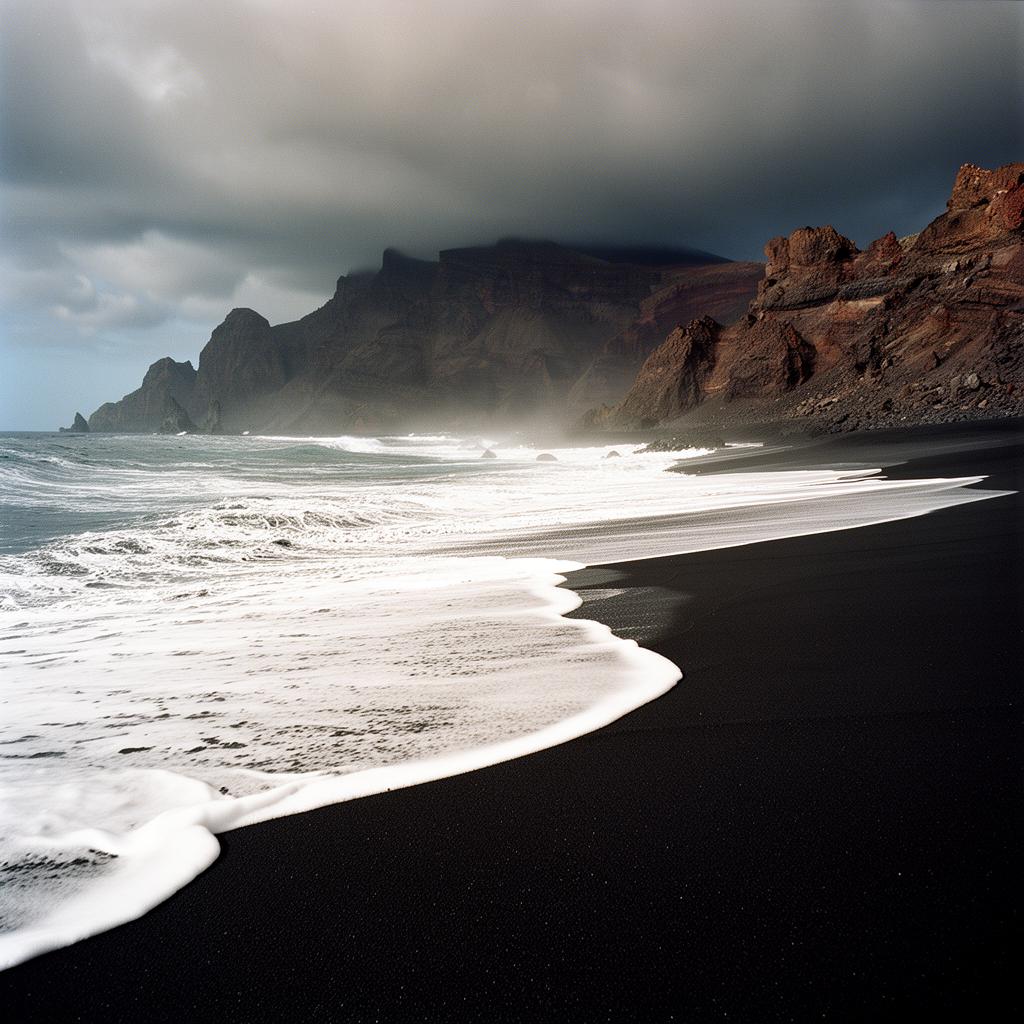
But the Canaries are far more than a winter-sun cliché. Beyond the resort strips of southern Tenerife and Gran Canaria, these islands harbor some of the Atlantic's most dramatic coastal landscapes: volcanic rock pools carved by centuries of surf, towering sea cliffs that plunge into cobalt water, and wild, wind-sculpted beaches that feel more like Iceland than Spain.
Who This Is Best For
Winter escapists seeking guaranteed warmth without long-haul flights. Surfers and windsurfers drawn to consistent Atlantic swells and trade winds. Hikers who want to combine mountain trails with beach days. Families looking for safe, well-serviced beaches with year-round reliability. Geology enthusiasts fascinated by volcanic landscapes meeting the ocean.
Tenerife: The Dramatic Contrast
Tenerife is an island of extremes. The south coast — Playa de las Américas, Los Cristianos, Costa Adeje — delivers the classic Canary Islands resort experience: calm water, golden sand (much of it imported), and wall-to-wall sunshine. But the real Tenerife reveals itself once you leave the tourist corridor.
The north coast is wild and green, with black-sand beaches like Playa de Benijo backed by the ancient Anaga mountains. The natural pools at Garachico, formed when 18th-century lava flows met the sea, offer some of the most atmospheric swimming anywhere in the Atlantic. And towering above everything, Mount Teide — Spain's highest peak — creates a microclimate that keeps the north lush while the south stays arid.
Playa de las Teresitas, near the capital Santa Cruz, is the island's most photogenic beach: a crescent of golden Saharan sand backed by palm trees, with the Anaga massif rising dramatically behind. It's proof that Tenerife's best beaches aren't always in the resort zones.
Fuerteventura: The Endless Shoreline
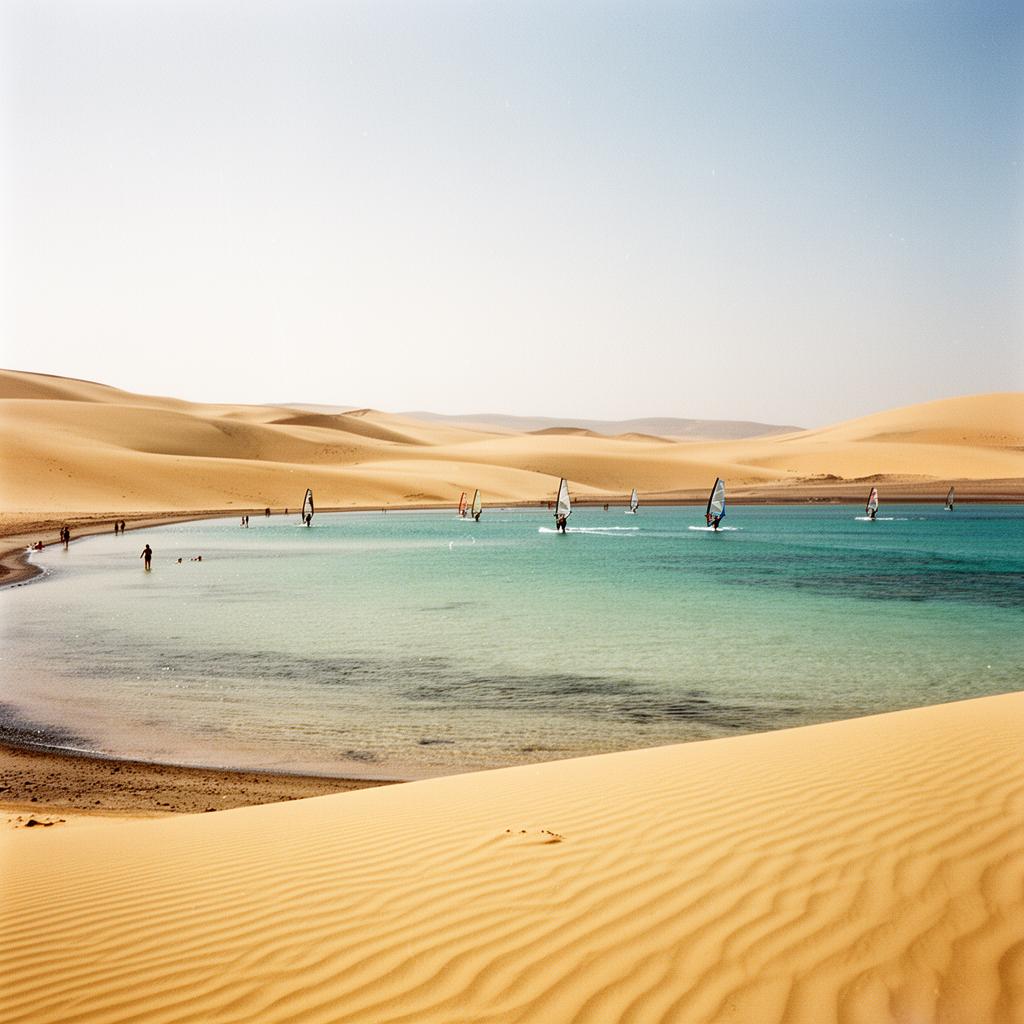
If Tenerife is about dramatic contrasts, Fuerteventura is about sheer scale. This arid, wind-blasted island — the closest Canary Island to Africa — boasts over 150 kilometers of beaches, many of them vast, empty, and backed by nothing but volcanic desert. The Corralejo Dunes Natural Park, at the island's northern tip, is a genuine Saharan landscape: towering sand dunes rolling down to turquoise water.
The Sotavento coast, stretching along the southeast, transforms with the tides into an enormous, shallow lagoon — a paradise for kitesurfers and windsurfers. The annual Fuerteventura Windsurfing and Kiteboarding World Cup takes place here, testament to the island's legendary wind conditions.
For quieter experiences, the west coast beaches around El Cotillo offer superb snorkeling in natural rock-pool lagoons, while the south's Playa de Cofete is one of the most remote and spectacular beaches in all of Europe — a 12-kilometer sweep of wild sand accessible only by dirt road, with zero development and views toward the Jandía mountains.
Lanzarote and Gran Canaria
Lanzarote, shaped by 18th-century eruptions, is the most visually surreal of the islands. César Manrique's architectural vision integrated art with volcanic landscape, creating a cultural context that elevates the island beyond typical beach tourism. The Papagayo beaches, clustered in a natural reserve at the southern tip, are Lanzarote's finest — sheltered golden coves set between dark volcanic cliffs with some of the clearest water in the archipelago.
Gran Canaria packs remarkable diversity into a circular island often called a "miniature continent." The famous Maspalomas Dunes — a protected ecosystem of sand, lagoon, and palm oasis — anchor the southern coast. The beach stretches for six kilometers and ranges from busy resort strips to clothing-optional sections near the dune reserve. The island's west coast, particularly the fishing village of Puerto de Mogán, offers a more intimate Atlantic Europe coastal experience with sheltered coves and colorful harbor-side dining.
Island Differences at a Glance
Tenerife: Best all-rounder — resorts, hiking, black-sand drama. Fuerteventura: Best for wind sports, vast beaches, desert landscapes. Lanzarote: Best for culture, volcanic scenery, sheltered coves. Gran Canaria: Best for dune landscapes, nightlife, diverse terrain. La Palma: Best for hiking, stargazing, unspoiled nature. La Gomera: Best for rainforest trails and total seclusion. El Hierro: Best for diving and off-grid adventure.
Best Time to Visit
That's the beauty of the Canaries — there isn't a bad time. December to March is peak season for northern Europeans escaping winter, with temperatures around 20–24°C. June to September is hottest (25–30°C) but can be windy, especially on Fuerteventura and Lanzarote. April to May and October to November offer the ideal balance: warm weather, fewer crowds, and lower prices. Water temperatures range from 18°C in winter to 24°C in late summer.
Where to Stay
Costa Adeje (Tenerife) for upscale resorts and calm beaches. Corralejo (Fuerteventura) for surf culture and dune access. Playa Blanca (Lanzarote) for the Papagayo beaches and volcanic excursions. Las Palmas (Gran Canaria) for city-beach hybrid living and the famous Playa de Las Canteras urban beach. For a quieter base, El Cotillo on Fuerteventura offers excellent value with a laid-back village atmosphere.
Travel Tips
Inter-island ferries (Fred. Olsen and Naviera Armas) make island-hopping straightforward — Tenerife to La Gomera takes just 50 minutes. Rent a car on every island except La Graciosa (where bikes are the norm). Wind is constant on the eastern islands; pack layers and a windbreaker even in summer. The Canaries use the euro and are in the GMT time zone — one hour behind mainland Spain. Don't skip the volcanic interiors; some of the best views of the coastline come from high above the Atlantic shore.
Discover more world-class surf beaches across the Atlantic and beyond.